
A Quiet Wake-Up Call at Breakfast
For many older adults, a familiar moment happens in the morning: breakfast is on the table, yet the doctor’s warning about rising blood sugar is still echoing in the background. The coffee may still taste sweet, the toast may still be white bread, and the midday slump may still arrive right on schedule. It can feel uncomfortable—especially when your body seems to be hinting that something needs to change.

The unexpected twist is that a common pantry spice—already used in kitchens worldwide—may gently support healthier metabolic habits. By the end of this article, you’ll have a simple, research-informed routine that’s gaining attention in nutrition circles.
Why Cinnamon Is Getting So Much Scientific Interest
Cinnamon has been used for centuries, often simply to make coffee more comforting or desserts more aromatic. Recently, however, researchers have started looking at cinnamon through a more clinical lens.
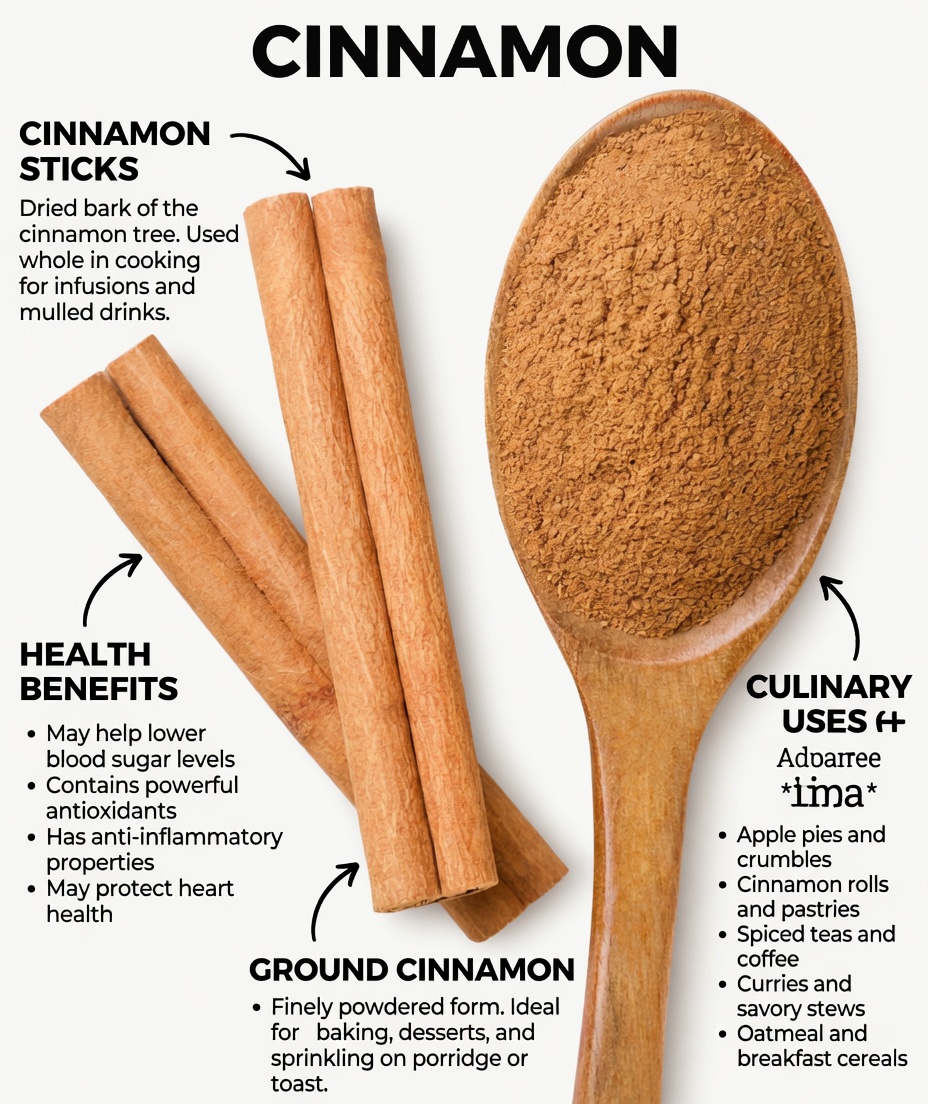
The reason comes down to cinnamon’s naturally occurring plant compounds. Two frequently discussed components are cinnamaldehyde and polyphenols, which are known for antioxidant activity.
Why does that matter for healthy aging? Because oxidative stress—the imbalance between free radicals and the body’s antioxidant defenses—has been associated in research with age-related metabolic challenges and cardiovascular concerns.
Multiple nutrition studies suggest cinnamon may help support healthy blood sugar balance when used as part of an overall nutritious eating pattern. Even more compelling, scientists are exploring whether cinnamon can influence insulin sensitivity, which affects how efficiently the body handles carbohydrates.
How Cinnamon May Help Support Balanced Blood Sugar
Blood sugar swings become a bigger concern for many people after age 50. Glucose naturally rises after meals, but when spikes are frequent or intense, the body may have a harder time regulating them smoothly.

Clinical research has investigated cinnamon’s role in glucose metabolism. In several controlled trials, participants taking small daily amounts of cinnamon showed improvements in certain metabolic markers, including:
- Fasting blood sugar
- Triglyceride levels
Researchers propose that cinnamon may support insulin signaling pathways, which could help the body use insulin more effectively to move glucose from the bloodstream into cells.
In everyday terms, that may contribute to:
- More stable post-meal blood sugar patterns
- Better overall metabolic efficiency
- Fewer energy crashes throughout the day
Cinnamon’s antioxidant properties may also help protect cells involved in glucose regulation—an effect that can become increasingly relevant with aging.
What Research Suggests About Cinnamon and Heart Health
Metabolic health and cardiovascular health are closely connected. When blood sugar, cholesterol markers, and inflammation stay elevated for long periods, the likelihood of heart-related complications tends to rise.
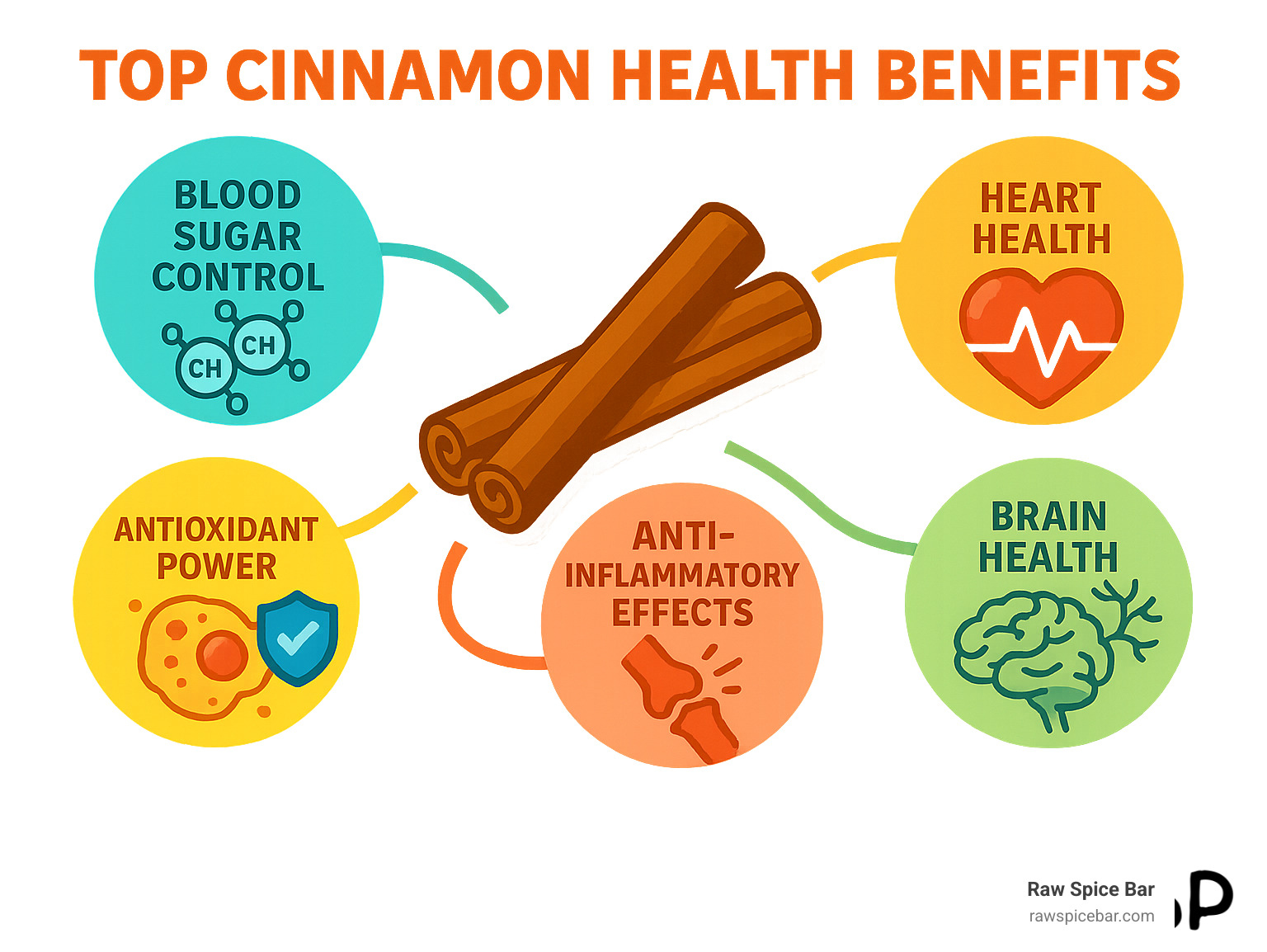
Because of this connection, researchers have examined cinnamon’s potential benefits beyond glucose control. Several evidence reviews suggest cinnamon may support cardiovascular wellness in three key areas:
-
Supporting Healthy Cholesterol Levels
Some studies link cinnamon intake with modest improvements in:- Total cholesterol
- LDL cholesterol
- Triglycerides
-
Helping Maintain Healthy Blood Pressure
Early findings suggest cinnamon compounds may have gentle vasodilatory effects, meaning they may encourage blood vessels to relax. More relaxed vessels can support smoother circulation and may slightly reduce pressure on artery walls. -
Providing Antioxidant Support
Ongoing inflammation can contribute to plaque development over time. Cinnamon’s antioxidant compounds may help neutralize free radicals involved in this process.
It’s still important to keep expectations realistic: cinnamon is not a medical treatment. Nutrition professionals typically frame it as a supportive food ingredient—most helpful when paired with balanced meals, regular movement, and consistent lifestyle habits.
Cassia vs. Ceylon Cinnamon: A Key Detail Many People Miss
Here’s a detail that surprises many shoppers: not all cinnamon is the same. Most stores sell two main types:

-
Cassia cinnamon
- Flavor: strong, spicy
- Availability: common in supermarkets
- Notable trait: higher coumarin levels
-
Ceylon cinnamon (often called “true cinnamon”)
- Flavor: milder, slightly sweeter
- Availability: sometimes labeled clearly as Ceylon/true cinnamon
- Notable trait: lower coumarin content
Coumarin is a naturally occurring compound that can be harmful in very high amounts. For occasional cooking, both types are generally considered safe. However, people who use cinnamon frequently often prefer Ceylon due to its much lower coumarin levels.
The good news: you don’t need large quantities. Even ½ to 1 teaspoon per day can add flavor and may support healthier dietary patterns.
Easy, Everyday Ways to Use Cinnamon Without Complicating Your Diet
Adding cinnamon can be simple and realistic—no elaborate recipes required.

Here are practical options that many nutritionists commonly suggest:
Morning
- Sprinkle cinnamon over oatmeal or yogurt
- Add a pinch to coffee or tea
- Blend into a breakfast smoothie
Afternoon
- Dust cinnamon on sliced apples or bananas
- Stir into Greek yogurt with nuts
Cooking
- Add to carrot or squash soups
- Use in baked dishes while reducing added sugar
A helpful tip: cinnamon’s naturally “sweet” aroma can make foods taste sweeter, which may help you use less added sugar in some recipes. Over time, that small adjustment can add up.
A Simple Cinnamon Routine You Can Follow
If you want to make cinnamon part of your daily pattern, keep it steady and manageable:
- Choose a quality source: ground cinnamon or cinnamon sticks from a reputable brand
- Start small: aim for about ½ teaspoon per day mixed into food
- Pair it with balanced meals that include fiber, healthy fats, and protein
- Focus on consistency rather than occasional high doses
- Check with your healthcare provider if you have medical conditions or take medications before making major dietary changes
In nutrition, steady habits typically matter more than intensity.
Final Thoughts
Cinnamon’s rising popularity isn’t only a wellness trend. Ongoing research continues to explore how this traditional spice may support metabolic balance, antioxidant protection, and cardiovascular wellness when used as part of a healthy diet.
What makes cinnamon especially appealing is its practicality: it’s affordable, easy to find, and effortless to add to everyday meals.
Sometimes meaningful health upgrades don’t start with expensive supplements or complicated plans. Sometimes they begin with a small change—like reaching for what’s already in your spice rack.
Frequently Asked Questions
Can cinnamon replace prescribed medications for blood sugar control?
No. Cinnamon should never replace prescribed medication. It may be used as a supportive ingredient in a balanced diet, but treatment decisions must follow your clinician’s guidance.
How much cinnamon is commonly used in nutrition studies?
Many studies evaluate roughly 1 to 6 grams daily, which is about ½ to 2 teaspoons. For daily eating, moderate culinary amounts are generally preferred.
Is it safe to consume cinnamon every day?
For most people, cinnamon in normal food amounts is considered safe. If you use cinnamon daily—especially in larger amounts—many experts recommend Ceylon cinnamon due to its lower coumarin content. If you have liver concerns, take blood-thinning medications, or manage chronic conditions, consult a healthcare professional for personalized guidance.