Early Stroke Warning Signs: What to Notice Before an Emergency Happens
Every year, countless people experience a stroke with little warning, changing life in a matter of seconds. In many cases, families later say they wish they had recognized the early signals sooner. A persistent headache, unusual tingling, or sudden dizziness may seem easy to dismiss as stress, exhaustion, or aging. However, these subtle changes can sometimes point to a more serious issue developing in the body.
Learning to recognize possible warning signs early—and knowing what to do next—can improve the chances of getting medical care quickly. One important step near the end of this article often gets overlooked, yet it connects everything in a powerful way.
Why Early Stroke Awareness Matters
A stroke occurs when blood flow to the brain is blocked or disrupted. Although some strokes happen without obvious warning, medical research, including findings referenced by groups such as the American Academy of Neurology, suggests that certain symptoms may appear days or even weeks in advance for some people.
These warning signals are not proof that a stroke will happen, but they should never be ignored. In some situations, they may be linked to a transient ischemic attack, or TIA, often called a “warning stroke.” The goal is not to create fear, but to build awareness so you can respond quickly if something feels wrong.
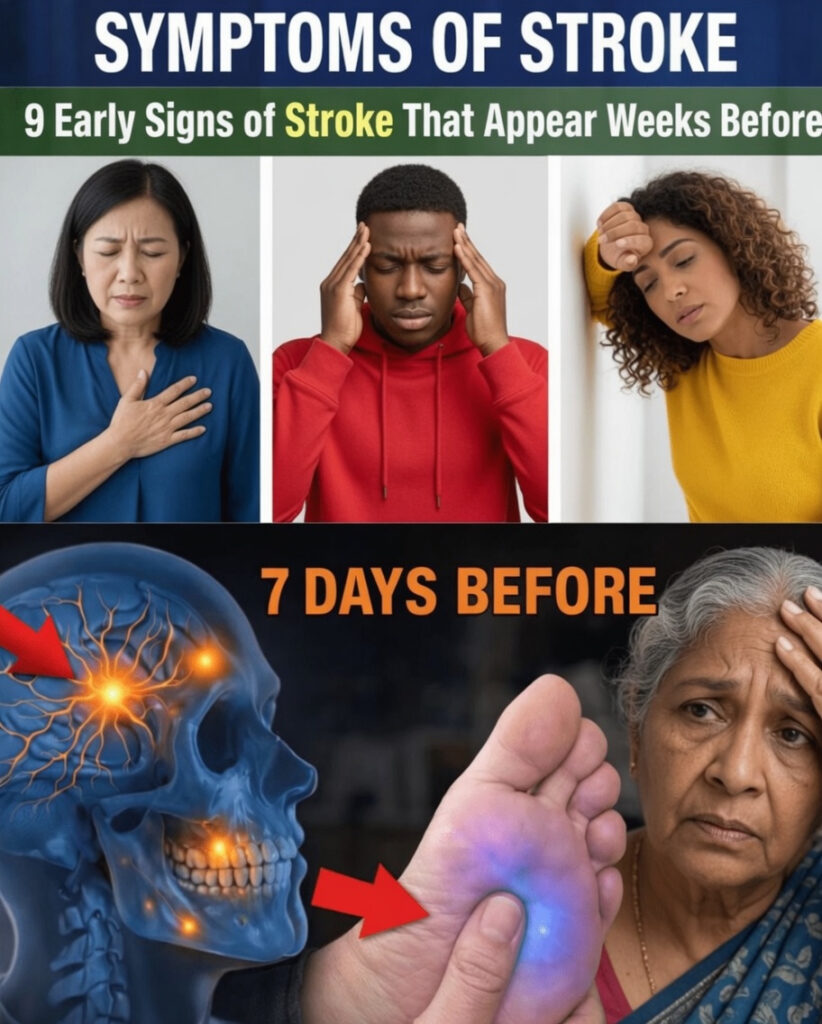
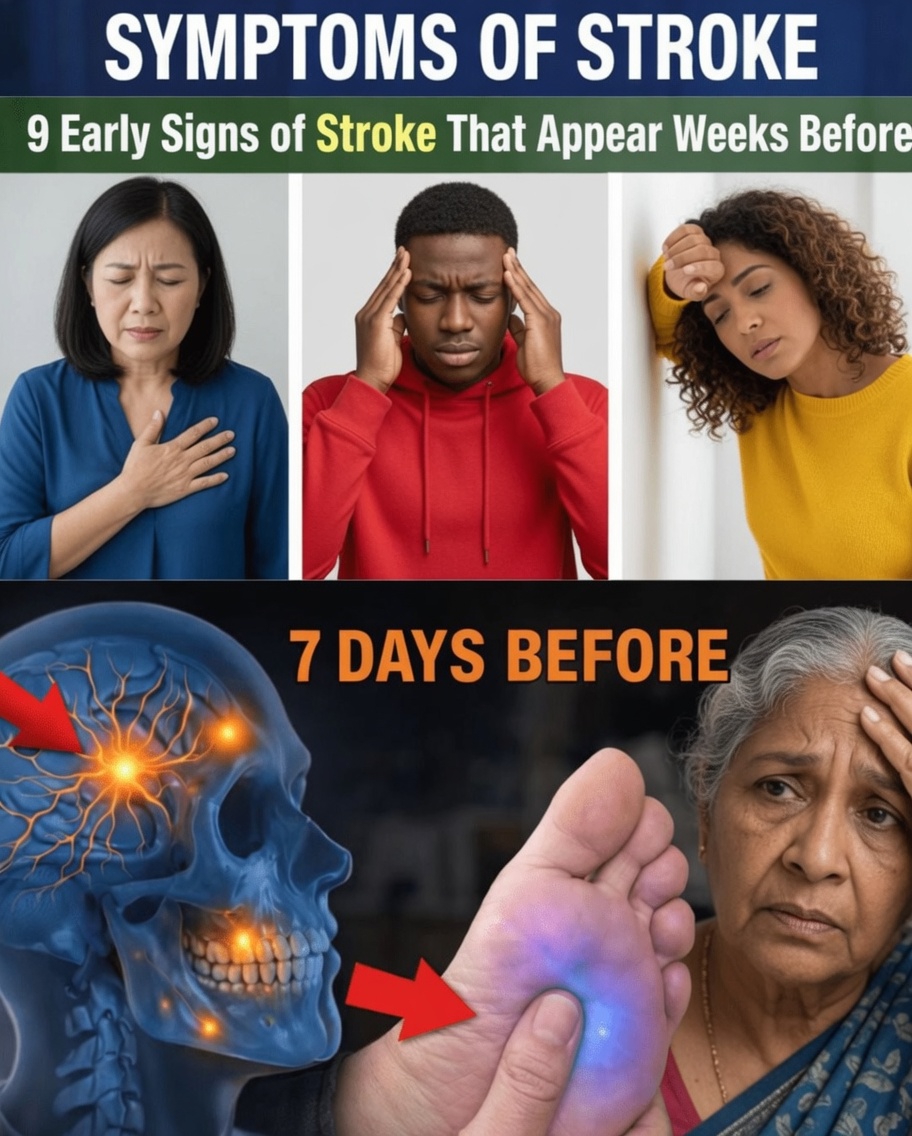
Below are nine early signs that many experts consider important, especially when they appear suddenly, repeatedly, or without a clear explanation.
9 Early Signs of Stroke You Should Not Ignore
Keep in mind that symptoms vary from person to person. These signs are not a diagnosis, and only a qualified healthcare professional can evaluate them properly.
1. Sudden Numbness or Weakness on One Side
A common early symptom is numbness, tingling, or weakness in the face, arm, or leg—often affecting only one side of the body. At first, it may feel mild or temporary, which is why many people overlook it.
2. Unusual Headache or Pressure in the Head
A headache that feels different from your normal headaches deserves attention, particularly if it is intense, persistent, or accompanied by other symptoms such as blurred vision or confusion. In some cases, unusual head pain may show up before a larger neurological event.
3. Changes in Vision
Blurred vision, double vision, or trouble focusing in one or both eyes can be a warning sign. Visual disturbances may come on suddenly and can disappear just as quickly, making them easy to dismiss.

4. Dizziness or Loss of Balance
Feeling lightheaded, off balance, or as if the room is spinning can be another possible sign. Some people notice that they need to steady themselves against a wall or furniture.
5. Confusion or Mental Fog
Difficulty thinking clearly, sudden forgetfulness, or trouble processing simple information may indicate that the brain is not functioning normally. Even brief periods of unusual confusion matter.
6. Chest Discomfort or Unexplained Pressure
Although chest pain is more commonly associated with heart issues, some people report tightness, pressure, or unexplained discomfort before a stroke-related event. Since heart and brain health are closely connected, this symptom should be taken seriously.
7. Trouble Speaking or Understanding Speech
Slurred speech, difficulty finding the right words, or suddenly struggling to understand a basic conversation may appear without warning. Even if it lasts only a few minutes, it requires immediate attention.
8. Problems with Coordination or Walking
Frequent stumbling, clumsiness, dropping objects, or feeling like your legs are not responding properly may be an early clue. These issues can happen off and on before a major event.
9. Sudden Nausea or Brief Changes in Consciousness
Unexplained nausea, feeling faint, or short episodes of near-blackout can also be part of the warning pattern experts monitor.
What often surprises people is that these symptoms do not always look dramatic at first. They may come and go, which is one reason so many people delay seeking help. That is exactly why awareness matters.
Why the 7-Day Window Gets So Much Attention
Some research suggests that warning symptoms may become more frequent or intense during the final week before a major stroke, particularly in people who experience a transient ischemic attack first. This does not mean every stroke follows that timeline, but it does highlight how important the days leading up to an event can be.
If unusual numbness, dizziness, confusion, or vision changes start appearing close together over several days, do not ignore the pattern. Even if each episode passes quickly, the combined trend may be significant.

Simple Actions You Can Take Right Now
You do not need special equipment to become more aware of possible stroke symptoms. A few easy habits can help you notice changes sooner.
Daily self-check
Each morning, take a minute to do a quick check:
- Smile in the mirror.
- Raise both arms.
- Say a simple sentence out loud.
If one side feels weak, your smile looks uneven, or your speech sounds off, contact a medical professional right away.
Keep a symptom log
Use your phone or a notebook to record unusual symptoms, even if they last only a few minutes. Include:
- The date and time
- What you felt
- How long it lasted
- What you were doing at the time
This information can be extremely useful for your doctor.
Know your health numbers
Stroke risk is closely tied to several health markers. Stay on top of:
- Blood pressure
- Cholesterol
- Blood sugar
Routine checkups and small lifestyle improvements can make a real difference over time.
Involve your family
Teach your loved ones how to recognize warning signs too. If everyone knows what to look for, it becomes easier to act quickly in an emergency.
Common Stroke Warning Signs at a Glance
Here is a simple summary of some key symptoms and why they matter:
| Sign | How It May Feel | Why It Matters |
|---|---|---|
| Numbness or weakness | Tingling or loss of strength in the face, arm, or leg | Often appears suddenly and may affect one side |
| Headache | New, intense, or unusual head pain | May occur with other neurological changes |
| Dizziness | Spinning, imbalance, or unsteadiness | Can interfere with walking and coordination |
| Confusion | Mental fog, memory issues, or trouble speaking | May affect daily thinking and communication |
| Vision changes | Blurred or double vision | Can affect one or both eyes unexpectedly |
Seeing the symptoms clearly organized can make them easier to remember.
Healthy Lifestyle Habits That Support Brain Health
No lifestyle habit can replace medical care, but everyday choices can support the systems that help protect brain function. Helpful habits include:
- Drinking enough water
- Staying physically active most days
- Eating fruits, vegetables, and other nutrient-rich foods
- Managing stress with short breaks or breathing exercises
- Getting regular sleep
These are not guaranteed prevention tools, but they can support overall cardiovascular and neurological health.
The Most Overlooked Step
Awareness of symptoms is crucial, but the one step that ties everything together is surprisingly simple: schedule your annual physical and talk openly with your doctor about any patterns you have noticed.
That conversation can help uncover hidden risk factors, identify warning signs early, and guide you toward the right tests or treatment. In many cases, this proactive step may be one of the most important health decisions you make all year.
Conclusion
Recognizing possible stroke symptoms early is not about living in fear. It is about being prepared, informed, and ready to act. Sudden weakness, unusual headaches, vision problems, dizziness, confusion, speech difficulty, and other unexplained changes should never be brushed aside.
The nine signs covered here, along with the often-discussed 7-day warning window and simple daily self-checks, can help you respond faster for yourself or someone you care about. When it comes to stroke, quick action can save brain function, independence, and even life.
FAQ
1. Can stroke warning signs really appear weeks beforehand?
Yes, some people experience symptoms that come and go in the days or weeks before a stroke, especially if they have a transient ischemic attack. However, not everyone gets advance warning, so any sudden unusual symptom should be evaluated quickly.
2. What should I do if I notice one or more of these symptoms?
Use the FAST method:
- Face drooping
- Arm weakness
- Speech difficulty
- Time to call emergency services
Even if the symptom fades, seek medical help immediately. Temporary symptoms can still signal serious danger.
3. Are stroke warning signs the same for everyone?
No. Symptoms can vary based on age, sex, and individual risk factors. Some women, older adults, or people with existing medical conditions may experience less obvious signs such as fatigue, unease, or mild confusion. That is why paying attention to your body and reporting unusual changes is so important.