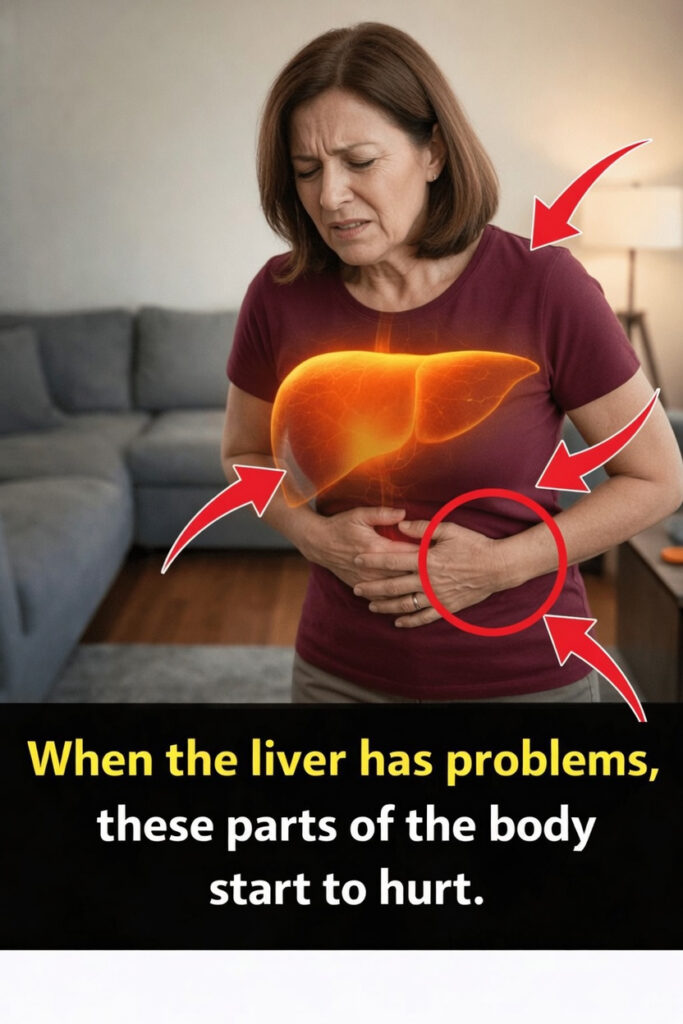
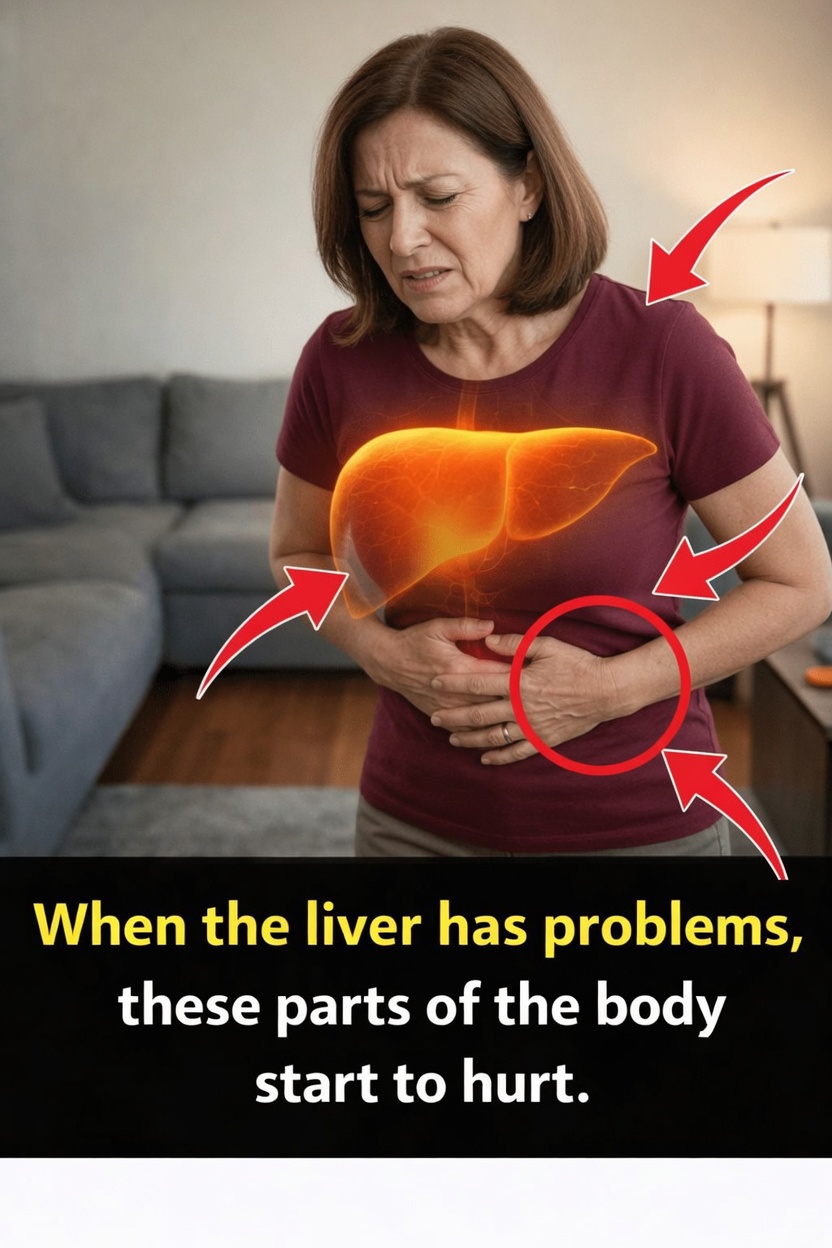
Many people deal with occasional pain, sluggishness, or low energy and assume it is simply the result of stress, a packed schedule, or aging. Yet in some cases, these symptoms may reflect deeper internal strain, especially when discomfort keeps returning in certain parts of the body. The liver plays a vital behind-the-scenes role in detoxification, nutrient processing, and maintaining internal balance. When it is under pressure, the warning signs may appear in places you would not immediately expect.
The encouraging part is that recognizing these patterns early can help you respond sooner and build simple daily habits that support overall wellness. Later in this article, you will also find practical lifestyle tips that many people use to promote liver health naturally.
Why Liver Problems Can Affect the Whole Body
Located in the upper right portion of the abdomen beneath the rib cage, the liver performs hundreds of essential functions. Because the organ itself has relatively few pain-sensitive nerves, discomfort does not always stay localized. Instead, liver-related stress may show up through referred pain, inflammation, digestive disruption, fluid imbalance, skin changes, joint discomfort, and reduced energy.
This is why a single liver-related issue can create a chain reaction throughout the body. To understand that better, let’s look at the areas people most commonly notice.
Upper Right Abdomen: The Most Recognizable Warning Area
A dull ache, pressure, or heavy sensation beneath the right rib cage is one of the most frequently reported signs. Since the liver sits directly in this area, swelling, irritation, or strain can lead to noticeable discomfort.
People often describe it as:
- A persistent feeling of fullness or heaviness
- Brief sharp sensations during movement
- Mild tenderness when the area is touched
Medical references commonly associate this type of pain with different forms of liver stress, although any ongoing symptom should be evaluated by a healthcare professional.
For many individuals, this discomfort feels worse after large meals or certain lifestyle habits, making it an important symptom to track.
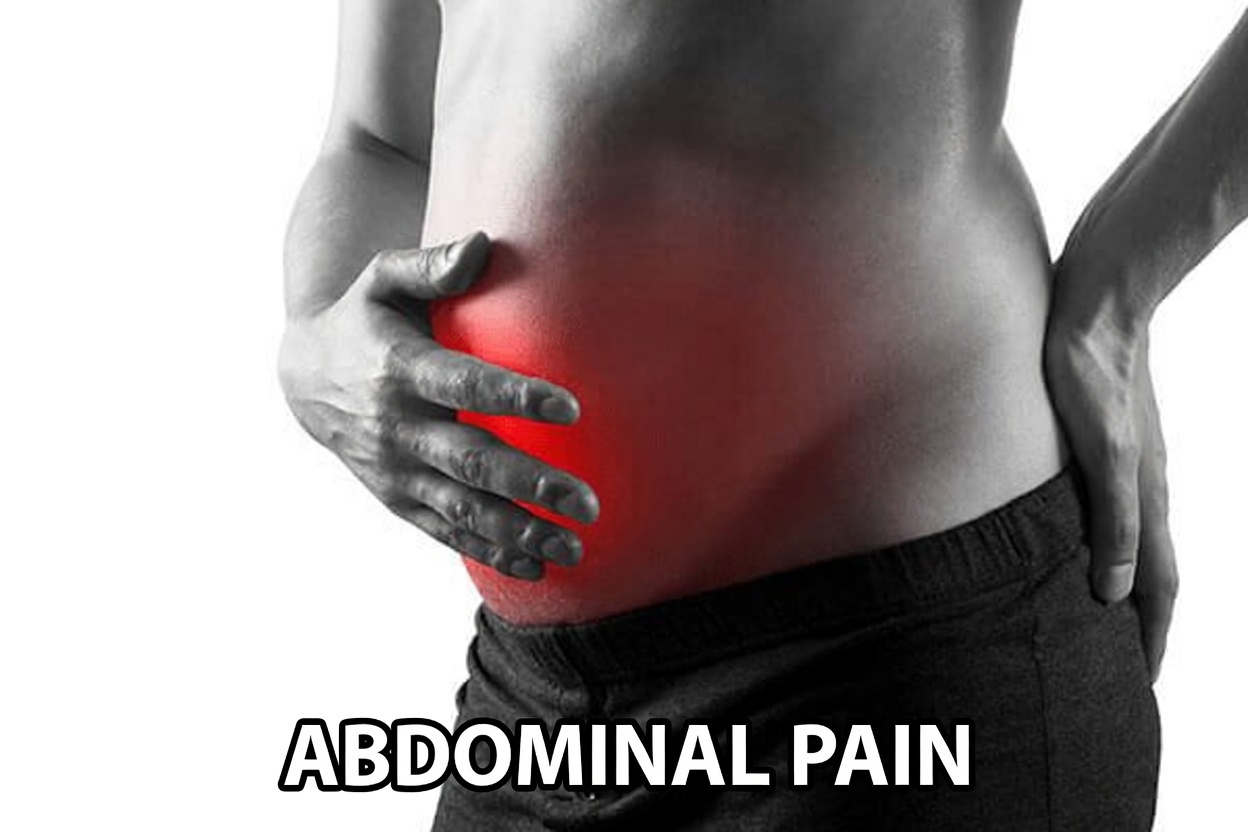
Bloating and Widespread Abdominal Discomfort
Liver-related discomfort is not always limited to the right side. In some cases, the entire abdomen may feel bloated, tight, swollen, or heavy. This can happen when digestion becomes sluggish or when fluid balance begins to change.
Common sensations include:
- Feeling full after eating only a small amount
- Tightness around the waist or clothing
- Digestive unease that lingers
In more serious stages, fluid buildup may lead to ascites. However, many people first notice only ongoing bloating that does not improve easily.

Upper Back and Right Shoulder Pain: An Unexpected Connection
One surprising pattern is pain in the upper back or right shoulder. This is known as referred pain. When irritation occurs near the diaphragm, the brain may interpret those nerve signals as pain in the shoulder or upper back instead of the abdomen.
People dealing with liver-related stress sometimes report:
- Aching between the shoulder blades
- Pain near the tip of the right shoulder
- Discomfort that increases with deep breathing or certain positions
Clinical observations often mention this pain pattern, and in some cases, shoulder discomfort is one of the earliest symptoms people notice.
But these are not the only places where the body may signal that something is off.
Skin and Joint Changes That May Be Connected to the Liver
When bile flow becomes impaired or the liver is less effective at clearing certain substances, the skin and joints may begin to reflect that imbalance. One common complaint is persistent itching without a visible rash, especially on the palms of the hands and soles of the feet. This may happen when certain compounds build up in the body.
Joint-related symptoms can include:
- Mild stiffness
- Aching in larger joints
- Occasional swelling or inflammatory-type discomfort
These signs emphasize how broad the liver’s influence is in maintaining internal stability.
Headaches, Brain Fog, and Ongoing Fatigue
The liver helps filter waste products from the bloodstream. If that process slows down, those substances may affect mental clarity, energy, and overall well-being. Many people describe symptoms such as:
- Recurrent headaches
- Trouble concentrating
- Brain fog
- Ongoing fatigue that does not improve with rest
- Mood fluctuations
These issues may appear because the body is working harder to manage metabolic waste. Research has linked these symptoms to changes in how the body processes and clears toxins.
What matters most is that these symptoms often appear together. Rather than one isolated issue, people may notice a repeating pattern.
Daily Habits That May Help Support Liver Health
Caring for your liver does not have to involve extreme measures. In many cases, steady and realistic habits are the most useful. Here are some simple strategies many people include in their wellness routine:
- Stay consistently hydrated: Drinking water regularly throughout the day can support the body’s natural detox processes.
- Eat more colorful produce: Leafy greens, berries, and cruciferous vegetables provide antioxidants and plant compounds that support overall health.
- Move your body often: Gentle exercise such as walking, stretching, or yoga may improve circulation and metabolic function.
- Reduce ultra-processed foods: Cutting back on excess sugar, high sodium intake, and heavily processed products may reduce overall strain on the body.
A Practical Liver-Friendly Routine
If you want a simple place to begin, this kind of daily structure can be helpful:
- Start the morning with a glass of warm water with lemon, a habit many people enjoy.
- Add bitter greens or beets to lunch or dinner.
- Take a 20 to 30 minute walk after meals when possible.
- Avoid eating very heavy meals late at night.
These are general wellness practices, and they work best alongside regular medical checkups and personalized advice.
Foods Commonly Mentioned in Liver-Supportive Eating Plans
No single ingredient can transform liver health on its own, but certain whole foods are frequently discussed as part of a balanced, liver-friendly diet. Common examples include:
- Leafy greens like spinach and kale
- Cruciferous vegetables such as broccoli and Brussels sprouts
- Root vegetables including beets and carrots
- Healthy fats from avocados, olive oil, nuts, and seeds
- Herbs and spices like turmeric and ginger in moderate amounts
Common Foods and Why They Are Often Recommended
| Food Category | Examples | Why They Are Discussed |
|---|---|---|
| Antioxidant-rich produce | Berries, leafy greens | May help reduce everyday oxidative stress |
| Sulfur-containing foods | Garlic, onions, eggs | Support natural detoxification pathways |
| Bitter and root vegetables | Dandelion greens, beets | Traditionally used to encourage digestion |
| Healthy fats | Olive oil, fatty fish | Help with nutrient absorption and metabolic balance |
A varied and moderate eating pattern is usually more helpful than relying too heavily on any one “superfood.”
Why These Signals Deserve Attention
The liver contributes to digestion, hormone balance, immune activity, and energy metabolism. When it is under strain, multiple body systems can be affected at once, leading to a combination of symptoms rather than a single obvious sign.
Some people also notice:
- Changes in urine color
- Changes in stool appearance
- Variations in skin tone
- Appetite shifts
Looking for recurring patterns instead of isolated moments can be useful when deciding whether something needs closer attention.
Warning Signs to Discuss With a Healthcare Professional
It is especially important to seek medical advice if you notice:
- Persistent discomfort in the upper right abdomen, back, shoulder, or joints
- Unusual fatigue that interferes with normal daily life
- Ongoing itching or unexplained skin changes
- Digestive symptoms that do not improve over time
Early conversations with a doctor can lead to simple evaluations, testing, and guidance tailored to your individual needs.
Final Thoughts
Pain or discomfort in the upper right abdomen, upper back, right shoulder, joints, or head may sometimes reflect how the liver is coping with its many responsibilities. These symptoms are often the body’s way of signaling that something deserves attention. By noticing changes early and building supportive daily habits, you give yourself a better chance to protect long-term well-being.