
Don’t Toss Those Onion Skins Yet: A Surprisingly Useful Habit for Urinary Wellness
You finish slicing onions for dinner, peel away the papery outer layers, and toss them into the bin without a second thought. For most people, onion peels are “just scraps.” Yet many older adults are beginning to notice something interesting: those thin skins may contain concentrated plant compounds that support healthy aging.
As men get older, changes like nighttime bathroom trips or reduced bladder comfort can become an awkward (and frustrating) part of daily life. While there’s no magic cure in the kitchen, one simple habit may gently support urinary wellness: using the peel that nearly everyone throws away.

Why Onion Peels Are Trending in Natural Wellness
Onion skins might look like waste, but nutritionally they’re anything but. Research in food and nutrition science has shown that onion peels can contain high concentrations of flavonoids—natural antioxidants that help the body deal with oxidative stress.
A standout compound in onion skins is quercetin, widely studied for its potential role in:
- Supporting the body’s antioxidant defenses
- Helping manage oxidative stress
- Promoting overall cellular health
Beyond that, scientists continue exploring how antioxidant-rich plant foods may contribute to healthy aging, including comfort and function in the urinary system—especially for older adults.
Key Beneficial Compounds Found in Onion Skins
Onion peels are particularly valued for their dense concentration of protective plant chemicals, including:
- Quercetin
- Flavonoids
- Polyphenols
- Natural antioxidants
These compounds are known for helping protect cells from oxidative damage—an issue that tends to become more relevant with age.
Onion Flesh vs. Onion Peel: A Simple Comparison
Compared with the inner onion layers, the outer skin often contains a higher concentration of certain beneficial compounds.
- Antioxidants: onion flesh (moderate) vs. onion peel (higher)
- Flavonoids: onion flesh (present) vs. onion peel (more concentrated)
- Quercetin: onion flesh (present) vs. onion peel (high levels)
- Plant fiber: onion flesh (lower) vs. onion peel (higher)
Some findings suggest the peel may contain several times more flavonoids than the onion’s inner layers. That’s one reason why, in certain cultures and traditional households, onion skins have been used to make simple herbal infusions.
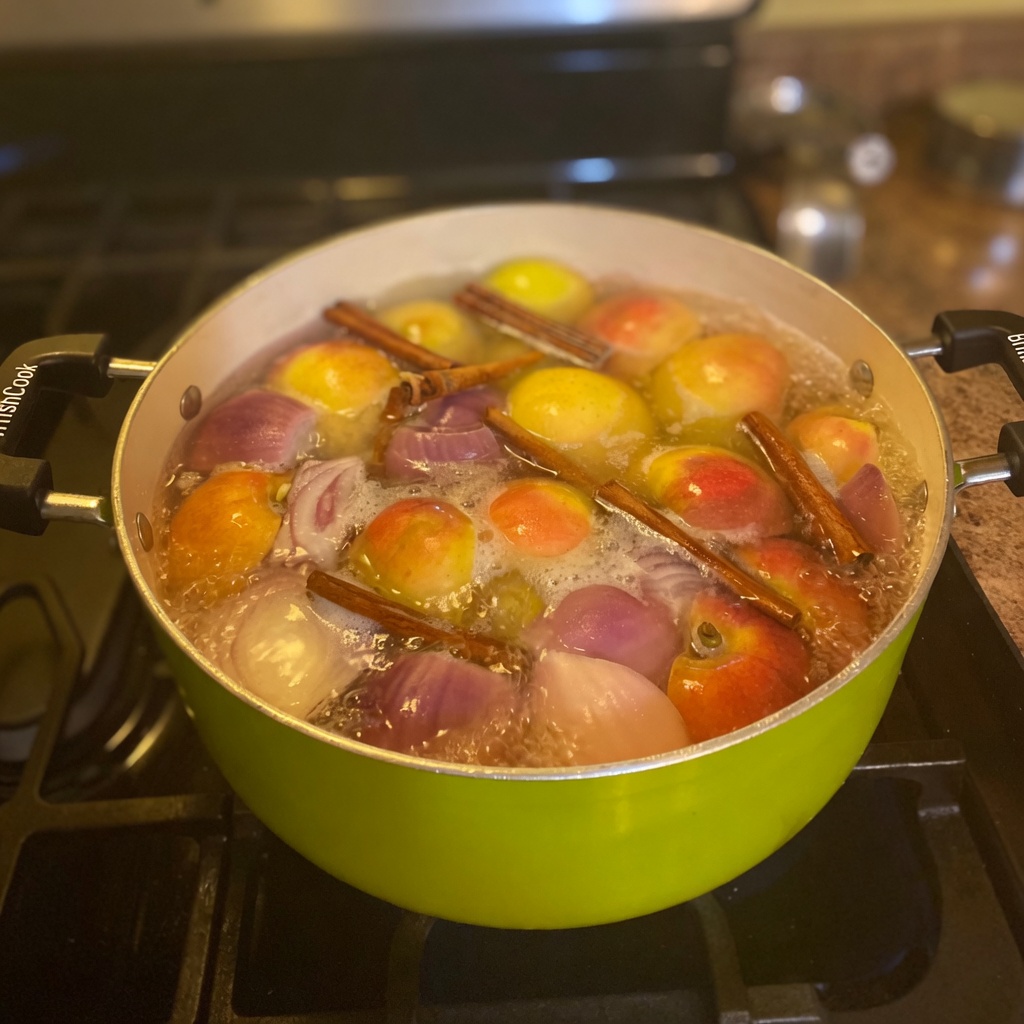
Onion Peel Tea in Traditional Routines (and Why People Use It)
In various parts of the world, onion peel tea has been a low-cost, practical herbal drink passed down through generations. Some people—especially older adults—enjoy it as part of an evening routine.
One reason is that onion peels provide plant compounds that may support general urinary system comfort.
As men age, it’s common to notice changes such as:
- More frequent bathroom visits at night
- Weaker urine flow
- A sensation that the bladder doesn’t fully empty
These shifts are often tied to natural age-related changes in the urinary system and prostate.
Flavonoids like quercetin are being studied for their potential role in supporting a balanced inflammatory response and antioxidant protection—factors that may contribute to overall urinary tract wellness.
Important note: Onion peel tea is not a medical treatment and should never replace professional care. It’s best viewed as a traditional wellness beverage that may complement healthy lifestyle habits.
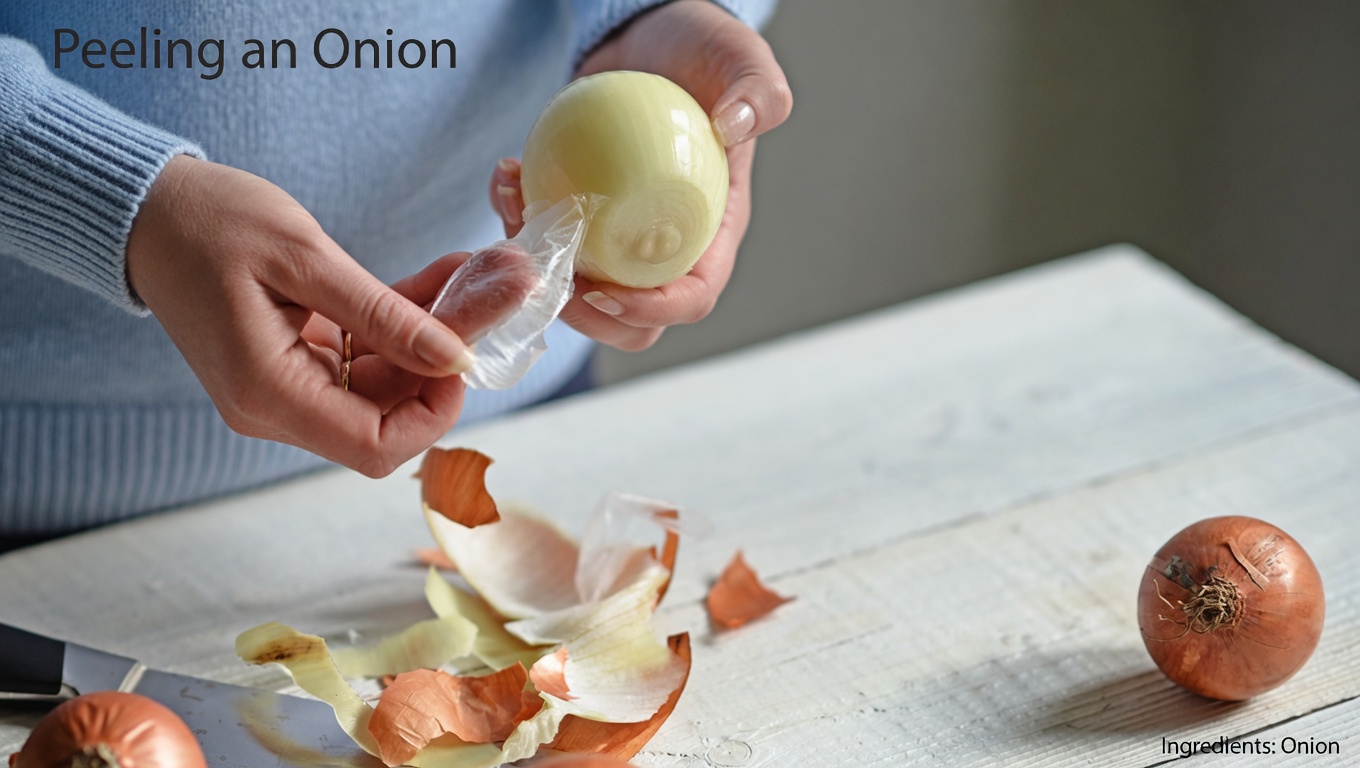
How to Make Onion Peel Tea at Home
Making onion peel tea is straightforward and requires minimal ingredients.
Ingredients
- Peels from 1–2 organic onions
- 2 cups (about 500 ml) water
- Honey (optional)
- A small splash of lemon juice (optional)
Step-by-step instructions
- Wash thoroughly: Rinse the onion skins well to remove dirt and residue.
- Boil water: Bring 2 cups of water to a boil in a small pot.
- Add the peels: Place the onion peels into the boiling water.
- Simmer: Reduce heat and simmer for 10–15 minutes.
- Strain: Pour through a strainer into a cup and discard the peels.
- Adjust taste: Add honey or lemon if you like.
The tea is typically a light amber color with a mild, herbal scent. Many people prefer it warm in the evening as a calming drink.

Daily Habits That Better Support Bladder and Prostate Comfort
No single drink determines your health outcomes. Long-term urinary wellness is usually the result of consistent habits—especially as the body changes with age.
Here are lifestyle practices often recommended for supporting urinary comfort:
1) Stay properly hydrated
Water helps the urinary system flush waste. Some older adults intentionally drink less to avoid bathroom trips, but dehydration can sometimes worsen discomfort.
2) Focus on antioxidant-rich foods
Foods commonly discussed for healthy aging and protective plant compounds include:
- Tomatoes
- Pumpkin seeds
- Leafy greens
- Berries
3) Reduce common bladder irritants (if they affect you)
Some people notice more sensitivity after:
- Coffee
- Alcohol
- Carbonated drinks
Cutting back may improve comfort for certain individuals.
4) Keep moving
Even light physical activity can support circulation and overall health. A frequent recommendation is 20–30 minutes of walking daily for older adults.
5) Get regular health checkups
Men over 40 are often advised to schedule routine checkups to monitor age-related changes. Catching issues early can meaningfully support long-term wellness.
A Small Kitchen Change Many People Miss
Some of the most practical wellness habits begin with tiny, everyday choices. Onion peels are a perfect example: instead of discarding them, some people repurpose them into a simple herbal tea.
It’s not a cure, and it’s not a replacement for medical care—but it can be a small step toward a more intentional approach to nutrition and healthy aging.
Frequently Asked Questions
Is onion peel tea safe to drink regularly?
Onion peels come from a widely consumed vegetable and are used traditionally in some herbal drinks. When properly washed and prepared, many people drink it occasionally. If you have medical conditions, allergies, or dietary restrictions, consult a healthcare professional before changing your routine.
How often can someone drink onion peel tea?
Some individuals choose one cup per day as a herbal beverage. Moderation matters, and it should not replace a varied, nutrient-rich diet.
Can onion peel tea replace professional medical care?
No. Onion peel tea is a traditional wellness drink only. Ongoing urinary symptoms or health concerns should always be discussed with a qualified healthcare professional.
Final Thoughts
Sometimes the most overlooked kitchen “scraps” contain meaningful nutritional value. Onion peels are a prime example, offering concentrated plant compounds such as quercetin and other flavonoids.
Adding onion peel tea to your routine may be a gentle way to explore traditional wellness practices—especially when paired with balanced nutrition, healthy daily habits, and regular medical checkups.
Medical Disclaimer
This content is for informational and educational purposes only and does not substitute for professional medical advice, diagnosis, or treatment. If you have urinary health concerns or prostate-related symptoms, seek guidance from a qualified healthcare professional.