A Sunday Photo That Makes You Notice the Gray
Picture a relaxed Sunday family visit in Mexico: everyone is gathered around the table, and your grandchildren are snapping photos on their phones. Later, someone shows you the pictures—and suddenly you see it clearly. The silver strands at your temples that looked minor in the mirror now appear brighter and more noticeable on camera.
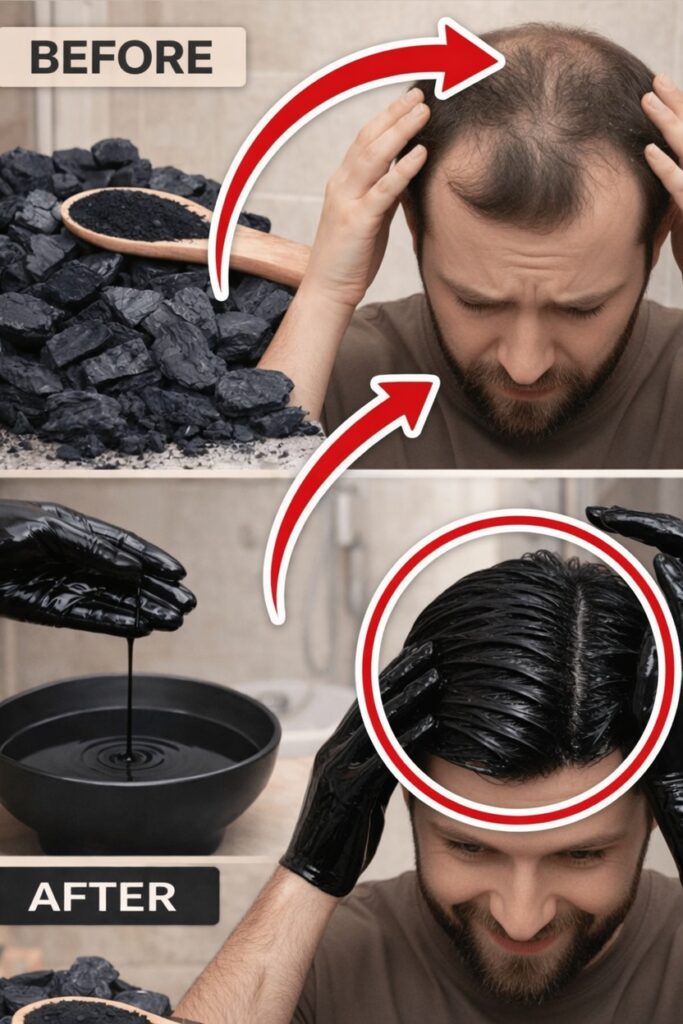
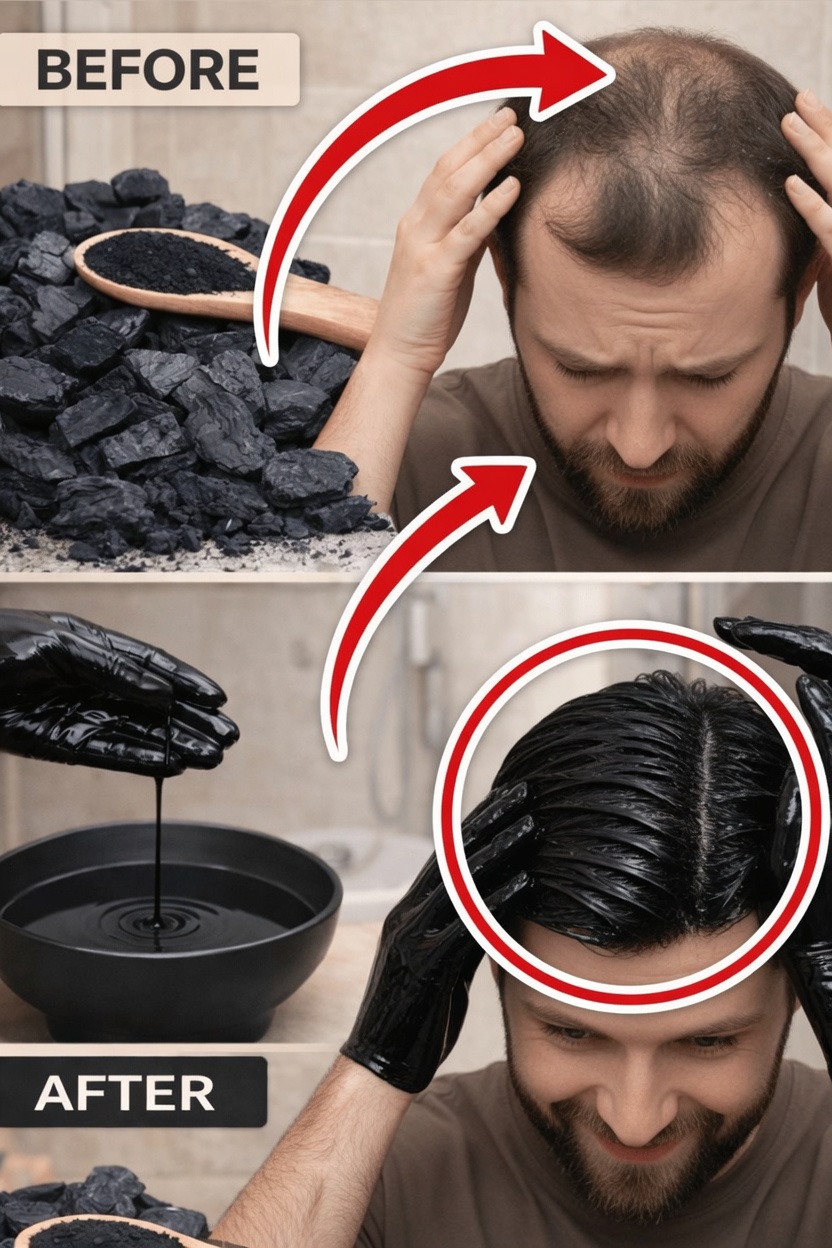
That moment often triggers a familiar reaction: mild embarrassment, followed by a search for easy, natural ways to reduce the look of gray hair without harsh chemical dyes. The confusion grows when friends mention unusual internet “remedies.” One of the most unexpected trends is activated charcoal for gray hair, with claims that it can make grays look darker.
Before you try it, there’s an important reality you should know—one that may change what you expect from charcoal completely.
Why Gray Hair Becomes More Common as You Age
Gray hair is one of the most normal signs of aging, even though many people still feel self-conscious when it starts showing up more often.
The explanation is straightforward:
Hair color comes from melanin, a pigment produced by specialized cells inside the hair follicle as each strand grows. Over time, these pigment-producing cells slow down. Eventually, they may stop producing melanin altogether. When new hair grows without melanin, it appears gray or white.
But aging isn’t the only influence. Dermatology research points to several factors that can speed up graying, including:
- Genetics, which strongly affects when graying begins
- Oxidative stress, which may impact pigment-related cells
- Lifestyle factors like smoking and long-term stress
- Nutritional deficiencies, which sometimes affect hair quality and appearance
The key point: gray hair itself is not a medical problem. It’s part of the body’s normal biological timeline.
Still, some natural ingredients can temporarily change how gray strands look—even if they don’t alter the biology behind them. Activated charcoal is one of the most talked-about.
What Activated Charcoal Actually Is
Despite the name, activated charcoal isn’t the same charcoal used for grilling.
Activated charcoal is made by heating natural sources—often coconut shells, wood, or bamboo—at extremely high temperatures. This “activation” process creates countless microscopic pores across the surface.
Think of it as a sponge at a microscopic level: those tiny pores help charcoal bind to oils, residue, and particles. That’s why activated charcoal is common in products such as:
- Face masks
- Teeth-whitening and cleaning products
- Detox-style skincare formulas
- Clarifying shampoos and scalp treatments
Here’s the detail many people overlook: activated charcoal is intensely black, and its pigment can cling to surfaces—including hair.
That dark color is what leads to the idea that activated charcoal can “darken” gray hair.
Can Activated Charcoal Make Gray Hair Look Darker?
Yes—but only briefly, and only in a cosmetic way.
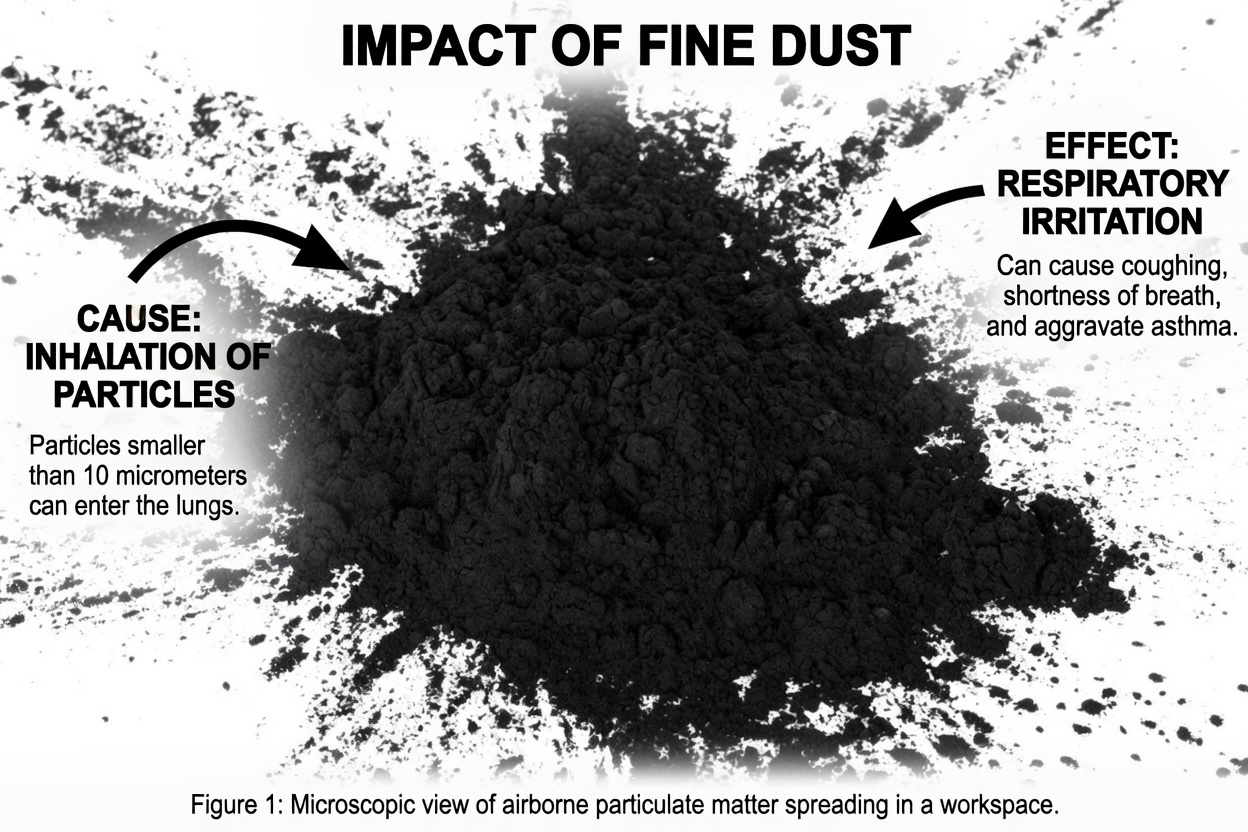
Activated charcoal contains ultra-fine particles that can lightly coat the outside of the hair shaft. Because gray hair has little to no natural pigment, that dark residue may make strands look slightly deeper or less bright—for a short time.
However, this behaves more like makeup for hair than real dye:
- It does not soak deeply into the hair shaft
- It does not restart melanin production in the follicle
- The effect typically lasts until the next wash
A simple comparison:
- Activated charcoal: coats the surface → usually fades with shampoo
- Plant-based dyes: attach more strongly → last for several washes
- Chemical dyes: penetrate deeply → can last weeks or months
So if your goal is permanent color change, charcoal won’t deliver that. But many people still like it for another reason: scalp and hair cleanliness.
The Real Benefits: How Activated Charcoal May Improve Hair and Scalp Appearance
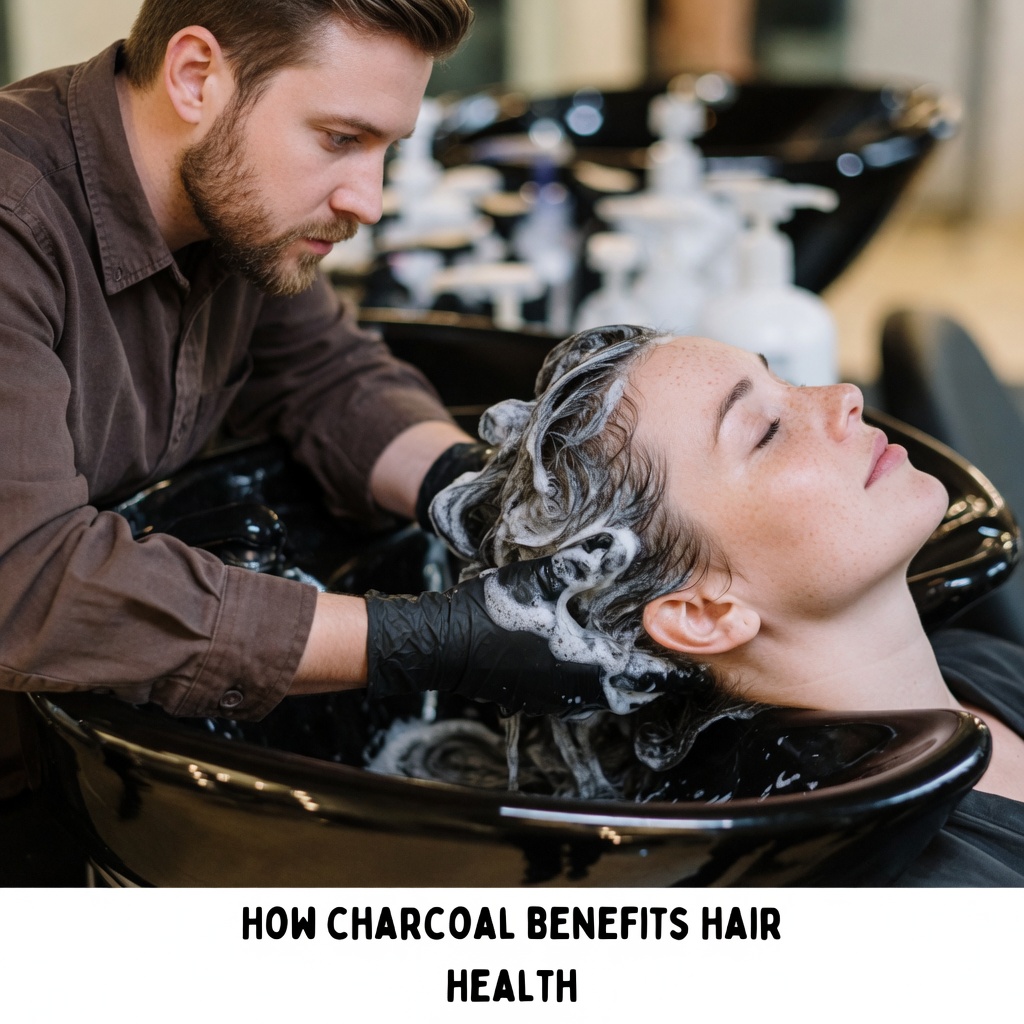
The most meaningful advantage of activated charcoal isn’t long-lasting darkening—it’s what it may do for the scalp and overall hair look.
Deep cleansing for the scalp
Activated charcoal can bind to oil, dirt, and styling residue. Many scalps accumulate buildup from:
- Hair sprays and gels
- Heavy conditioners or creams
- Pollution and daily grime
Charcoal-based cleansers may help remove that layer, which can make hair appear lighter, fresher, and healthier.
Helping reduce excess oil
If you have an oily scalp, charcoal can absorb excess sebum. This may reduce the greasy look that can make gray hair seem dull or flat.
Supporting a cleaner scalp environment
General scalp hygiene research shows that reducing buildup and keeping oil levels balanced often improves how hair looks and feels—especially at the roots.
Important reminder: these benefits can enhance the appearance of hair, but they do not reverse the natural graying process.
A Simple, Gentle Way to Use Activated Charcoal in Your Hair Routine
If you’re curious about trying activated charcoal for hair, the safest approach is to keep it mild and infrequent.
Basic charcoal hair mask method
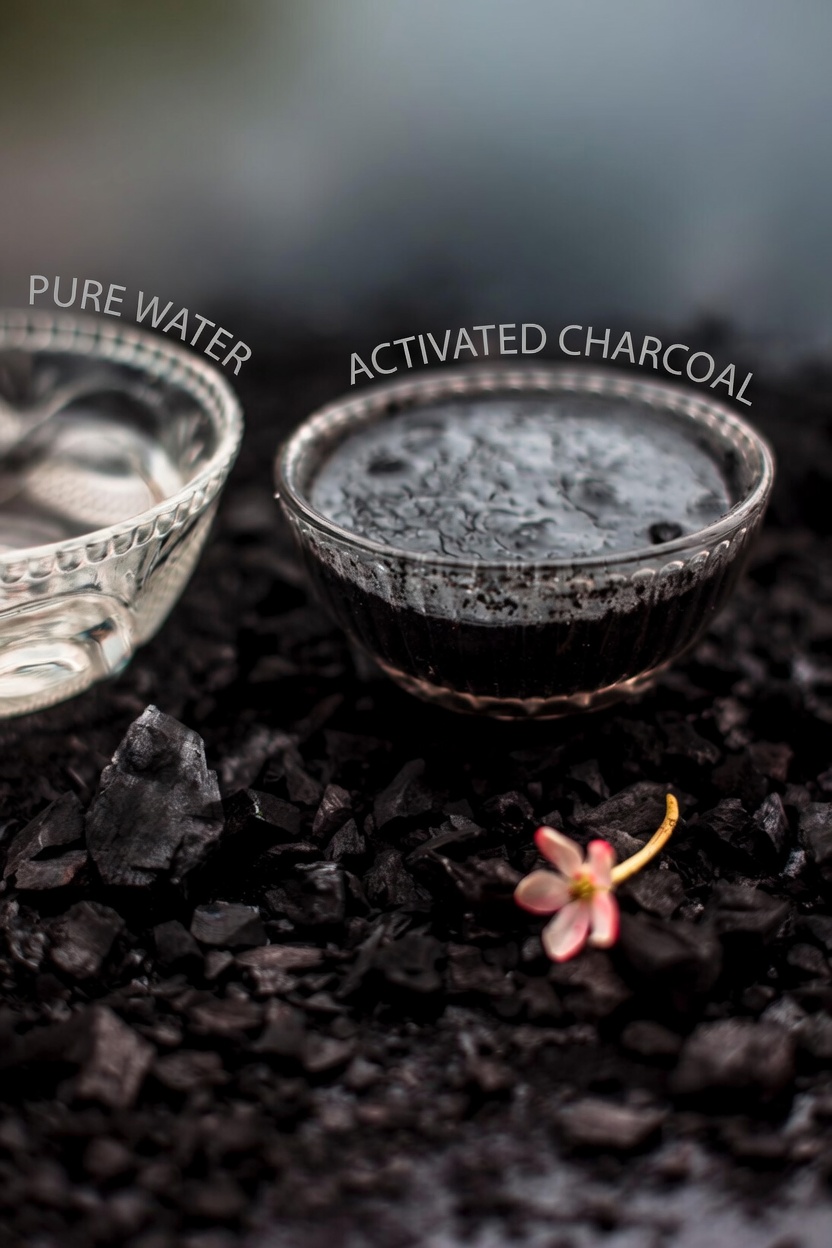
- Mix a small amount of activated charcoal powder with coconut oil or aloe vera gel until it becomes a smooth paste.
- Apply lightly to the scalp and through the hair strands.
- Leave on for 10–15 minutes.
- Rinse thoroughly, then shampoo with a gentle cleanser.
Safety tips to follow
- Test on a small section first (especially with light-colored or porous hair)
- Wear old clothes—charcoal can stain fabrics
- Limit use to once per week at most
- Use extra caution if hair is very dry, bleached, or chemically treated
Many people report that their hair feels cleaner afterward. If the gray looks slightly darker, that effect is typically temporary and often disappears after washing.
The Real Secret: Confidence With Gray Hair
Over time, many people realize the goal doesn’t always need to be “hide every gray strand.”
Today, many dermatologists and hair professionals focus on a different approach: keeping gray hair healthy and glossy, so it looks intentional rather than dull.
Habits that can help gray hair look its best include:
- Consistent scalp hygiene
- A balanced diet with enough protein, minerals, and key nutrients
- Less heat styling and fewer harsh treatments
- Better stress management
- Drinking enough water
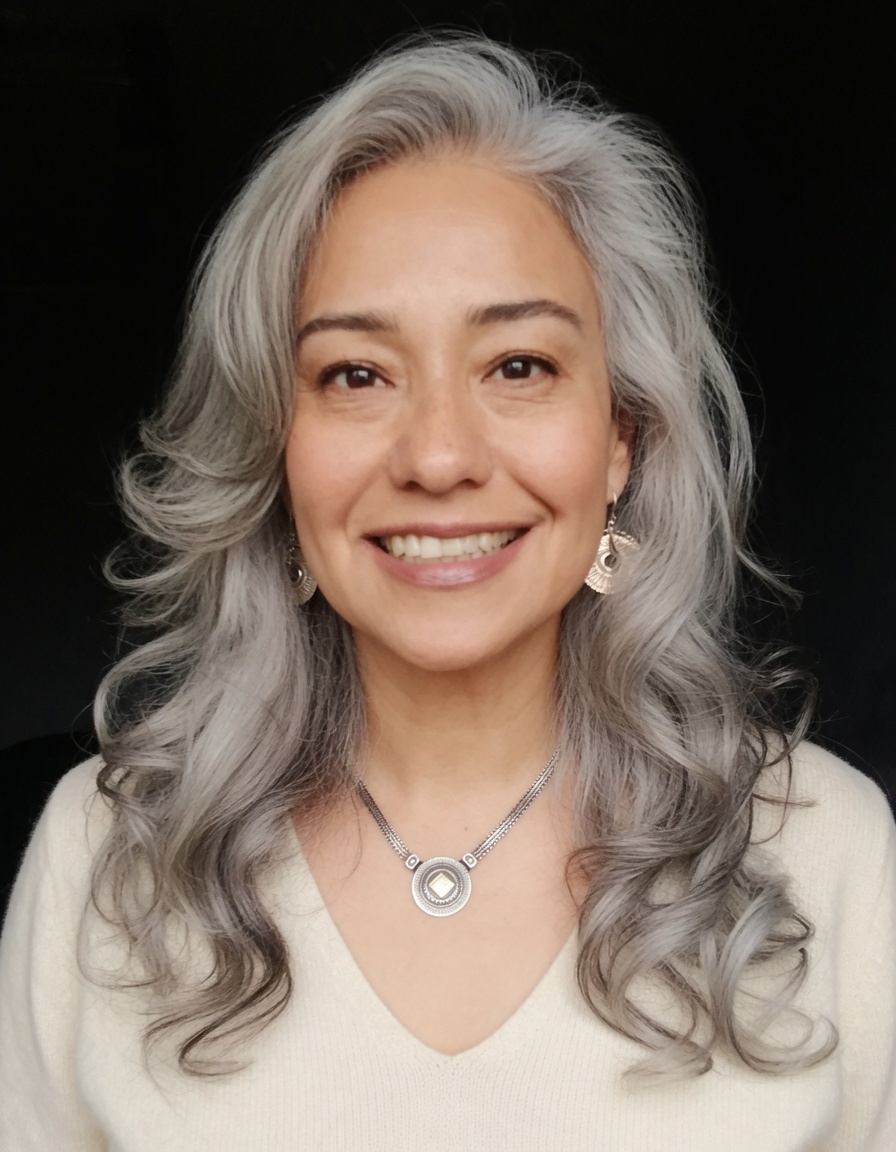
When hair is well cared for, gray often looks bright, refined, and elegant—not something to be embarrassed about. In fact, many style experts note that natural silver hair is increasingly seen as a marker of confidence and maturity.

Conclusion
Activated charcoal is widely used in skincare and hair products because it can bind to oil and residue. Its deep black color may temporarily coat gray strands and make them appear slightly darker, but it does not change the biological cause of gray hair. Its strongest value is in helping cleanse the scalp, remove buildup, and support healthier-looking hair.
For most people, consistent scalp care and healthy lifestyle habits are more reliable than chasing dramatic “miracle” fixes. Sometimes the best solution isn’t hiding gray hair—it’s helping it look clean, vibrant, and well maintained.
Frequently Asked Questions
Does activated charcoal permanently darken gray hair?
No. Any darkening effect is usually from charcoal particles sitting on the outside of the hair. Once you wash your hair, the effect typically fades or disappears.
Is activated charcoal safe for regular hair use?
When used occasionally, diluted properly, and rinsed thoroughly, charcoal-based products are generally considered safe for many people. However, overuse can be drying, and those with very dry, damaged, or chemically treated hair should be extra cautious and patch test first.