
Easing Knee Discomfort After 50: How Bone Broth May Help
That sharp stab in your knee when you get up after sitting too long can feel more intense after 50, turning everyday movements into reminders of what seems to be slipping away. Many people share this same frustration—avoiding stairs, thinking twice before playing with grandkids, or canceling walks and hikes because each step is met with stiffness and soreness. Quiet worries build: will this pain keep stealing joy from daily life and push you to the sidelines of activities that once felt effortless?
Amid these concerns, some people find that adding one simple, nourishing food to their routine offers gentle support for joint comfort and mobility. This guide explores why bone broth is becoming a popular daily ritual for knee support, what the science tentatively suggests, and practical ways to use it—without promising miracle cures.

The Often Overlooked Impact of Daily Knee Pain After 50
Knee discomfort caused by long-term wear and tear, frequently related to osteoarthritis, usually appears gradually. Over time, the smooth cartilage that cushions your joints thins, making once-fluid movement feel rough and strained. By later decades of life, research suggests that most adults experience some level of this joint change, leading to:
- Morning stiffness that takes longer to shake off
- Swelling and soreness after activity
- A constant, dull ache that can disrupt sleep and dampen mood
Carrying extra body weight or following a diet low in joint-supportive nutrients can make matters worse. Simple pleasures like walks, gardening, or light exercise can start to feel risky, and social plans are more easily skipped when pain is a constant companion.
Yet there is a hopeful angle. Everyday choices—such as sipping a warm mug of bone broth—may supply natural compounds that line up with your body’s joint support needs. Knee pain may still be part of your story, but it doesn’t have to control every chapter when simple, comforting habits are in place.
Why Bone Broth Is Gaining Attention for Knee and Cartilage Support
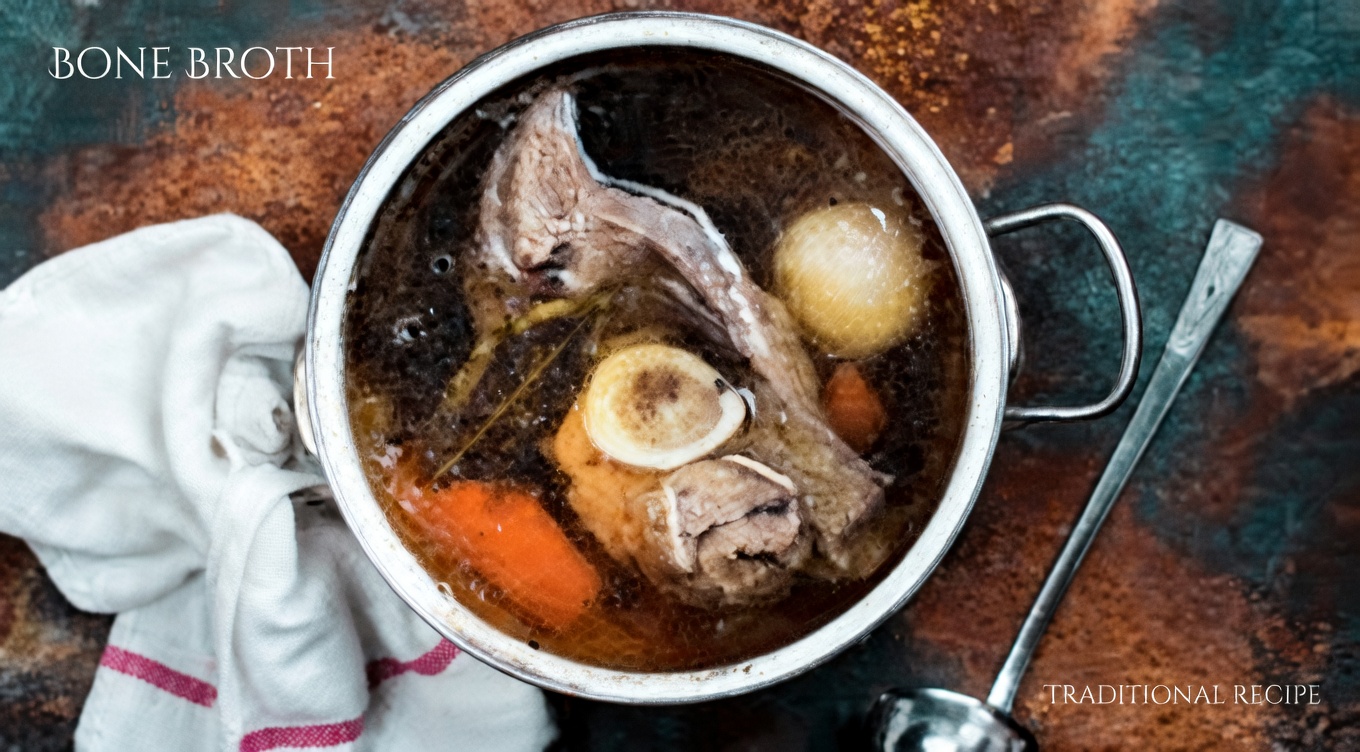
Bone broth is made by slowly simmering animal bones, cartilage, and connective tissues for many hours. During this long cooking process, gelatin, amino acids, and small amounts of minerals are released into the liquid—some of the same components found naturally in healthy joints.
Early research on collagen, gelatin, and related nutrients suggests they may help support cartilage integrity and everyday joint comfort, though results are mixed and vary from person to person. For many people over 50 who wince their way through ordinary tasks, bone broth offers a traditional, food-based approach that feels soothing and familiar rather than like taking medication.
The appeal is two-fold: bone broth delivers these compounds in a whole-food form and also offers warmth and hydration. For anyone who dreads those first stiff steps in the morning, starting the day with something that feels like self-care—not a chore—can be meaningful.
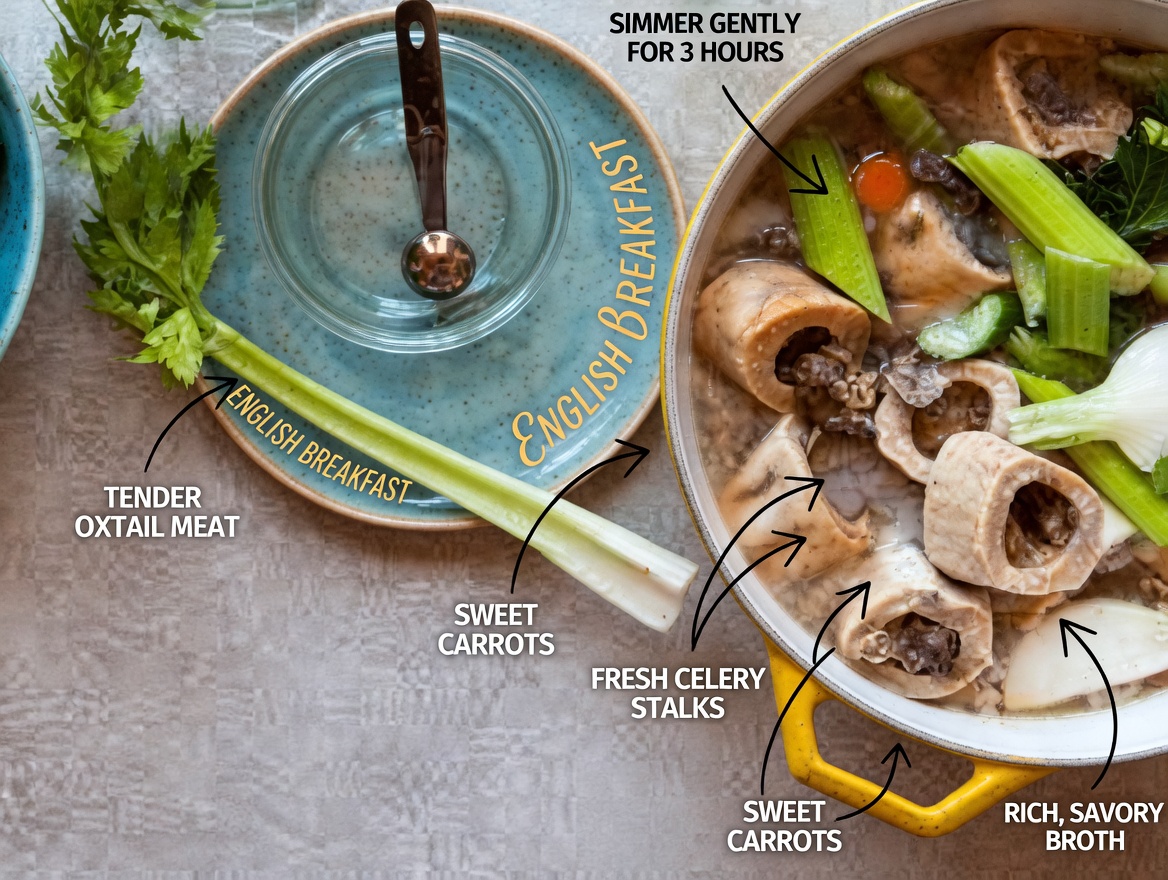
9 Ways Bone Broth May Gently Support Knee Comfort
1. Warmth and Hydration to Ease Morning Stiffness
When you are even mildly dehydrated, the fluid that lubricates your joints can become thicker, which may worsen that “locked-up” feeling first thing in the morning or after long periods of sitting. Bone broth, simmered long enough to concentrate electrolytes and minerals, offers a savory way to rehydrate while delivering steady warmth.
Nutrition research consistently connects adequate fluid intake to better joint function. People who drink bone broth regularly often report that their knees feel less resistant when they get moving.
Imagine wrapping your hands around a steaming mug, the warmth slowly relaxing tense tissues—a small but satisfying daily victory over creaky starts.
2. Amino Acids That Help Build Connective Tissue
Gelatin in bone broth is rich in amino acids such as glycine and proline. Your body uses these as raw materials to produce collagen, the primary structural protein in cartilage, ligaments, and tendons. Some studies on collagen supplements suggest they can help support joint resilience and flexibility, particularly in active and older adults, although effects can be modest and are not guaranteed.
For walkers, gardeners, or anyone over 50 who wants to keep knees cushioned against daily impact, this steady supply of building blocks may offer gentle support for the tissues that protect your joints.
3. Potential Anti-Inflammatory Support from Natural Compounds
Persistent, low-level inflammation is a key contributor to joint swelling and discomfort, especially in osteoarthritis. Certain amino acids in bone broth—particularly glycine—have shown potential in animal studies and early human research for modulating inflammatory responses.
While more robust studies are needed, some people notice their knees feel less aggravated after regularly incorporating bone broth into their routine. On days when your knees flare up after activity, an evening bowl can feel like a calming ritual that may help buffer tomorrow’s strain.
4. Minerals That May Help Maintain a Healthier Joint Environment
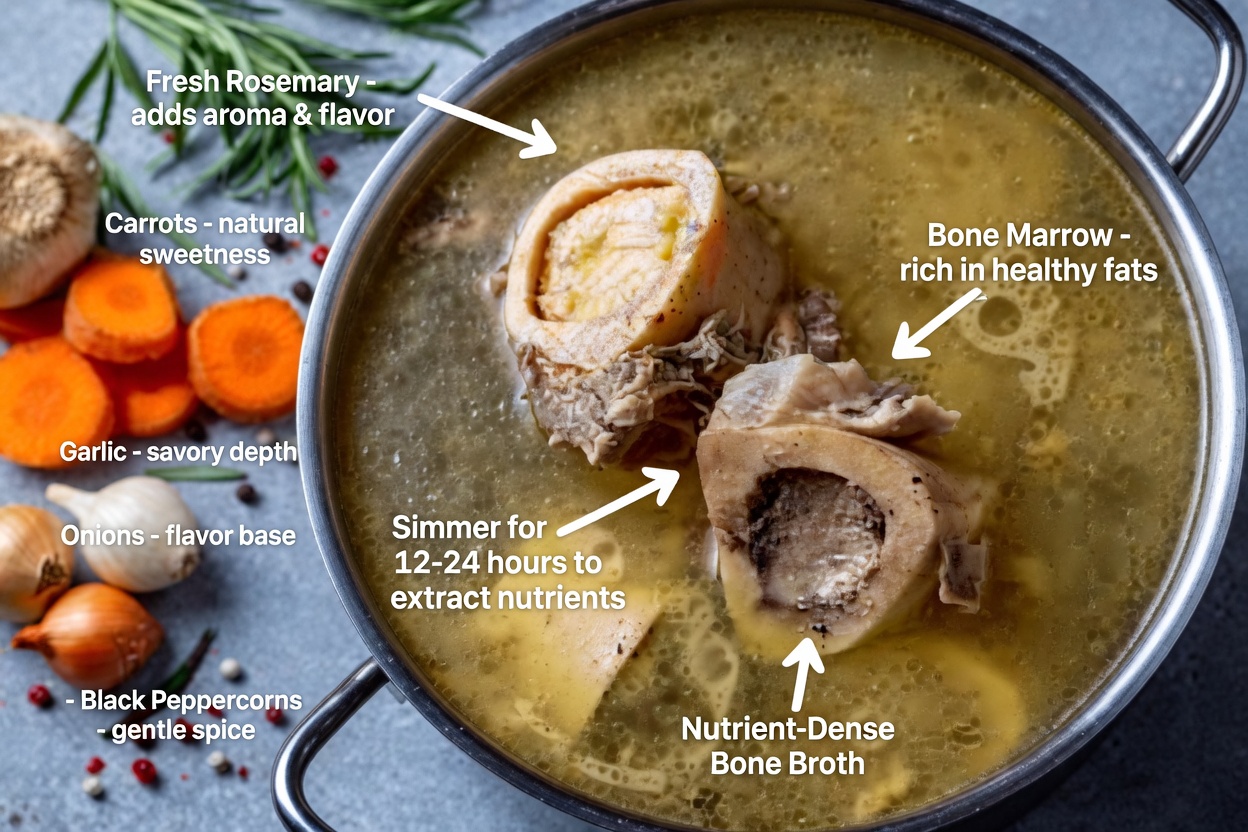
During slow simmering, bones release small amounts of minerals such as calcium, magnesium, phosphorus, and trace elements. These nutrients help support overall bone strength and the surrounding tissues.
Although bone broth alone won’t “rebuild” knees, its nutrient-dense profile may contribute to a more balanced internal environment. Some individuals report steadier energy and a softer edge to their discomfort when they drink mineral-rich broths consistently alongside a generally healthy diet.
5. Supporting the Gut–Joint Connection
Emerging research suggests a link between gut health, immune balance, and systemic inflammation—including in joints. When the gut barrier is compromised, inflammatory processes can be triggered more easily.
Components in bone broth, such as glutamine and gelatin, may help support a healthy gut lining, which can indirectly influence overall inflammatory load. Adding vegetables, herbs, and spices while cooking broth not only improves flavor but may further enhance its gut-friendly properties and, by extension, provide gentle support for joint comfort.
6. Gentle, Food-Based Nourishment Instead of High-Dose Supplements
Unlike single-ingredient supplements, bone broth delivers a wide range of nutrients in moderate, food-level amounts. For people hesitant about taking numerous pills for joint health, this can feel more natural and sustainable.
Compounds often discussed in joint support—like glucosamine, chondroitin, and collagen fragments—are naturally present in the connective tissues used to make bone broth. While most of the evidence for these nutrients comes from supplement studies and results are still evolving, bone broth offers them in a slow-and-steady dietary form.
7. A Daily Ritual That Encourages Movement
Consistency is key for joint care. Many people find that committing to one cup of bone broth per day becomes an “anchor habit”—a small, positive routine that makes it easier to build other healthy behaviors around it, such as stretching or a daily walk.
Active older adults and seniors often describe feeling a subtle improvement in stride, comfort, and confidence after making bone broth a regular part of their lifestyle, even if changes unfold gradually.
8. Works Well Alongside Exercise and Other Healthy Choices
Studies on collagen and related nutrients frequently note better outcomes when they are combined with physical activity. Bone broth by itself will not solve knee pain, but when paired with low-impact exercise (like walking, swimming, or gentle strength training), it may help support the tissues that are being challenged and strengthened.
The hydration, amino acids, and minerals in broth can complement your efforts, potentially reducing stiffness or soreness after movement and encouraging you to stay active.
9. Emotional Comfort from a Soothing Tradition
Beyond nutrients and science, there is emotional value in the simple act of sipping something warm and homemade. For many, bone broth evokes memories of family kitchens and comforting meals, bringing a sense of care and normalcy during a time when pain may feel isolating.
As the weeks pass, some people notice not only physical benefits but also a lift in mood and renewed enjoyment of movement, tied to this small, nurturing ritual.
Key Nutrients in Bone Broth and Their Possible Joint Roles
Bone broth’s appeal lies in its natural nutrient combination, which may support joint health as part of a larger, balanced diet:
- Collagen / Gelatin → Help support the structure of cartilage, ligaments, and connective tissue. Pair with vitamin C–rich foods (like citrus or bell peppers) to assist natural collagen formation.
- Glucosamine & Chondroitin → Naturally found in cartilage and connective tissues; may help maintain cartilage and support joint cushioning in some individuals.
- Amino Acids (Glycine, Proline, Glutamine) → Provide building blocks for repair and maintenance of connective tissues; may also support gut integrity and overall recovery.
- Minerals (Calcium, Magnesium, Phosphorus, Trace Minerals) → Contribute to bone strength, muscle function, and a balanced joint environment.
For many people, this “real food” profile feels more approachable for long-term use than high-dose, isolated supplements.
Simple Ways to Add Bone Broth to Your Daily Routine
You do not have to overhaul your entire diet to benefit from bone broth. These small, practical ideas make it easy to incorporate:
-
Morning Warm-Up
Sip a warm cup of bone broth with herbs or a squeeze of lemon to gently wake your joints and hydrate after sleep. -
Midday Lunch Base
Use bone broth as the foundation for soups or stews packed with vegetables, beans, or whole grains to keep meals satisfying and nutrient-dense. -
Evening Wind-Down
Enjoy a simple mug of broth before bed instead of a heavy snack. Many people find it relaxing and comforting. -
Afternoon Swap for Coffee or Tea
Replace one caffeinated drink with a savory cup of bone broth to reduce jitters while still enjoying something warm and satisfying. -
Flavor Booster for Meals
Use bone broth to cook rice, quinoa, or other grains, or stir it into sauces and gravies for extra depth and nutrition.
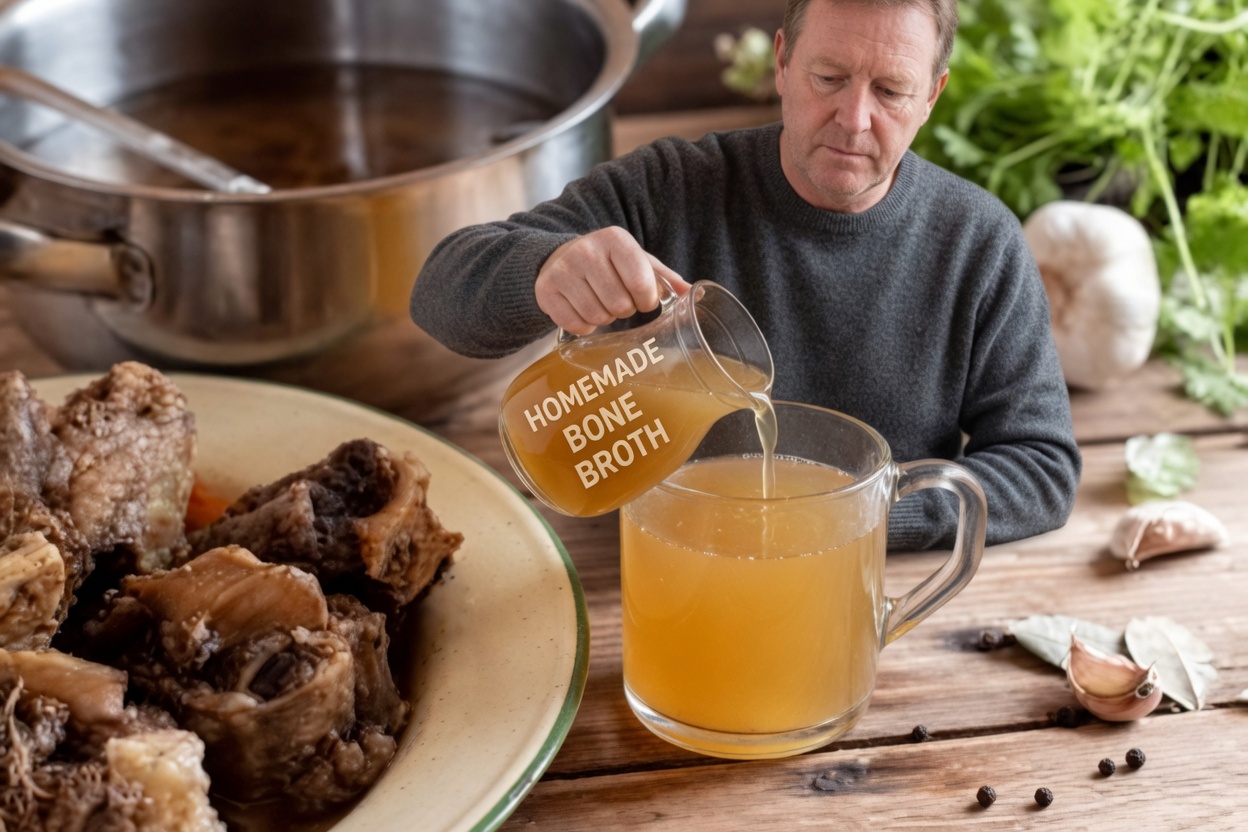
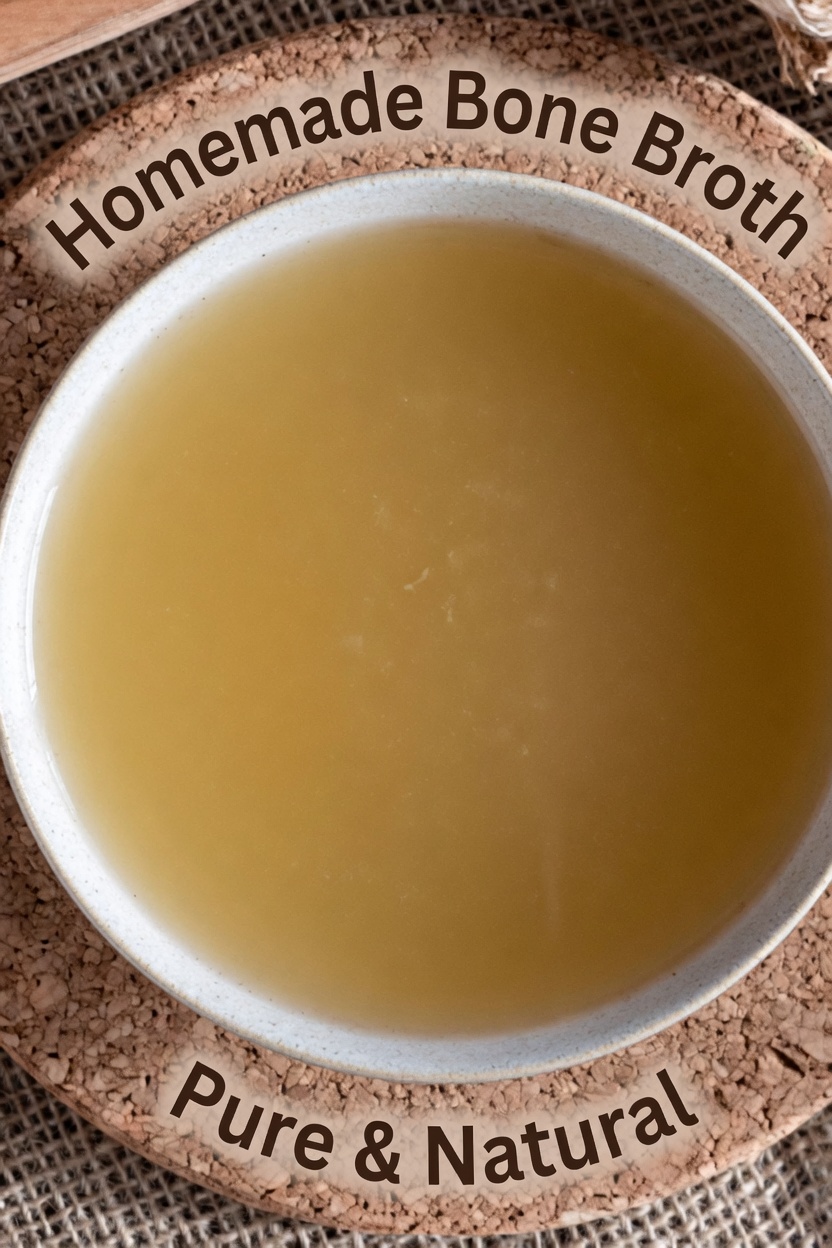
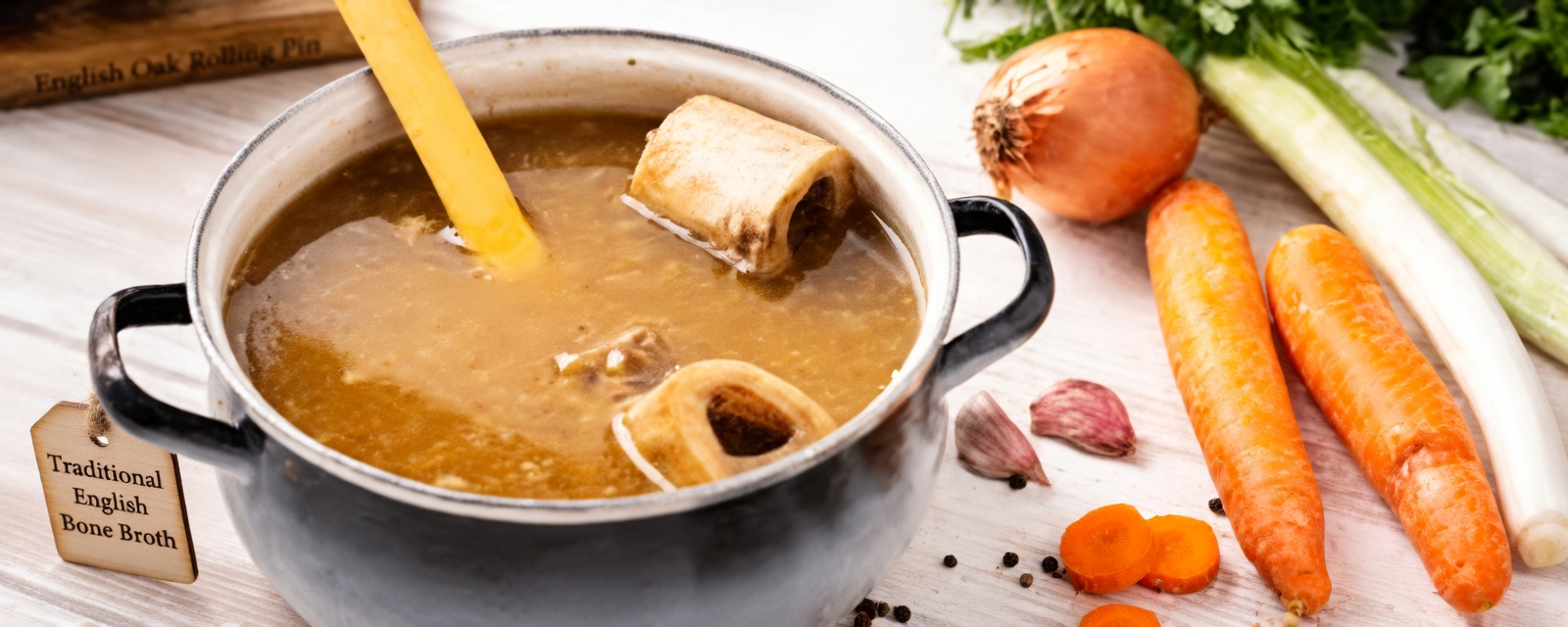
For homemade broth, simmer chicken, beef, or other animal bones with a splash of vinegar (to help draw minerals out) for 12–24 hours, adding vegetables and herbs for flavor. Store in the fridge for up to 5 days or freeze in portions for convenience.
If you prefer store-bought options, look for:
- Low-sodium or no-salt-added varieties
- Products made from real bones (often indicated on the label)
- Minimal additives and simple, recognizable ingredients
Safe Starting Tips for Regular Bone Broth Use
To introduce bone broth gently and safely:
- Start with about ½ cup per day, especially if your digestion is sensitive.
- Increase gradually to 1–2 cups per day, if comfortable and desired.
- Choose bones from reputable sources, ideally grass-fed or pasture-raised when possible.
- Refrigerate broth within a few hours of cooking and use within a few days, or freeze for longer storage.
- If you have kidney issues, salt-sensitive blood pressure, or specific digestive or medical conditions, talk with your healthcare provider before making bone broth a daily habit.
Bone broth is generally well tolerated, but paying attention to your body’s response is essential.
Complementary Foods That Can Enhance Joint Support
Bone broth works best as part of a broader joint-friendly lifestyle. Pair it with foods known to support overall inflammation balance and tissue health:
- Fatty fish (such as salmon, sardines, mackerel) for omega-3 fats that may help calm inflammation
- Leafy greens (kale, spinach, Swiss chard) for antioxidants, vitamins, and fiber
- Berries (blueberries, strawberries, raspberries) for protective plant compounds and vitamin C
- Turmeric (in teas, lattes, or curries), ideally combined with black pepper to aid absorption
- Nuts and seeds (almonds, walnuts, chia, flax) for healthy fats and micronutrients
- Olive oil as a primary cooking and salad oil for its anti-inflammatory profile
- Citrus fruits (oranges, lemons, grapefruits) to provide vitamin C that supports collagen production
Choose one or two of these to enjoy alongside your daily broth and build a varied, supportive menu over time.
Final Thoughts: Embracing Bone Broth as One Tool for Knee Comfort
Incorporating bone broth into your routine will not magically erase knee pain or reverse years of wear and tear. However, it can be a meaningful, realistic step—a warm, nutrient-rich habit that supports your body while you also focus on movement, weight management, and overall nutrition.
For many people over 50, bone broth becomes more than just a drink. It is a small daily act of care, a reminder that you are doing something kind for your joints and your whole self. Combined with guidance from your healthcare team and consistent, gentle activity, this simple tradition may help you stay more mobile, more engaged, and more present in the moments that matter—one comforting cup at a time.