A Quiet Concern Many Women Share (But Rarely Say Out Loud)
One morning, a woman in her late 40s shared something many women experience privately. She felt uncomfortable buying extra sanitary products because her menstrual flow had abruptly become much heavier. She eats well, walks daily, and avoids fast food—so she couldn’t stop wondering what she had done “wrong.”
The reality is that unexpected body changes can leave anyone feeling confused, embarrassed, or even ashamed. Yet there’s an important truth many people don’t hear often enough: uterine fibroids can develop even in women with very healthy lifestyles. Before you finish this article, you’ll also learn about a simple, commonly overlooked daily habit that may help support hormonal balance.
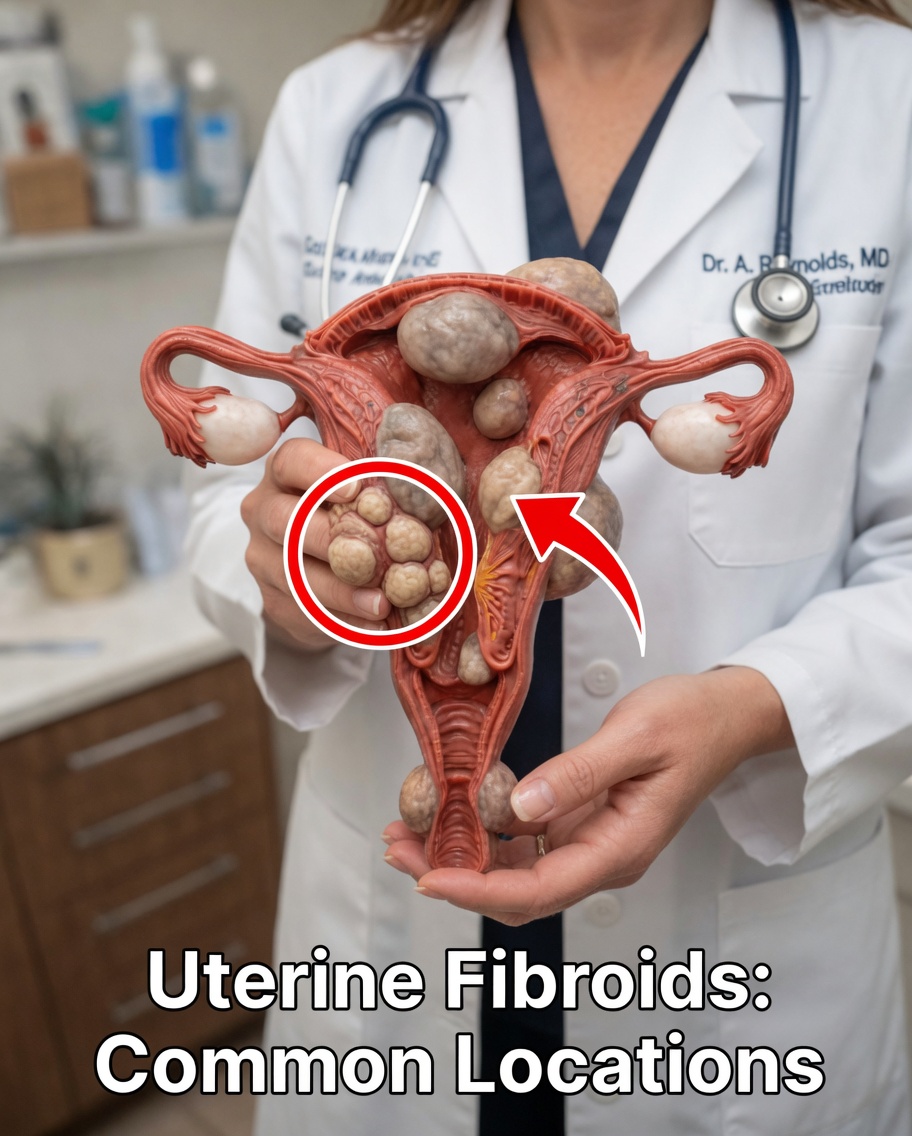
What Are Fibroids—and Why They’re Easy to Miss at First
Fibroids are noncancerous growths made of muscle-like tissue that develop in or around the uterus. Clinically, they’re also known as uterine leiomyomas.
What many women don’t realize is this:
- Some fibroids stay small for years and cause no obvious symptoms.
- Others gradually grow and may lead to changes such as:
- heavier menstrual bleeding
- pelvic pressure or fullness
- more frequent urination
- mild lower back discomfort
- longer menstrual cycles
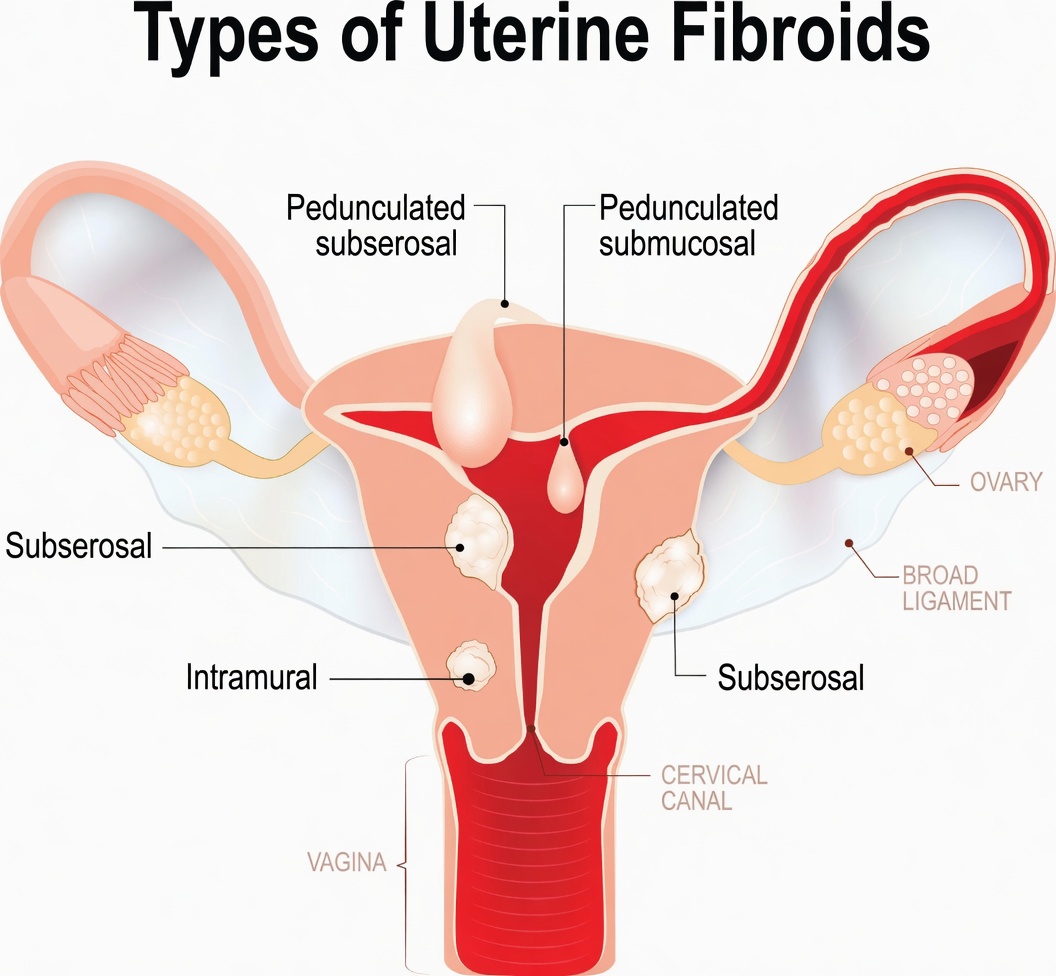
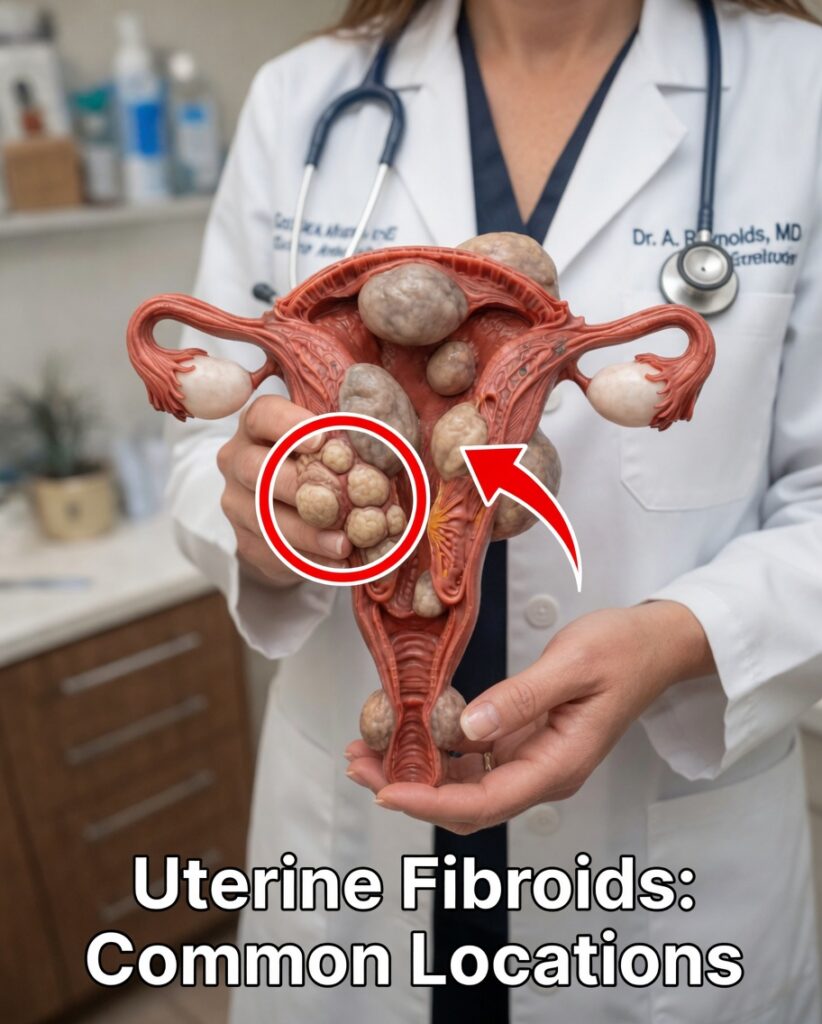
Fibroids can also form in different parts of the uterus, which influences the symptoms they trigger.
Common Fibroid Types and Where They Grow
- Intramural fibroids: develop within the uterine wall and may cause the uterus to enlarge
- Subserosal fibroids: grow on the outer surface of the uterus and can press on nearby organs
- Submucosal fibroids: form inside the uterine cavity and are often associated with heavier bleeding
Here’s the part that surprises many women: fibroids are frequently discovered by accident—during a routine pelvic exam, ultrasound, or standard gynecological visit.
Which raises a common question:
Why Do Fibroids Happen Even When Someone Lives “Healthy”?
Many people assume fibroids are mainly caused by diet or lifestyle choices. In reality, fibroid development is influenced by several biological and environmental factors—and not all of them are under your control.
The Real Reasons Fibroids Can Develop
Hormones Are a Key Driver
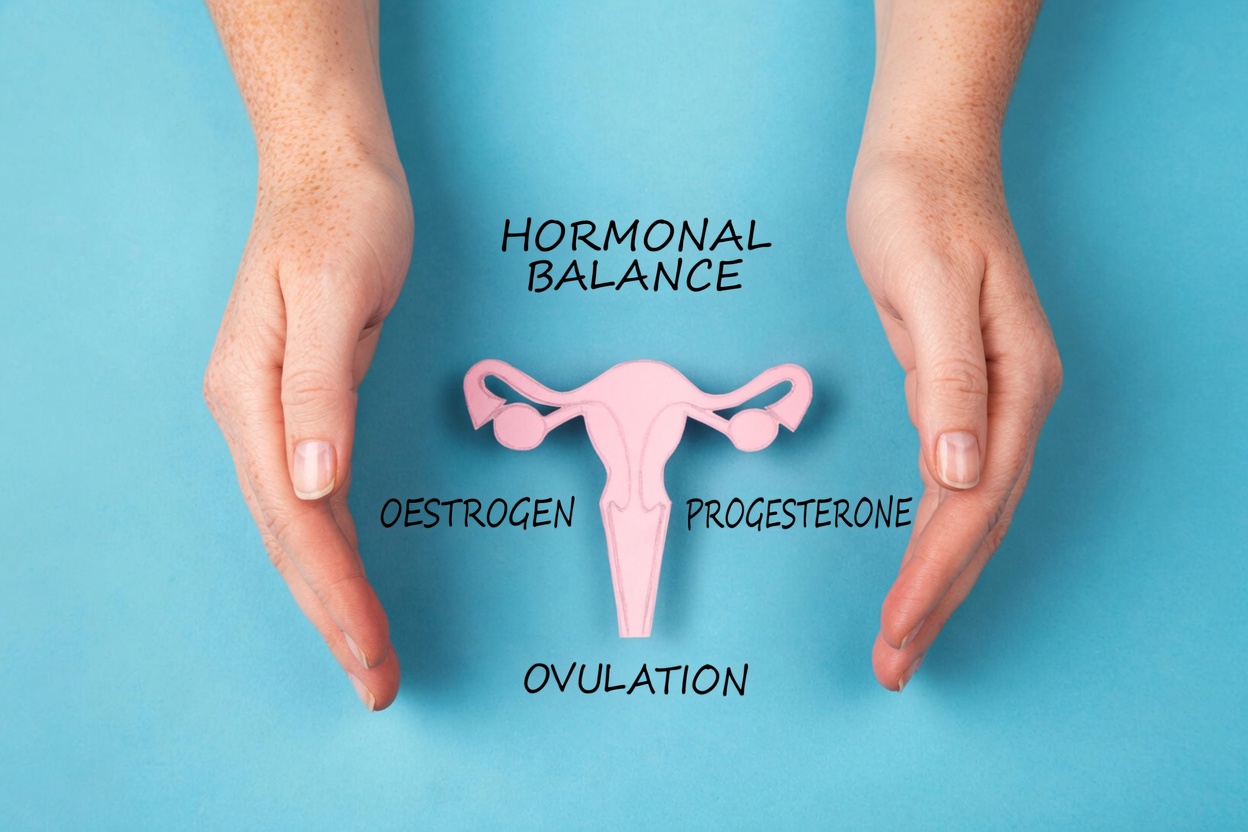
Fibroids are highly responsive to two major reproductive hormones:
- Estrogen
- Progesterone
These hormones help manage the menstrual cycle, but they can also affect how fibroid cells grow. This helps explain why fibroids:
- often appear during reproductive years
- may grow during pregnancy
- commonly shrink after menopause
Even relatively small hormonal shifts may influence fibroid growth in certain women.
Genetics and Family History
Your family history can matter. If your mother or sister has had fibroids, your risk may be higher.
Researchers have identified genetic patterns that may make uterine muscle tissue more likely to form fibroids under the right conditions.
Body Weight, Estrogen, and Insulin
This surprises many patients: fat tissue can produce additional estrogen, which may encourage fibroid growth in some cases.
In addition, insulin resistance may play a role. When insulin levels stay elevated, they can stimulate cell activity—including in fibroid tissue.
Environmental Exposure (Endocrine Disruptors)
Everyday life can involve exposure to endocrine-disrupting chemicals, which may interfere with hormone balance. These can show up in:
- certain plastics
- some cosmetics and personal care products
- processed food packaging
Lifestyle still matters here—because daily habits can influence inflammation and how your body processes hormones.

Foods That May Influence Fibroid Growth
Diet does not “cause” fibroids on its own, but it can affect inflammation and hormone metabolism, which may influence symptoms and overall reproductive health.
Some foods, especially when eaten frequently, may contribute to hormonal imbalance or higher inflammation, such as:
- processed meats
- fried foods
- refined sugar
- white flour products
- excessive alcohol
The good news: many foods are associated with better overall hormonal support and reproductive wellness.
Research often highlights:
- leafy greens (spinach, kale)
- antioxidant-rich berries
- flaxseeds (a source of lignans)
- whole grains
- beans and lentils
- green tea (rich in protective plant compounds)
A plant-forward diet may help support hormonal balance and reduce inflammation.
And there’s another important factor many women overlook: the organ that helps process and clear hormones from the body.
The Overlooked Organ That Helps Regulate Hormones: The Liver
The liver plays a central role in metabolizing and eliminating excess hormones. When liver function is supported through healthy habits, hormonal regulation may be more efficient.

Daily Habits That May Help Support Hormonal Balance
Fibroids can’t always be prevented, but many women find it empowering to focus on habits that support hormonal health and symptom awareness.
1) Maintain a Balanced Weight
Even modest weight management may help regulate estrogen levels. Practical habits include:
- consistent walking or light cardio
- gentle strength training
- meals rich in fiber and protein
2) Support Healthy Liver Function
Habits commonly linked with better hormone metabolism include:
- drinking adequate water
- eating fiber-rich foods
- adding cruciferous vegetables (broccoli, cabbage)
These vegetables contain natural compounds associated with hormone processing support.
3) Reduce Ongoing Inflammation
Inflammation is connected to many chronic health concerns. Helpful strategies include:
- prioritizing quality sleep
- managing everyday stress
- eating omega-3-rich foods (fatty fish, flaxseeds)
4) Don’t Ignore Early Body Signals
Many women dismiss heavy periods as “normal,” especially if the change happens slowly. However, persistent shifts deserve attention.
Watch for:
- unusually heavy bleeding
- pelvic discomfort
- ongoing lower abdominal pressure
Early evaluation can expand your options for monitoring and management.
When to Talk to a Doctor
Fibroids are common, but some symptoms should be checked promptly. Consider speaking with a healthcare professional if you experience:
- bleeding between periods
- extremely heavy menstrual bleeding
- pelvic pain that disrupts daily life
- difficulty becoming pregnant
Depending on your situation, a doctor may recommend monitoring, medication, or minimally invasive procedures. The most valuable step is early awareness, which often leads to clearer decisions and greater peace of mind.
Final Thoughts
Having fibroids does not mean you did anything wrong. Hormones, genetics, body composition, and environmental exposures can all contribute—so even women who eat well and stay active may still develop them.
Still, knowledge is powerful. A balanced diet, supportive daily habits, and regular checkups can help you stay informed and protect long-term reproductive health. Sometimes the simplest habit—paying attention to early changes in your body—can make the biggest difference.
Frequently Asked Questions
Can fibroids develop even if I’m healthy?
Yes. Many women with healthy diets and active lifestyles still develop fibroids. Hormones and genetics can be stronger factors than lifestyle alone.
Do fibroids always cause symptoms?
No. Many fibroids cause no noticeable symptoms and are found during routine pelvic exams or ultrasounds.
Can diet reduce fibroid symptoms?
Diet can’t guarantee shrinking fibroids, but eating more vegetables, whole grains, and antioxidant-rich foods may support hormone balance and overall wellness.