A Sudden Lump on Your Grandmother’s Wrist: What It Could Mean (and When to Worry)
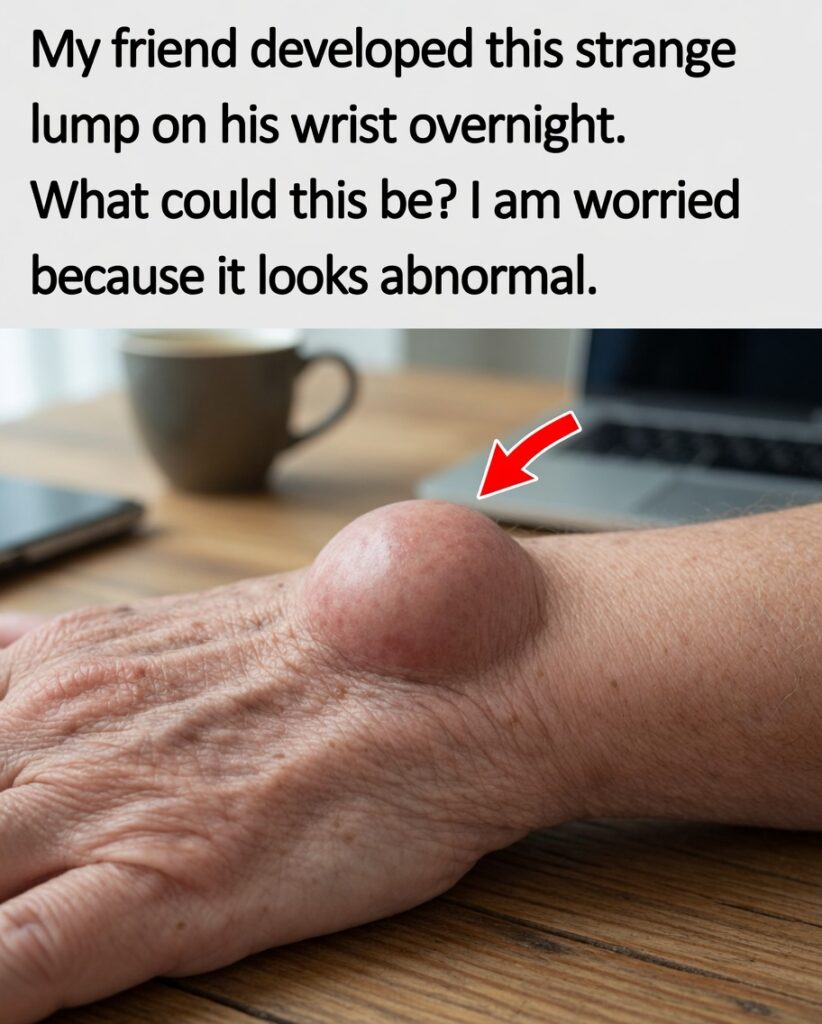
Last night, everything looked completely normal. Then this morning—while helping your grandmother pour coffee—you notice a small bump on her wrist. It looks new, a bit strange, and instantly unsettling. When a change seems to appear out of nowhere, it’s easy for worry to take over, and even an ordinary moment can feel tense.
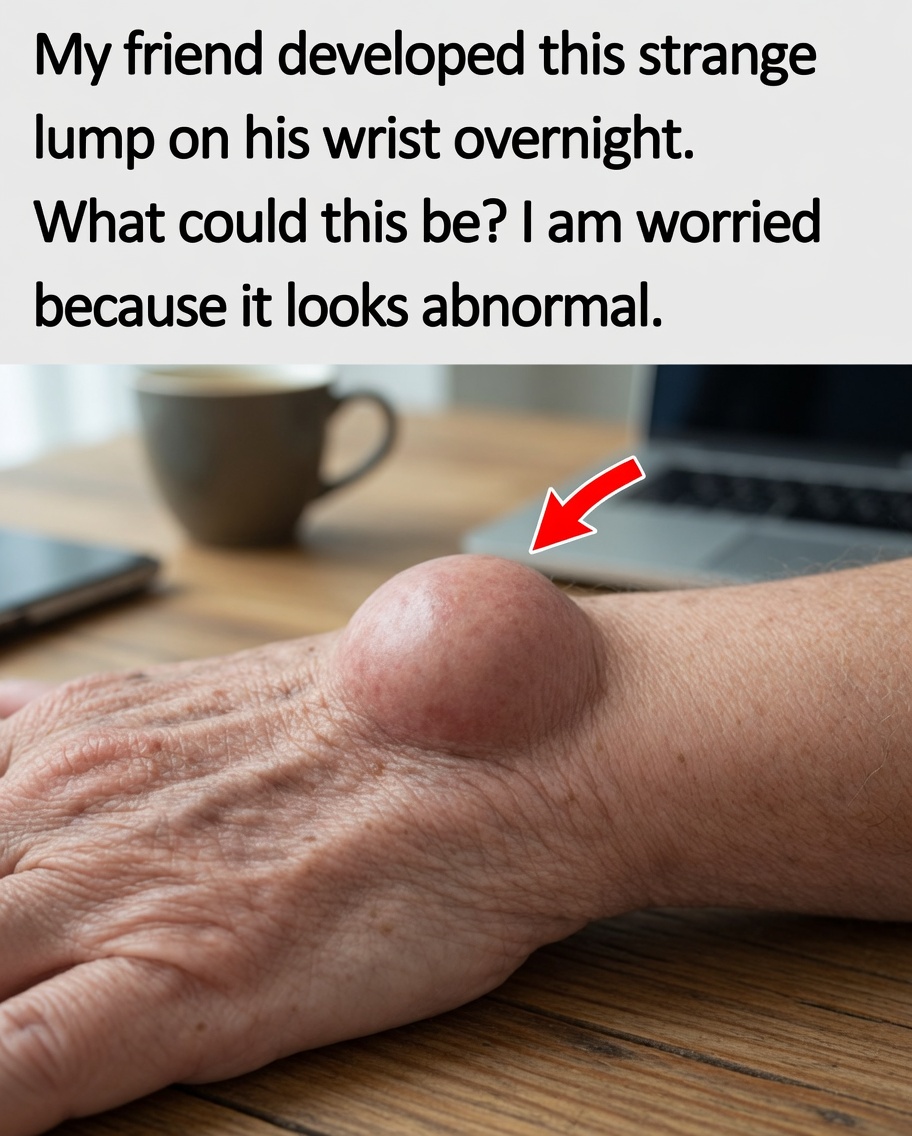
Here’s what many families learn after the initial fear passes: a new wrist lump is not automatically dangerous. In older adults, some of the most frequent causes are conditions doctors see routinely. And by the end of this article, you’ll know the simple first clue clinicians often check to help explain a “mysterious” wrist bump.
Why a New Wrist Lump Can Feel So Scary
A sudden, visible change on the body often triggers worst-case thinking—and that reaction is completely human.
The wrist is especially alarming because the skin is thin, the joint is always moving, and there are many small structures packed into a tight space. Even a small swelling under the skin can become obvious quickly.
Common reasons people feel anxious include:
- The lump wasn’t there yesterday
- It looks rounded or oddly shaped
- It feels firm to the touch
- The area seems tight, sensitive, or uncomfortable
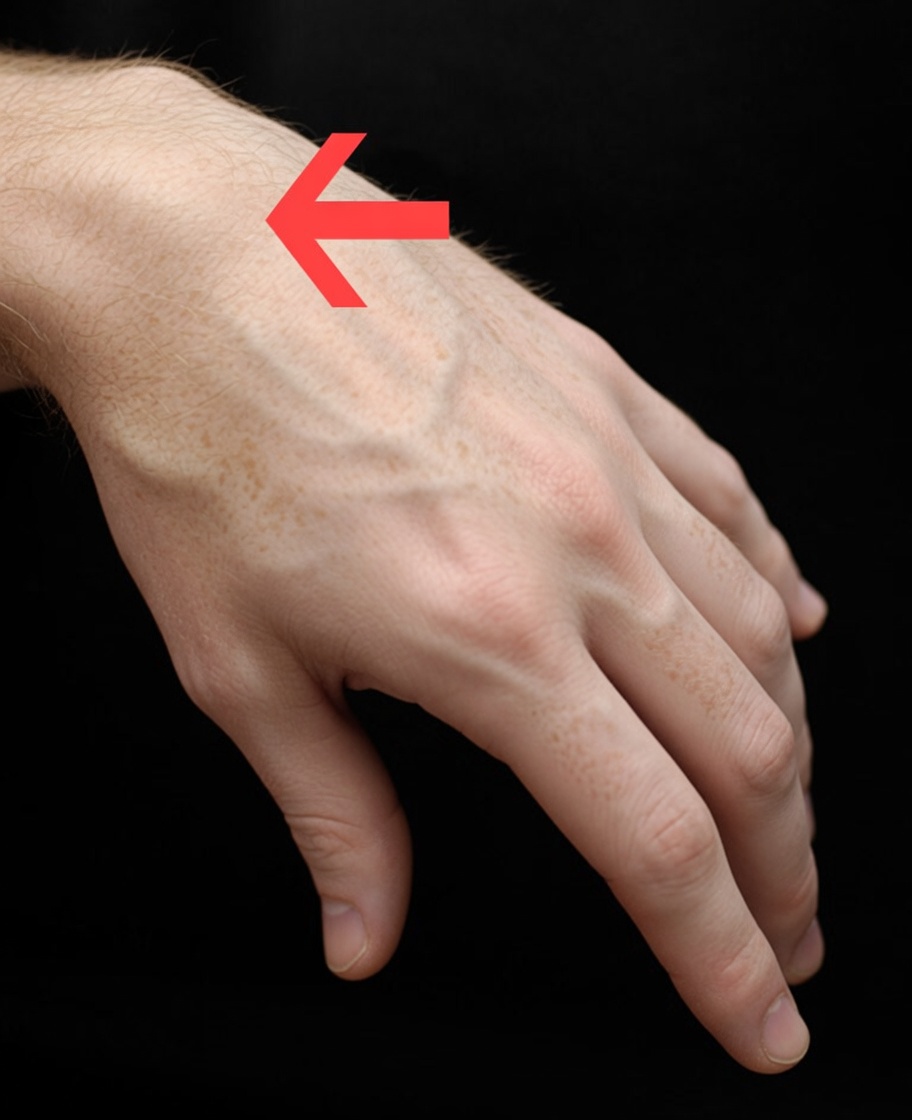
Many people don’t realize the wrist contains multiple small joints, tendons, and fluid-containing spaces. Because of this, fluid can sometimes collect and create a noticeable bump.
One of the most common explanations is a ganglion cyst—but it’s not the only possibility.
What a Ganglion Cyst Actually Is
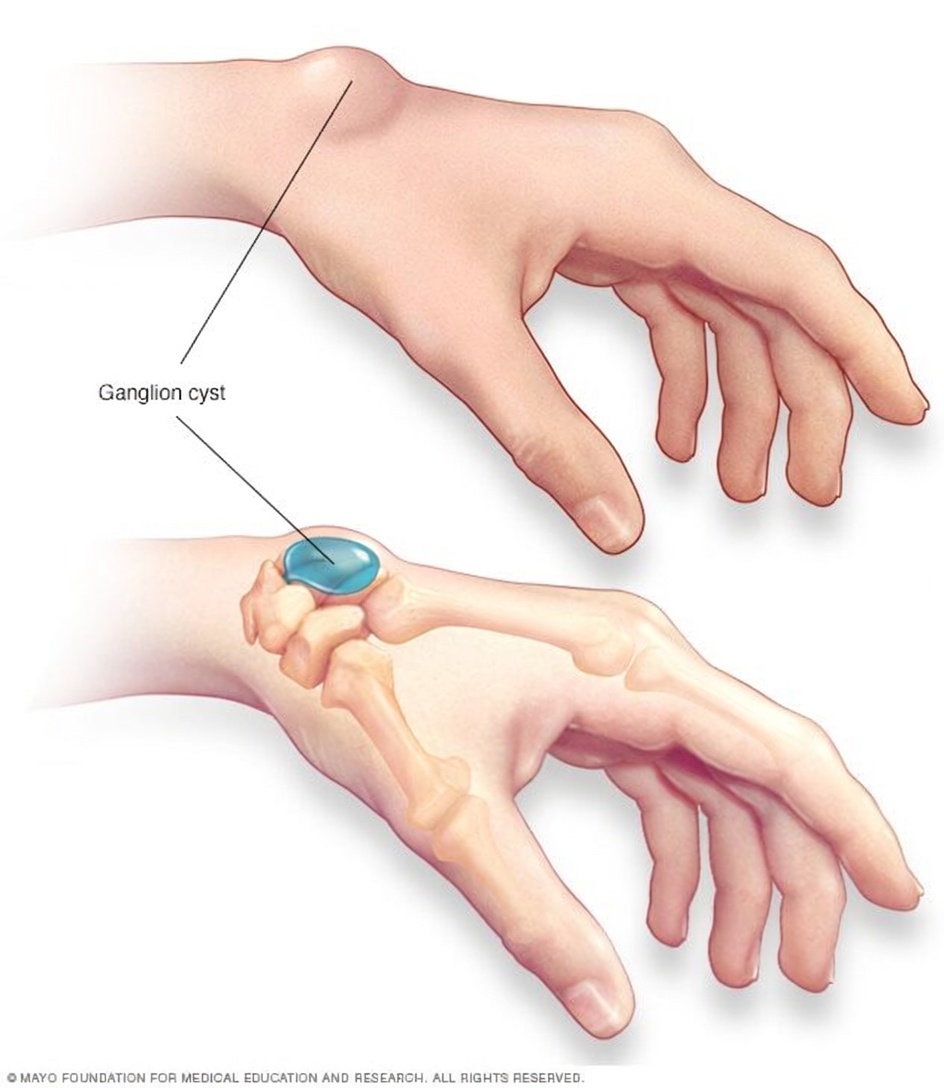
A ganglion cyst is among the top causes of a lump on the wrist.
It’s a small sac filled with thick, jelly-like fluid that forms near a joint or along a tendon sheath. Most appear on the back of the wrist, though some develop on the palm side as well. Orthopedic literature often notes that ganglion cysts make up a large share of wrist lumps evaluated in clinics.
Doctors typically recognize them by features such as:
- A round or oval-shaped bump
- A smooth surface beneath normal-looking skin
- Size ranging from a pea to a grape
- A firm, rubbery, or slightly spongy feel
- Size that can increase or decrease over time
Many people have no pain at all. Others notice pressure or aching, especially with wrist motion or activity.
A key detail that surprises families: ganglion cysts can become noticeable very quickly, making it seem like they appeared overnight.
Clues That the Lump May Be a Ganglion Cyst
Clinicians often start with simple, practical observations before ordering tests.
Signs that commonly point toward a ganglion cyst include:
- The bump shifts slightly when pressed (it may feel somewhat mobile)
- It becomes more prominent when the wrist bends or the joint is stressed
- The skin over it looks normal (no rash, wound, or major discoloration)
- It may appear larger after activity and smaller with rest
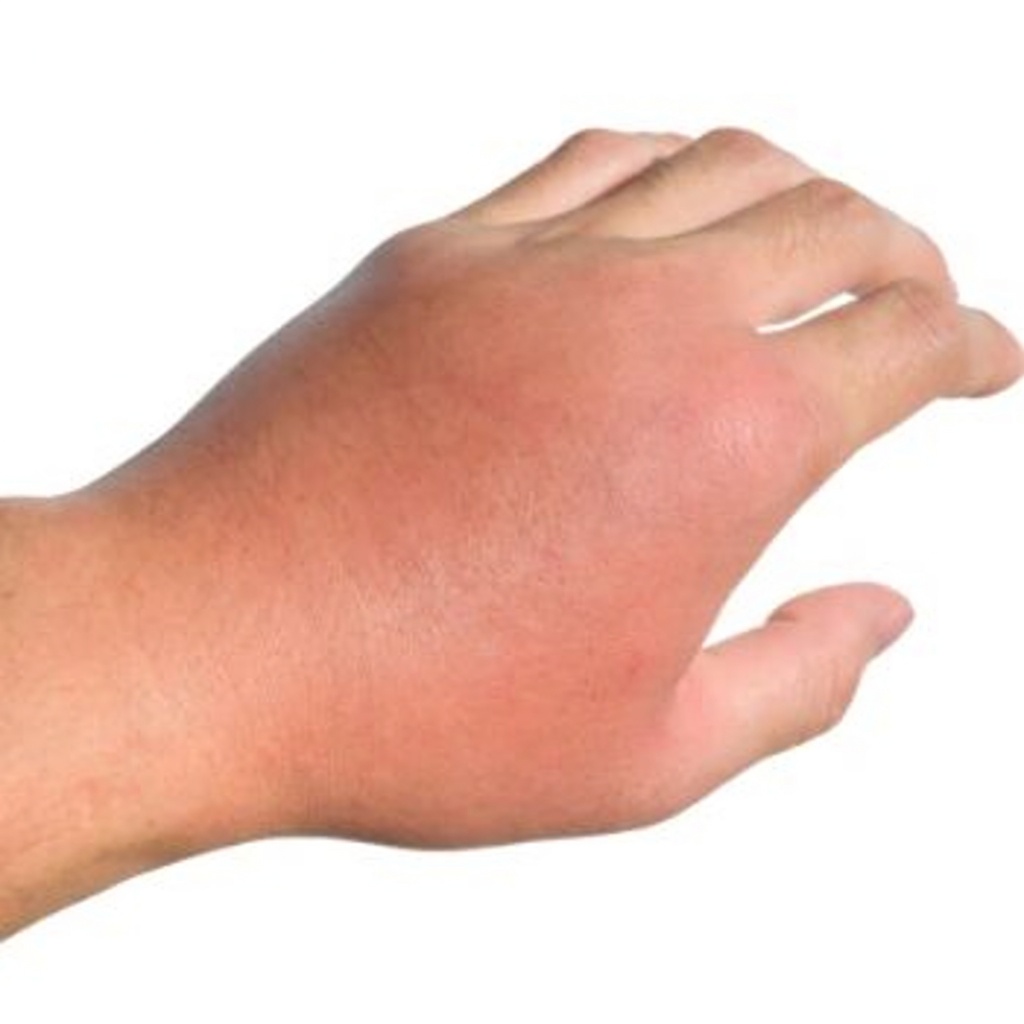
Some ganglion cysts even shrink on their own without any treatment.
However, location matters. If the cyst presses on a nearby nerve, it can lead to:
- Tingling sensations
- Mild to moderate pain
- Weaker grip strength or discomfort when holding objects
That’s why changes in symptoms should prompt a medical review.

Other Possible Causes of a Wrist Lump
Although ganglion cysts are common, doctors also consider other explanations—especially in older adults.
Possible alternatives include:
- Lipoma: a soft, fatty lump under the skin
- Bone spur: a hard bony overgrowth often linked to long-term joint wear
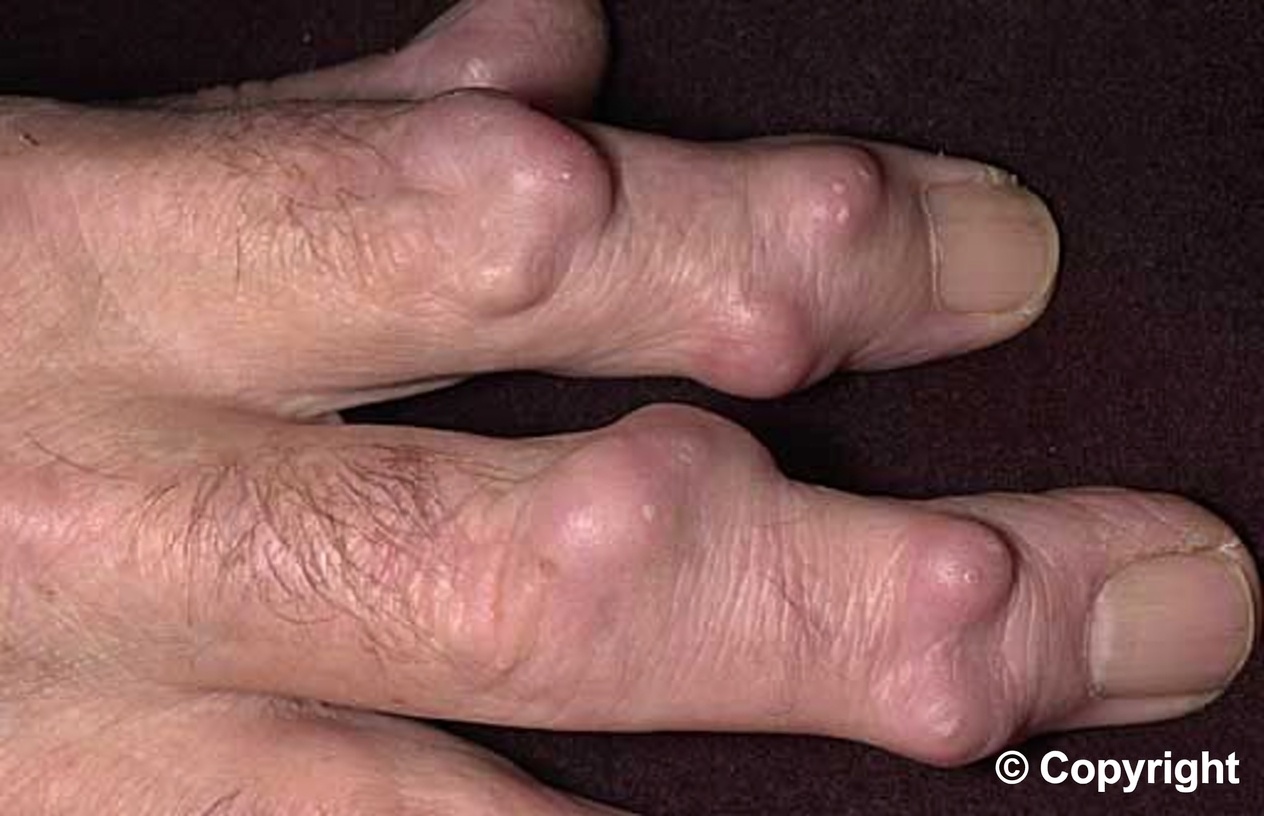
- Rheumatoid nodules: firm lumps associated with certain inflammatory arthritis conditions
- Localized infection: swelling caused by irritation or bacterial infection in tissue
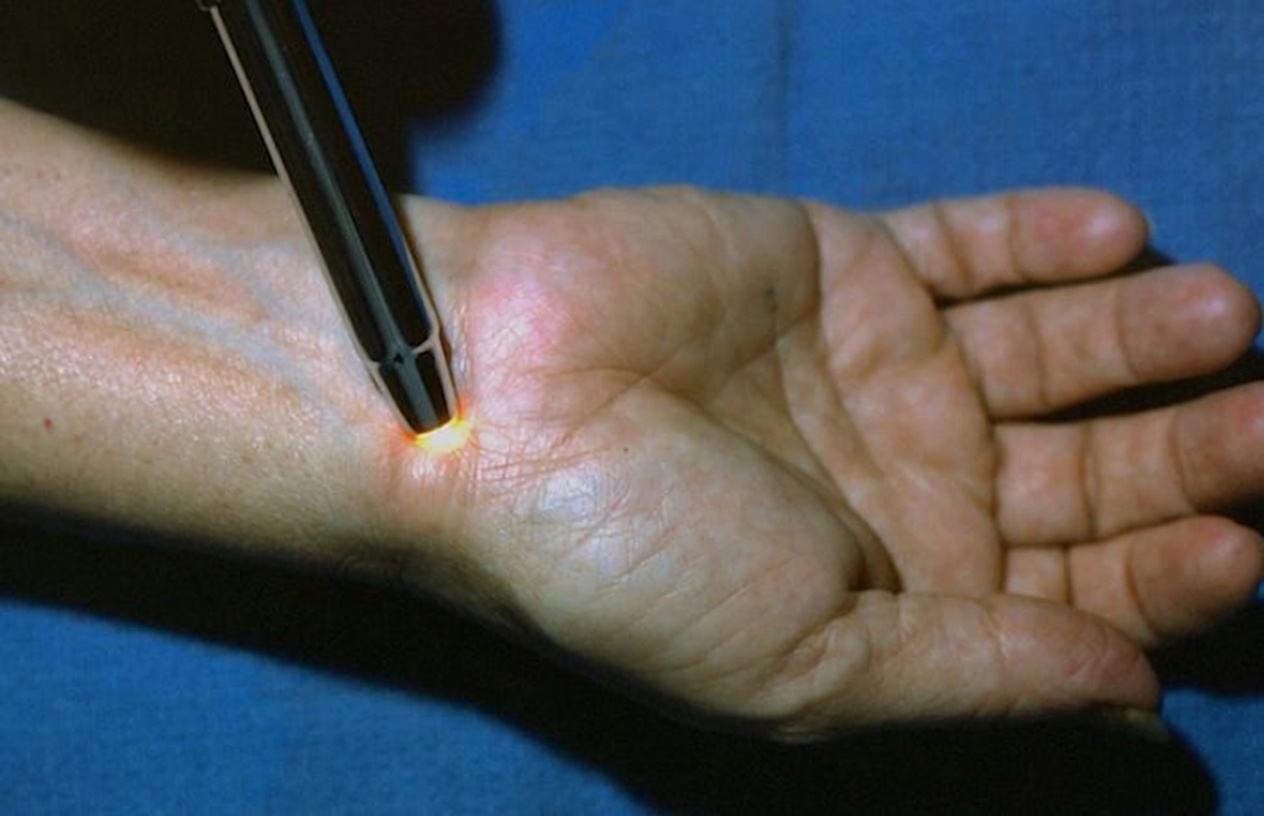
Quick Comparison of Common Wrist Lumps
-
Ganglion cyst
- Texture: firm or rubbery
- Pain: usually mild (can vary)
- Growth speed: can change size, sometimes quickly
-
Lipoma
- Texture: soft
- Pain: rare
- Growth speed: slow
-
Bone spur
- Texture: hard
- Pain: sometimes painful
- Growth speed: slow
-
Infection
- Texture: tender, swollen
- Pain: often painful
- Growth speed: faster
This leads to the most important question: When should you be concerned enough to seek care right away?
Warning Signs That Need Medical Attention
Most wrist bumps are not emergencies. Still, certain symptoms should not be ignored.
Arrange prompt medical evaluation if the lump comes with:
- Severe pain
- Redness, heat, or warmth over the area
- Fever
- Rapid growth
- Numbness or tingling in the fingers
- Trouble moving the hand or wrist normally
These signs can suggest infection, nerve compression, or other problems that benefit from early treatment. Clinicians generally prefer evaluating changes sooner rather than later.

How Doctors Check a Wrist Lump
In a clinic visit, evaluation usually begins with a physical exam. The provider may:
- Press gently on the lump
- Move the wrist to see how the bump changes with motion
- Ask about recent activity, injury, pain, or numbness
If needed, they may order tests such as:
- X-ray to assess bone and joint changes
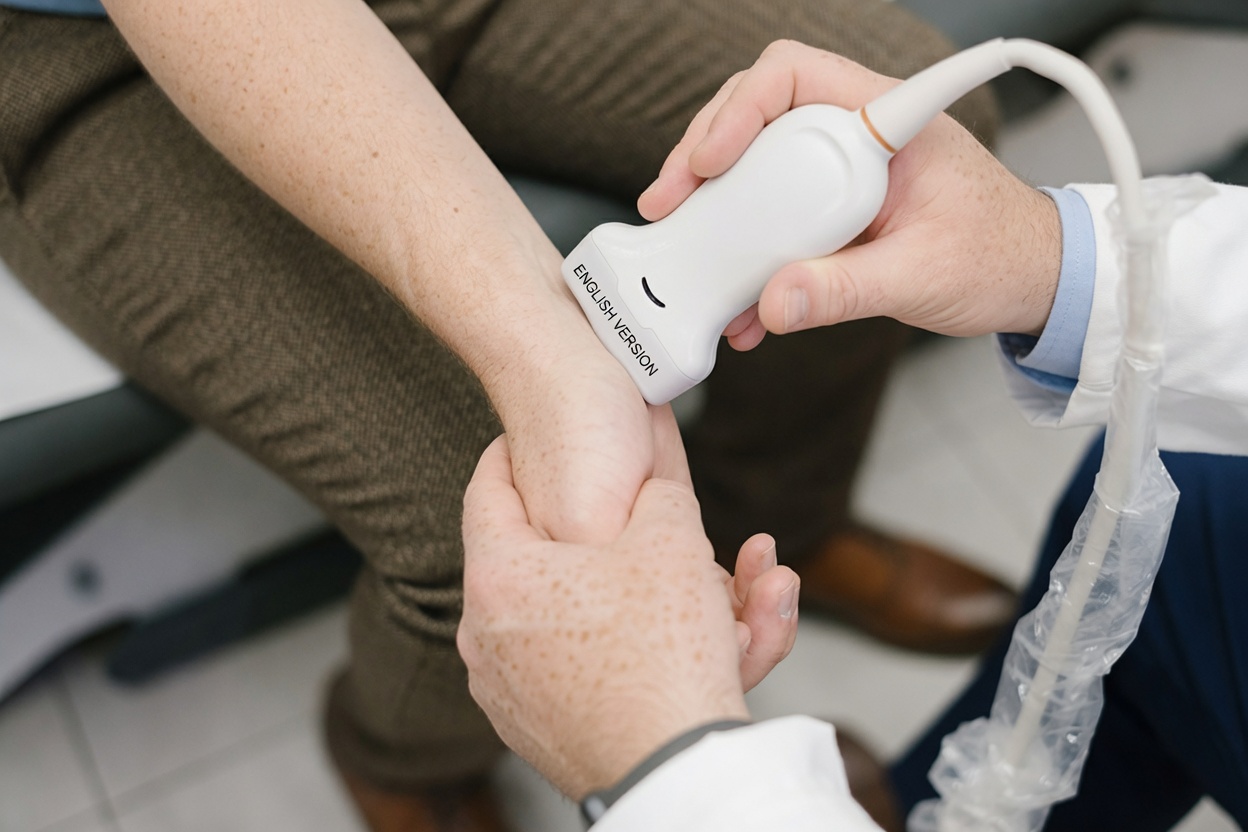
- Ultrasound to confirm fluid and look at cyst structure
- MRI to evaluate surrounding soft tissues in detail
In some cases, fluid may be drawn out with a needle for assessment. This can help confirm whether it’s a ganglion cyst or another condition. Often, patients feel significant relief once they understand the cause.
Practical, Safe Steps Families Can Take at Home
If there are no red-flag symptoms, doctors may recommend watchful waiting and gentle self-care.
Helpful approaches include:
- Rest the wrist: reduce repetitive motion for a few days
- Use a light wrist brace: to limit strain and ease discomfort
- Apply a cool compress: 10–15 minutes to reduce swelling
- Do not squeeze, puncture, or “pop” the lump: this increases infection risk and can worsen inflammation
Many wrist cysts gradually reduce in size without any intervention.
Final Thoughts
Noticing a sudden lump on your grandmother’s wrist can be frightening—especially when it seems to appear overnight. But many wrist lumps are linked to common, non-dangerous issues such as ganglion cysts, which clinicians see every day.
The best approach is calm observation, plus medical evaluation if the lump changes, becomes painful, or shows warning signs. Sometimes, the biggest relief comes from simply understanding what’s happening—and realizing the bump is often far less serious than it first appears.
Frequently Asked Questions
Can a wrist lump show up overnight?
Yes. Fluid-filled cysts can become noticeable quickly, especially after repeated wrist movements or activity.
Are ganglion cysts dangerous?
Most ganglion cysts are benign (non-cancerous). They may still cause discomfort depending on size and location.
Should every wrist lump be checked by a doctor?
If it grows fast, hurts, causes numbness, or interferes with hand movement, a medical evaluation is recommended to identify the cause.
Medical Disclaimer
This article is for educational purposes only and does not replace professional medical advice. Always consult a qualified healthcare professional for evaluation of new, sudden, or unusual symptoms.