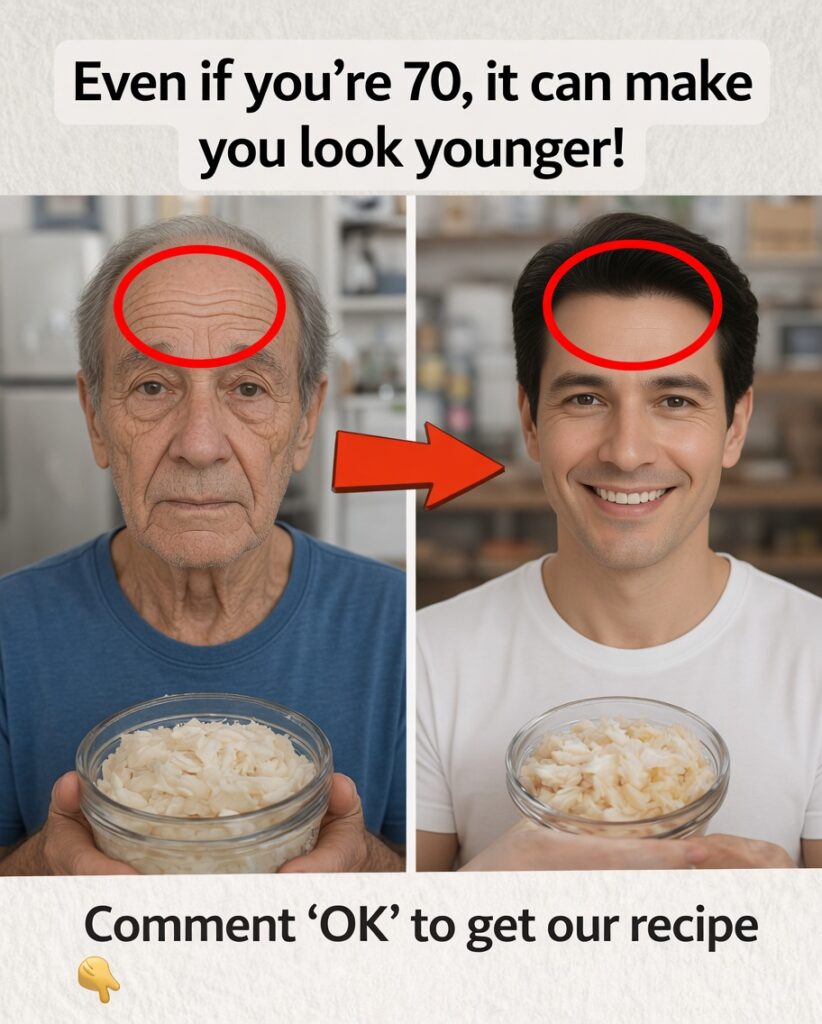
You know that awkward moment at night when the mirror shows skin that looks dull, rough, or simply exhausted after a long day. Many people assume it’s “just aging” and that their natural glow is gone for good. In reality, the cause is often more practical: a full day of sweat, sunscreen, pollution, and makeup residue can sit on the skin for hours. If that layer isn’t removed thoroughly, skin can start looking older than it actually is.
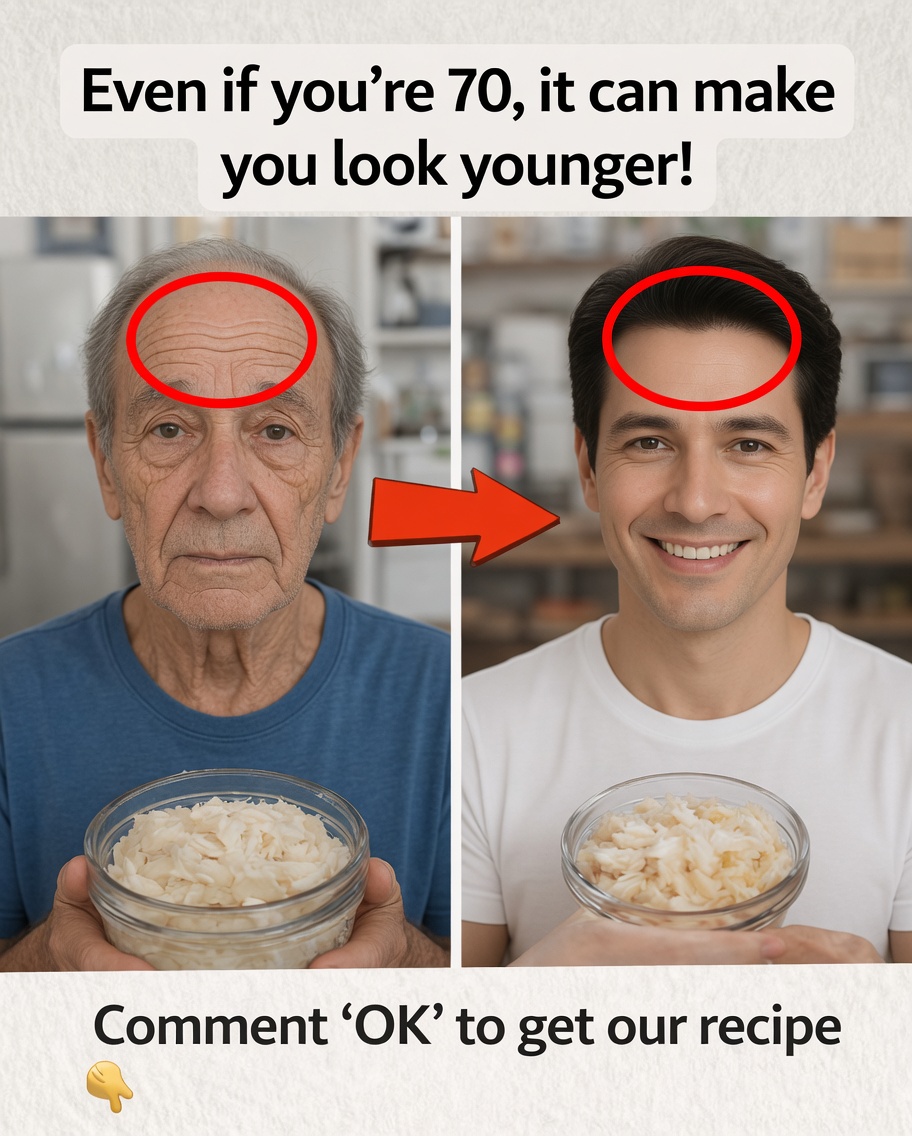
The surprising part is that one simple nighttime habit—using a common kitchen staple very carefully and very occasionally—may help refresh the skin’s surface. The key is knowing how to use it safely, because most people only learn the most important detail after they’ve already irritated their skin.
Why Nighttime Skincare Becomes More Important With Age
As we get older, skin naturally shifts: it often becomes drier, thinner, and slower to regenerate. One major result is that dead skin cells may linger longer on the surface instead of shedding quickly.
Nighttime matters because sleep is when the body runs a quiet repair cycle. Skin works to recover from daily stressors like:
- UV exposure
- Air pollution
- Cosmetics and sunscreen
- Dehydration and oxidative stress
When your face is clean and your barrier is supported before bed, that recovery process tends to work better.

A common mistake, though, is rushing through cleansing—washing quickly, applying cream, and calling it done—while small traces of oil, dust, and dead skin remain. Over time, this buildup can contribute to:
- Rough texture
- A dull-looking complexion
- More visible-looking pores
- Uneven tone
That’s why gentle exfoliation once in a while can be helpful: it clears surface buildup and allows moisturizers to perform better. Some people explore baking soda as an occasional exfoliating option—but it must be handled with care.
What Baking Soda Really Does to Skin
Baking soda (sodium bicarbonate) is widely available and has a fine powder texture, which means it can function as a physical exfoliant. Mixed with water or a mild cleanser, it may help loosen:
- Surface dead skin
- Excess oil
- Residue left behind by products

However, there’s an important catch: healthy skin is protected by a slightly acidic layer often called the acid mantle (part of the skin barrier). This acidity helps skin retain moisture and stay resilient.
Baking soda is alkaline, and frequent use can interfere with that balance—potentially increasing dryness or irritation. That’s why many skincare professionals suggest rare use only, with a light touch.
Here’s a simple comparison:
- Texture: Baking soda is a mild scrub; gentler alternatives are often soothing
- pH impact: Baking soda is alkaline; many alternatives are closer to skin-friendly balance
- How often: Baking soda should be occasional; gentler options may work more regularly
- Main benefit: Baking soda focuses on surface exfoliation; alternatives often support hydration and calming
The takeaway: moderation is the “secret.” If someone uses baking soda at all, it should be infrequent and followed immediately by hydration.
A Step-by-Step Night Routine Using Baking Soda (Cautious Method)
If you choose to try this approach, keep it simple, short, and gentle.
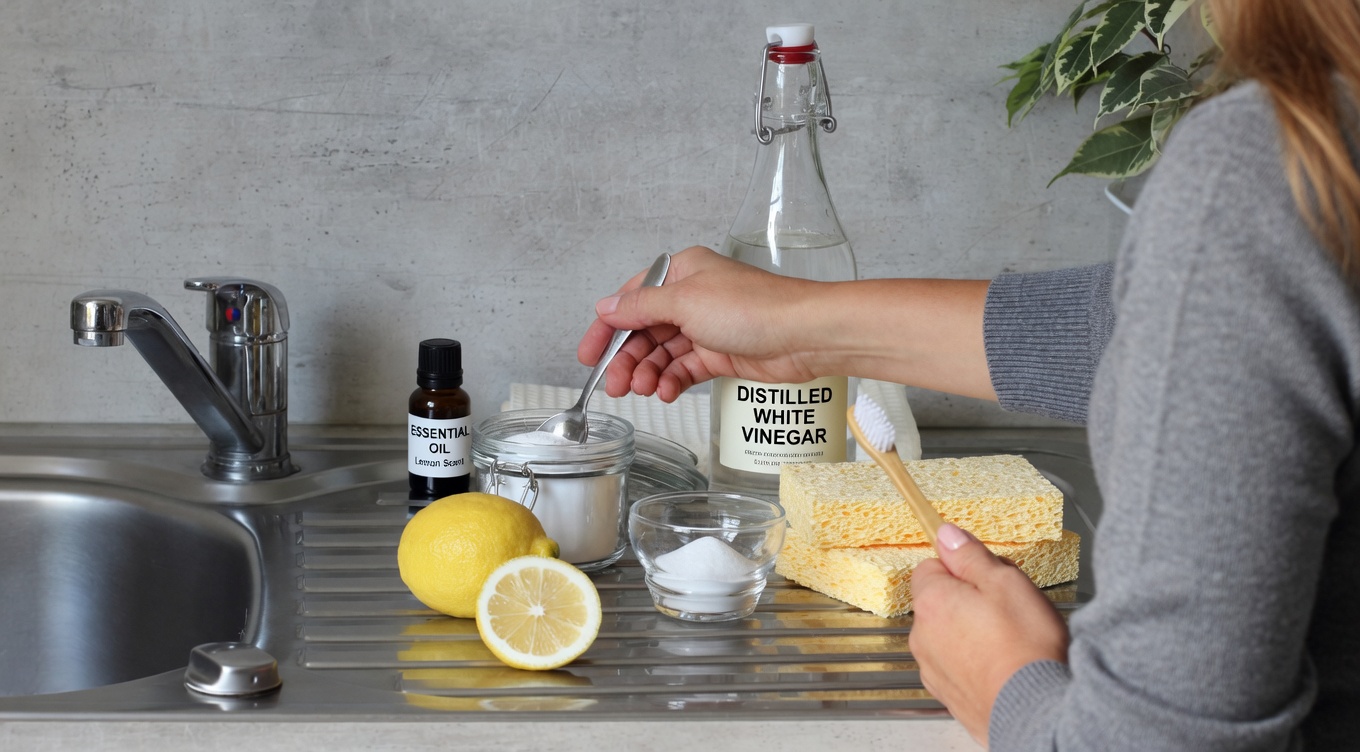
1) Cleanse First
Start with a mild facial cleanser to remove sunscreen, makeup, and daily grime. Pat dry using a soft towel—avoid aggressive rubbing.
2) Mix a Very Mild Paste
Use a small amount only—about 1/2 teaspoon is usually plenty. Blend with lukewarm water (or a gentle cleanser) until it forms a soft paste.
Some people include soothing additions, such as:
- A tiny drop of honey
- Aloe vera gel
- A small amount of gentle cleanser
These can make the mixture feel less harsh.
3) Apply With Minimal Pressure
Using clean fingertips, lightly massage only the areas that feel rough or congested. Use small circular motions for 10–15 seconds.
Avoid:
- The eye area
- Lips
- Any irritated, broken, or inflamed skin
The goal is not scrubbing. It’s a brief surface refresh.
4) Rinse and Rehydrate Immediately
Rinse with lukewarm water and apply a hydrating product right away. Helpful barrier-supporting ingredients include:
- Hyaluronic acid
- Ceramides
- Glycerin
- Lightweight moisturizing creams
After exfoliation, hydration isn’t optional—it’s essential.
How Often Should You Do It?
This is where many people go wrong: if something seems to help once, they assume using it daily will help more. With exfoliation, the opposite is often true.
General guidance when baking soda is involved:
- Normal skin: about once every 7–10 days
- Sensitive skin: about once every 2 weeks or less
- Never daily
Your skin needs time to maintain and repair its barrier. Also, many dermatology-focused routines emphasize that consistent cleansing and moisturizing usually deliver better long-term results than any single “hack.”
Gentler Natural Alternatives for Regular Use
For sensitive or mature skin, milder ingredients are often a better fit for frequent care. Options many people find soothing include:
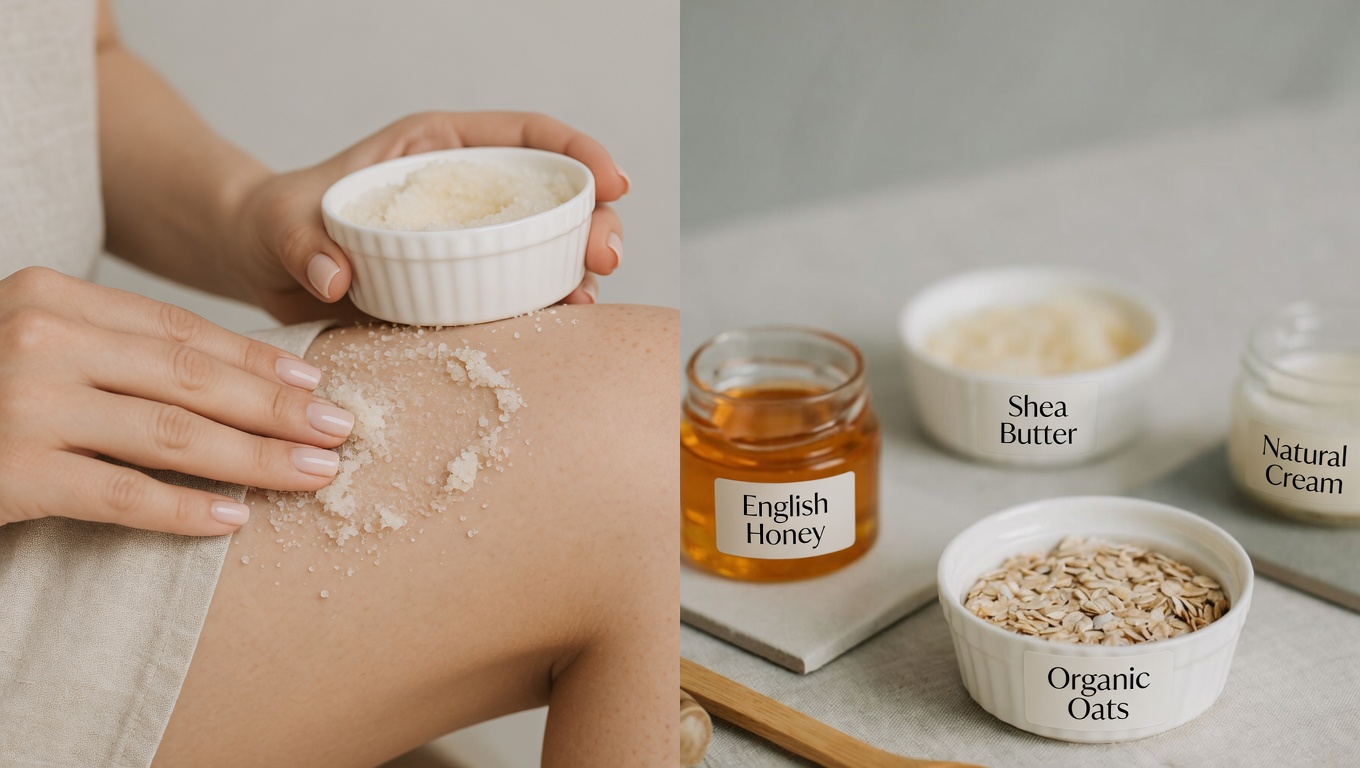
- Oatmeal: finely ground oats can calm the look of irritation and feel gentle as a mask
- Honey: helps attract moisture and leaves skin feeling soft
- Aloe vera: cooling, hydrating, and often used after cleansing
- Yogurt (plain): contains mild natural acids that may smooth the look of texture when used occasionally
These alternatives tend to be more forgiving than baking soda for ongoing use—reinforcing the “secret” most people overlook: healthy-looking skin usually comes from consistent, gentle habits—not harsh treatments.
Practical Tips for a Balanced Night Skincare Routine
To support smoother, healthier-looking skin over time:
- Cleanse nightly with a gentle face wash
- Use lukewarm water (not hot)
- Skip harsh scrubbing
- Apply moisturizer while skin is slightly damp
- Limit strong exfoliation methods
- Wear sunscreen the next morning
Simple routines done consistently often outperform complicated regimens.
Conclusion
Nighttime skincare doesn’t need expensive products or complicated steps. The most effective approach is usually a steady, gentle routine: cleanse well, moisturize consistently, and protect your skin with sunscreen daily. Occasional exfoliation can help reduce surface buildup, and some people experiment with baking soda for that purpose—but it should be used sparingly, with a light touch, and always followed by serious hydration.
Frequently Asked Questions
Can baking soda brighten the look of skin?
Baking soda may temporarily make skin look smoother by removing surface buildup through mild physical exfoliation. It does not change your natural skin tone, and it should be used cautiously.
Is baking soda safe for sensitive skin?
Sensitive skin should be especially careful. Because baking soda is alkaline, it can disrupt the skin’s natural balance. If you try it, consider a patch test first and use it very infrequently.
What should I apply after using baking soda on my face?
Apply hydration immediately. Look for moisturizers that support the barrier, especially formulas with ceramides, glycerin, and hyaluronic acid.