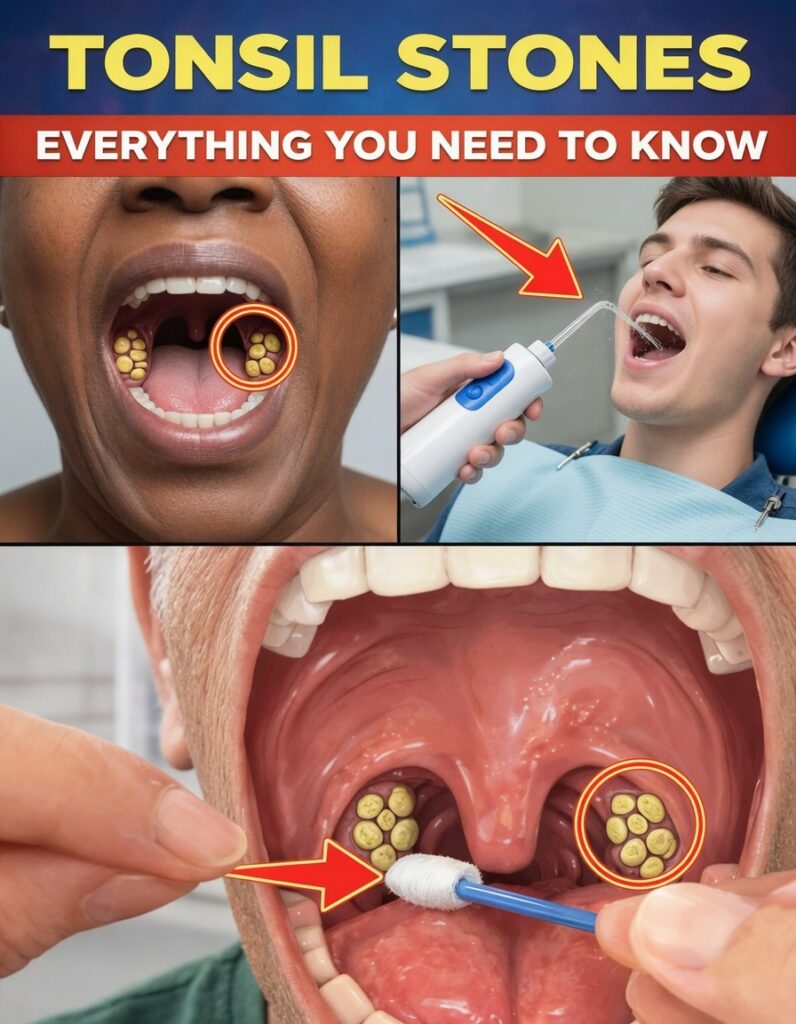
Have you ever coughed up a small, firm piece from your throat that smells foul and resembles a tiny pebble? It can feel confusing—and embarrassing—especially when you take oral hygiene seriously but still notice stubborn bad breath. These little deposits, called tonsil stones, can silently collect inside the crevices of your tonsils and cause recurring discomfort. The encouraging part is that once you understand why they form, you can take practical steps to manage them—and one simple daily habit may help more than you’d expect.
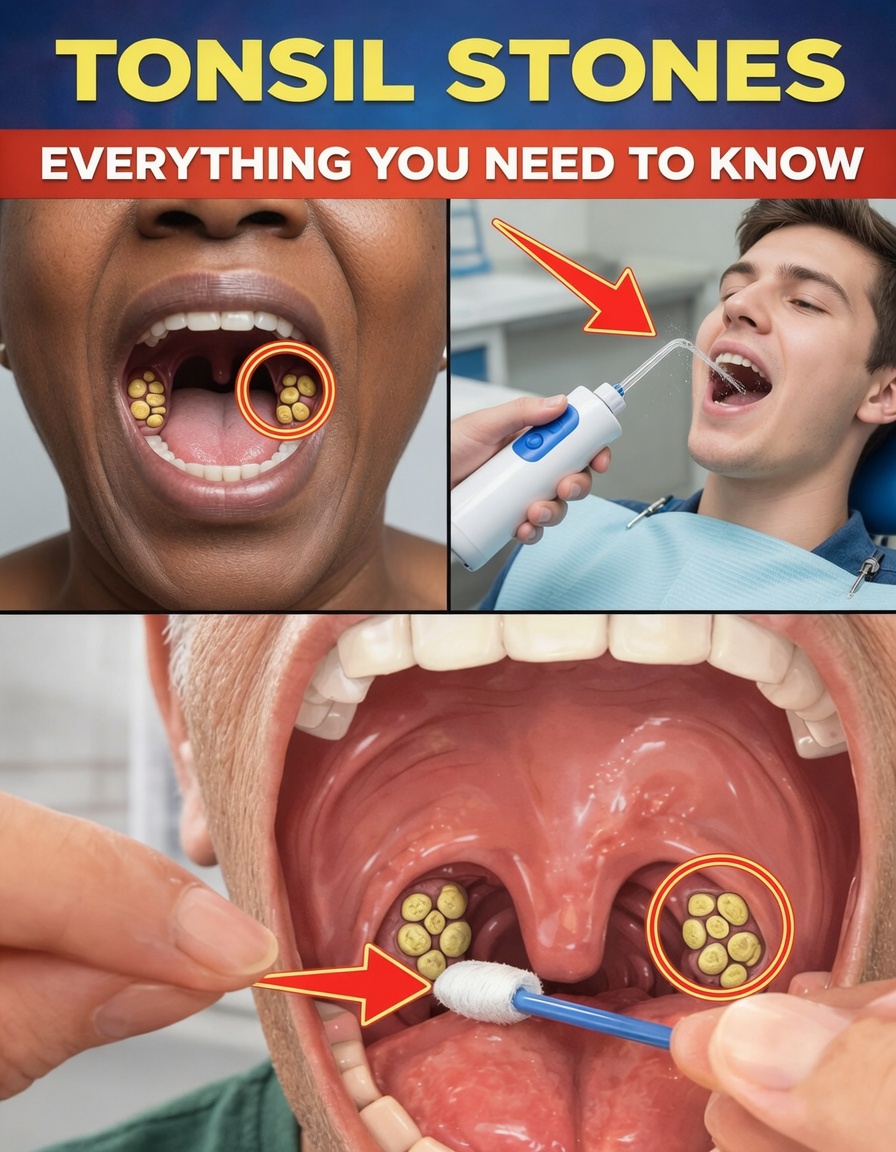
What Are Tonsil Stones?
Tonsil stones (tonsilloliths) are small, hardened deposits that develop inside the natural grooves of the tonsils, known as tonsil crypts.
Your tonsils help “trap” unwanted material—such as bacteria, mucus, food debris, and dead cells—so it doesn’t travel deeper into the respiratory tract. When this trapped material remains in the crypts and mixes with minerals like calcium, it can gradually calcify and form white or yellowish lumps.
Most tonsil stones stay small (often about the size of a rice grain), although they can sometimes grow larger. Experts at the Cleveland Clinic note that they’re common and usually not dangerous. Many people only discover them during a mirror check or a dental visit—making it helpful to know what to look for and why they appear.
Common Symptoms of Tonsil Stones
A lot of people have tonsil stones without obvious symptoms. When signs do show up, they can be annoying and persistent.
Persistent Bad Breath (Halitosis)
One of the most common complaints is bad breath that doesn’t improve with brushing, flossing, or mouthwash. Bacteria living on the stones can release sulfur-like compounds that create a strong odor. Some research suggests tonsil stones may contribute to around 10% of chronic halitosis cases.
Sore Throat or Ongoing Irritation
You may notice a scratchy throat, mild pain, or discomfort when swallowing. Larger stones can press on nearby tissue and create the “something stuck” sensation.
White or Yellow Spots on the Tonsils
When you look at your tonsils, you might see small pale specks. Sometimes they fall out on their own—or come loose during coughing.
Ear Pain Without a Clear Ear Problem
Tonsil stones can trigger referred pain to the ear because the throat and ear share nerve pathways. This can feel like an unexplained earache.
Mild Swelling or a Constant Need to Cough
Irritation from stones may lead to slight tonsil swelling or a persistent cough as your body tries to clear the area.

Symptoms at a Glance
| Symptom | Why It Happens | Often Mistaken For |
|---|---|---|
| Persistent bad breath | Sulfur compounds from bacteria | Diet or poor hygiene |
| Sore throat/irritation | Pressure and inflammation | Colds or allergies |
| White/yellow spots | Stone material visible in crypts | Infection |
| Ear pain | Referred nerve pain | Earwax or ear infection |
| Cough/swelling | Throat irritation response | Reflux or smoking |
What Causes Tonsil Stones?
Tonsil stones can happen to anyone, but certain factors increase the likelihood:
- Inconsistent oral hygiene: More leftover debris and bacteria can collect in the mouth and throat.
- Chronic tonsil inflammation (tonsillitis): Inflammation may enlarge or deepen crypts, trapping more material.
- Naturally large tonsils or deep crypts: Some people’s tonsils simply “hold onto” debris more easily.
- Post-nasal drip: Allergies, sinus problems, and chronic congestion can add extra mucus that feeds buildup.
Studies suggest tonsil stones are especially common in adults with cryptic tonsils. In many cases, everyday routines—hydration, mouth cleanliness, and mucus management—directly affect how often they develop.
How to Remove Tonsil Stones at Home Safely
Small tonsil stones often come out on their own, especially during coughing or swallowing. If you want to remove them gently, use low-risk techniques.
1) Gargle with Warm Salt Water
- Mix ½ teaspoon of salt into 1 cup of warm water
- Gargle strongly for about 30 seconds
- This can help loosen debris and reduce irritation
2) Try a Low-Pressure Water Flosser (Carefully)
- Use the lowest setting
- Keep a safe distance and aim gently toward the tonsil area
- Stop immediately if you feel pain or bleeding
3) Use a Clean Cotton Swab (Only If Visible and Easy to Reach)
- Wash hands thoroughly
- Use a clean swab and apply light pressure near (not into) the crypt
- Avoid forcing it—gentle is the goal
Avoid sharp objects or aggressive scraping, which can injure the tonsil tissue and worsen inflammation. If stones are large, painful, or hard to remove, seek medical advice instead of escalating home methods.
Prevention Tips to Reduce Tonsil Stones
Prevention focuses on limiting the debris and bacteria that collect in tonsil crypts. Strong daily habits can make a noticeable difference.
-
Brush and floss twice daily
Reduce bacteria and food residue before it can build up. Don’t skip tongue cleaning, since it holds odor-causing bacteria. -
Gargle after meals
Use warm salt water or an alcohol-free mouthwash to rinse away leftover particles, especially after sticky foods. -
Stay well-hydrated
Water helps thin mucus and encourages natural clearing. Many people aim for around eight glasses per day, adjusting for activity and climate. -
Reduce common triggers (if they affect you)
- Smoking can irritate tissues and worsen dryness
- Some people find heavy dairy intake thickens mucus and increases buildup
Consistency matters: doing a few simple things daily is often more effective than occasional “deep clean” efforts.
When to See a Doctor About Tonsil Stones
Most tonsil stones are harmless, but professional evaluation is a good idea if you have:
- Frequent recurrence or stones that keep returning
- Large stones or significant discomfort
- Trouble swallowing, ongoing swelling, or persistent throat pain
- Bad breath that doesn’t improve despite strong oral hygiene
- Fever or signs that could suggest infection
Depending on severity, clinicians may discuss options such as cryptolysis (smoothing the tonsil surface to reduce crypts) or, in persistent cases, tonsillectomy.
Real Experiences: Living With Tonsil Stones
Many people feel isolated by the issue, but it’s surprisingly common.
- Sarah (42), a teacher, dealt with unexplained bad breath for years. After noticing white spots on her tonsils, she started regular salt-water gargles and felt more confident once symptoms improved.
- Mike (35) experienced recurring ear discomfort that didn’t match typical ear infections. Better hydration and gentle removal helped him manage the problem without further treatment.
These stories show that small adjustments—done consistently—can lead to meaningful relief.
Conclusion
Tonsil stones are a common cause of throat discomfort and stubborn bad breath. The good news is that understanding what they are, recognizing the symptoms, and improving daily habits can help you prevent and manage them effectively. With steady oral hygiene, hydration, and smart after-meal rinsing, many people see fewer flare-ups and fresher breath over time. One new habit today—like gargling after meals—could make tomorrow feel noticeably better.
Frequently Asked Questions (FAQ)
What are tonsil stones made of?
They’re made from trapped bacteria, food particles, dead cells, and mucus that harden over time as calcium deposits build up in tonsil crypts.
Can tonsil stones disappear on their own?
Yes. Smaller stones often dislodge naturally through coughing, swallowing, or normal throat movement. Prevention habits can reduce how often they return.
Are tonsil stones contagious?
No. Tonsil stones are not contagious—they form due to individual debris buildup and anatomy, not person-to-person transmission.
Medical Disclaimer
This article is for informational purposes only and does not replace professional medical advice, diagnosis, or treatment. If you have persistent symptoms or concerns, consult a qualified healthcare provider.