Three Essential Vitamins That May Help Reduce Morning Joint Stiffness After 50
Many adults over 50 are surprised to learn how common low vitamin D levels are. In fact, as many as 40% of older Americans may not have enough vitamin D, and lower levels are closely associated with greater joint stiffness and discomfort, especially early in the day. Studies have found that people with inadequate vitamin D often report more noticeable morning aches in the knees, hips, and hands.
Now imagine getting out of bed tomorrow with less effort than usual. Imagine standing up without that familiar hesitation, walking down the stairs more comfortably, and no longer feeling as if your joints are resisting every movement. What if three well-known vitamins — nutrients you have likely heard of many times — could help support joint comfort, cartilage health, and daily mobility through your body’s normal processes?
Before reading further, give yourself a quick score from 1 to 10: how bad is your morning joint stiffness or discomfort right now? Keep that number in mind. We will come back to it.
If you are over 50 and tired of beginning each day with stiffness, you have probably already experimented with common solutions. Maybe you have taken over-the-counter products that irritated your stomach, used creams that helped only briefly, or told yourself this is simply what aging feels like. For many people, those approaches only cover up symptoms instead of supporting deeper issues such as inflammation balance, collagen production, and proper calcium use in the body.
A more useful approach may be to focus on three vitamins that work together: vitamin C, vitamin D, and vitamin K2. Research suggests these nutrients can help support collagen formation, calcium regulation, and overall joint function. By the end of this article, you will have a practical plan for adding them through food and, when appropriate, supplements.
Why Morning Joint Stiffness Often Feels Worse After 50
As the body ages, joints deal with several challenges at once.
- Natural collagen production slows over time
- Everyday inflammation can affect connective tissue
- Calcium may not always end up where it is most beneficial
- Overnight rest can leave joints feeling less mobile by morning
This helps explain why stiffness often feels strongest right after waking. During sleep, joints are inactive, synovial fluid may become less freely moving, and the body’s overnight repair activity can leave tissues feeling tight rather than loose.
Surveys suggest that more than 60% of adults over 55 deal with recurring joint stiffness, with mornings being the hardest part of the day for many. That can be deeply frustrating when you want to stay active, spend time with grandchildren, garden, play golf, or simply take a comfortable walk. It can also create a deeper emotional strain, making it feel as though your body is aging faster than your mindset.
You may have already explored popular joint-support options such as:
- Glucosamine
- Chondroitin
- Turmeric
- Prescription medications
Some people notice temporary relief, but many continue searching for something that supports long-term joint health more effectively.
What often gets overlooked is targeted nutrition. Certain vitamins appear to support the body at the cellular level by helping with collagen formation, inflammation regulation, and calcium direction. Among them, three stand out for the way they complement one another.
Pause for a moment and ask yourself: which area feels stiffest in the morning?
- Knees
- Hands
- Back
- Hips
Keep that answer in mind as you continue.
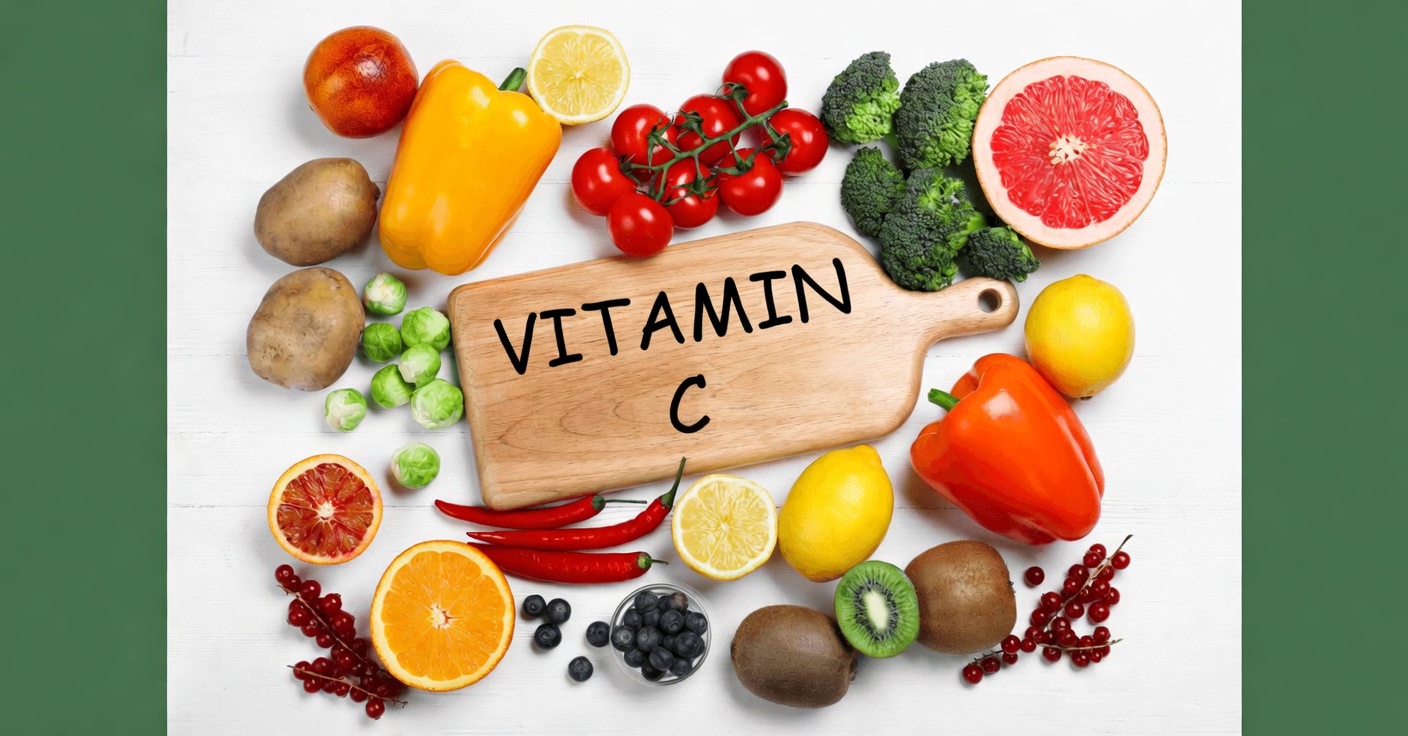
Vitamin #3: Vitamin C — The Building Block for Collagen Support
Do your joints feel dry, tight, or less flexible when you first get moving in the morning?
Consider Susan, a 62-year-old retired teacher from Colorado. She noticed morning stiffness in her hands and knees, and even simple activities like holding a coffee mug felt less comfortable than before. She began eating more foods rich in vitamin C and also added a 500 mg vitamin C supplement with breakfast. Within six weeks, she felt her morning stiffness was easier to handle. After three months, gardening felt noticeably more comfortable again.
Vitamin C matters because it is essential for collagen synthesis. Collagen is a structural protein involved in cartilage, ligaments, and tendons. Without enough vitamin C, the body may struggle to maintain these tissues as efficiently. It also acts as an antioxidant, helping defend joint tissues from oxidative stress caused by everyday free radicals.
Research supports this role. A 10-year observational study found that people with higher vitamin C intake tended to report less knee discomfort and slower progression of age-related joint changes. Other trials have also linked supplemental vitamin C with lower inflammatory markers in certain populations.
Ways to Get More Vitamin C
A practical target is:
- 200 to 500 mg daily from food
- Up to 1,000 mg daily from supplements if dietary intake is low
Excellent food sources include:
- Red or yellow bell pepper: about 190 mg per pepper
- Kiwi: about 70 mg each
- Orange: about 70 mg each
- Strawberries: about 50 mg per 1/2 cup
- Cooked broccoli: about 50 mg per cup
If taking larger amounts, splitting the dose between morning and evening may help maintain steadier levels.
Susan’s takeaway was simple: she had always thought of vitamin C as something mainly associated with colds, yet it became part of what helped her joints feel more supported.
Take another quick look at your morning flexibility score from 1 to 10. If it is still under 6, vitamin C may be one of the easiest places to start.
But collagen support is only part of the story. Your body also needs the right environment for inflammation balance and calcium absorption. That is where vitamin D comes in.
Quick Self-Check
How many vitamin C-rich foods do you usually eat in a day?
- 1
- 2
- 3
- 4
- 5 or more
If your answer is low, this could be an important area to improve.
Vitamin #2: Vitamin D — Support for Inflammation Balance and Calcium Absorption
Do your joints seem to stiffen more when the weather changes or during darker months of the year?
James, a 68-year-old former mechanic from Michigan, noticed that winter mornings made his knees and hips feel especially stiff. After a blood test, he learned that his vitamin D level was low. He started getting midday sun exposure and began taking 2,000 IU of vitamin D3 daily with a breakfast that included healthy fats. Over the following eight weeks, he said his morning stiffness became much easier to manage, and he was able to return to woodworking with more comfort.
Vitamin D plays several important roles in joint health.
- It helps regulate immune activity, supporting balanced inflammation
- It improves calcium absorption
- It contributes to the maintenance of cartilage and musculoskeletal function
Low vitamin D is extremely common, particularly in older adults. Research has linked deficiency with greater everyday joint discomfort and faster age-related decline in joint function. Multiple studies suggest that correcting low vitamin D levels may improve comfort and reduce the progression of stiffness over time.
Many experts consider a blood level of roughly 40 to 60 ng/mL to be a helpful range for optimal support, though individual needs vary.
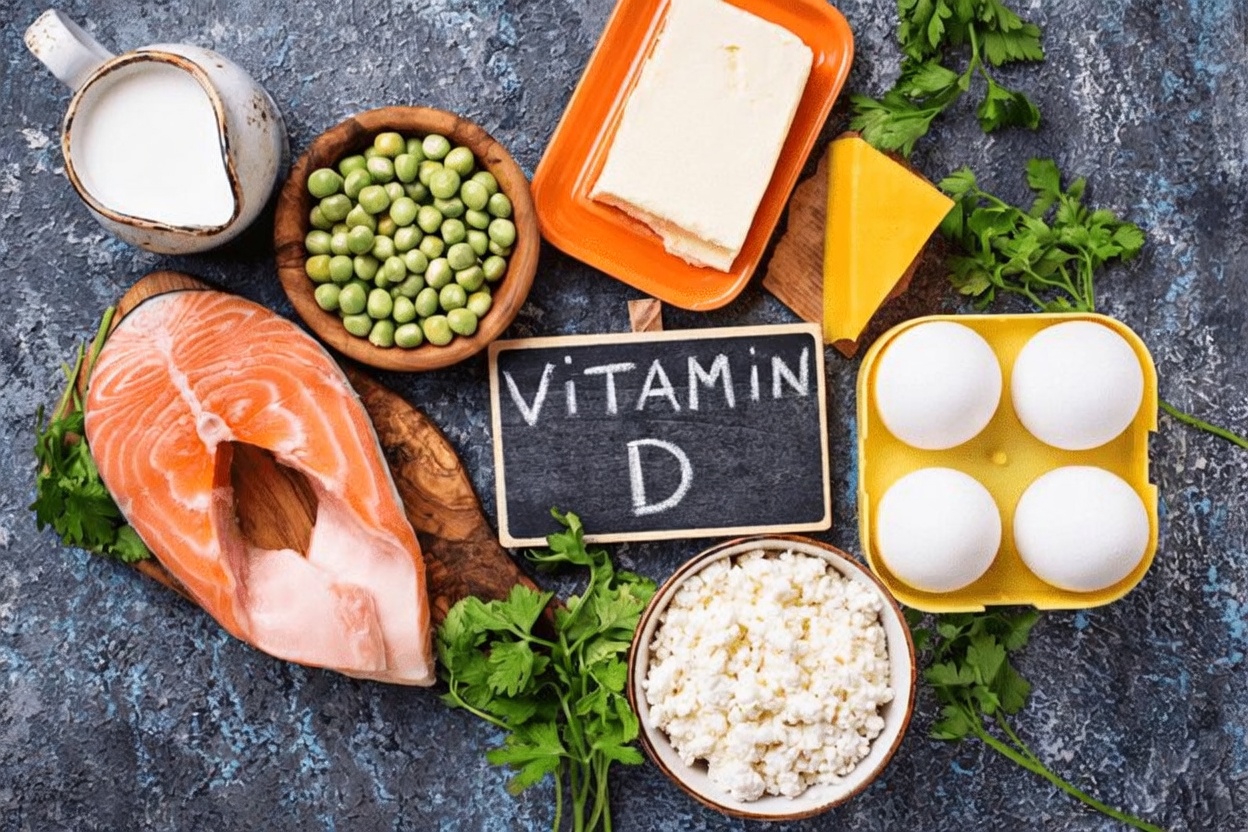
How to Increase Vitamin D Naturally
You can support your vitamin D levels through both sun exposure and diet.
- Midday sunlight: 10 to 30 minutes on arms and legs several times per week
- Salmon: about 600 IU per 3-ounce serving
- Fortified milk: about 100 IU per cup
- Egg yolk: about 40 IU each
For many adults over 60, a daily vitamin D3 supplement in the range of 1,000 to 4,000 IU may be beneficial, especially when taken with a meal that contains fat. A 25(OH)D blood test can help determine whether your current intake is adequate. It is wise to review results with a healthcare provider so the dosage can be adjusted appropriately.
James described the change in a memorable way: he felt like the lights had been switched back on in his joints.
Still, vitamin D alone is not the whole answer. Even if calcium absorption improves, the body also needs help directing calcium to the right places. That is where the final vitamin becomes especially important.
Midway Check-In
Ask yourself these questions:
- How many vitamins have been covered so far?
- Which joint bothers you most in the morning?
- Which vitamin seems to act like a calcium guide?
- Has your stiffness rating changed since the beginning?
The final piece may be the one that ties everything together.
Vitamin #1: Vitamin K2 — The Nutrient That Helps Direct Calcium Where It Belongs
Many people focus on getting more calcium and vitamin D, but few think about what happens next. Once calcium is absorbed, the body needs a way to guide it toward bones and away from soft tissues. That is one of vitamin K2’s most important jobs.
Vitamin K2 activates proteins that help move calcium into bones and teeth, where it is useful, while helping reduce the chance that calcium is deposited in places it does not belong. This matters because proper calcium handling may support not just bone health, but also joint comfort and mobility over time.
For older adults, this can be particularly relevant. As the years pass, changes in calcium metabolism may contribute to stiffness and reduced ease of movement. Vitamin K2 works in partnership with vitamin D, which increases calcium absorption. Without enough K2, that process may be less efficient.
Think of it this way:
- Vitamin D helps bring calcium into the system
- Vitamin K2 helps direct it to the right destination
- Vitamin C helps support the collagen framework that joints rely on
That combination is why these three vitamins are often more effective together than when used alone.
Foods Rich in Vitamin K2
Vitamin K2 is found in fewer foods than vitamin C or vitamin D, which may explain why many people get only small amounts. Good sources include:
- Natto: one of the richest natural sources
- Hard cheeses
- Egg yolks
- Liver
- Dark meat poultry
- Certain fermented foods
Supplemental vitamin K2 is often available as MK-7, a form known for staying active in the body longer. Typical amounts often range from 90 to 180 mcg per day, though individual needs vary.
Important note: anyone taking blood-thinning medication should speak with a healthcare provider before using vitamin K supplements.
Why These Three Vitamins Work Better Together
Each of these vitamins supports a different part of the same overall process.
Vitamin C
- Supports collagen formation
- Helps maintain cartilage, ligaments, and tendons
- Provides antioxidant protection
Vitamin D
- Helps regulate immune response
- Supports balanced inflammation
- Improves calcium absorption
Vitamin K2
- Activates proteins that guide calcium into bones
- Supports proper calcium placement
- Complements vitamin D activity
Together, they create a more complete strategy for joint support than relying on a single nutrient alone.
A Simple Daily Plan to Support Joint Comfort
If you want to turn this information into action, start with a practical routine.
1. Build Your Meals Around Key Foods
Include foods such as:
- Bell peppers, berries, kiwi, broccoli, and citrus for vitamin C
- Salmon, fortified dairy, and egg yolks for vitamin D
- Fermented foods, cheeses, egg yolks, and liver for vitamin K2
2. Get Safe Sun Exposure
Try to spend 10 to 30 minutes in midday sunlight several times a week if appropriate for your skin type, climate, and health needs.
3. Consider Targeted Supplementation
If your diet falls short, supplements may help fill the gap:
- Vitamin C: 200 to 500 mg daily, or more if needed
- Vitamin D3: 1,000 to 4,000 IU daily
- Vitamin K2: 90 to 180 mcg daily
4. Track Your Morning Stiffness
Use the same 1 to 10 scale from the beginning and write it down each morning for a few weeks. This can help you notice whether the changes are making a meaningful difference.
5. Check Your Vitamin D Status
A 25(OH)D blood test can provide useful information, especially if you suspect low vitamin D levels.
Final Thoughts
Morning joint stiffness after 50 is common, but that does not mean you have to accept it without question. The body’s need for nutritional support changes with age, and three vitamins deserve close attention:
- Vitamin C for collagen support
- Vitamin D for inflammation balance and calcium absorption
- Vitamin K2 for directing calcium where it belongs
If you remember the number you gave your stiffness at the beginning, ask yourself this: what would it mean if that score improved even by one or two points over time? For many people, that could mean easier mornings, more confidence in movement, and a greater sense of independence.
The goal is not perfection overnight. It is giving your joints better daily support through nutrition that works with your body, not against it. For many older adults, that shift can make mornings feel far more manageable.