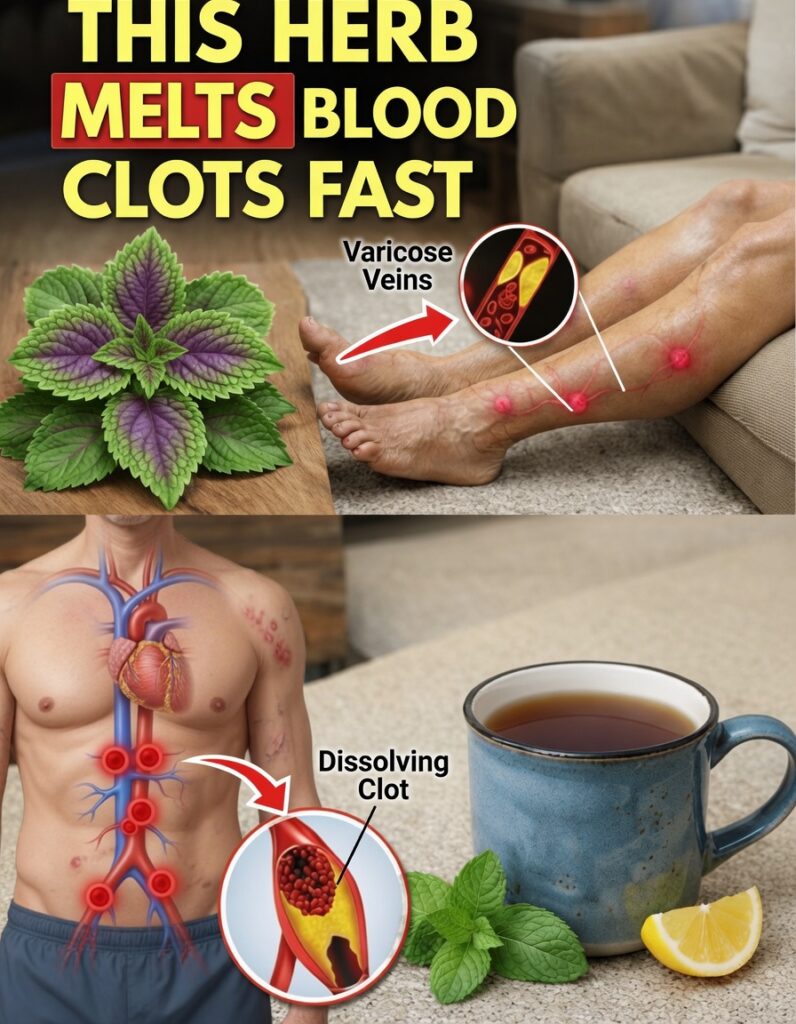
One calm morning, you may feel a faint ache behind the knee, a tight calf after sitting, or toes that stay chilly even in thick socks. It’s easy to chalk these signs up to “normal aging,” but they can also hint at circulation issues worth paying attention to. The encouraging part is that several herbs have long been used to support healthy blood flow. Below are six popular options—counting down from #6 to #1, with the top pick drawing growing interest in more recent research.
Why Healthy Circulation Matters More After 60
Once you reach your 60s and beyond, circulation becomes a bigger part of everyday comfort and mobility. Efficient blood flow helps deliver oxygen and nutrients to the legs and feet—supporting how you feel while walking, standing, and moving through daily routines.
However, common factors such as prolonged sitting and natural age-related vascular changes can contribute to sensations like heaviness, tightness, or lower-leg discomfort.
Some findings in food science and nutrition research suggest that plant compounds may support blood vessel function and smoother circulation. With that context in mind, here are six herbs often discussed for circulation support—plus simple ways to try them.
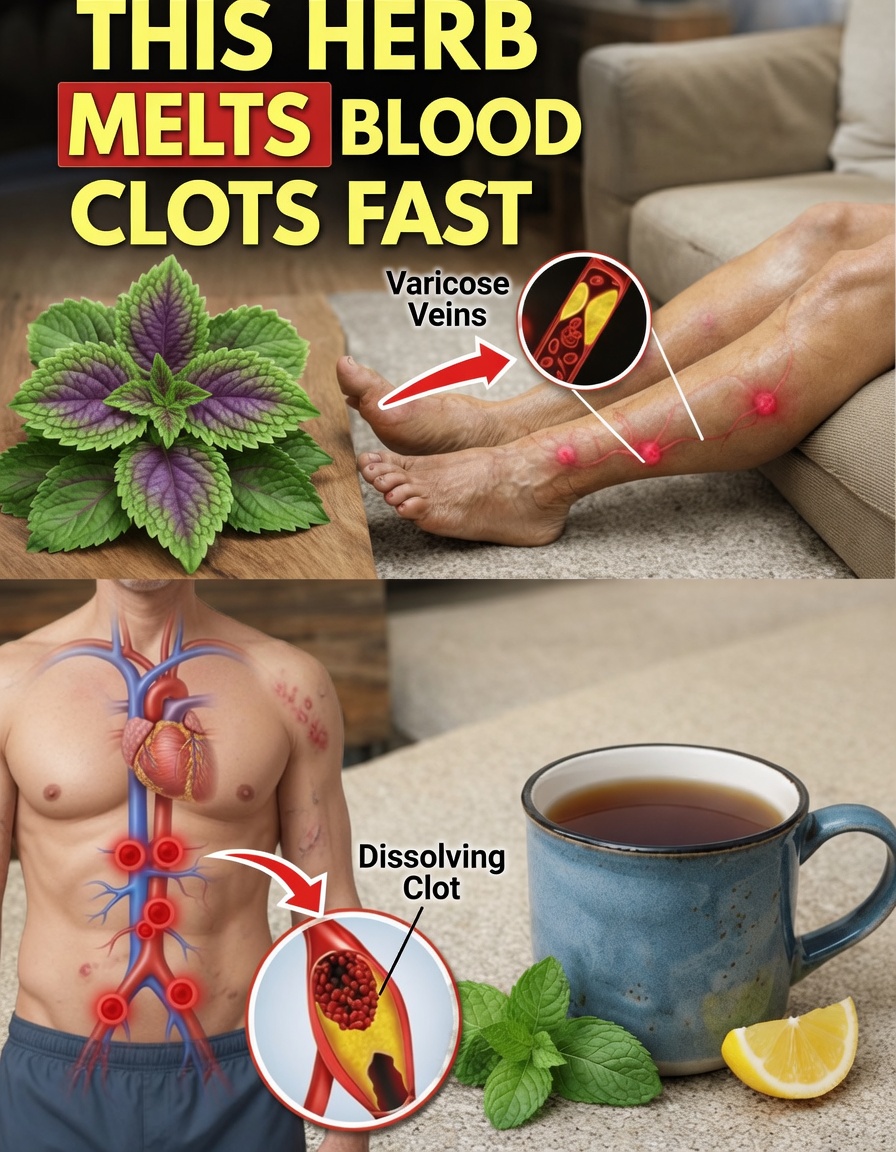
6. Cayenne Pepper: A Warming, Spicy Circulation Ally
Cayenne pepper is rich in capsaicin, a well-known compound studied for its potential role in supporting vascular function.
A 2021 review in Critical Reviews in Food Science and Nutrition reported that regular capsaicin intake may be linked with improved blood flow markers.
How to try it (gentle start):
- Mix ⅛ teaspoon of cayenne powder into warm lemon water.
- Increase gradually only if your digestion tolerates it well.
Many people like this in the morning and say they feel more energized by midday, but it’s best to begin with very small amounts—especially if you’re prone to reflux or digestive sensitivity.
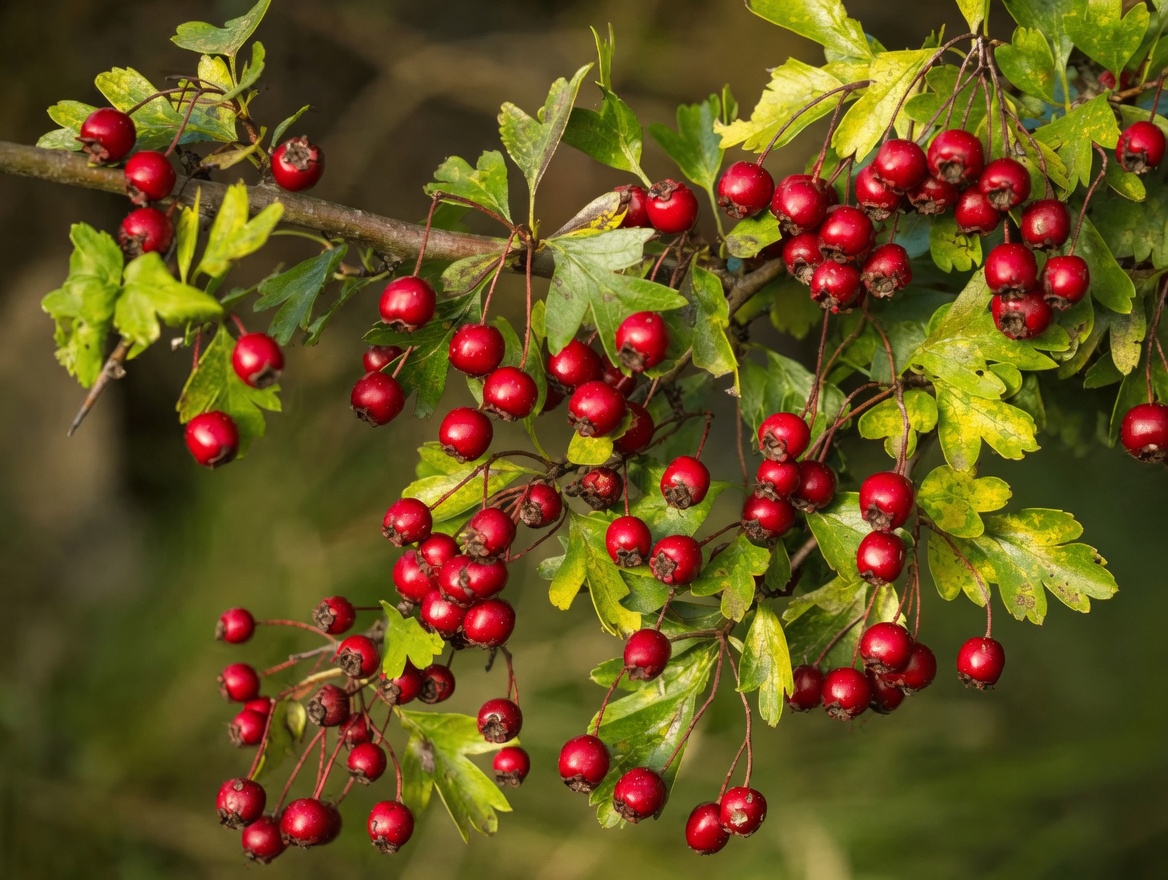
5. Hawthorn Berry: Traditional Support for the Heart and Blood Vessels
Hawthorn has a long history of use, largely due to its flavonoids and procyanidins, which are associated with blood vessel relaxation and cardiovascular support.
In Germany, hawthorn is recognized by Commission E for certain mild heart-related concerns, and some people find it helpful for leg comfort during walks—especially when they notice swelling after long days.
Typical ways to use hawthorn:
- 1–2 cups of hawthorn tea daily, or
- 450–900 mg of a standardized extract (as directed on a quality product)
Hawthorn is often described as a “gentler” option compared to stronger stimulatory herbs.
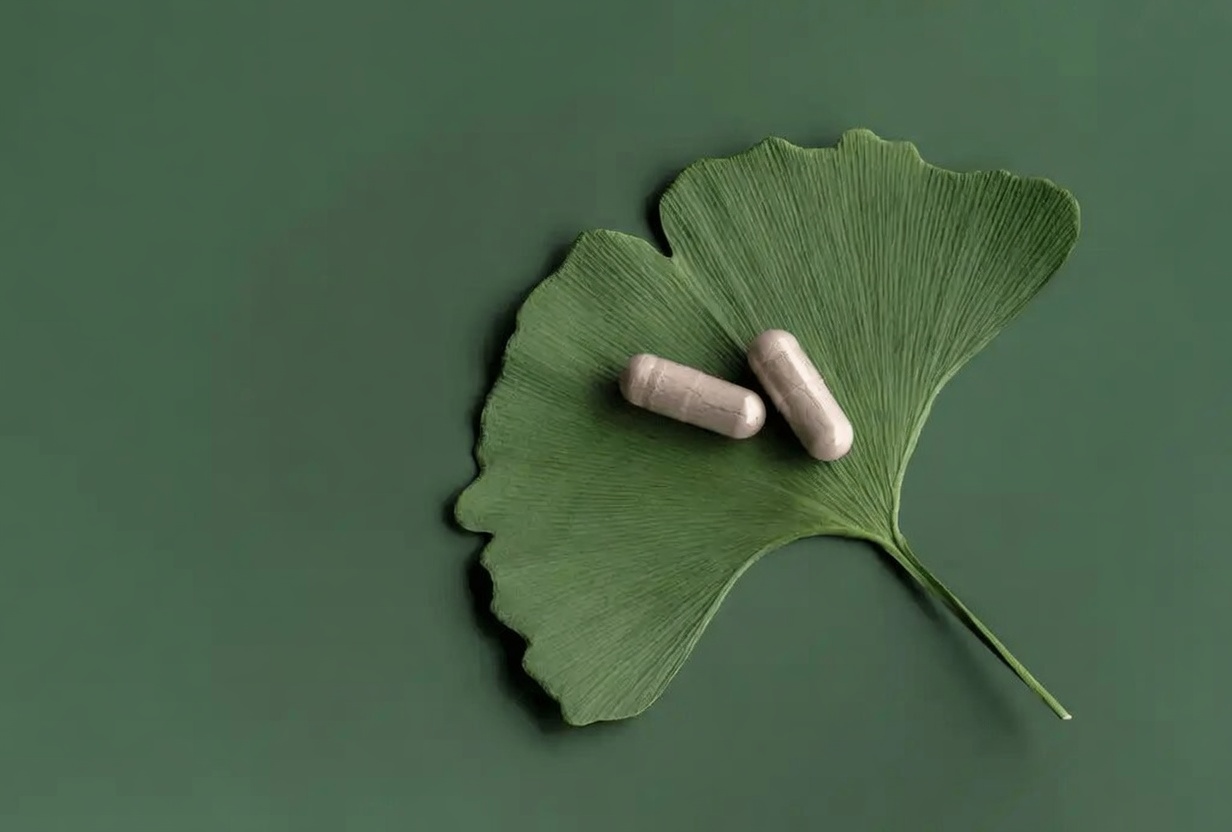
4. Ginkgo Biloba: Supporting Microcirculation in Smaller Vessels
Ginkgo biloba—particularly standardized extracts such as EGb 761—has been researched for its effects on microcirculation, including in the legs and extremities.
In some European settings, it’s used for sensations like limb heaviness. Some individuals report warmer feet or less “pins-and-needles” over time.
Common usage approach:
- 50–120 mg twice daily, taken with meals
- Some people evaluate changes over 4–6 weeks
For best consistency, choose a standardized ginkgo product rather than an unverified blend.
3. Sweet Basil (Including Holy Basil/Tulsi): A Daily Herb with Subtle Benefits
Sweet basil (and in many traditions, holy basil/tulsi) contains eugenol. Lab research suggests eugenol may influence platelet-related activity in a supportive direction.
A practical advantage: basil is widely available, typically easy on the stomach, and simple to add to meals.
Easy ways to use basil:
- Brew tea using a handful of fresh leaves
- Add dried basil to soups, sauces, and roasted vegetables
- Make holy basil tea part of an evening wind-down routine
Its versatility makes it one of the easiest herbs to use consistently.
2. Red Clover: Supporting Arterial Flexibility
Red clover contains isoflavones, which have been discussed in clinical observations related to maintaining arterial elasticity.
In trials involving post-menopausal women, consistent red clover tea use over about 12 weeks was associated with improved leg comfort for some participants.
How to try it:
- Drink 1–2 cups of red clover blossom tea daily
- The flavor is mild and slightly sweet; it pairs well with honey
This herb is often considered by women navigating hormonal transitions, though it can be used more broadly depending on individual needs.
1. Black Seed (Nigella sativa): A Leading Herb for Broad Circulation Support
Black seed stands out due to thymoquinone, a compound studied for its potential connections to inflammation balance and cholesterol support.
A 2023 meta-analysis of human trials reported that ½–1 teaspoon of black seed oil daily was associated with improvements in certain blood pressure markers.
How people commonly take it:
- ½–1 tsp of black seed oil daily
- Mixed into warm milk or taken with honey
- Often used morning and night for a steady routine
Many adults over 60 appreciate black seed for overall support—especially when they want lighter-feeling legs and better day-to-day energy. It is also attracting interest among cardiovascular researchers in parts of Europe because of its multi-target potential.
Quick Comparison: Six Herbs for Circulation Support
Here’s a simple at-a-glance guide to the key compounds, common daily amounts, and what each herb is often used for.
| Rank | Herb | Key Compound | Suggested Daily Amount | Common Focus for Adults 60+ |
|---|---|---|---|---|
| 6 | Cayenne Pepper | Capsaicin | ⅛–¼ tsp powder or 30–90 mg caps | Cold feet, heavy legs |
| 5 | Hawthorn Berry | Procyanidins | 450–900 mg extract or 1–2 cups tea | Swelling, mild heart-related support |
| 4 | Ginkgo Biloba | Ginkgolides | 120–240 mg standardized daily | Tingling, microcirculation, “brain fog” |
| 3 | Sweet Basil / Tulsi | Eugenol | Tea (2–3 cups) or regular food use | Gentle daily support |
| 2 | Red Clover | Isoflavones | 1–2 cups blossom tea | Arterial flexibility, post-menopausal comfort |
| 1 | Black Seed | Thymoquinone | ½–1 tsp oil or ~1 g seeds | Broad inflammation + vascular support |
Safety Guidelines and Precautions
Herbs can be helpful, but safety should come first—especially if you take medications or manage chronic conditions.
- Black Seed: Common range is ½–1 tsp oil daily; monitor blood sugar and blood pressure if relevant.
- Red Clover: 1–2 cups tea daily; consult a clinician if you use medications affected by natural coumarin-like compounds.
- Ginkgo Biloba: 120–240 mg/day standardized; typically stopped two weeks before surgery.
- Hawthorn Berry: 450–900 mg/day extract; use professional supervision if taking heart medications.
- Cayenne Pepper: ⅛–½ tsp/day; start low if you’re prone to heartburn or reflux.
- Sweet Basil / Tulsi: Generally well tolerated as tea or food in typical amounts.
These ranges reflect common use in studies and traditional practice, but individual responses can differ.
Experiences Shared by Adults Over 60
Personal stories aren’t the same as clinical evidence, but they can be motivating.
- George (69, Arizona): “After 10 weeks using black seed oil and hawthorn tea, my check-up showed positive changes in circulation markers.”
- Ellen (72, Ontario): “Cayenne with lemon water in the morning helped reduce the calf tightness I’d dealt with for years.”
Small, consistent changes often matter more than dramatic shifts.
A Simple 30-Day Plan to Explore Circulation Support
If you want a structured way to experiment, this gradual approach helps you observe how your body responds.
- Week 1: Start black seed oil — ½ tsp each morning with honey or warm milk.
- Week 2: Add an afternoon tea — choose hawthorn or red clover.
- Week 3: Use cayenne (small amount) and add fresh basil to dinner meals.
- Week 4: If you want extra microcirculation support, consider adding ginkgo (standardized) with meals.
Track how your legs and feet feel. Many people notice subtle shifts by day 14, though research often looks at 4–12 weeks for fuller effects.
Final Takeaway: Choose a Circulation Routine That Fits Your Life
Cayenne, hawthorn, ginkgo, basil, red clover, and black seed are six herbs commonly used to support healthy circulation as you age. When used thoughtfully and consistently—and with appropriate medical guidance—these natural options may help improve daily comfort and leg wellness.
Frequently Asked Questions
What should I do before trying these herbs?
Speak with your healthcare provider first, especially if you take prescription medications or manage chronic conditions. This is the safest way to avoid interactions.
How long does it usually take to notice changes?
It varies widely, but many studies and traditional routines suggest 4–12 weeks of consistent use for circulation-related support.
Can I combine multiple herbs?
Often yes, but start slowly and layer them gradually (like the 30-day plan) so you can clearly track what helps—and what doesn’t.
Informational Disclaimer
This article is for informational purposes only and does not provide medical advice, diagnosis, or treatment. Always consult a qualified healthcare professional before starting any new supplement or herbal routine.