
Many men over 50 notice gradual, sometimes frustrating changes tied to the prostate—waking up at night to urinate, feeling sudden urgency during the day, or sensing that the bladder never fully empties. These “small” issues can quietly reshape daily life: less restful sleep, lower energy, and more planning around bathrooms. It’s common, it’s rarely discussed, and it can chip away at quality of life over time.
What if a few simple natural oils—easy to add to meals or routines—could provide gentle, everyday support? By the end of this guide, you’ll also learn a practical way to combine them for a wellness-focused routine.

Understanding Age-Related Prostate Changes
As men get older, normal shifts in hormones—along with low-grade inflammation—can contribute to changes in the prostate. For many, that can show up as:
- A weaker urine stream
- More frequent trips to the bathroom
- Nighttime waking (nocturia)
- A lingering sense of urgency
Large population health research suggests these concerns become increasingly common after midlife, affecting a significant share of older men. The impact isn’t only physical: sleep disruption can affect mood, focus, and overall well-being.
The encouraging part is that many men look to supportive, lifestyle-friendly options alongside medical guidance—and plant-based oils are often part of that conversation.
Why Natural Oils Are Worth Considering
For centuries, various cultures have used natural oils in everyday wellness. Many contain bioactive compounds such as:
- Fatty acids
- Phytosterols
- Lignans
- Polyphenols
- Trace nutrients (like zinc in certain seeds)
Modern studies discussed in health and nutrition literature suggest some of these compounds may support urinary comfort and general prostate wellness. Results are not guaranteed—responses vary by person—but the main appeal is simplicity: oils are often easy to use without radically changing your lifestyle.
Next, let’s look at the oil most frequently associated with prostate support.
Saw Palmetto Oil: The Most Recognized Option
Saw palmetto oil is extracted from the berries of the saw palmetto palm. It has a distinctive earthy, nut-like scent and a smooth, rich texture.
Research has explored saw palmetto’s fatty acids and their potential role in supporting hormone-related pathways, including enzyme activity associated with prostate enlargement. While findings differ across studies, many men try it hoping for improved nighttime comfort and fewer urinary interruptions.
Here are commonly discussed potential benefits.

9 Potential Benefits of Saw Palmetto Oil
- May reduce nighttime bathroom trips: Could support fewer sleep disruptions and more restorative rest.
- May support a steadier urine stream: Some users report improved flow consistency over time.
- May ease mild pelvic tension: Fatty acids are often linked with comfort-supporting effects.
- May improve day-to-day confidence: Less urgency can mean fewer interruptions and more freedom.
- May encourage better bladder emptying: Some research links botanical support to improved urinary patterns.
- May gently address low-grade inflammation: A common theme in discussions around prostate changes.
- May support healthier hormone balance: Often mentioned in relation to DHT-modulating pathways.
- May boost overall comfort and energy: Better sleep can translate into better days.
- May help restore “normal routine” feelings: Consistent use is commonly paired with that goal.
Saw palmetto is popular, but it’s not the only oil men explore. Several others may complement it.
Natural Oils Commonly Used Alongside Saw Palmetto
Below is a clear comparison of well-known oils and what they are often used for in prostate-friendly routines.
- Saw Palmetto Oil: fatty acids; commonly associated with hormone-related comfort; earthy and nutty
- Pumpkin Seed Oil: zinc and beneficial lipids; often used for urinary flow support; mild and toasty
- Pygeum Oil: phytosterols; commonly associated with urgency and urinary comfort; subtly woody
- Stinging Nettle Root Oil: lignans and plant compounds; often discussed for swelling and balance; fresh herbal profile
- Flaxseed Oil: omega-3s; used for inflammation-supporting nutrition; smooth and nutty
- Sesame Oil: sesamin; often used for cellular protection and general wellness; warm roasted aroma
- Extra Virgin Olive Oil: polyphenols; broad health support including inflammation balance; fruity and familiar
Each oil brings a different nutrient “signature.” The most helpful insights, however, often come from real-life experiences.
Real-World Experiences: What Men Report
Consider John, 58, who felt worn down by restless nights. He began using saw palmetto oil consistently as part of his routine and later shared in a wellness community that he noticed fewer nighttime disruptions after several weeks—describing it as “getting my evenings back.”
Mike, 62, was hesitant about supplements but decided to try pumpkin seed oil in food (such as drizzled over meals). Over time, he felt it made a noticeable difference in day-to-day comfort.
Some research aligns with these kinds of stories. For example, clinical studies on pumpkin seed preparations (often around 320 mg in extract form) have reported symptom improvements in certain groups. Still, outcomes vary, and no single oil works for everyone.
Next are the additional oils many men explore beyond saw palmetto.
6 Additional Oils to Explore
- Pygeum oil: Derived from African tree bark and valued for its phytosterols. It’s frequently discussed for supporting urinary function and tissue comfort, and it blends easily into routines due to its mild, woody character.
- Stinging nettle root oil: Despite the name, it’s widely described as gentle. Its lignans are often studied for interactions with hormone pathways, and some people add it to drinks or daily regimens for a light herbal boost.
- Flaxseed oil: Known for omega-3 fatty acids, flaxseed oil is commonly used to support healthy inflammatory balance. Its flavor fits well in smoothies or cold foods (avoid high-heat cooking).
- Pumpkin seed oil: Popular for its nutrient content, including zinc, and often used to support urinary comfort and pelvic muscle function. It’s versatile and naturally toasty in taste.
- Sesame oil: A traditional oil containing sesamin, often used for general wellness and cellular protection. Its warm flavor makes it an easy fit in everyday cooking.
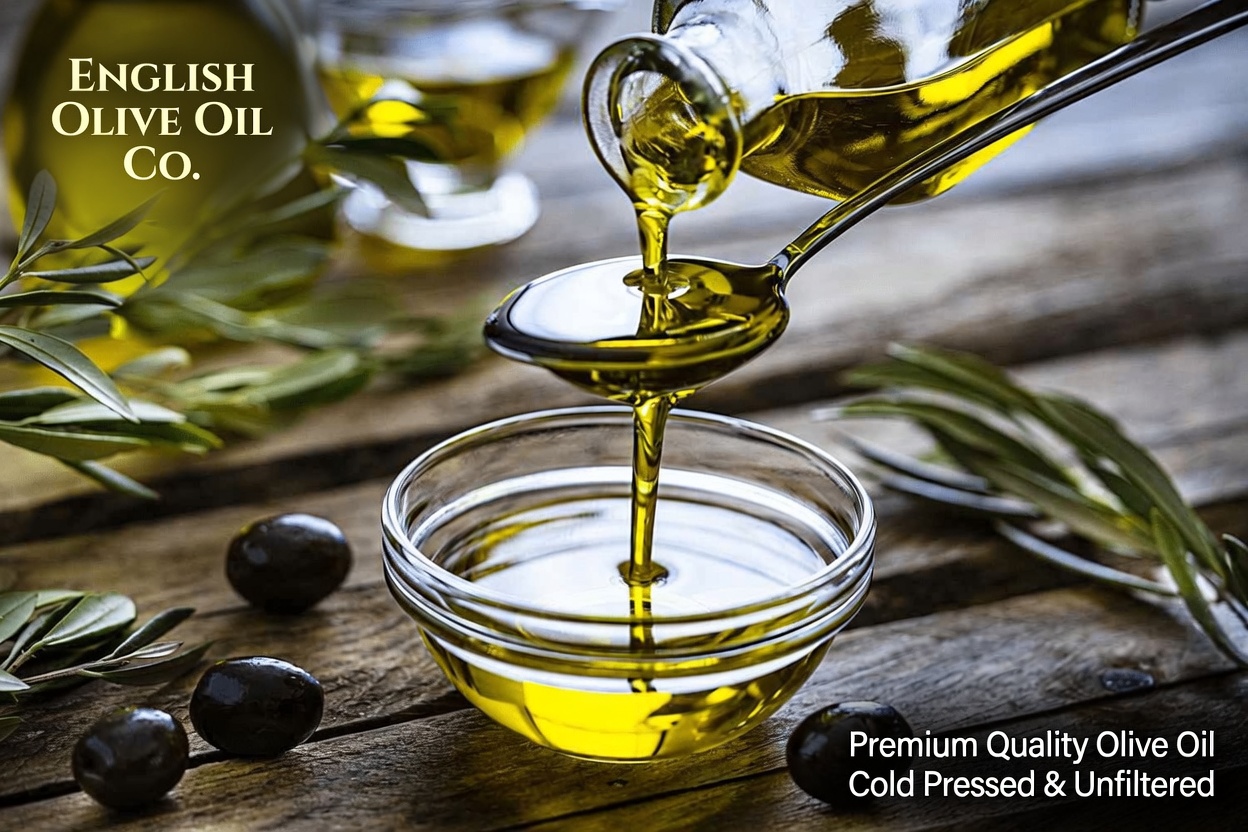
- Extra virgin olive oil: A staple in many heart-healthy diets, rich in polyphenols and associated with broad wellness benefits. It’s one of the simplest oils to use consistently.
How to Use These Oils Safely and Consistently
A careful, step-by-step approach helps you evaluate what works for your body.
-
Choose high-quality oils
- Look for cold-pressed options when possible
- Prefer reputable brands; consider organic if available
-
Start with one oil at a time
- Begin small (for example, 1 teaspoon daily for edible oils)
- Many start with saw palmetto or pumpkin seed first
-
Add oils to meals for easy consistency
- Drizzle over salads, mix into yogurt, or blend into smoothies
- For delicate oils (like flaxseed), use them cold rather than cooking
-
Track changes for 3–4 weeks
- Note sleep quality, urgency, frequency, and overall comfort
- Simple journaling can reveal patterns you might otherwise miss
-
Talk to a healthcare professional
- Especially important if you take medications, have existing conditions, or have persistent symptoms
Combining oils can work well—but it’s best to build gradually so you understand what helps (and what doesn’t).
Conclusion: A Simple, Natural Support Path
Natural oils—especially saw palmetto oil and complementary options like pumpkin seed, pygeum, nettle root, flaxseed, sesame, and olive oil—offer a gentle, practical way some men support prostate-related comfort. Better sleep, fewer interruptions, and more daily ease often start with small, consistent choices.
Start with one oil, stay consistent, monitor how you feel, and prioritize professional medical guidance so your plan fits your health needs.
Frequently Asked Questions
What signs suggest prostate health may need attention?
Common signs include frequent urination, nighttime waking, urgency, and a weaker urine stream. If symptoms persist, worsen, or affect daily life, see a doctor for assessment.
How long does it take to notice changes when using natural oils?
Some men report subtle differences within 2–4 weeks, but timelines vary. Consistency matters, and results depend on the individual and the underlying cause.
Can multiple oils be used together?
Many people combine oils (for example, saw palmetto + pumpkin seed oil). Introduce one at a time, start with small amounts, and monitor your response.
Medical Disclaimer
This article is for informational purposes only and does not replace professional medical advice, diagnosis, or treatment. Always consult a qualified healthcare provider for personalized guidance.