
Living with diabetes can make every food decision feel high-stakes—especially when it comes to fruit. Many people end up avoiding fruit altogether, missing out on natural sweetness, fiber, and key vitamins. Over time, that can lead to a less varied diet, more frustration at mealtimes, and fewer nutrients that support long-term health.
The good news: some fruits have a lower glycemic impact and can fit well into a diabetes-friendly routine when chosen wisely. Below are three standout options, why they work, and simple ways to add them to your meals with more confidence.
Why Fruit Can Still Belong in a Diabetes-Friendly Diet
Whole fruits deliver vitamins, minerals, antioxidants, and fiber in a convenient, satisfying package. For people managing diabetes, the goal isn’t to eliminate fruit—it’s to choose fruits that are less likely to trigger rapid blood sugar spikes.
A major reason whole fruit can be helpful is fiber. Fiber slows digestion and helps reduce how quickly sugars enter the bloodstream, meaning blood glucose may rise more gradually than it would with processed sweets or fruit juice. In addition, regular fruit intake is associated with broader health benefits, including potential support for heart health, which is especially important for people with diabetes.
The key takeaway: not all fruits affect blood sugar the same way. Choosing lower-GI fruits (GI = how quickly a food tends to raise blood glucose) can make fruit easier to enjoy within a balanced plan.
#3 Oranges: A Fresh Citrus Choice
Oranges are bright, refreshing, and often easier to portion than many other fruits. With an approximate glycemic index (GI) around 45, a whole orange typically leads to a more gradual blood sugar increase rather than a sharp spike—especially compared with juice.
Oranges also provide:
- Vitamin C for immune support
- Potassium, which can support healthy blood pressure
- Citrus flavonoids, which research has explored for potential roles in metabolic and glycemic support
A practical example: someone who previously avoided fruit may find that adding one small orange alongside a protein-rich breakfast helps them feel satisfied without noticeable glucose swings.

#2 Avocados: Creamy, Low-Carb, and Highly Satisfying
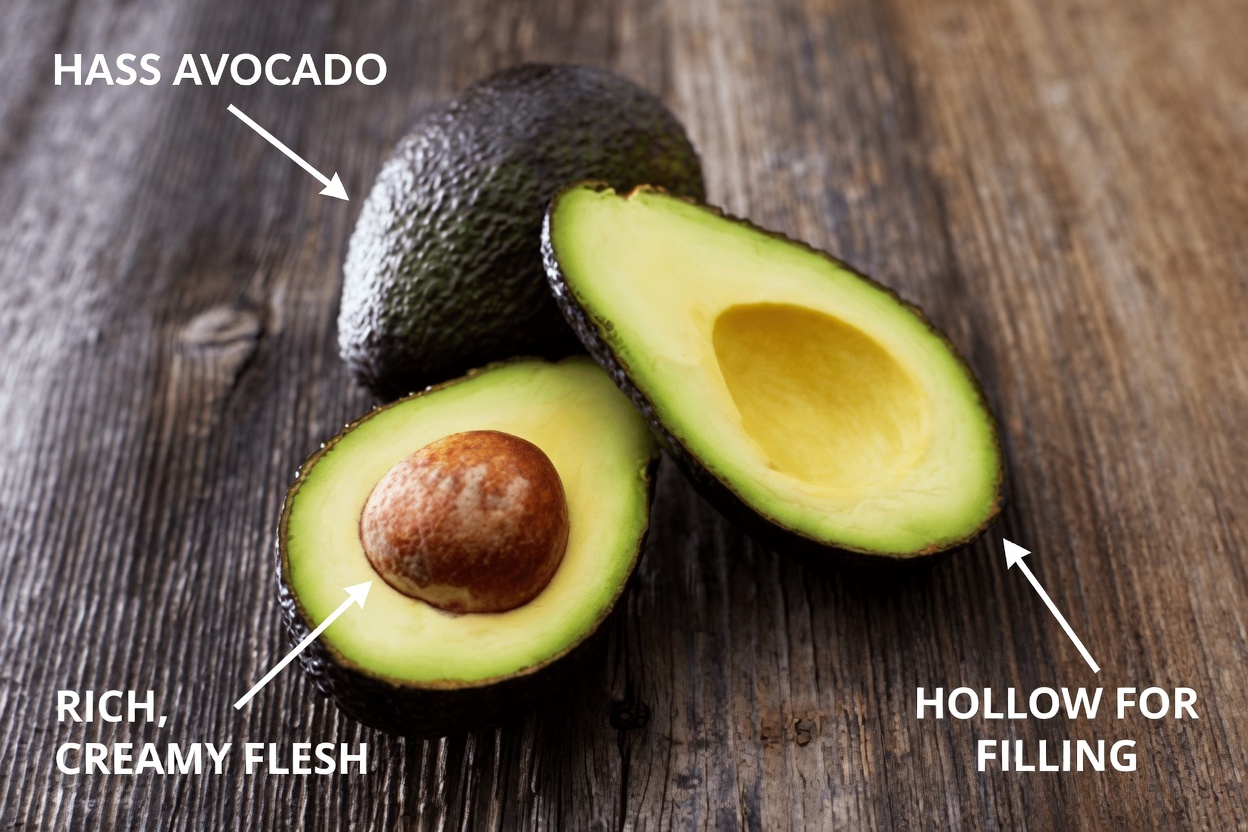
Although many people think of avocados like a vegetable, they are technically a fruit—and one of the most diabetes-friendly options available. With a GI under 15, avocado has minimal direct impact on blood sugar, largely because it is low in net carbohydrates and rich in healthy fats.
Why avocados stand out:
- High in monounsaturated fats, which may support insulin sensitivity over time
- A good source of fiber for fullness and steadier digestion
- Provides potassium and vitamin E, nutrients associated with cardiovascular support and inflammation balance
Many people notice a real-life benefit: swapping a carb-heavy snack for half an avocado can reduce midday hunger and make glucose levels feel more predictable.
#1 Berries: Low-GI Favorites Packed with Antioxidants
Berries (such as blueberries, strawberries, raspberries, and blackberries) earn the top spot because they combine low GI (about 25–40) with high fiber and a strong nutrient profile.
What makes berries especially valuable:
- Rich in anthocyanins, antioxidants studied for links to improved insulin sensitivity
- Naturally satisfying for sweet cravings without the sugar load of many desserts
- Provide vitamins and protective plant compounds that support overall wellness
They’re also easy to keep on hand: fresh or frozen berries (without added sugar) can work equally well for daily routines.

Quick Comparison: The 3 Best Fruit Options
| Fruit | Approximate GI | Key Nutrients | Suggested Serving | Why It Helps |
|---|---|---|---|---|
| Berries | 25–40 | Antioxidants, fiber, vitamins | ¾–1 cup | Lower glycemic rise; may support insulin sensitivity |
| Avocado | <15 | Healthy fats, potassium, fiber | ½ medium | Minimal impact on blood sugar; supports satiety and heart health |
| Orange (whole) | ~45 | Vitamin C, flavonoids, potassium | 1 small | More gradual rise; supports immune and cardiovascular health |
Practical Ways to Add These Fruits (Without Guesswork)
Use these habits to make fruit feel safer and more consistent in your plan:
-
Start by monitoring your response
Try a small portion (for example, ½ an orange) and check blood glucose before and after to learn your personal pattern. -
Pair fruit with protein or healthy fat
- Berries + Greek yogurt
- Avocado + turkey wrap
- Orange + a small handful of nuts
-
Choose whole fruit over juice
Juice removes most fiber and can raise blood sugar faster. Whole fruit keeps the fiber intact. -
Keep portions realistic
A common target is about 15 grams of carbs per serving, which is roughly:- 1 small orange, or
- around ¾–1 cup of berries (depending on the type)
-
Introduce one fruit at a time
Try one option for several days before adding another, so it’s easier to identify what affects your glucose.
Simple meal ideas:
- Blend berries into a smoothie with spinach and unsweetened almond milk
- Add avocado to whole-grain toast or a salad
- Enjoy a small orange as an afternoon snack with nuts
Conclusion: Turn These Fruits into Helpful Daily Staples
Berries, avocados, and oranges can be smart, flavorful additions to a diabetes-friendly eating pattern. Their fiber, nutrients, and generally lower GI profiles may help support steadier blood sugar when portions are reasonable and paired thoughtfully.
Frequently Asked Questions
Can people with diabetes eat fruit every day?
Many people with diabetes can enjoy fruit daily as part of a balanced diet. Focus on whole, low-GI fruits, watch portions, and track your individual response.
How much fruit is typically recommended for diabetes?
A common approach is 2–3 servings per day, with one serving often defined as about 15 grams of carbohydrates. Your ideal amount depends on your overall meal plan—ask your clinician or dietitian for personalized guidance.
Is fruit juice a good substitute for whole fruit?
Usually no. Fruit juice lacks fiber and can cause blood sugar to rise more quickly. Whole fruit is generally the better choice for blood glucose management.
Medical note: This article is for informational purposes only and does not replace professional medical advice. Always consult your healthcare provider before making dietary changes.