
Everyday Bloating, Indigestion, and Liver Wellness: Where Licorice Root Fits In
In a busy modern lifestyle, occasional bloating, indigestion, or concerns about maintaining healthy liver function can leave you feeling heavy, tired, and uncomfortable. These common issues may interrupt your daily routine—making meals less enjoyable and raising questions about long-term wellbeing.
There’s a natural, time-tested herb that many traditional health systems have relied on for gentle support. And at the end, you’ll find a simple (and surprisingly tasty) combination that can upgrade your daily tea ritual.

What Is Licorice Root?
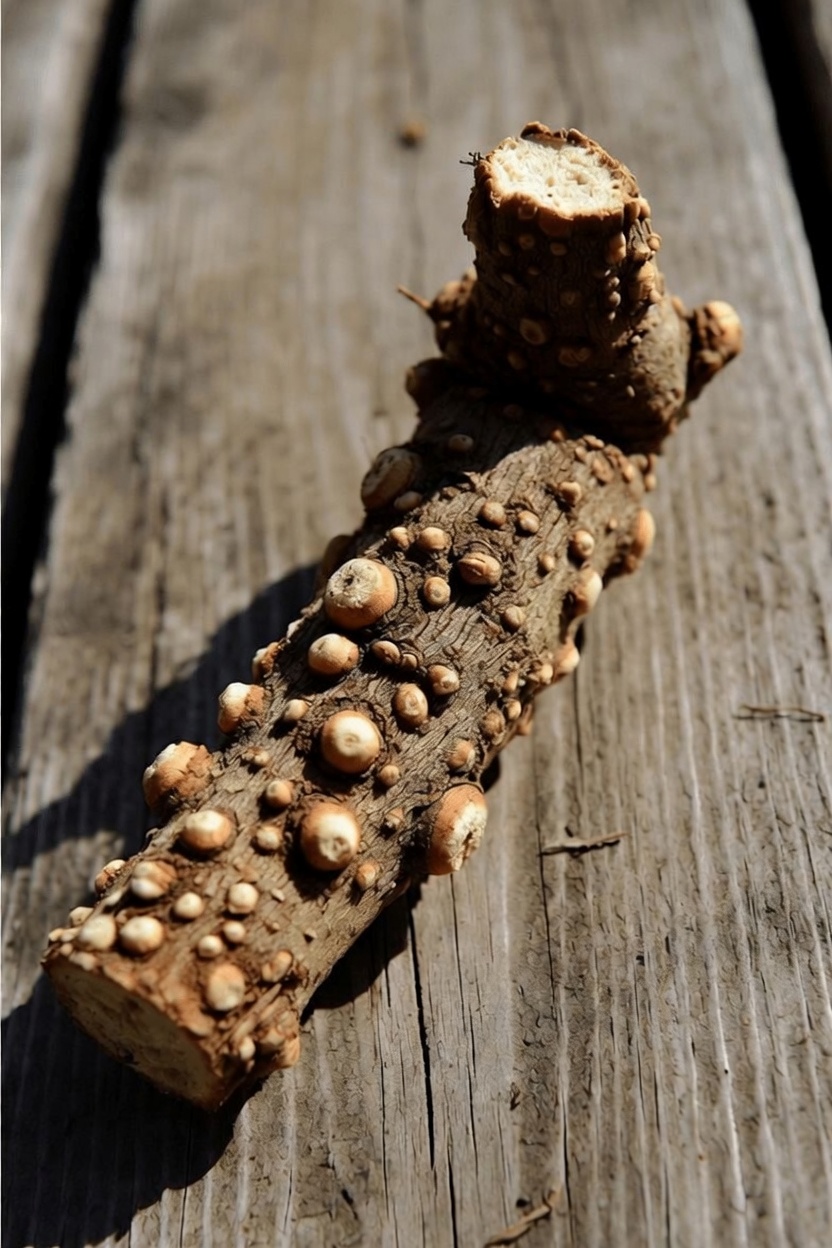
Licorice root (Glycyrrhiza glabra) comes from a perennial plant native to parts of Europe and Asia. For centuries, it has played a role in traditional wellness systems such as Ayurveda and Traditional Chinese Medicine.
While many people recognize licorice for its naturally sweet flavor in candies and herbal teas, the root is also valued for its active plant compounds—especially glycyrrhizin and flavonoids. These bioactive components are part of why licorice root continues to attract interest in modern wellness research, particularly for its antioxidant potential, which helps the body respond to free radical activity.
Top Potential Benefits of Licorice Root
Licorice root has earned a strong reputation in herbal traditions. Below are key areas where it may offer support, based on traditional use and early scientific findings.
May Help Support Liver Function
Licorice root is often included in traditional herbal formulas focused on liver support. Research suggests its naturally occurring anti-inflammatory and antioxidant compounds may help reinforce the liver’s normal protective processes.
One study reported that licorice root supplementation was associated with improvements in liver enzyme markers and reduced hepatic steatosis in women with nonalcoholic fatty liver disease (NAFLD). While results can vary and research is still evolving, compounds such as glycyrrhizin have demonstrated hepatoprotective activity in certain animal and cell-based studies.
This does not replace medical care—consider these findings as informational rather than diagnostic or curative.
Supports Digestive Comfort
Licorice root is widely known in traditional practice for easing minor digestive discomfort. It is often described as helping the stomach feel calmer, potentially by supporting the body’s natural protective lining in the digestive tract.
Emerging evidence suggests it may also encourage bile production, which can contribute to smoother digestion—especially after heavier meals. A review discussing licorice’s gastrointestinal applications noted its historical use for concerns such as peptic ulcers, potentially through increased mucus production and reduced irritation.
Key ways licorice root may support digestion include:
- Protective support: Traditionally believed to help soothe and protect the stomach lining
- Bile support: May assist the body’s natural breakdown of foods
- Anti-inflammatory effects: Certain compounds may help reduce oxidative stress in the gut
Many herbs offer digestive benefits, but licorice root stands out because its naturally sweet taste makes it especially easy to enjoy in teas.
Additional Wellness Support
Licorice root is also valued for its broad antioxidant profile. By helping neutralize free radicals, it may contribute to overall wellness in a supportive role.
Early research has explored potential effects related to immune regulation and anti-fibrotic activity, although more robust human studies are needed before drawing firm conclusions. This range of interest is part of why licorice remains popular in holistic routines.
How to Use Licorice Root Safely
Adding licorice root to your routine can be simple, but it’s best done thoughtfully—especially if you plan to use it regularly.
Traditional Ways to Prepare Licorice Root
One of the most common options is licorice root tea, which gently extracts its herbal compounds.
How to make licorice root tea at home:
- Use 1–2 teaspoons of dried licorice root pieces
- Bring 8 ounces of water to a boil
- Add the root and simmer for 5–10 minutes
- Strain and drink warm (optional: add a small amount of honey)
Licorice is also available as capsules, powders, and extracts. Choose reputable brands and follow the product label.

Practical Tips to Add It to Your Routine
To keep things easy and sustainable:
- Start small: Try 1 cup of tea daily and observe how you feel
- Blend carefully: Combine with ginger for added digestive comfort (simmer together around 10 minutes)
- Track results: Note changes in bloating, digestion, or energy after a week
- Check interactions: If you take medications or manage a condition, talk with a healthcare professional first
Precautions and Warnings
Licorice root can be helpful, but overuse can cause side effects. High or prolonged intake may contribute to:
- Increased blood pressure
- Sodium retention
- Low potassium levels
- In some cases, irregular heartbeat
People who are pregnant, or those with high blood pressure, heart conditions, or kidney issues, should avoid high doses unless advised by a qualified clinician.
You may also come across DGL (deglycyrrhizinated licorice). This form removes most glycyrrhizin, which may reduce certain risks while still supporting digestive comfort.
Herbal Allies for Liver and Digestion
Licorice root is often discussed alongside other traditional herbs used for digestion and liver wellness. Here’s a quick comparison:
-
Milk thistle (key compound: silymarin)
- Traditional focus: liver detox support
- Potential role: supports liver pathways
-
Dandelion root (key compound: inulin)
- Traditional focus: bile flow and digestion
- Potential role: supports digestive function naturally
-
Turmeric (key compound: curcumin)
- Traditional focus: inflammation balance
- Potential role: supports overall inflammatory response
These herbs may complement each other in blends, though evidence varies by herb and condition.
Final Thoughts: A Simple Tea Upgrade
Licorice root remains a well-known traditional herb, valued for potential digestive support and liver wellness support when used responsibly as part of a healthy lifestyle.
That “unexpected combination” to try: licorice tea with a dash of turmeric and a touch of honey. It’s an easy, soothing blend that many people find both comforting and enjoyable.
Frequently Asked Questions
What is licorice root used for traditionally?
Traditional herbal systems commonly use licorice root for digestive comfort, general toning support, and soothing applications that date back to ancient wellness practices.
Is licorice root safe for daily use?
For many healthy adults, moderate use (such as occasional tea) is generally considered acceptable. If you have a medical condition, take medications, or plan daily long-term use, consult a healthcare professional.
How does licorice root compare with other digestion herbs?
Like turmeric and dandelion, licorice may support digestion through anti-inflammatory and supportive mechanisms. Its major advantage is its pleasant natural sweetness, which makes it especially popular in teas—though responses can differ between individuals.
Educational use only. This content is not intended to diagnose, treat, cure, or prevent any disease. Always consult a qualified healthcare professional before starting any supplement, especially if you have a medical condition or take prescription medications.