

Oatmeal Can Be Healthy, but Small Mistakes May Undermine It
On hectic mornings, oatmeal often feels like one of the smartest breakfast choices you can make. It is filling, rich in fiber, and known for providing more stable energy than many sugary breakfast foods. But the way you choose, prepare, and top your oats can quietly change the outcome.
A few common habits may lead to faster energy crashes, mild digestive issues, or a breakfast that is less nutritious than you assumed. These mistakes are easy to make, and over time they can leave your mornings feeling less satisfying than they should.
The encouraging part is that most of these issues are simple to fix. And one overlooked habit in particular may significantly improve how your body digests and benefits from oatmeal.
Why Oatmeal Still Belongs in a Healthy Routine
Oatmeal remains a popular breakfast for good reason. Oats contain beta-glucan, a type of soluble fiber linked to healthy cholesterol support and longer-lasting fullness. When prepared well, oatmeal can be a simple and nourishing way to start the day.
Still, not every bowl offers the same benefits. The type of oats you buy, how you cook them, and what you add on top all influence the final nutritional value. In many cases, the problem is not oatmeal itself, but the small daily choices surrounding it.
Understanding the most common oatmeal mistakes can help you get the steady energy, better digestion, and balanced nutrition you expected in the first place.
1. Buying Highly Processed Instant or Flavored Oatmeal
Instant oatmeal is convenient, but that convenience often comes with trade-offs. These oats are typically more processed, which can affect texture, digestion speed, and how long they keep you full. Less processed choices such as steel-cut oats and old-fashioned rolled oats generally break down more slowly, helping support steadier energy through the morning.
Flavored packets can be even more misleading. Many contain added sugar, sodium, and artificial flavorings, turning a simple breakfast into something much less balanced than it appears.
Switching to plain oats is one of the easiest upgrades you can make, and many people notice the difference quickly.
2. Adding Too Much Sugar Through Toppings
A bowl of plain oats can become dessert in disguise once sweeteners and sugary toppings start piling up. Brown sugar, honey, maple syrup, sweetened dried fruit, and flavored yogurt may seem harmless in small amounts, but together they can cause bigger blood sugar swings and leave you hungry sooner.
Breakfasts high in added sugar often lead to uneven energy later in the day. Fortunately, you do not need to sacrifice flavor to eat more wisely.
Here are better topping choices to keep your oatmeal nutritious and satisfying:
- Less ideal options: brown sugar, honey, chocolate chips, sweetened dried cranberries, sugary flavored yogurt
- Better alternatives: fresh berries, cinnamon, nutmeg, chopped walnuts, plain Greek yogurt
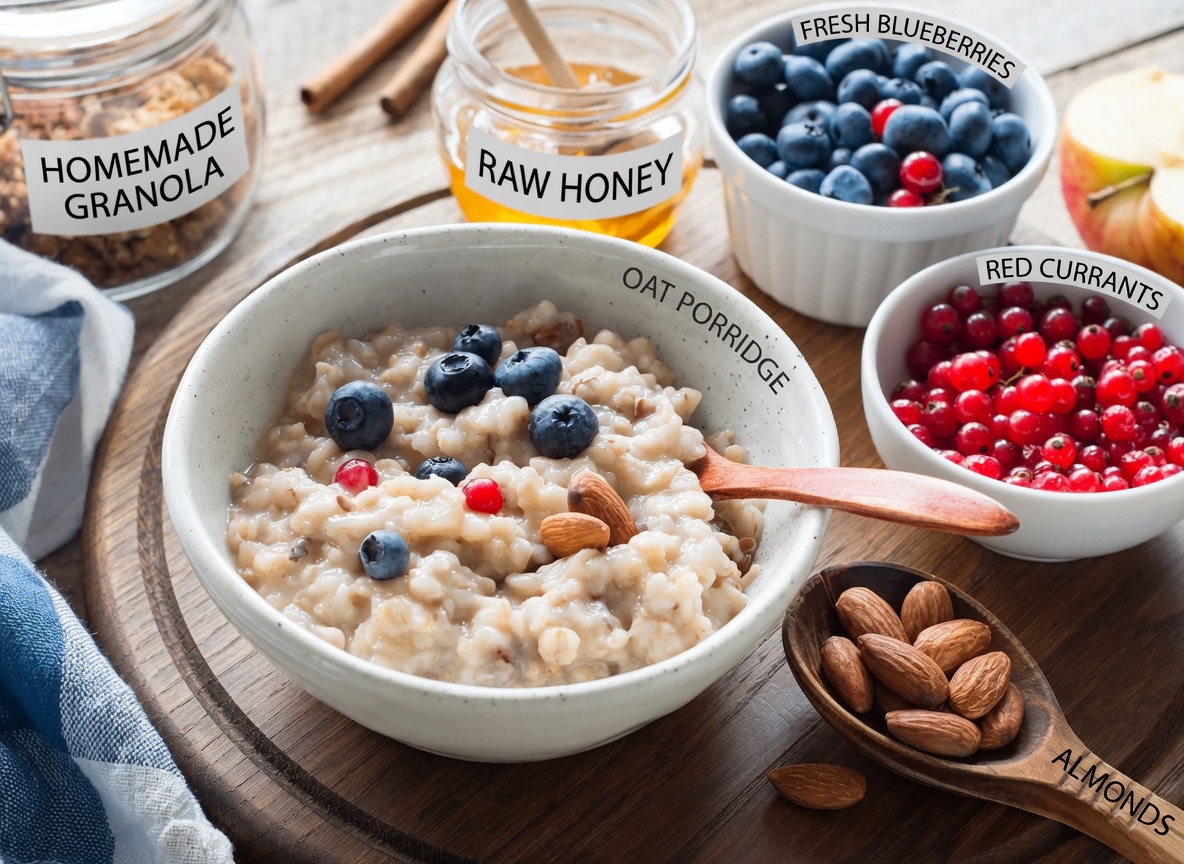
These simple swaps add taste, texture, and nutrients without overwhelming the natural benefits of oats.
3. Forgetting Protein and Healthy Fats
Oatmeal provides carbohydrates and fiber, but on its own it is relatively low in protein and fat. That means a plain bowl may not keep you full for as long as you want. Without protein and healthy fat, digestion may happen too quickly, leading to mid-morning hunger or energy dips.
A more balanced breakfast combines carbohydrates with protein and fat. This helps slow digestion and improves satiety.
Good additions include:
- Protein: Greek yogurt, egg whites, protein powder, cottage cheese
- Healthy fats: nuts, chia seeds, flaxseeds, almond butter, peanut butter
You do not need to make oatmeal complicated. A few thoughtful additions can turn it into a much more complete meal.
4. Using the Wrong Cooking Method or Liquid Ratio
How you cook oatmeal matters more than many people think. Overcooking can make oats overly soft and broken down, while undercooking can leave them unpleasantly chewy or difficult to enjoy. The amount of liquid you use also affects texture and digestion.
For example:
- Steel-cut oats usually need a longer, gentler simmer
- Rolled oats cook faster but can become mushy if left too long
The goal is to preserve the oats' natural structure as much as possible while still achieving a creamy, enjoyable texture. Paying attention to cooking time and oat-to-liquid ratio can make a major difference in both taste and satisfaction.
5. Eating Portions That Are Too Large or Relying on Oatmeal Every Day
Oatmeal is nutritious, but it is still a carbohydrate-rich food. Very large servings may feel heavy, especially if your body is not used to high-fiber meals. For some people, oversized portions can lead to bloating or digestive discomfort.
A reasonable serving is often around:
- 1/2 to 3/4 cup of dry oats
The right amount depends on your activity level, appetite, and the rest of your meal.
It can also help to rotate breakfast choices instead of eating oatmeal every single day. Variety keeps meals interesting and may help your digestion adapt better over time.
6. Overlooking Oat Quality and Sourcing
Not all oats are processed or sourced in the same way. Some people prefer organic oats to reduce potential exposure to agricultural residues. While standard levels are generally considered acceptable by regulators, choosing organic can provide added peace of mind for those who value cleaner food options.
Another important point is certified gluten-free oats. Oats are naturally gluten-free, but they can become contaminated with gluten during harvesting, transport, or packaging. For anyone with gluten sensitivity or celiac concerns, certified gluten-free labeling matters.
Small quality upgrades can sometimes have a noticeable impact on how comfortable and confident you feel eating oatmeal regularly.
7. Skipping the Soaking Step
This may be the most overlooked oatmeal habit of all. Oats contain naturally occurring compounds called phytates, which can bind to minerals such as iron and zinc. Soaking oats before cooking may help reduce these compounds, making the oats easier to digest and potentially improving mineral availability.
The process is simple and requires very little effort.
How to soak oats overnight
- Place your dry oats in a bowl or jar.
- Add liquid using a 1:2 ratio of oats to liquid.
- Stir in a teaspoon of plain yogurt or a squeeze of lemon juice.
- Cover and refrigerate overnight.
- In the morning, warm gently and add balanced toppings.
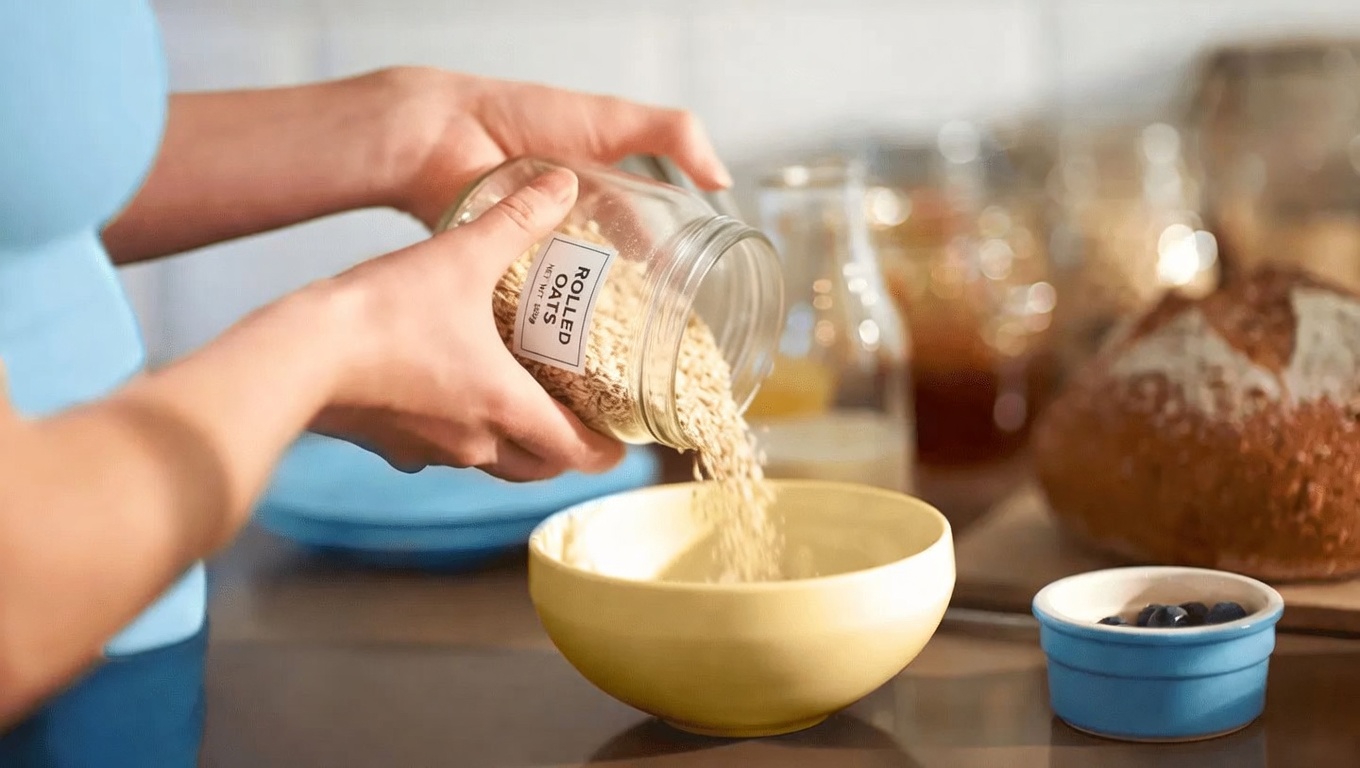
Many people find that soaked oats have a better texture, feel gentler on digestion, and make for a more satisfying breakfast overall.
Once you get comfortable with this method, you can also explore savory oatmeal. Toppings like a poached egg, spinach, and a little hot sauce can create a completely different but equally nourishing meal.
How to Build a Better Bowl of Oatmeal
Making oatmeal more nutritious does not have to be complicated. A well-balanced bowl usually follows a few simple principles:
- Start with old-fashioned rolled oats or steel-cut oats
- Cook them gently to help preserve texture and fiber
- Add at least 15 grams of protein from Greek yogurt, egg whites, or protein powder
- Include healthy fats such as nuts, seeds, or nut butter
- Finish with natural flavor from fruit, cinnamon, or a small amount of dark chocolate if you want something more indulgent
This approach transforms oatmeal from a basic breakfast into a meal that better supports your wellness goals, energy levels, and digestion.
Final Thoughts
Oatmeal still deserves its reputation as a healthy breakfast, but the details matter. The wrong oats, too much sugar, missing protein, poor cooking methods, oversized portions, low-quality sourcing, and skipping the soaking step can all reduce the benefits.
The good news is that every one of these mistakes is easy to correct. With a few smarter choices, you can turn oatmeal into a breakfast that is more balanced, more satisfying, and far more effective at supporting a strong start to your day.