Why Subtle Symptoms Matter for Women’s Health
Modern women constantly balance work, family, personal goals, and the invisible load of daily stress. With so much going on, it’s natural to blame physical or emotional shifts on common causes:
- Feeling drained? Maybe you didn’t sleep enough.
- Bloating? Probably a food reaction.
- Weight fluctuations? Hormones again.
Often, those explanations are accurate. But when a symptom doesn’t go away, gradually worsens, or keeps returning, it may be your body asking for a closer look.
Health organizations such as the American Cancer Society and Mayo Clinic emphasize that early detection improves outcomes for many cancers. The difficulty is that cancer can begin quietly—with signs that are easy to overlook.
14 Early Warning Signs of Cancer Women Shouldn’t Ignore
1) Unintentional Weight Loss (Without Diet or Exercise Changes)
Dropping 9–11 pounds (4–5 kg) or more without trying can feel like a win, but unexplained weight loss may happen when cancer changes how the body uses energy.
- More often linked with cancers involving the pancreas, stomach, lungs, or digestive tract
- What to do: Weigh yourself weekly and note appetite or digestion changes. If the trend continues, get evaluated.
2) Ongoing Fatigue That Rest Doesn’t Improve
Cancer-related fatigue isn’t the same as everyday tiredness. It can feel heavy and persistent, even after a full night of sleep.
- Commonly seen in some blood cancers (such as leukemia and lymphoma)
- Key clue: Typical fatigue improves with rest; cancer-related fatigue often doesn’t.
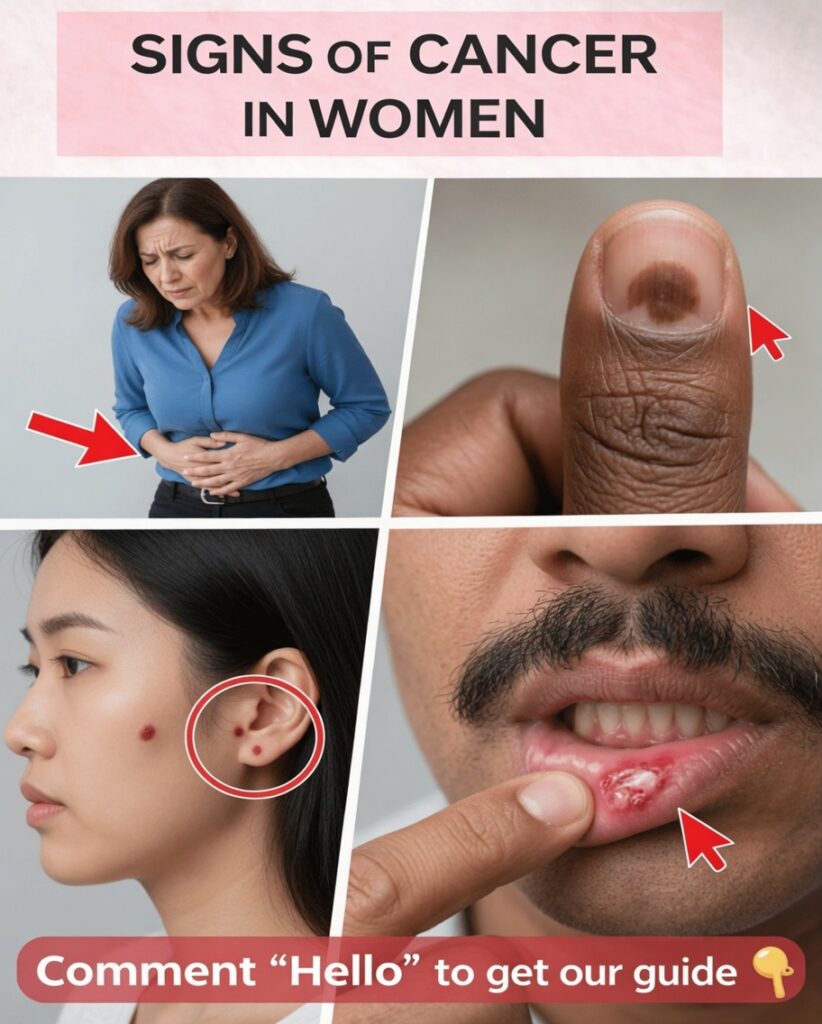
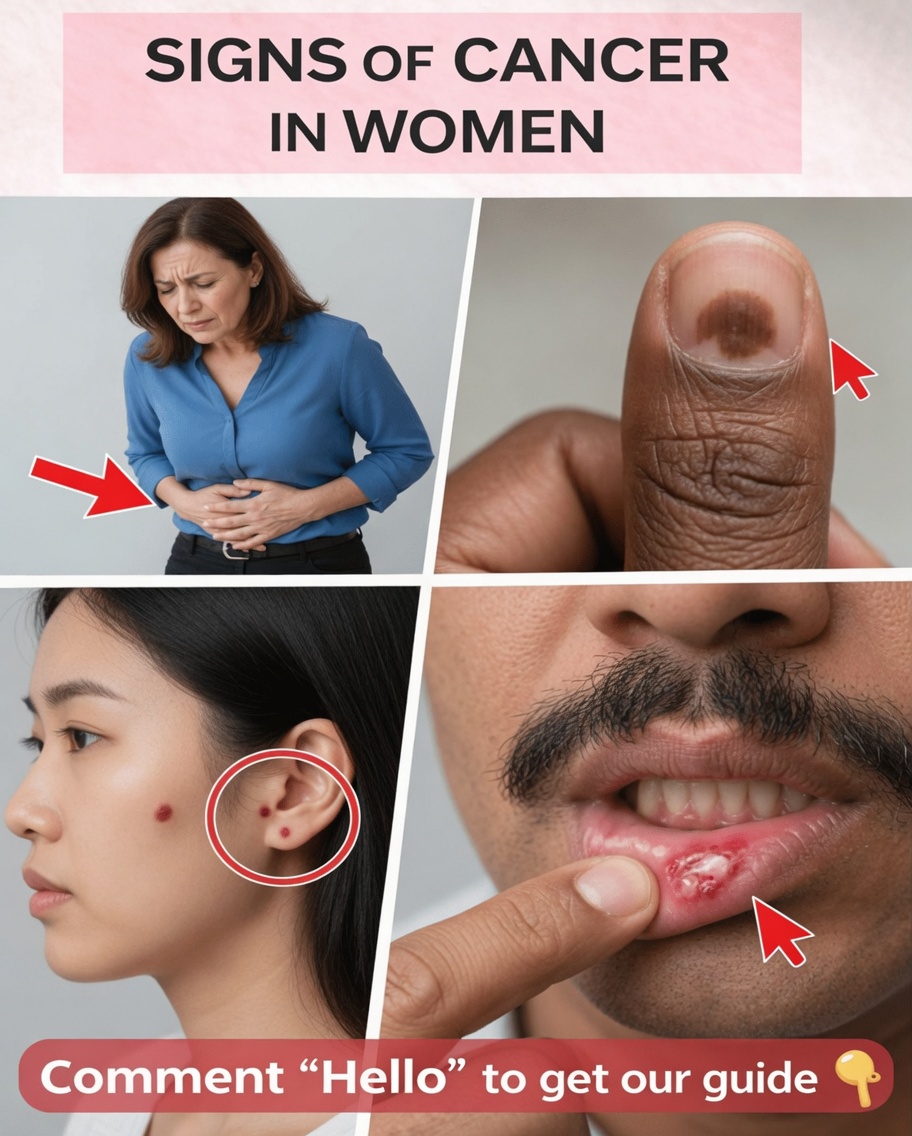
3) New Skin Changes or a Mole That’s Changing
Your skin can reveal early clues—especially for melanoma. Check moles with the ABCDE rule:
- A — Asymmetry
- B — Border irregularity
- C — Color variation
- D — Diameter larger than a pencil eraser
- E — Evolving over time
Also pay attention to sores that won’t heal, persistent itching, or unusual skin patches.
4) Persistent Abdominal Bloating
Bloating now and then is normal. But bloating that:
- lasts more than two weeks
- occurs frequently
- comes with feeling full quickly
…shouldn’t be dismissed. It can be associated with ovarian cancer or other gastrointestinal problems.
Helpful habit: Track food and symptoms to see if bloating is persistent regardless of diet.

5) Breast Changes Beyond a Lump
A lump is not the only sign. Watch for:
- skin dimpling or an “orange peel” texture
- redness or swelling
- nipple turning inward (inversion)
- unusual discharge
These changes may appear without pain, which is why regular self-awareness matters.
6) Unusual Vaginal Bleeding or Discharge
Bleeding that happens:
- after menopause
- between periods
- heavier than your normal cycle
…should always be checked. It can be an early sign of endometrial or cervical cancer.
Tip: A period-tracking app can help you spot irregular patterns early.
7) Ongoing Changes in Bowel or Urinary Habits
Pay attention to changes such as:
- persistent diarrhea or constipation
- blood in stool or urine
- frequent urination, pelvic pressure, or urgency
These can be connected to colorectal, bladder, or ovarian cancers. Doctors hear these concerns every day—there’s no need to feel embarrassed.
8) A Cough or Hoarseness That Persists
If a cough lasts longer than three weeks, or comes with:
- voice changes
- chest discomfort
- shortness of breath
…seek medical advice, especially if you smoke or have high pollution exposure.
9) Sores That Don’t Heal
Any sore in the mouth, gums, lips, or skin that lasts more than two weeks—particularly if it bleeds—should be examined.
Oral cancers may begin with painless changes, so “minor” sores deserve attention when they linger.
10) Trouble Swallowing or Chronic Heartburn
Occasional reflux is common. But if:
- swallowing often feels difficult
- food frequently feels stuck
- heartburn doesn’t improve with standard treatment
…it may indicate an issue in the esophagus or stomach and should be assessed.
11) Unexplained Back, Pelvic, or Bone Pain
It’s easy to blame pain on posture, stress, or a busy schedule. Still, persistent pain—especially pelvic or lower back pain—can sometimes be linked to ovarian or other cancers.
Pain is information. If it’s ongoing and unexplained, don’t ignore it.
12) Lymph Nodes That Stay Swollen
Lymph nodes often enlarge during infections and typically settle down within a few weeks. If you notice nodes that are:
- enlarged
- hard
- painless
- not shrinking
…in the neck, armpits, or groin, it’s time to get checked.
13) Recurrent Fevers or Night Sweats
Repeated low-grade fevers or intense night sweats without an obvious infection can sometimes be related to blood cancers.
Tracking temperature and timing can provide useful clues for your clinician.
14) Changes in the Mouth or Tongue
Look for:
- white or red patches
- thickened areas
- sores that persist
These signs deserve attention—especially for people who smoke or drink alcohol. A monthly mouth self-check takes less than a minute and can help catch changes early.

Quick Guide: When to Pay Closer Attention
- Unexplained weight loss: ongoing for about 1 month (often digestive-related)
- Persistent fatigue: 2+ weeks without improvement (sometimes blood-related)
- Abnormal bleeding: immediate evaluation (often reproductive or colorectal concerns)
- Constant bloating: 2+ weeks (possible ovarian/abdominal causes)
- Skin or mole changes: any noticeable change (skin/melanoma screening)
Real-Life Pattern: Many Women Don’t Feel “Seriously Ill”
Many women diagnosed early report they didn’t feel dramatically sick. They simply noticed something was “off,” tracked the change, and got it checked. Early consultation can either ease anxiety—or lead to earlier, more manageable treatment.
What You Can Do Starting Today
- Learn what’s normal for your body (energy, digestion, skin, cycle)
- Track key trends monthly: weight, fatigue, period patterns, skin changes
- Keep up with routine screening tests: mammograms, Pap/HPV tests, preventive exams
- Record symptoms with dates—duration often matters more than intensity
- Speak openly with your healthcare provider
- Support prevention with habits: balanced nutrition, regular movement, limited alcohol, and no tobacco
Prevention isn’t about fear—it’s about control and confidence.
Frequently Asked Questions (FAQ)
Does one symptom automatically mean cancer?
No. Most of these symptoms are far more commonly caused by stress, infections, medications, or hormonal shifts. The key concern is persistence, progression, or an unusual pattern.
When should I see a doctor?
If a change lasts longer than two weeks, keeps returning, or worries you, it’s wise to schedule an appointment.
Are there screening tests for cancer?
Yes. Common screenings include mammograms, Pap/HPV tests, colonoscopy, and other tests depending on age, family history, and personal risk factors.