A Simple Morning Seed Habit to Support Eye and Brain Health After 90
Getting older can bring small but discouraging changes: printed words may look less sharp, and familiar names can take longer to surface. When independence and mental clarity matter to you, even minor shifts in vision and memory can affect confidence and everyday routines.
The good news is that research continues to highlight how steady, nourishing nutrition can support healthy aging. One surprisingly easy morning habit involves three common seeds—and the biggest advantage comes from how they complement each other.
Why Vision and Memory Often Need Extra Support After 90
With age, the sensitive tissues in the eyes and brain can become more susceptible to oxidative stress—the gradual buildup of damage related to free radicals and normal wear over decades.
- In the eyes, this may affect visual clarity, contrast, and comfort.
- In the brain, it may influence processing speed, focus, and recall.
Multiple studies suggest that certain nutrients—especially omega-3 fatty acids, antioxidants, zinc, and magnesium—play helpful roles in maintaining normal eye structure and cognitive function as we get older.
Food can’t reverse time, but consistent nutrient intake can still make a meaningful difference, even in your 90s.
The Three Seeds That Stand Out
1) Flaxseeds: A Plant-Based Omega-3 Boost
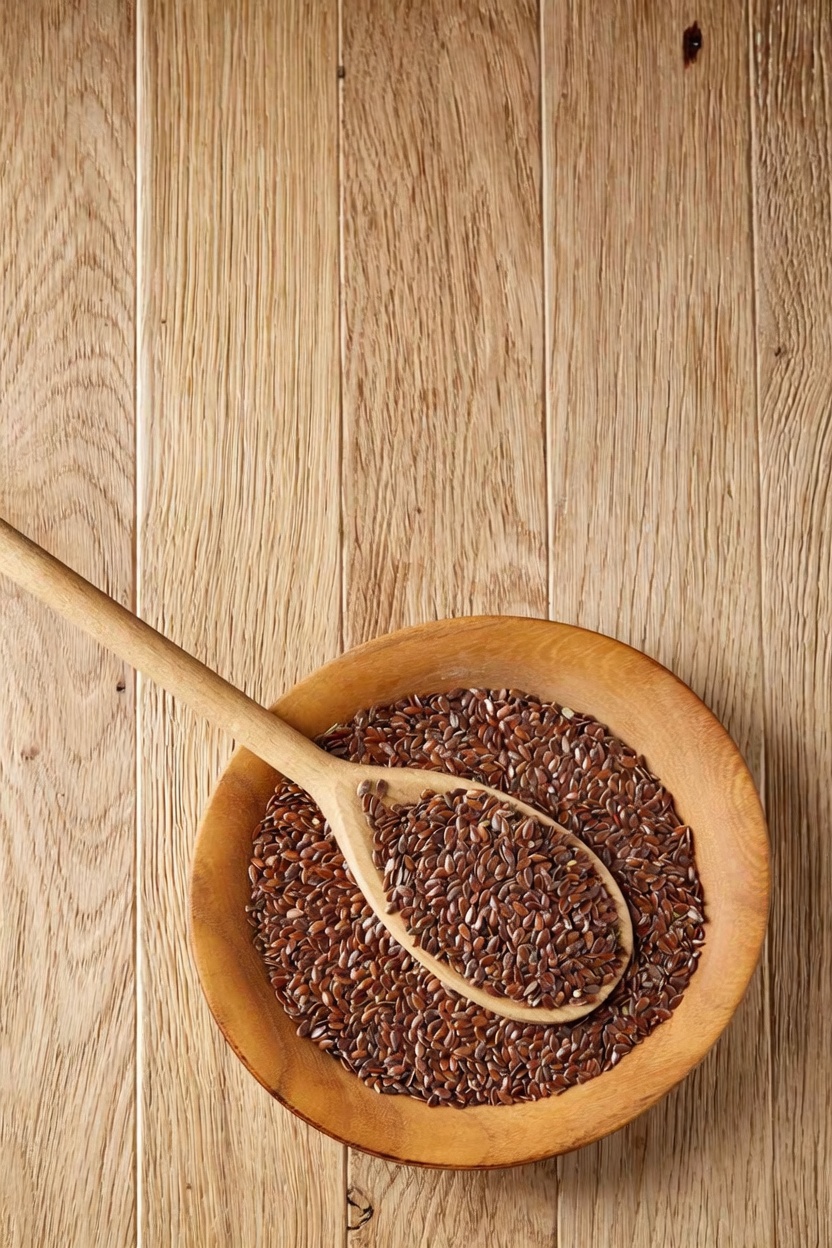
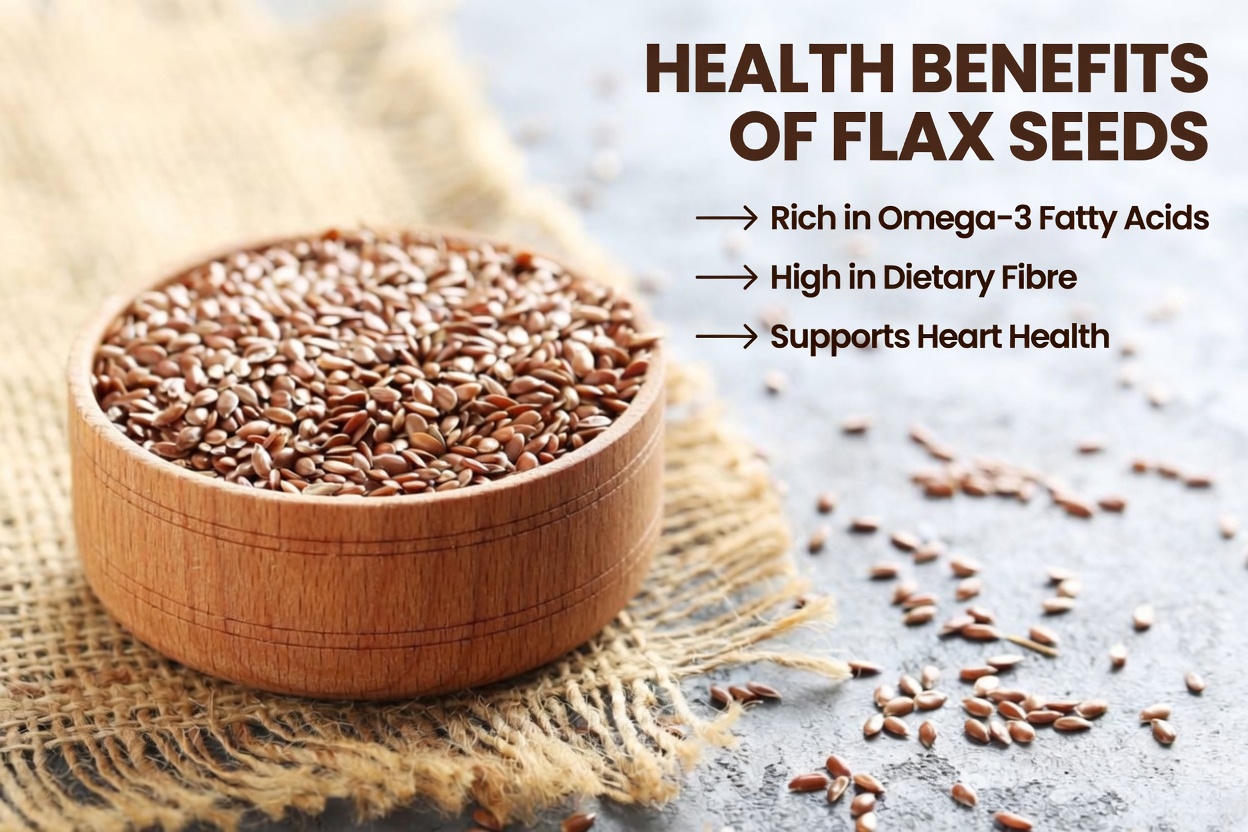
Flaxseeds (golden or brown) are well known for their high content of alpha-linolenic acid (ALA), a plant-based omega-3 fatty acid.
Omega-3s are often discussed in relation to heart health—and that matters here because strong cardiovascular function supports healthy blood flow, helping deliver oxygen and nutrients to the retina and brain tissue.
What research suggests
Scientific literature has associated omega-3 intake with:
- Support for normal retinal structure
- Improved tear stability in people prone to dry eyes
- Support for cognitive function during aging
Flaxseeds also contain lignans, antioxidant compounds that may help counter oxidative stress.
Important note: whole flaxseeds can pass through the body without fully breaking down. Grinding them helps make their nutrients easier to absorb.
Easy breakfast idea: add 1 tablespoon of freshly ground flaxseed to oatmeal or yogurt for a mild, nutty taste.
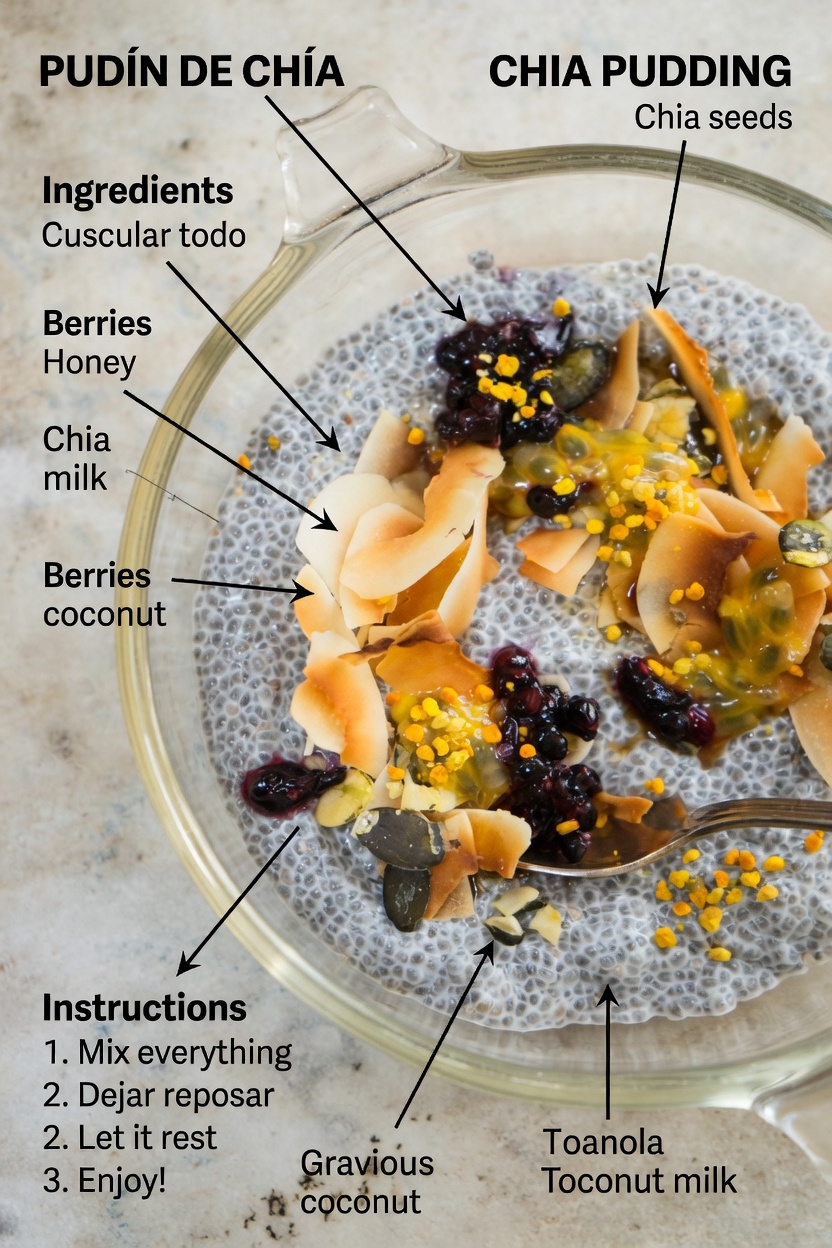
2) Chia Seeds: Hydration, Fiber, and Antioxidant Support
Chia seeds are tiny, but they’re famous for absorbing liquid and turning into a gel-like texture when soaked. That texture change isn’t just cosmetic—it can make them easier to eat and digest.
Why chia can be helpful with aging
Chia seeds provide:
- Omega-3 fatty acids
- Soluble fiber
- Antioxidants that help neutralize free radicals
As digestion naturally slows with age, fiber and hydration become especially valuable. A healthier digestive environment supports nutrient absorption, and growing research around the gut–brain connection suggests digestive health may influence cognitive well-being.
How to prepare: soak 1 tablespoon of chia seeds in water for 10–15 minutes (or overnight), then add to breakfast foods like yogurt or smoothies.
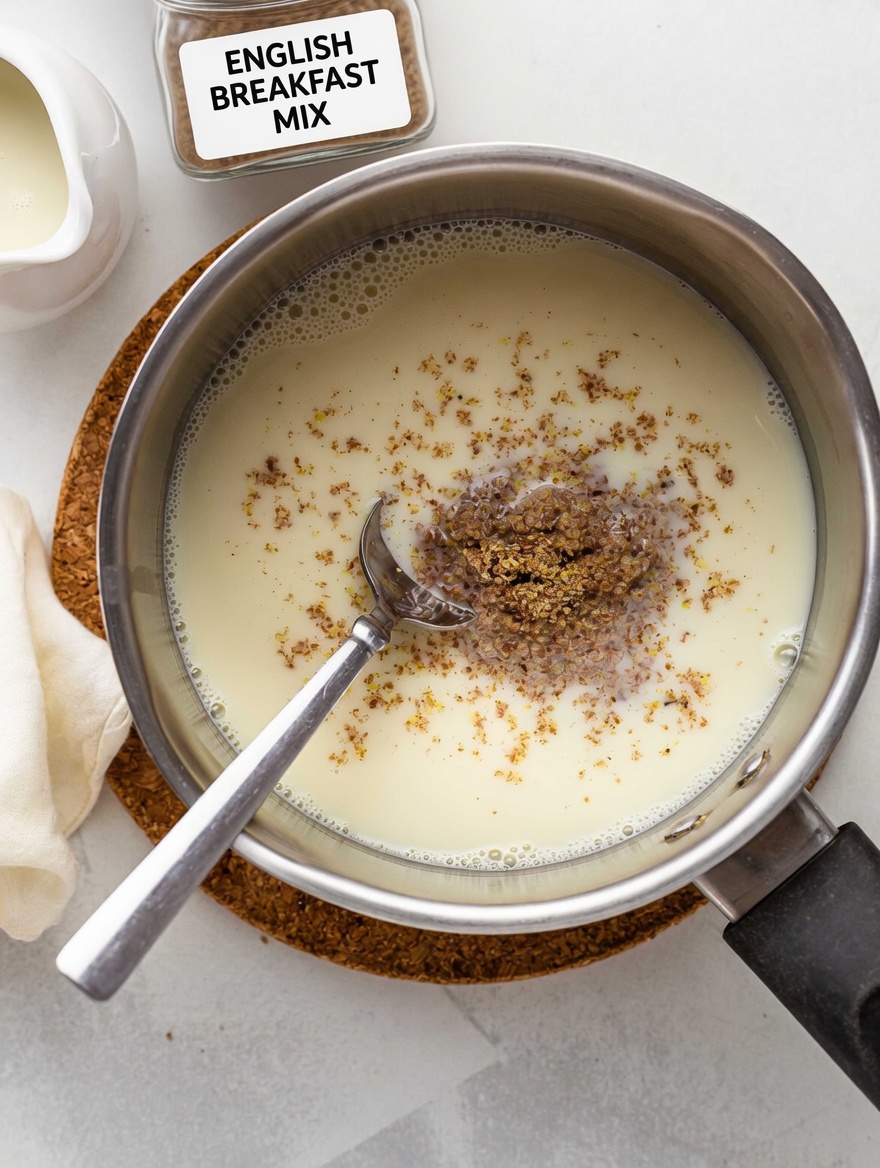
3) Pumpkin Seeds: Zinc and Magnesium for Clarity and Nerve Support
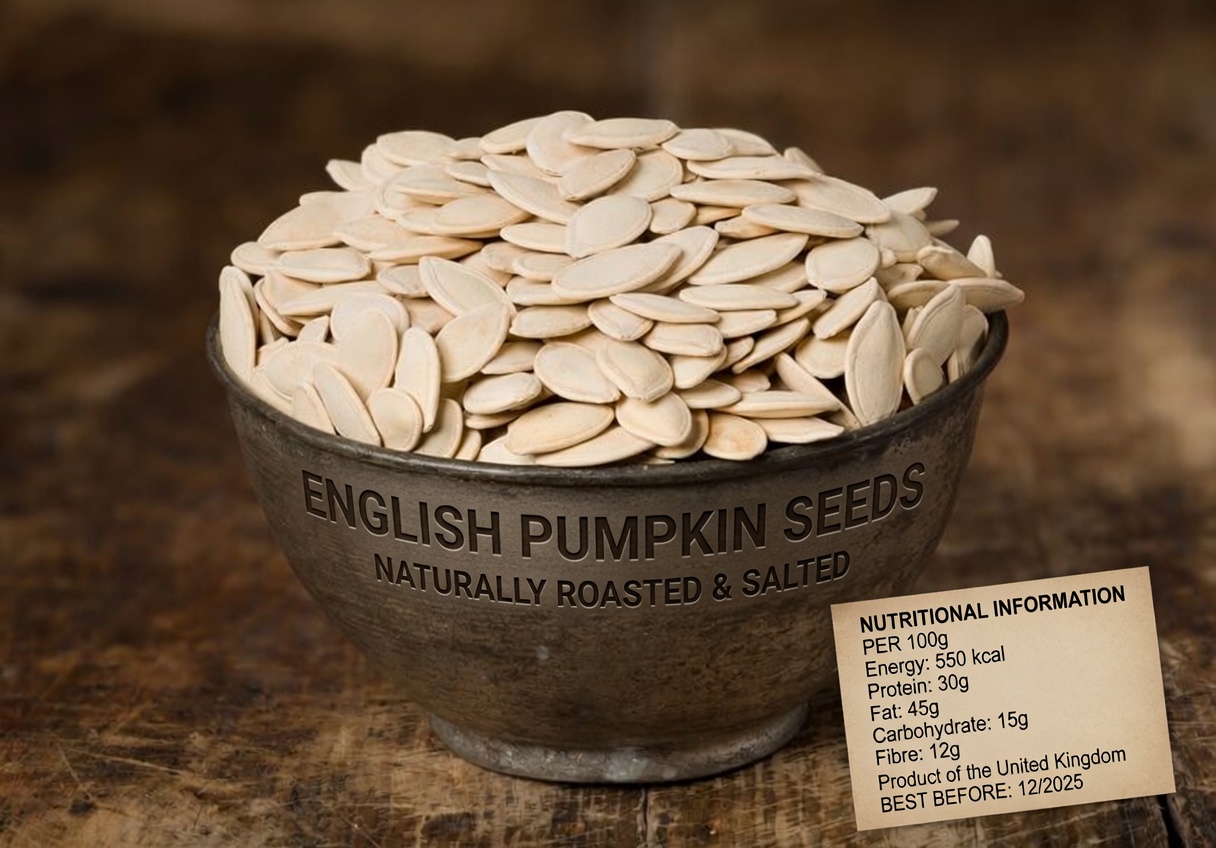
Pumpkin seeds contribute something distinct to the trio: minerals, especially:
- Zinc (supports transport of vitamin A to the retina)
- Magnesium (supports normal nerve signaling and muscle function)
- Vitamin E (an antioxidant that helps protect cells)
Zinc is widely recognized for its role in maintaining normal vision, including support related to low-light vision. Magnesium contributes to healthy communication within the nervous system, including signaling between brain cells.
Plus, pumpkin seeds add a satisfying crunch and earthy flavor.
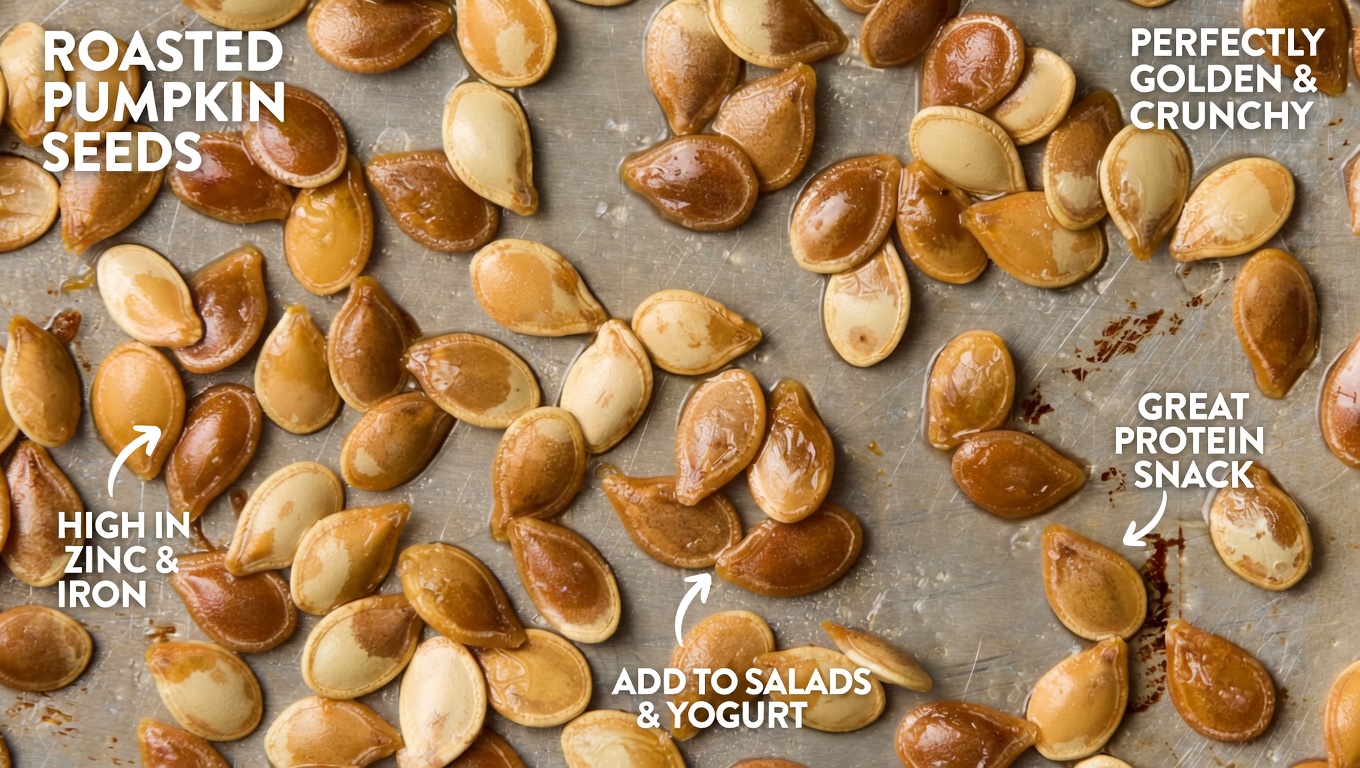
Serving idea: sprinkle 1 tablespoon of unsalted pumpkin seeds (raw or lightly roasted) over porridge, cereal, or fruit.
Why Combining Flax, Chia, and Pumpkin Seeds Works Better Together
Each seed offers benefits on its own—but together they form a broader nutritional “team” that supports multiple systems tied to eye and brain health.
- Flaxseed: ALA omega-3 + lignans (antioxidant support, circulation support)
- Chia seed: omega-3 + soluble fiber (hydration support, gut balance)
- Pumpkin seed: zinc + magnesium + vitamin E (retina support, nerve function)
Together, they provide:
- Healthy fats
- Fiber
- Antioxidants
- Key minerals
This matters because vision and cognition depend on more than a single nutrient. Support is often most effective when nutrition covers multiple needs at once—and the impact tends to be quiet and gradual, not dramatic overnight.
Supporting Healthy Circulation to the Eyes and Brain
One overlooked factor in aging well is consistent blood flow. The eyes and brain are highly dependent on steady circulation for oxygen and nutrient delivery.
- Omega-3s from flax and chia have been linked in research to healthy vascular function.
- Pumpkin seeds add magnesium, which supports normal blood vessel relaxation.
Small daily choices add up, especially over months.
The Gut–Brain Axis: A Hidden Link Worth Noticing
The digestive system and brain communicate constantly through what scientists call the gut–brain axis.
The fiber in flax and chia can:
- Feed beneficial gut bacteria
- Support regularity
- Potentially influence processes involved in neurotransmitter activity
For many adults over 90, simply improving digestive comfort can positively affect overall well-being. And when digestion is steadier, nutrient absorption often improves too.
Step-by-Step: A Simple Morning “Seed Ritual”
Start slowly so your digestive system can adapt.
-
Choose good-quality seeds
- Fresh, unsalted, ideally organic
- Store in an airtight container in a cool, dark place
-
Prep them the right way
- Grind flaxseed right before eating
- Soak chia seeds at least 10–15 minutes (or overnight)
- Eat pumpkin seeds whole (raw or lightly roasted)
-
Begin with small amounts
- Start with 1 teaspoon of each
- Work up to 1 tablespoon of each over 1–2 weeks
-
Add to breakfast
- Stir into oatmeal
- Mix into yogurt
- Blend into smoothies
- Sprinkle over fruit or cereal
-
Drink enough fluids
- Fiber works best with water—aim to hydrate consistently during the day
In this routine, consistency matters more than quantity.
What to Expect: Realistic Benefits
Let’s be clear and practical. These seeds can:
- Improve overall nutrition quality
- Provide antioxidants and healthy fats
- Support maintenance of normal eye and cognitive function
They are not a replacement for medical care, prescriptions, or specialized treatment.
That said, many older adults notice gradual, subtle improvements such as:
- Better eye comfort
- More regular digestion
- Slightly improved mental clarity
- More stable energy
Changes usually take weeks to months, not days.
Frequently Asked Questions
-
Can someone over 90 eat these seeds every day?
Many people tolerate them well when introduced gradually. If you have swallowing difficulties, digestive conditions, or take blood-thinning medication, speak with a healthcare professional first. -
How long until I notice a difference?
Nutritional routines typically require consistent use for several weeks to months. Regularity is more important than fast results. -
Is pre-ground flaxseed okay?
Yes, but freshly ground often retains nutrients better. If buying pre-ground, store it in the refrigerator and check freshness.
A Gentle Routine With Long-Term Potential
Aging brings change—but it also teaches the value of small, steady habits.
- One tablespoon of ground flaxseed
- One spoonful of soaked chia
- A sprinkle of pumpkin seeds
Together they provide omega-3s, antioxidants, zinc, magnesium, and fiber—nutrients linked in research to supporting normal eye health and cognitive function during aging.
This isn’t about a dramatic transformation. It’s about steady nourishment—and sometimes that’s enough to feel a little clearer tomorrow morning than you did today.
Disclaimer: This article is for informational purposes only and is not a substitute for medical advice, diagnosis, or treatment.