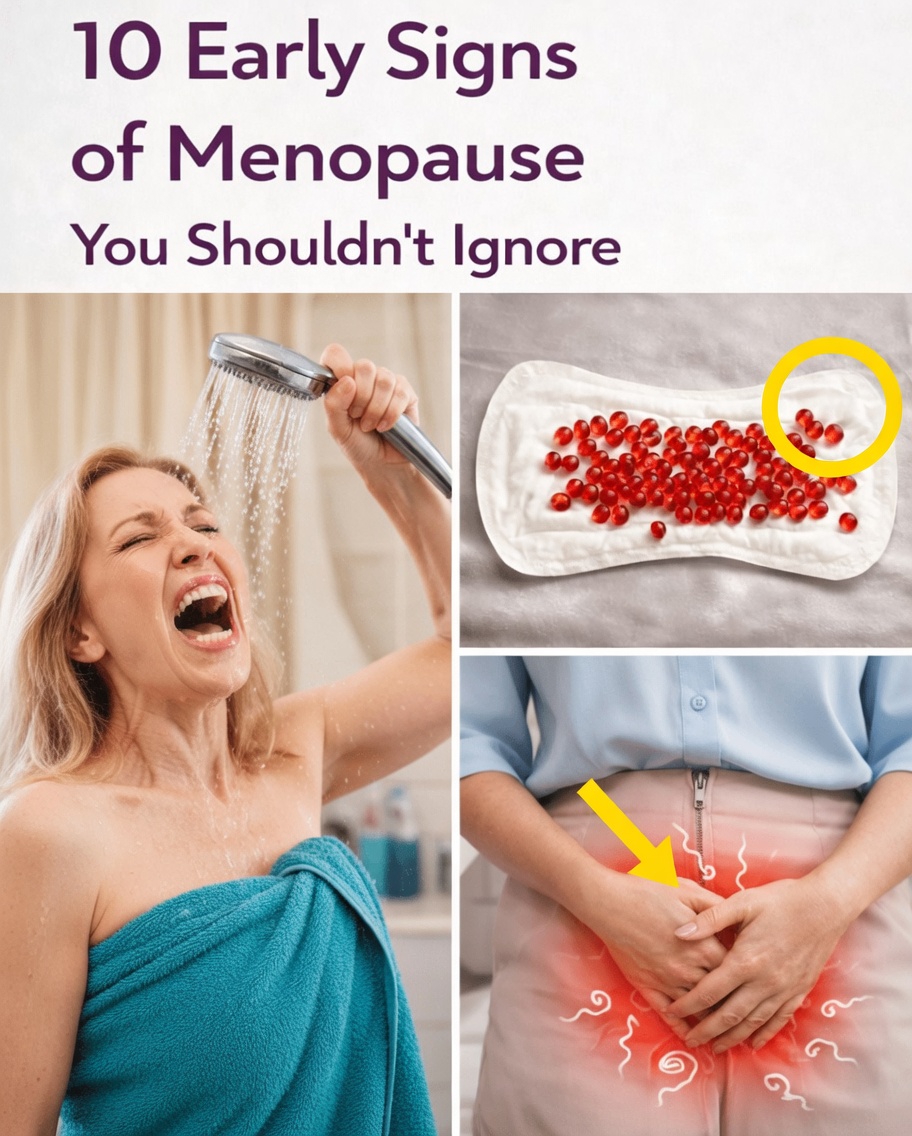
Many women in their 30s and 40s begin noticing physical and emotional changes that can feel unexpected and unsettling. Periods may become unpredictable, sudden heat surges can appear out of nowhere, and mood changes may leave you feeling exhausted or unsure of what is happening. These shifts can affect everyday life, work, and relationships, sometimes bringing frustration, anxiety, or even a sense of loss.
In many cases, these changes are the first signs of the menopausal transition. Recognizing them early can help you feel more informed, less overwhelmed, and better able to respond. Even better, there is a practical, everyday strategy that can make this stage much easier to manage—and you will find it later in this guide.
What Early Menopause Really Is
Early menopause means the menopausal transition begins earlier than the average age of about 51. For some women, symptoms start in their 30s or before age 45. Experts such as those at the Mayo Clinic explain that this phase is driven by changing hormone levels, particularly estrogen. During this time, periods may still occur, but the body is already moving through the transition.
This is not usually an abrupt event. Instead, it is a gradual process that can continue for several years. Understanding that these changes are part of a normal biological shift can make the experience feel less confusing and isolating.
Symptoms also differ greatly from one woman to another. Some appear early and mildly, while others become more noticeable over time. That is why paying attention to subtle changes matters.
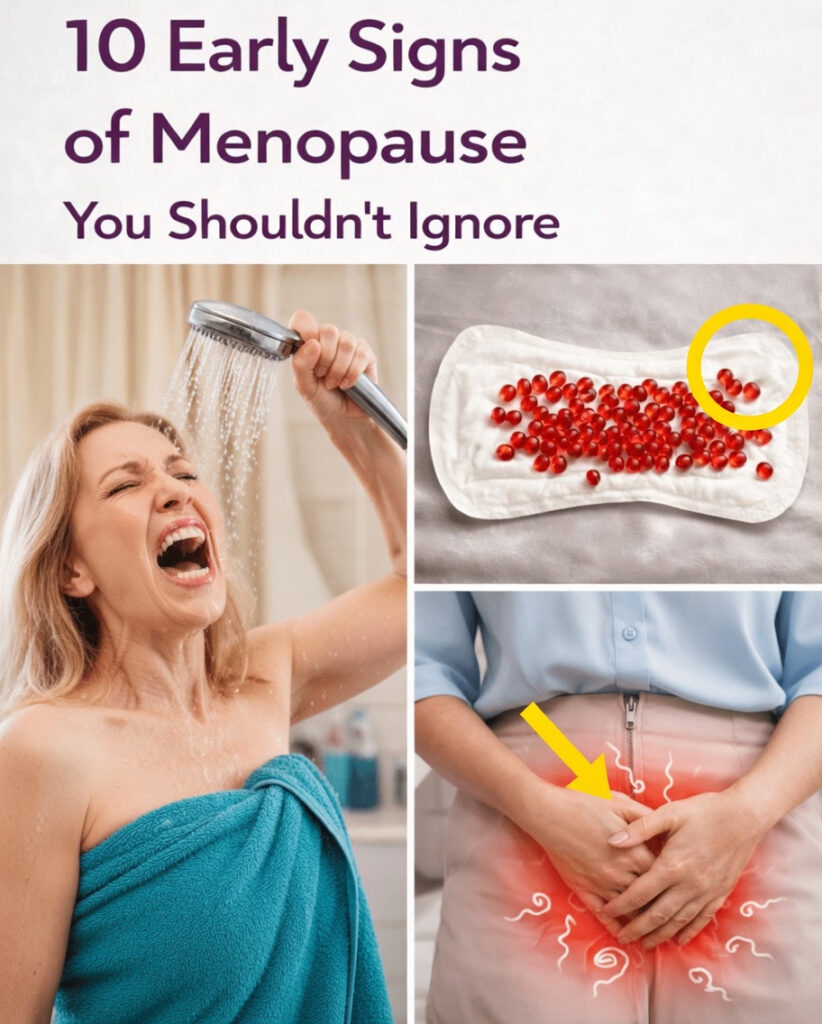
10 Early Menopause Signs to Recognize
Below are some of the most common early menopause symptoms, based on information from trusted health sources such as Mayo Clinic and WebMD. Knowing them can help you better understand what your body may be telling you.
1. Irregular Periods
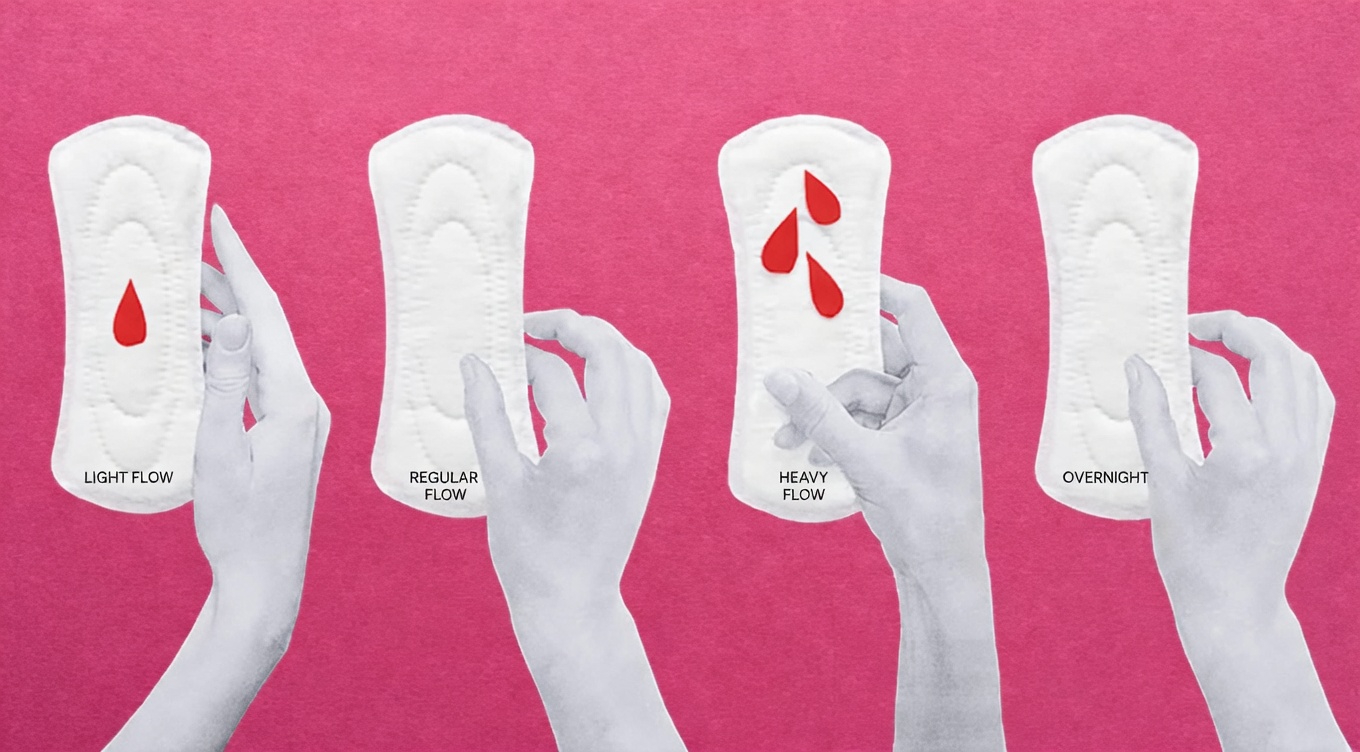
One of the earliest and most noticeable signs is a change in your menstrual cycle. Periods may come sooner or later than usual, become heavier or lighter, or disappear for a month and then return. Spotting between cycles can also happen. Studies suggest that repeated cycle shifts of seven days or more may indicate early perimenopause.
2. Hot Flashes
Hot flashes often feel like sudden bursts of heat that start in the face, neck, or chest and spread through the body. They may come with flushing, sweating, or a racing heartbeat. These episodes can happen during the day and often arrive without warning. Research suggests that up to 80% of women experience them during the menopausal transition.
3. Night Sweats
Night sweats are essentially hot flashes that happen during sleep. They can leave your clothes or bedding damp and make it difficult to fall back asleep. Over time, disrupted sleep can contribute to tiredness and irritability during the day.
4. Sleep Problems
Even when night sweats are not present, hormone changes can interfere with sleep. You may struggle to fall asleep, wake up often, or wake feeling unrefreshed. Poor sleep can also intensify other symptoms, including low energy and mood swings.
5. Mood Changes
Hormonal fluctuations can affect emotional balance. Many women notice increased irritability, anxiety, sadness, or sudden shifts in mood. These feelings are real and often linked to physical changes in the body, not just stress or overthinking.
6. Vaginal Dryness
As estrogen levels decline, vaginal tissues may become drier and more sensitive. This can lead to discomfort, especially during intimacy. Although common, it is a symptom many women hesitate to talk about.
7. Fatigue
Feeling persistently tired is another frequent early sign. You may feel low on energy even after what should have been a full night of sleep. This kind of exhaustion can affect concentration, motivation, and daily routines.
8. Brain Fog
Many women describe trouble concentrating, forgetfulness, or a cloudy mental feeling during this transition. Misplacing words, struggling to focus, or feeling less mentally sharp can be frustrating, particularly when you are used to thinking clearly.
9. Weight Changes
Weight gain may become easier, especially around the abdomen, even if your eating and exercise habits stay the same. This can be linked to both hormonal changes and a gradual slowing of metabolism.
10. Skin and Hair Changes
Hormone shifts can also affect your appearance. Skin may become drier, more sensitive, or itchier, while hair may thin or feel different in texture. These changes are often tied directly to declining estrogen levels.
Quick Symptom Checklist
For an easy overview, here are the most common early menopause signs:
- Irregular periods or changes in menstrual flow
- Heavy bleeding or skipped cycles
- Hot flashes
- Night sweats
- Trouble sleeping
- Mood swings, irritability, or anxiety
- Vaginal dryness
- Ongoing fatigue
- Brain fog or poor concentration
- Weight gain, especially around the waist
- Dry skin or changes in hair
- Lower energy or reduced libido
There is more to managing this stage than simply identifying symptoms.
Daily Lifestyle Habits That Can Help
One of the most useful and often overlooked approaches is building supportive daily habits. While no two women experience menopause in exactly the same way, research from sources such as the Cleveland Clinic shows that lifestyle choices can make a meaningful difference.
Here are practical steps you can begin using right away:
Track Your Symptoms
Keep a simple record of your cycles, hot flashes, sleep patterns, and mood changes in a notebook or app. This can help you notice patterns and give your healthcare provider clearer information.
Focus on Balanced Nutrition
Choose meals built around whole grains, fruits, vegetables, and calcium-rich foods. Some women also include foods naturally high in plant compounds, such as flaxseeds and soy products, as part of a balanced diet.
Stay Physically Active
Regular movement can support mood, sleep, and weight management. A helpful routine may include brisk walking, strength training, stretching, or yoga. Aim for at least 30 minutes of activity on most days.
Improve Your Sleep Routine
A cool bedroom, a consistent bedtime, and less screen time or caffeine in the evening can help support better rest. Small sleep habits often have a big impact over time.
Reduce Stress Daily
Even a few minutes of meditation, deep breathing, or quiet reflection each day can help many women feel calmer. Stress management may also reduce the intensity of hot flashes for some people.
Easy Changes to Try Today
If you want simple starting points, consider these small adjustments:
- Replace one caffeinated drink with herbal tea
- Add flaxseeds to a smoothie or breakfast bowl
- Do 10 minutes of yoga or stretching before bed
- Keep a fan or cooling towel nearby for hot flashes
These strategies are not about stopping menopause. They are about supporting your body so you can feel steadier, stronger, and more like yourself.
When to Talk to a Healthcare Professional
If you notice new symptoms or changes that disrupt your quality of life, it is a good idea to speak with a doctor or qualified healthcare provider. They can help determine whether your symptoms are related to early menopause or another condition and discuss options that fit your needs.
Starting that conversation early is often beneficial and can lead to more effective support.
Final Thoughts: You Are Not Going Through This Alone
The early signs of menopause can be confusing, but understanding them can make a major difference. When you know what to watch for, this stage becomes easier to navigate with confidence rather than fear. Recognizing the common symptoms—and responding with supportive daily habits—can help many women stay active, balanced, and more in control.
Every woman’s experience is unique. Listen to your body, take your symptoms seriously, and remember that this phase is a natural part of life, not something you have to face without guidance.
FAQ
What is the difference between early menopause and typical perimenopause?
Early menopause means the transition begins before age 45. The symptoms are generally similar to those seen in perimenopause at a later age, but the timing is earlier. Tracking symptoms can help clarify what is happening.
How long do early menopause symptoms usually last?
This transition can last several years and, in some cases, more than a decade. Symptoms often come and go. Many women notice improvement after they have gone a full year without a period.
Can daily habits really make symptoms easier to handle?
For many women, yes. Balanced eating, regular exercise, stress reduction, and better sleep habits can improve overall well-being during this stage. However, results vary, so it is always best to discuss concerns and changes with a healthcare professional.
Disclaimer
This article is intended for informational purposes only and should not be considered medical advice. Please consult a qualified healthcare provider for personal medical concerns or before making major lifestyle changes.