
Managing blood sugar with diabetes can feel like a daily balancing act—unexpected post-meal spikes, energy crashes, and the long-term pressure of protecting your health. When glucose swings happen often, even simple food choices can feel stressful. One practical, low-pressure strategy many people find helpful is filling half your plate with non-starchy vegetables to add volume, fiber, and nutrients without a major carbohydrate load.

Health organizations such as the American Diabetes Association commonly emphasize non-starchy vegetables because they are low in carbohydrates, can help you feel full, and are less likely to cause sharp rises in blood glucose. Below are 10 dietitian-approved, diabetes-friendly vegetables and simple ways to eat them.
Why Non-Starchy Vegetables Support Blood Sugar Goals
Blood sugar concerns can interrupt your day—especially when high readings create anxiety or when low energy makes it hard to focus. In general, non-starchy vegetables are lower in carbs (often well under 25 grams per cup, depending on the vegetable and preparation) and provide fiber, which can slow digestion and support steadier post-meal glucose patterns.
Research and clinical guidance often highlight these vegetables as a foundation for balanced meals in diabetes management. Just as importantly, adding more variety and texture can make meals feel enjoyable again—without constantly worrying that every bite will spike your numbers.

10 Diabetes-Friendly Non-Starchy Vegetables to Add to Your Plate
These options are popular for their nutrient density, fiber, and generally low glycemic impact.
-
Spinach
- Notable nutrients: magnesium, folate, antioxidants
- Easy idea: add 2 cups raw to salads or toss into eggs
-
Broccoli
- Notable nutrients: fiber, vitamin C, sulforaphane
- Easy idea: steam or roast 1 cup as a side
-
Zucchini
- Notable nutrients: high water content, fiber, very low carbs
- Easy idea: grill slices or make zoodles (spiralized zucchini)
-
Bell peppers
- Notable nutrients: vitamin C, antioxidants
- Easy idea: eat raw for crunch or stuff and bake for dinner
-
Cauliflower
- Notable nutrients: fiber, vitamins, low carbs
- Easy idea: use as cauliflower rice or mash as a swap for potatoes
-
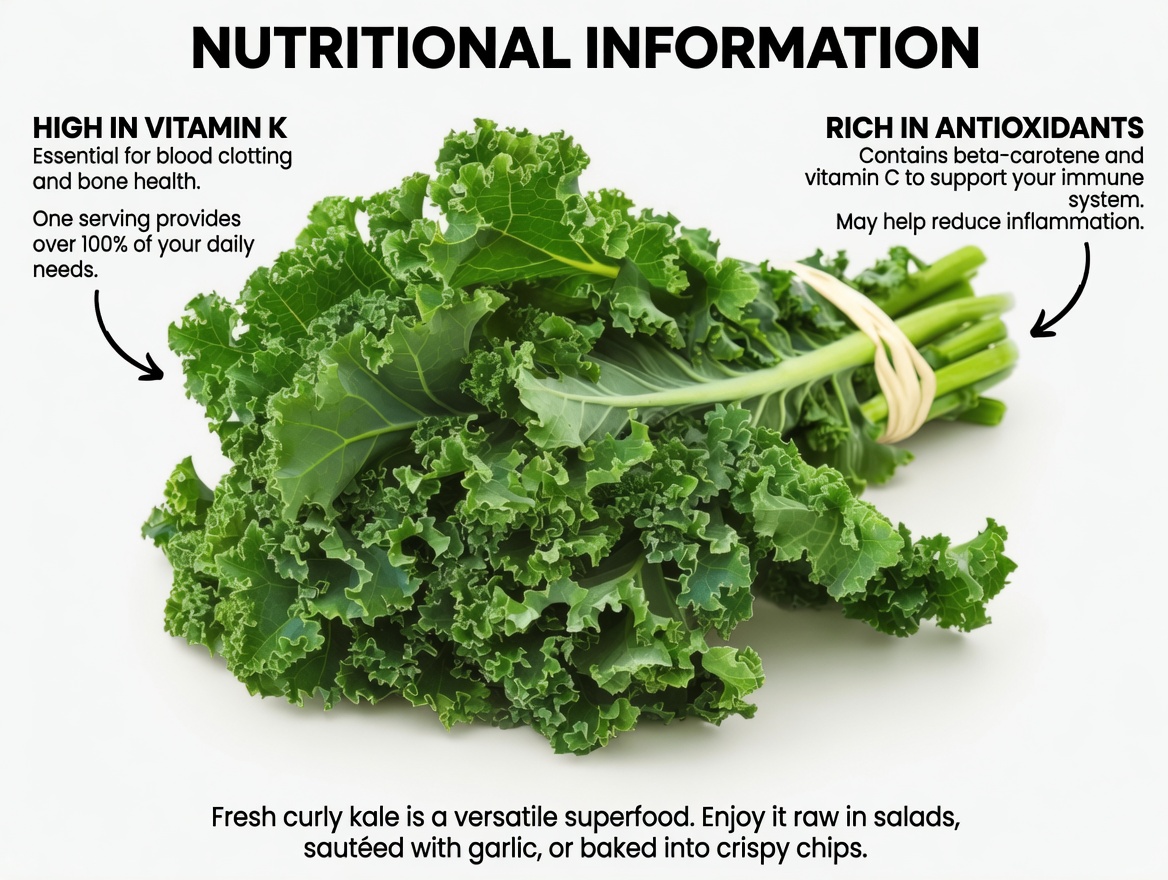
Kale
- Notable nutrients: fiber, vitamins, quercetin
- Easy idea: sauté lightly or blend into smoothies (a little goes a long way)
-
Brussels sprouts
- Notable nutrients: fiber, antioxidant compounds (including alpha-lipoic acid)
- Easy idea: roast with olive oil, herbs, and black pepper
-
Asparagus
- Notable nutrients: folate, fiber
- Easy idea: grill spears and finish with lemon
-
Green beans
- Notable nutrients: fiber, chromium
- Easy idea: steam and season, or snack on fresh crisp beans
-
Cucumber
- Notable nutrients: very high water content, very low carbs
- Easy idea: slice into salads or infuse in water
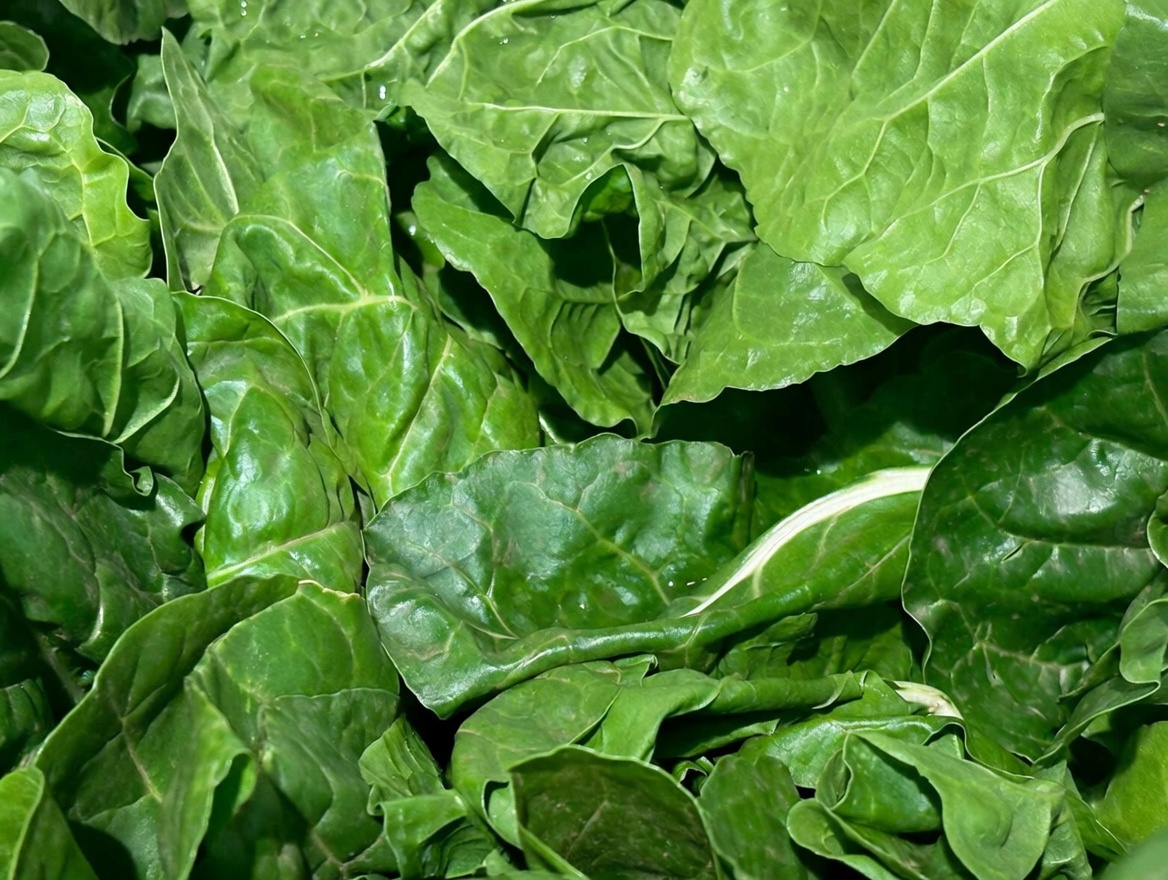
Leafy Greens for Diabetes: Spinach and Kale
Dining out or eating carb-heavy meals can make post-meal spikes more likely, which adds tension to everyday eating. Leafy greens like spinach and kale are rich in fiber and magnesium, nutrients often linked in research to metabolic health and insulin function.
They’re also extremely flexible: eat them raw, sauté them briefly, or blend them into soups and smoothies. Many people like leafy greens because they add fullness and volume with minimal effect on blood glucose.

Cruciferous Vegetables: Broccoli and Brussels Sprouts
If you tend to feel hungry soon after meals, blood sugar variability may be part of the issue. Broccoli offers fiber plus plant compounds such as sulforaphane, which is being studied for its role in inflammation and metabolic support. Brussels sprouts deliver similar cruciferous benefits in a smaller, sweeter bite.
Roasting both vegetables brings out their natural flavor and can turn them into a comforting, satisfying side dish—without leaning on refined carbs.
Hydrating, Low-Carb Choices: Cucumber and Zucchini
Sometimes dehydration can mimic the discomfort people associate with higher blood sugar—fatigue, dryness, or feeling “off.” Cucumber and zucchini are water-rich and light, making them easy additions when you want something refreshing and low in carbohydrates.
Try cucumber slices as a snack, add them to salads, or grill zucchini for a warm, satisfying option that still feels light.

Simple Ways to Eat More Non-Starchy Vegetables Every Day
A reliable approach is the plate method:
- Half the plate: non-starchy vegetables
- One quarter: lean protein
- One quarter: carbohydrates (preferably high-fiber, minimally processed)
Practical ideas:
- Breakfast: add spinach or kale to eggs or tofu scramble
- Lunch: build salads with bell peppers and cucumber
- Dinner: roast broccoli or cauliflower as your go-to side
- Snack: crunch on green beans or zucchini sticks
Because glucose responses can be individual, it’s smart to monitor your blood sugar and note how different meals affect you.
Common Questions About Vegetables and Diabetes
-
How many servings of non-starchy vegetables should I eat daily?
Many experts suggest aiming for 3–5 servings per day as part of balanced nutrition and blood sugar support. -
Can non-starchy vegetables replace diabetes medication?
No. Vegetables can support your overall plan, but they do not replace prescribed medications or professional medical care. -
Will eating more vegetables lower blood sugar immediately?
These changes typically help with long-term consistency, not instant drops. Benefits build with regular habits over time.
Building Better Diabetes-Friendly Meals with Vegetables
Spinach, broccoli, zucchini, bell peppers, cauliflower, kale, Brussels sprouts, asparagus, green beans, and cucumber are accessible, nutrient-rich ways to support diabetes meal planning while keeping carbohydrates in check.
Small upgrades—like adding one extra vegetable serving per meal—can improve satisfaction, routine, and overall consistency. Consider trying one new non-starchy vegetable this week and finding a preparation style you actually enjoy.
Medical disclaimer: This article is for informational purposes only and does not replace professional medical advice. Individual needs vary—please consult your healthcare provider for personalized diabetes and nutrition guidance.