
Hair Thinning and Confidence: Why So Many Turn to Rosemary Oil
Living with thinning hair can be emotionally exhausting. It often changes how you see yourself, makes you second-guess your appearance, and can even push you to avoid mirrors or social situations. Because many people want to support hair health without harsh ingredients, rosemary oil for hair growth has become a popular natural option.

So what can you realistically expect from daily rosemary oil use—and is it worth combining it with a rinse like rice water? Below is a science-informed look at benefits, safe application, and the kind of timeline people commonly report with consistent use.
Rosemary Oil in Hair Care: What It Is and Why It’s Trending
Rosemary essential oil is extracted from the rosemary herb and is naturally rich in antioxidant compounds. Its rise in hair routines is largely tied to one goal: creating a healthier scalp environment, especially for people dealing with shedding, slow growth, or noticeable thinning.
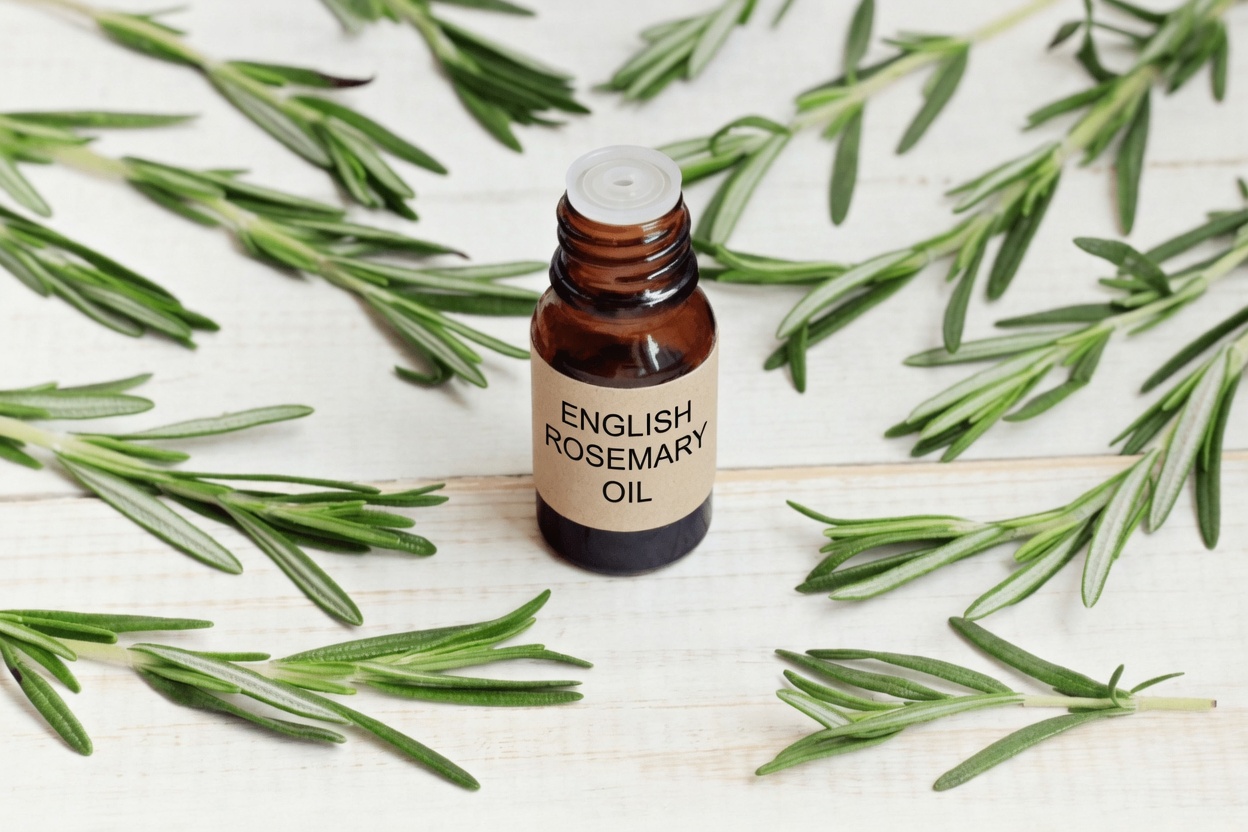
Rosemary oil is often used because it’s plant-based and easy to add to a routine. When applied with massage, it may help support the scalp by encouraging circulation—an important factor for hair follicles to function well.
What the Research Says About Rosemary Oil for Hair Health
Hair loss can feel especially frustrating when common products irritate your scalp or don’t deliver results. Rosemary oil has gained credibility because it’s not only a traditional remedy—there is some modern evidence behind it.

In one randomized study, rosemary oil showed similar performance to 2% minoxidil for androgenetic alopecia over six months, including improved hair count, while some users reported less scalp itching. Researchers have also suggested rosemary may help by:
- Reducing inflammation that can contribute to scalp sensitivity
- Potentially influencing pathways linked to hair thinning and follicle miniaturization
- Supporting a healthier scalp environment when used consistently
Results vary from person to person, but the most consistent theme is this: regular use matters more than occasional treatments.
How to Use Rosemary Oil Daily (Safely)
Because thinning hair can trigger desperate trial-and-error with aggressive treatments, it’s worth emphasizing: rosemary oil is still a concentrated essential oil. To avoid irritation, it should be properly diluted with a carrier oil such as jojoba or coconut oil.
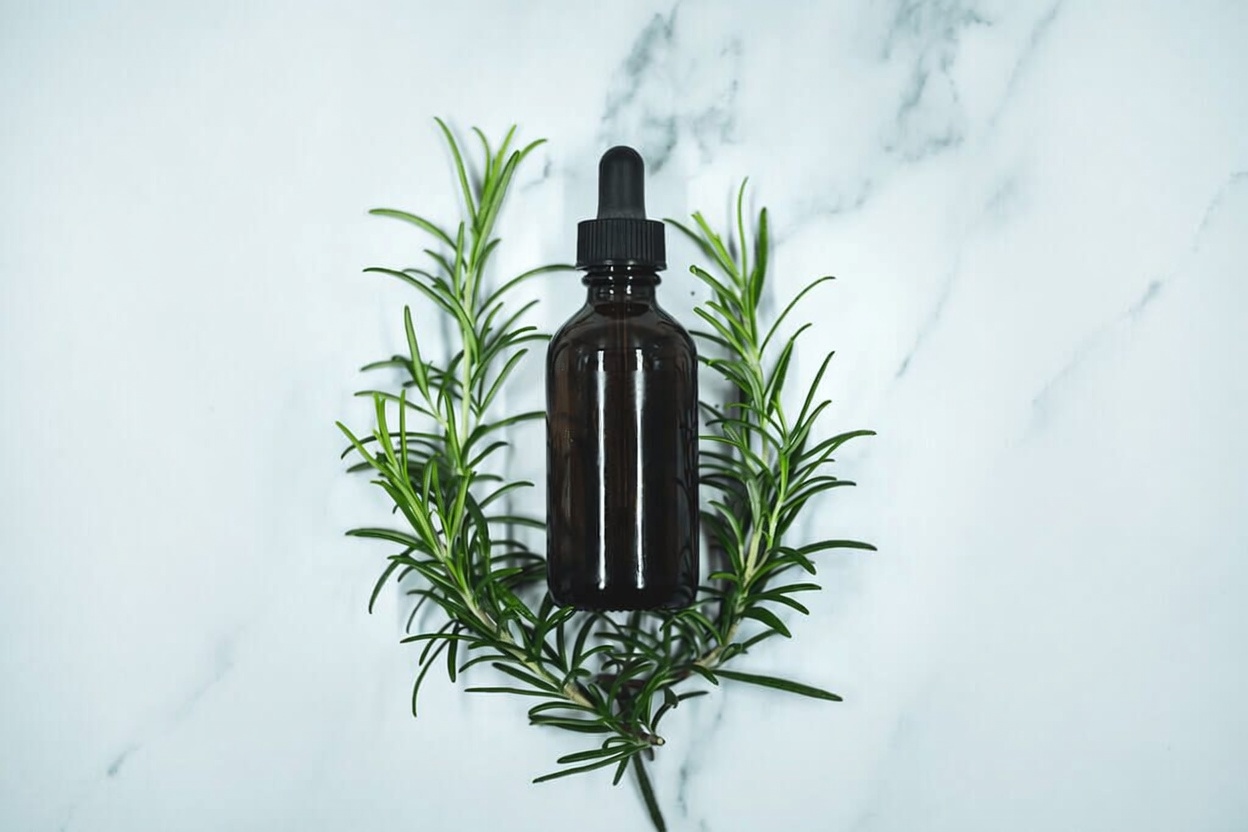
Before applying it to your scalp, do a simple safety check:
- Patch test a small diluted amount on your inner arm
- Wait 24 hours
- If you see redness, burning, or itching, reduce the concentration or stop use
Step-by-Step: Daily Rosemary Oil Scalp Application
- Mix 3–5 drops of rosemary essential oil with 1 tablespoon of carrier oil.
- Part your hair and apply the blend directly to the scalp.
- Massage gently for 5–10 minutes to help spread and absorb.
- Leave it on for at least 30 minutes (or overnight if your scalp tolerates it).
- Shampoo thoroughly (a second wash may help if residue remains).
For many people, the best frequency is daily or every other day, depending on scalp sensitivity and hair texture.
What to Expect After 30 Days of Daily Rosemary Oil
Watching your hair thin can affect everything—from work confidence to relationships—and it’s normal to want fast improvement. However, rosemary oil tends to work gradually, and patience is part of the process.
Week 1–2: Early scalp changes
Commonly reported experiences include:
- Reduced shedding
- Less itchiness or irritation
- Softer-feeling hair due to improved moisture balance
Week 3–4: Subtle visible shifts
Some users begin to notice:
- Fine “baby hairs” near the hairline
- A slightly thicker feel at the roots
- Less flakiness and better scalp comfort
Keep expectations realistic: outcomes depend heavily on genetics, stress, diet, hormones, and overall health. Rosemary oil isn’t an overnight fix, but it may support healthier conditions for hair over time.
Rice Water for Hair: A Complementary Natural Rinse
If you’re exploring gentle, traditional methods, rice water hair rinse is another popular choice. Rice water is the starchy liquid left after soaking rice, widely used in parts of Asia for improving hair appearance and manageability.

Scientific evidence for rice water and hair growth is still limited and largely anecdotal, but rice water contains inositol, a compound often associated with smoother, stronger-feeling strands. Many people use rice water as a weekly or twice-weekly rinse while using rosemary oil as their more frequent scalp treatment.
Simple Fermented Rice Water Recipe
- Rinse ½ cup uncooked rice.
- Soak in 2–3 cups of water for 30 minutes, or ferment for 24–48 hours.
- Strain the liquid.
- After shampooing, pour onto clean hair and massage into the scalp.
- Leave for 20 minutes.
- Rinse thoroughly with cool water.
Used together, rosemary oil (scalp-focused) and rice water (strand-focused) can form a balanced routine that targets both scalp condition and hair texture.
Tips to Get Better Results From Your Rosemary Oil Routine
Hair progress can feel slow—especially if stress is part of the issue. These practical habits can help support your results:
- Prioritize protein-rich foods (eggs, fish, nuts) to support hair structure
- Reduce stress with exercise, breathwork, or meditation (high cortisol can affect follicles)
- Avoid tight hairstyles that pull on the roots
- Hydrate, sleep well, and protect overall scalp health
- Minimize harsh brushing and frequent heat styling
- Take monthly progress photos in the same lighting to track subtle changes
Rosemary Oil vs. Rice Water: Quick Comparison
-
Main benefit
- Rosemary oil: scalp support and potential growth stimulation
- Rice water: strength, shine, and improved hair feel
-
Evidence level
- Rosemary oil: some clinical research
- Rice water: mostly traditional and anecdotal
-
Best frequency
- Rosemary oil: daily or every other day
- Rice water: 1–2 times per week
Final Thoughts: Is Daily Rosemary Oil Worth It?
For many people, daily rosemary oil—sometimes paired with rice water rinses—is a gentle, natural approach to supporting hair health. While dramatic changes in 30 days aren’t guaranteed, commonly reported benefits include better scalp condition and reduced shedding.
Start with safe dilution, stay consistent, and pay attention to how your scalp responds. Sustainable hair improvement usually comes from steady habits, not quick fixes.
Frequently Asked Questions
Is rosemary oil suitable for every hair type?
Yes—when diluted properly. If you have a sensitive scalp, begin with fewer drops and increase only if your skin tolerates it well.
Can I leave rosemary oil on my hair overnight?
Many people do. Use a shower cap to protect bedding and shampoo thoroughly in the morning.
Does rice water actually grow hair?
It may help hair feel stronger and look shinier, but strong scientific proof for growth is limited. It’s generally low-risk when used in moderation and rinsed well.