
Heart Health and Vegetables: Simple Foods That May Support Your Cardiovascular System
Heart disease is still one of the biggest health challenges for adults worldwide, and it often progresses slowly without clear warning signs. Concerns like high blood pressure, elevated cholesterol, or poor circulation can feel stressful—especially when lifestyle changes seem difficult to maintain. The good news is that everyday vegetables may offer gentle, natural cardiovascular support as part of an overall balanced routine.
Below are five vegetables frequently highlighted in scientific research for their potential heart health benefits, plus practical ideas to add them to your meals more often.

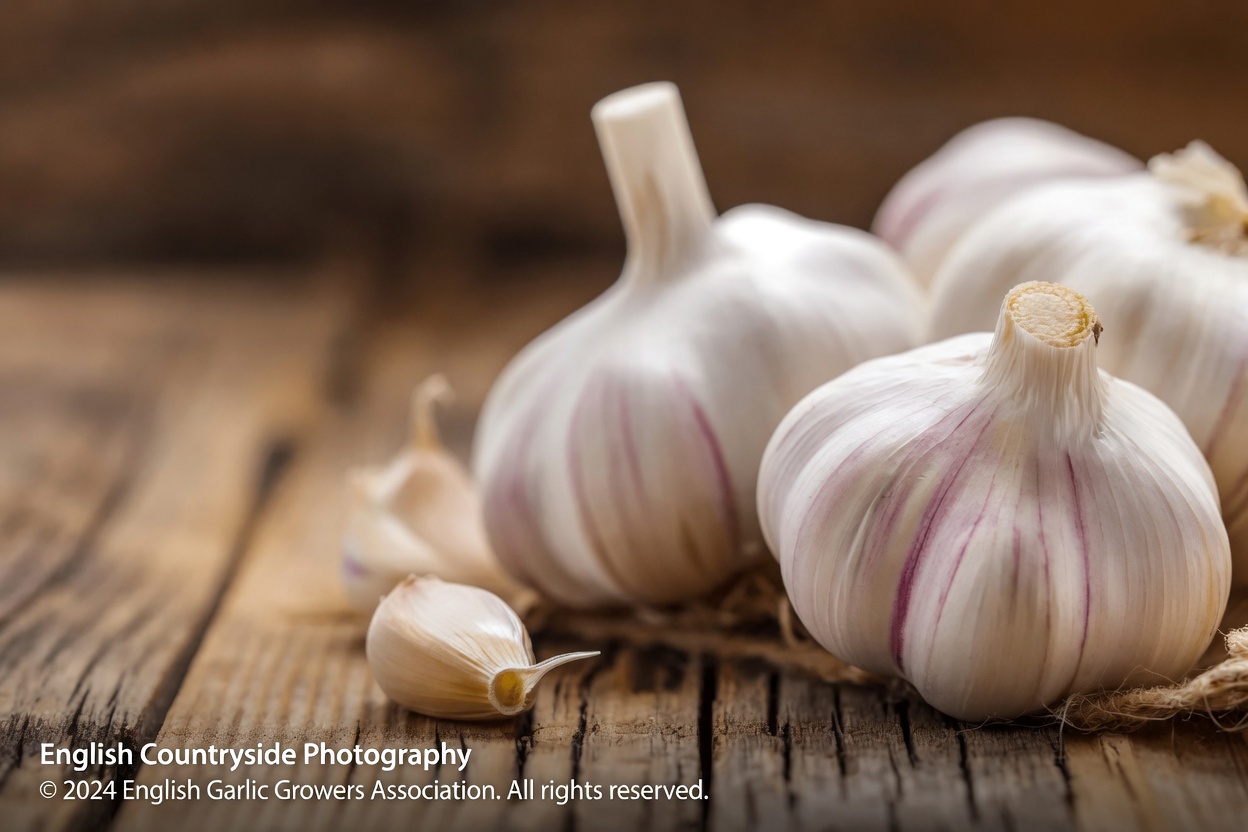
1) Garlic: A Flavorful Option That May Help Support Healthy Blood Pressure
Garlic has been used for centuries in cooking and traditional wellness practices. When you crush or chop a clove, it produces allicin, a key active compound. Research—including several meta-analyses—suggests garlic may help support healthy blood pressure and may also improve cholesterol markers for some people.
Garlic’s natural sulfur-containing compounds are also believed to support blood vessel relaxation, which may contribute to healthier circulation.
- How to use it: Aim for 1–2 fresh cloves per day.
- Tip: Crush the garlic and let it rest for about 10 minutes before cooking to help maximize allicin formation.
2) Spinach and Other Leafy Greens: Nitrates, Potassium, and Antioxidants in One Place
Leafy greens—such as spinach, kale, and arugula—are well-known for their nutrient density. They provide dietary nitrates, potassium, and a wide range of antioxidants, all of which may help maintain healthy blood flow and support normal blood pressure regulation.
Large observational studies often find that higher intake of nitrate-rich vegetables is associated with better cardiovascular outcomes, making leafy greens an easy, food-first strategy for everyday support.
- How to eat more: Add a handful to salads, blend into smoothies, or lightly sauté as a side.
- Consistency matters: A daily serving can be a practical goal.

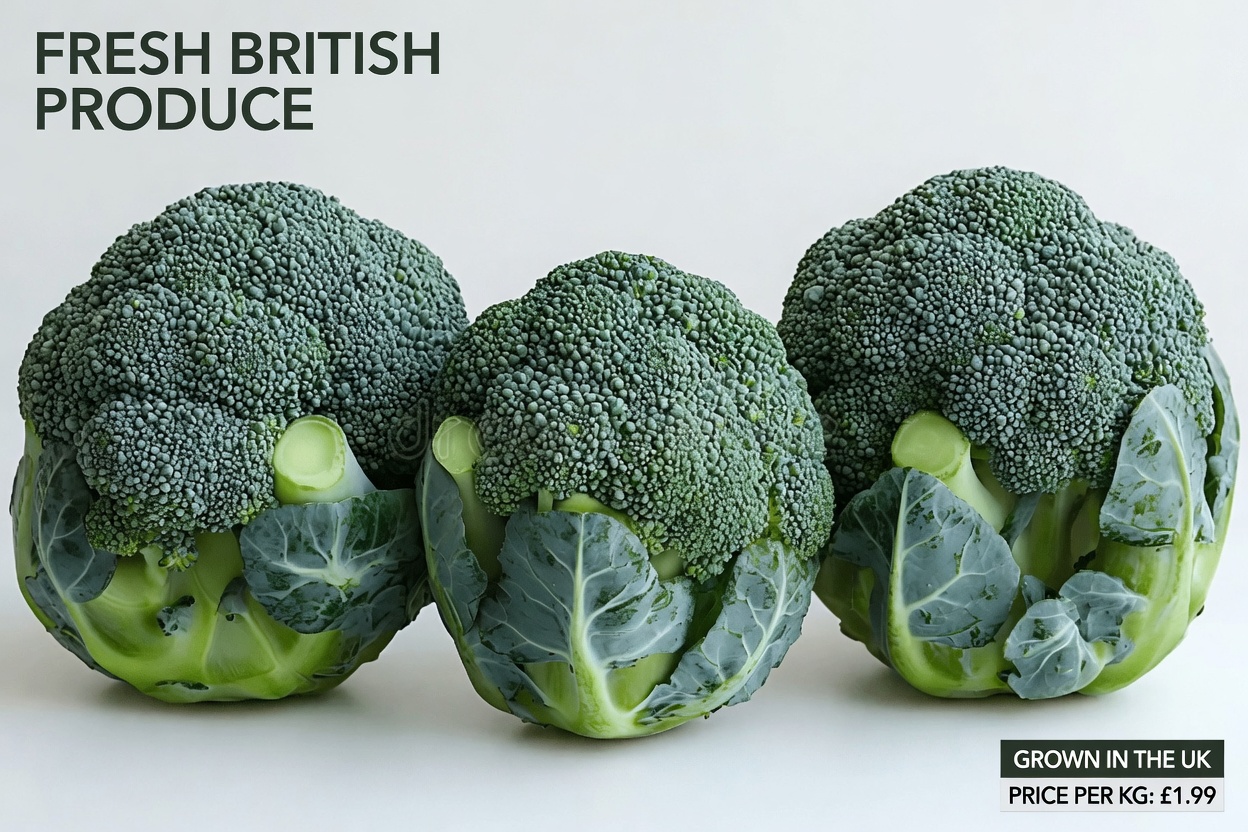
3) Broccoli and Cruciferous Vegetables: Fiber Plus Protective Plant Compounds
Broccoli belongs to the cruciferous family, along with cauliflower and Brussels sprouts. These vegetables contain sulforaphane, a compound studied for its potential anti-inflammatory and antioxidant activity. Combined with fiber, vitamins, and minerals, cruciferous vegetables may help support healthier cholesterol levels and reduce oxidative stress.
Population research links regular intake of cruciferous vegetables with a lower risk of cardiovascular problems, suggesting meaningful benefits when eaten consistently.
- Best cooking methods: Steaming or roasting can help retain nutrients.
- How often: Include cruciferous vegetables a few times per week.
4) Carrots: Beta-Carotene and Fiber for Antioxidant Support
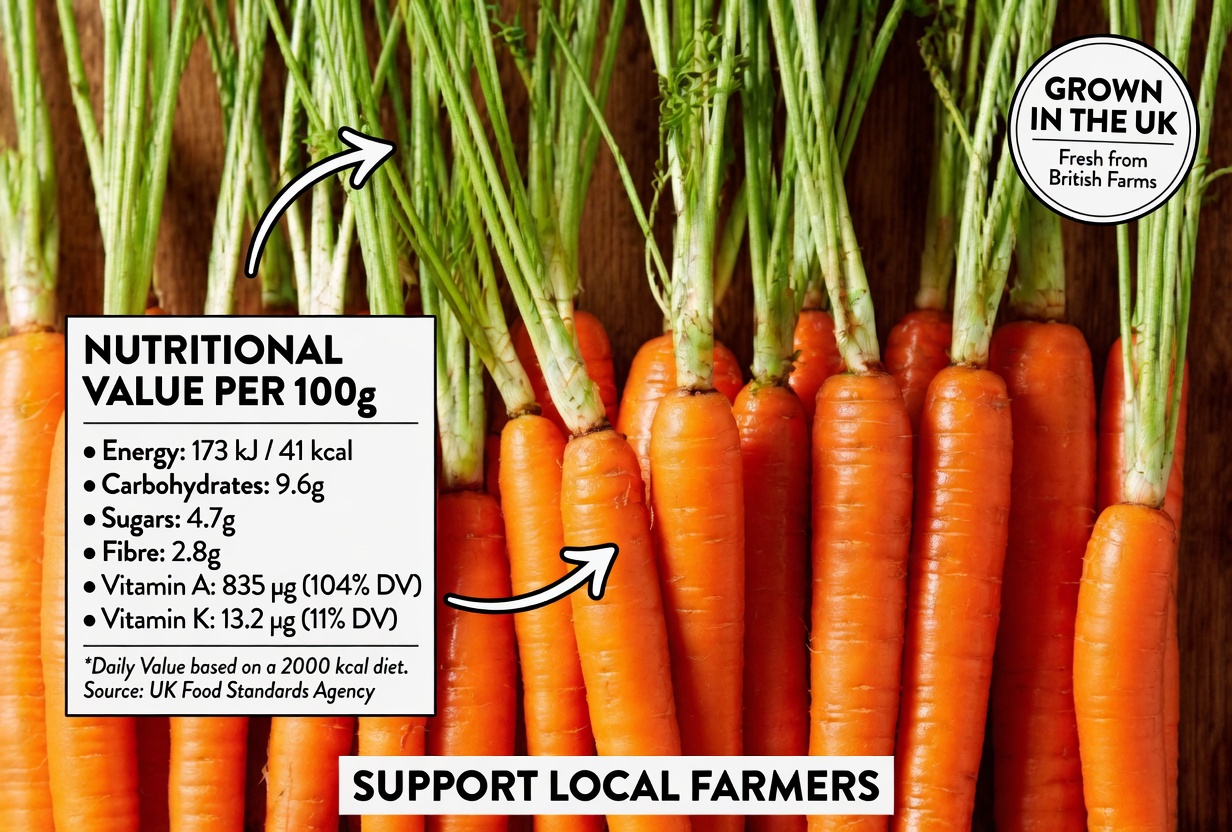
Carrots stand out for their beta-carotene, along with fiber and potassium. These nutrients may contribute to reduced inflammation and support normal blood pressure—two important factors in long-term cardiovascular wellness.
Studies often associate carotenoid-rich vegetables with healthier lipid profiles and fewer heart disease risk factors. Carrots are also convenient, crunchy, and easy to snack on—helpful when building better habits.
- How to enjoy them: Raw sticks, roasted carrots, soups, or shredded into salads.
- Absorption tip: Pair carrots with healthy fats (like olive oil, avocado, or nuts) to improve uptake of fat-soluble compounds.
5) Beets: Natural Nitrates That May Support Circulation
Beets are especially rich in natural nitrates, which the body can convert into nitric oxide—a molecule involved in blood vessel function and relaxation. They also contain betalains, antioxidant compounds that may support healthy inflammatory balance.
Clinical trials suggest beet consumption can have a measurable effect on blood pressure, making beets a popular option for people seeking food-based circulation support.
- How to try them: Roasted beets in salads, or beet juice a few times weekly.
- If you’re new to beets: Start with small portions to adjust to the earthy taste.
Quick Comparison: Nutrients and Potential Benefits
-
Garlic
- Standout compounds: Allicin, sulfur compounds
- Research suggests: Blood pressure and cholesterol support
- Easy serving idea: 1–2 cloves mixed into meals
-
Leafy Greens (Spinach, Kale, Arugula)
- Standout compounds: Nitrates, potassium, antioxidants
- Research suggests: Blood flow and blood pressure regulation support
- Easy serving idea: A handful in salad or smoothie
-
Broccoli and Other Cruciferous Vegetables
- Standout compounds: Sulforaphane, fiber
- Research suggests: Inflammation and cholesterol support
- Easy serving idea: Steamed or roasted side dish
-
Carrots
- Standout compounds: Beta-carotene, fiber
- Research suggests: Antioxidant support and healthier blood pressure
- Easy serving idea: Raw sticks or roasted carrots
-
Beets
- Standout compounds: Nitrates, betalains
- Research suggests: Blood vessel function and circulation support
- Easy serving idea: Roasted beets or beet juice
Simple Ways to Eat These Vegetables More Often
- Stir crushed garlic into dressings, sauces, or roasted vegetables.
- Blend spinach into a morning smoothie (it’s mild in flavor).
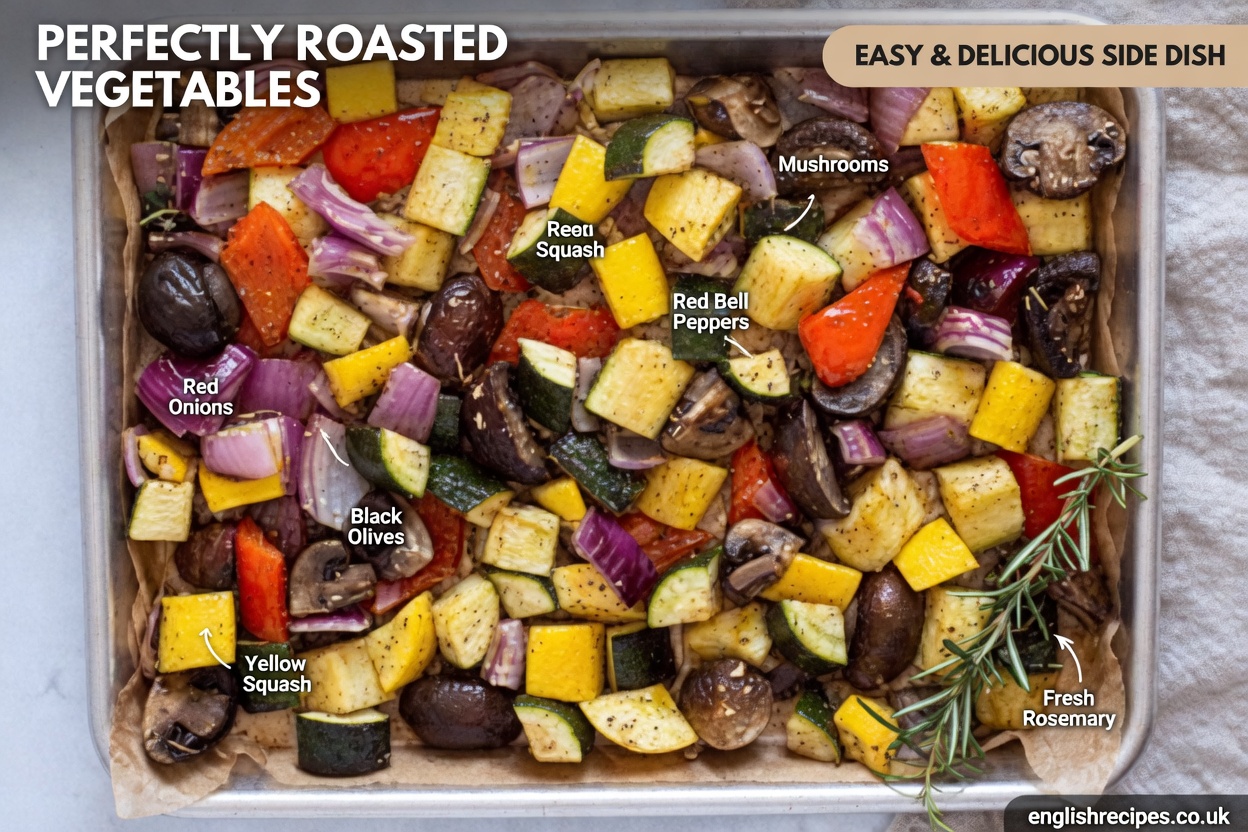
- Roast broccoli and carrots together for an easy, repeatable side dish.
- Grate beets into salads or add roasted slices to grain bowls.
Small changes done consistently are often more sustainable than major diet overhauls.
Common Questions About Vegetables and Heart Health
How long does it take to notice benefits?
Heart-related dietary improvements usually build over time. Many studies observe positive effects or associations with consistent intake over weeks to months.
Are supplements as good as whole vegetables?
In most cases, whole foods are preferred because they provide fiber and a natural mix of nutrients that supplements may not fully replicate.
Can these vegetables replace prescribed medication?
No. These foods may complement a heart-healthy lifestyle, but they should never substitute for medication or medical care. Always follow your clinician’s advice.
A Practical Step Toward Better Cardiovascular Wellness
Garlic, leafy greens, broccoli, carrots, and beets are accessible vegetables with research-backed potential to support heart health—especially when combined with regular movement, good sleep, and stress management. Start by adding just one of these foods more consistently this week, then build from there.
Medical disclaimer: This article is for informational purposes only and does not replace professional medical advice. Results vary by individual. Consult a qualified healthcare provider for guidance tailored to your health needs and medications.