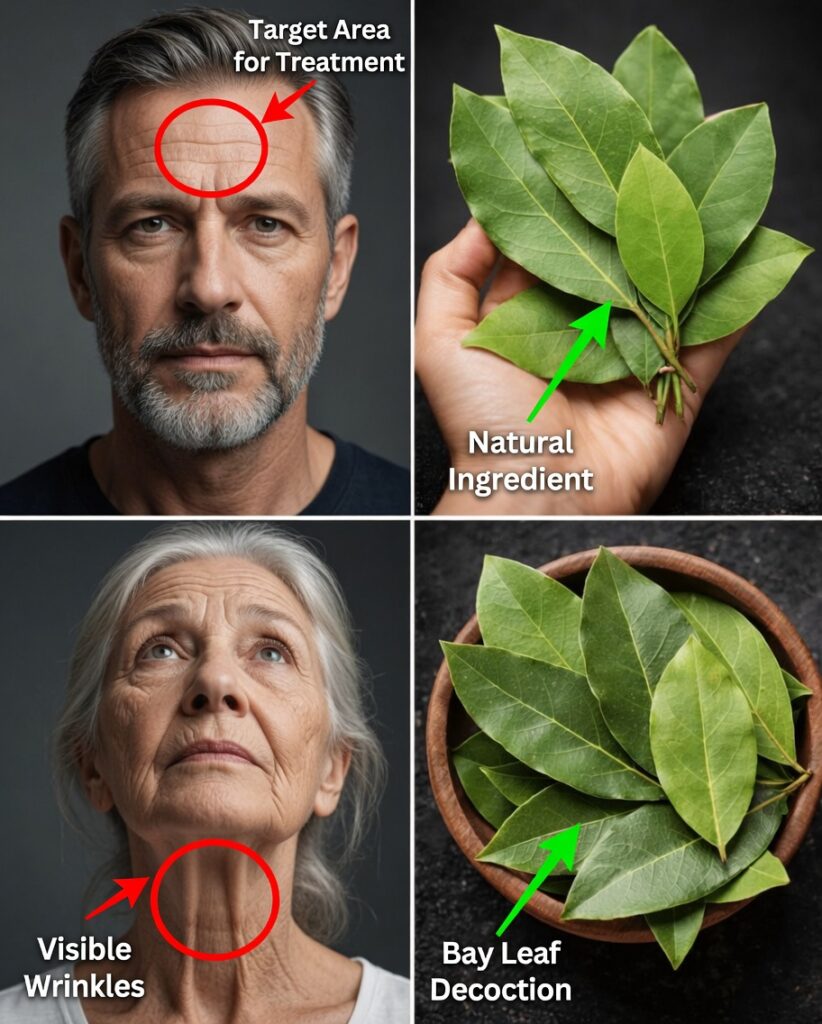
Bay Leaves for Skin: A Natural, Budget-Friendly Way to Support a Healthy Glow
Seeing new fine lines, dryness, or a dull complexion can be frustrating—especially after investing in pricey skincare that doesn’t seem to last. Many people look for options that feel more nourishing and gentle, but it’s easy to end up disappointed.
The encouraging news is that everyday kitchen staples—like bay leaves—may offer mild, supportive benefits for healthier-looking skin when used carefully and consistently.
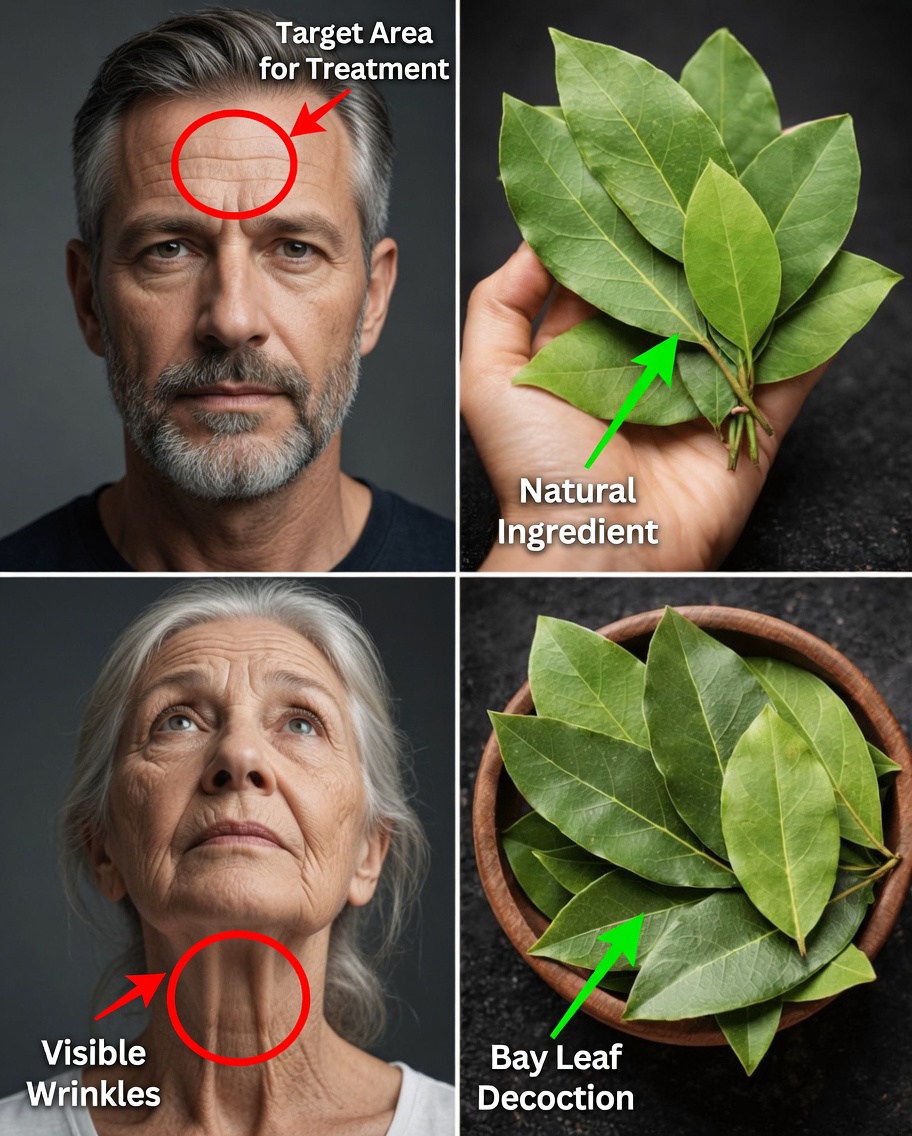
There is, however, a correct way to use bay leaves topically. One common mistake—using them too strong or too often—can trigger irritation, especially for sensitive skin. Below, you’ll find practical, safer ways to try bay leaves, based on traditional use and early research.
Why Skin Changes Over Time (and Where Natural Ingredients Fit In)
Aging, sun exposure, stress, pollution, and lifestyle factors can gradually reduce the skin’s bounce and brightness. As collagen production slows, you may notice uneven tone, dryness, and visible texture changes.
Bay leaves (often Laurus nobilis) contain aromatic compounds and antioxidants—such as eugenol, cineole, and plant polyphenols—that laboratory studies suggest may help defend against oxidative stress. They are not a “quick fix,” but bay leaves have been used traditionally in some wellness routines to support skin comfort and appearance.
9 Potential Benefits of Bay Leaves for Skin (Realistic Expectations)
People often explore bay leaves when they want simpler, plant-based support beyond standard creams. Here are nine ways bay leaves may contribute to skin wellness, combining traditional use with emerging scientific interest.
9. Antioxidant support against everyday stressors
Daily exposure to UV light and pollution can leave skin looking tired. Bay leaves provide antioxidants (including quercetin), which may help neutralize free radicals in lab settings. When used as a mild rinse or steam, many users describe the skin feeling refreshed and less “heavy.”
8. Gentle help for the look of firmness
Loss of firmness around the jawline and cheeks is a common concern. Bay leaves include compounds such as linalool, which research has explored for its relationship to collagen-supportive pathways (mostly early-stage data). A light infusion can feel like a calming at-home reset.
7. A more even-looking skin tone
Dark spots and sun-related discoloration can be hard to cover daily. Early dermatology discussions around quercetin suggest it may influence processes involved in excess melanin production. Some people report bay leaf masks feel cooling and balancing on the skin.
6. Comfort for occasional redness
Sensitive skin flare-ups can be uncomfortable and noticeable. Bay leaves contain plant compounds associated with anti-inflammatory activity (for example, parthenolide is discussed in broader botanical research). A properly diluted rinse may feel soothing—though sensitive skin should move slowly.
5. Support for the moisture barrier
Dry patches can make skin feel tight and cause makeup to sit unevenly. Traditional herbal use often references bay leaves for helping the skin feel more protected and less dry. When infused into a carrier oil, bay leaf preparations can leave a soft feel without a heavy residue.
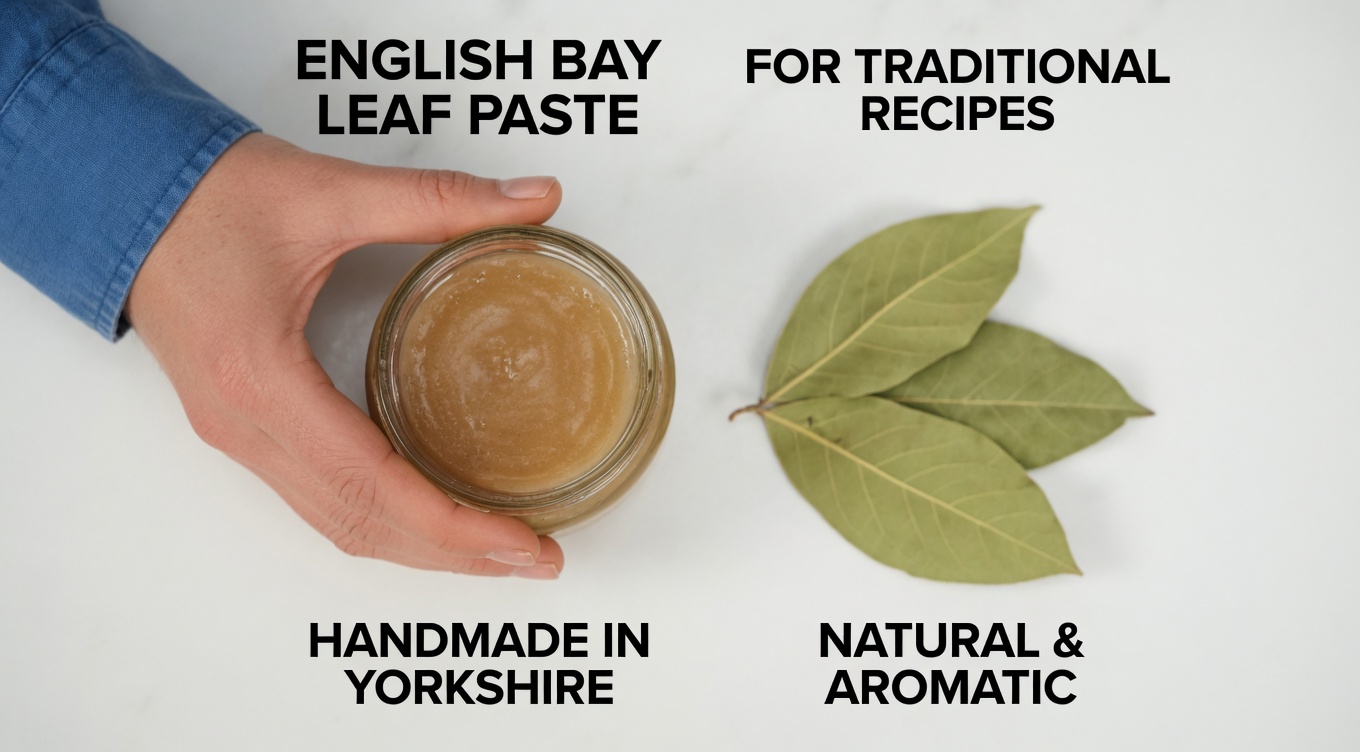
4. Mild pore-cleansing and surface refresh
Visible pores and buildup can make texture look rough. Bay leaves contain tannins, which have a natural astringent quality. Used in a facial steam, they may help lift surface impurities gently while creating a spa-like experience.
3. Helping skin feel more elastic and “bouncy”
When skin doesn’t “snap back” the way it used to, it can affect confidence. Bay leaves contain plant nutrients that have been studied for roles in skin renewal and support. Gentle massage with a diluted bay leaf oil can feel particularly nourishing.
2. A brighter, more radiant-looking complexion
Dullness can make the face look tired. Warm steaming, gentle cleansing, and improved circulation from massage may help reveal a fresher look. Users often describe bay leaf routines as a mild “polish” rather than an aggressive exfoliation.
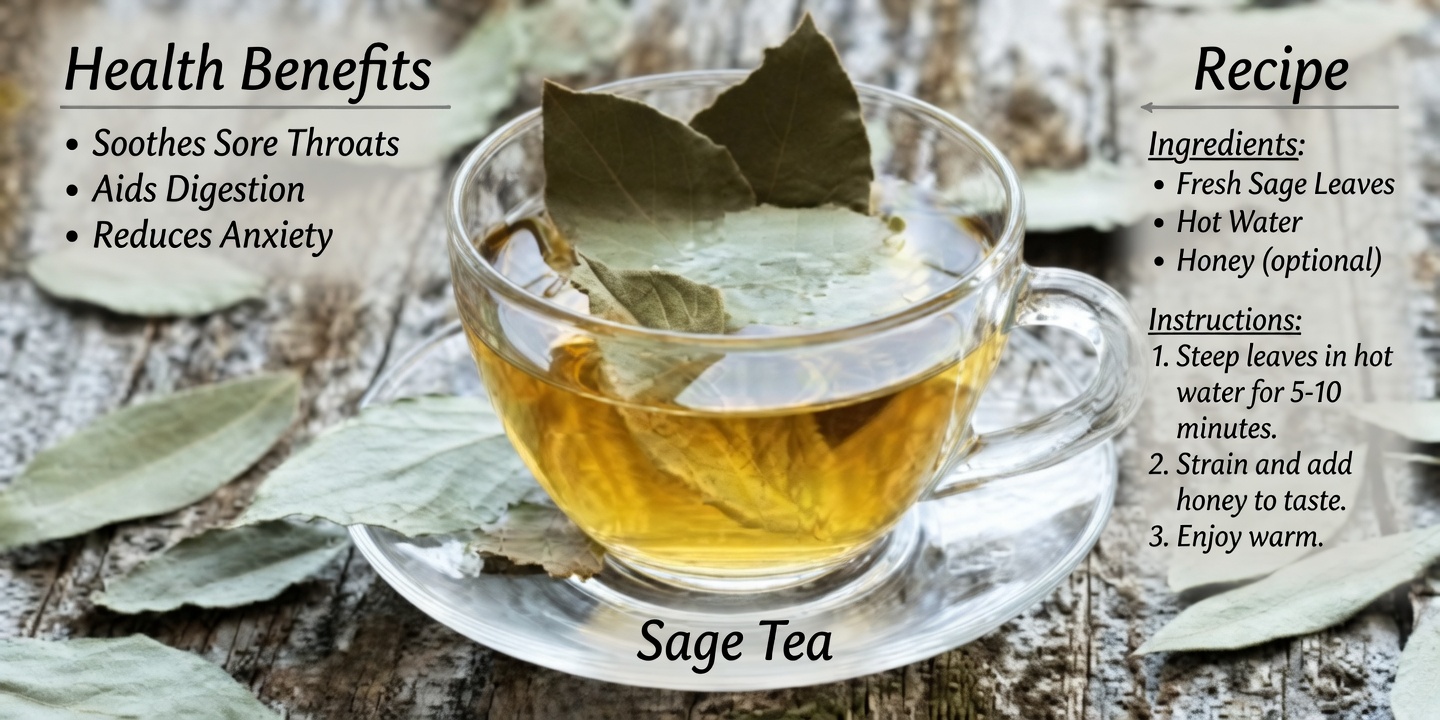
1. Whole-routine support (not a single miracle step)
The most noticeable change people report tends to come from combining small benefits: antioxidant support, comfort for redness, hydration reinforcement, and gentle cleansing. Used consistently (and safely), bay leaves may contribute to a healthier overall appearance—especially when paired with sunscreen and good daily habits.
What You’ll Need for Bay Leaf Skincare
You don’t need complicated tools to begin. Here’s a simple checklist:
- Dried bay leaves: the key ingredient; easy to store and infuse
- Carrier oil (jojoba, almond, coconut, grapeseed): helps dilute bay leaf compounds for safer topical use
- Hot water: for steaming or making a rinse
- Optional: raw honey: useful as a gentle binder for masks and extra moisture
When possible, choose organic bay leaves to minimize unwanted residues.

Safe, Step-by-Step Ways to Use Bay Leaves on Your Skin
Patch test first: Apply a small amount of a diluted bay leaf preparation to the inner arm and wait 24 hours. Stop immediately if burning, swelling, or persistent redness occurs.
1) Bay Leaf Facial Steam (for gentle cleansing)
- Boil 2 cups of water, then add 4–5 bay leaves.
- Let it steep for 10 minutes.
- Place your face over the steam (at a safe distance), and drape a towel over your head.
- Steam for 5–10 minutes.
- Rinse with cool water and apply moisturizer.
Suggested frequency: 1–2 times per week.
2) Bay Leaf Infused Oil (for nighttime massage)
- Lightly crush 3–4 bay leaves.
- Add them to 1/4 cup carrier oil in a clean jar.
- Store in a warm spot for 1–2 weeks, shaking daily.
- Strain and keep in a dark glass container.
Use a few drops on clean skin at night. Avoid the eye area.
3) Bay Leaf Toner Rinse (a simple finishing rinse)
- Steep 3 bay leaves in 1 cup hot water for 15 minutes.
- Cool completely.
- Use as a final rinse after cleansing or mist lightly onto skin.
Store in the refrigerator for up to 1 week.
Start slowly: Use 2–3 times weekly at first and adjust only if your skin responds well.
Final Thoughts: Gentle, Consistent Care Delivers the Best Results
Bay leaves offer a simple, affordable way to explore natural skincare support. Results vary, but many people enjoy the routine and notice subtle improvements in how their skin looks and feels.
For best results, pair bay leaf use with:
- Daily broad-spectrum sunscreen
- Adequate hydration
- A nutrient-rich, balanced diet
- Consistent sleep and stress management
Frequently Asked Questions
Are bay leaves suitable for every skin type?
Many people tolerate diluted bay leaf preparations, but sensitive skin should patch test and use sparingly. Discontinue if irritation develops.
How often can I use bay leaf skincare?
Begin with 2–3 times per week. Increase only if your skin remains calm and comfortable.
Can I use fresh bay leaves instead of dried?
Yes. Fresh bay leaves can work similarly, though dried bay leaves are typically more concentrated and easier to find.
Medical Disclaimer
This article is for informational purposes only and does not replace professional medical advice. Consult a healthcare provider or dermatologist before trying new skincare ingredients—especially if you have a skin condition, are pregnant, or take medications. Individual results may vary.