

9 Everyday Foods That May Increase Kidney Workload
After a long day, it is easy to grab a quick comfort snack—perhaps salty chips or a cold soda. It feels harmless, even rewarding. But many foods people eat regularly can gradually place more pressure on the kidneys, the organs responsible for filtering waste, balancing fluids, and regulating minerals such as sodium, potassium, and phosphorus.
Over time, repeated food choices can matter, especially with aging or when other health risks are present. Many people do not think about kidney health until subtle signs appear, such as fatigue, mild swelling, or changes in bathroom habits. The good news is that paying attention to daily eating patterns can lead to simple, realistic improvements.
This guide looks at nine foods research has connected with a higher kidney burden in some individuals, along with practical ways to build a more balanced diet.
Why Some Foods Can Be Harder on the Kidneys
Your kidneys work continuously to clear out extra waste and minerals. When sodium intake is too high, it may contribute to fluid retention and elevated blood pressure. Excess phosphorus can affect bones and blood vessels over time, while too much potassium may disrupt heart rhythm in people with reduced kidney function. Processed foods are especially important to watch because added minerals are often absorbed more easily than those naturally found in whole foods.
Health authorities such as the National Kidney Foundation and Mayo Clinic have noted that diets high in sodium, phosphorus, and potassium can challenge kidney function, particularly alongside other lifestyle or medical factors. The encouraging part is that even small, steady changes can make healthy eating feel much more manageable.
Let’s count down the common foods that may place extra strain on the kidneys.
#9: Processed Meats
Bacon, sausage, ham, and deli slices are popular for their flavor and convenience, but they are often loaded with sodium and phosphorus-based additives. A single serving can contain 400 mg of sodium or more.
Studies suggest that frequent consumption of processed meat is associated with greater kidney-related risk, largely because the kidneys must work harder to handle the mix of salt and preservatives. Even if portions seem small, eating these foods often can create a meaningful cumulative effect.
#8: Dark Sodas
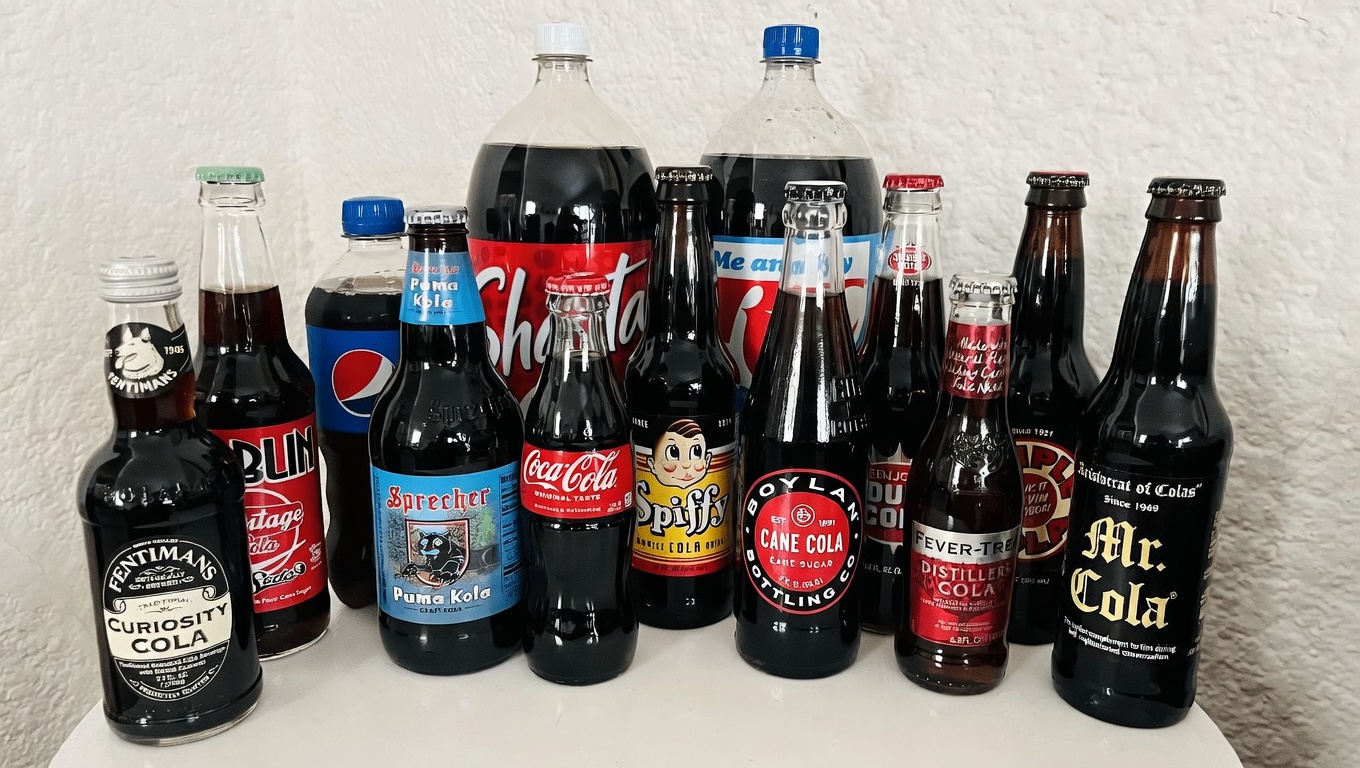
A cola may seem like a refreshing way to quench thirst, but many dark soft drinks contain phosphoric acid, a form of phosphorus that the body absorbs very efficiently.
Research indicates that regularly drinking these beverages may increase kidney workload over time. One 12-ounce serving can contribute a notable amount of phosphorus, and if the kidneys cannot remove it effectively, it may also affect calcium balance and bone health in some people.

Some people report feeling better after replacing cola with lighter drinks or plain water, but dark soda is not the only hidden issue in a typical kitchen.
#7: Canned Foods and Soups
Canned vegetables, beans, and soups are convenient, especially on busy days. The problem is that many of them contain large amounts of added sodium to preserve flavor and shelf life.
That sodium can encourage fluid retention and may raise blood pressure, both of which add stress to the kidneys. Rinsing canned products under water can reduce some of the salt, but it does not remove everything. Choosing low-sodium versions and checking nutrition labels carefully can make a noticeable difference.
#6: Dairy Products
Milk, cheese, and yogurt are often seen as wholesome staples, and they do offer valuable nutrients. However, dairy foods naturally contain phosphorus and potassium, which can become harder to manage when kidney function declines.
If these minerals build up, they may contribute to bone-related concerns and other complications in some individuals. Dairy does not need to be feared, but moderation matters. In some cases, lower-phosphorus alternatives, including certain plant-based options without phosphate additives, may fit better into a kidney-conscious eating pattern.
#5: Avocados
Avocados are widely praised for their healthy fats, fiber, and overall nutritional value. Still, one medium avocado contains more than 700 mg of potassium.
For people with impaired kidney function, that can be significant. High potassium levels may become dangerous and can affect heart rhythm. Because avocados are often marketed as a superfood, many people are surprised to learn that portion control may be important in a kidney-supportive diet.
#4: Bananas and Other High-Potassium Fruits
Bananas are a common breakfast choice and a quick source of energy, with around 400 mg of potassium in one medium fruit. Other fruits such as oranges, prunes, and raisins can provide even more.
When the kidneys are not filtering well, excess potassium may remain in the blood and create health concerns. Fruit is still an important part of a healthy diet, but lower-potassium options such as apples, berries, and grapes may be a better fit for some people when eaten in moderate portions.
#3: Whole Grains
Whole grains like brown rice and whole wheat bread are often recommended for general wellness because they contain fiber and a range of nutrients. However, they also tend to have more natural phosphorus and potassium than refined grains.
For individuals who need to monitor these minerals, white rice or white bread may sometimes be the more suitable choice because they place a lighter mineral load on the kidneys. This is one of those cases where standard healthy-eating advice may not always apply in the same way to kidney concerns.
#2: Salty Snacks and Frozen Meals
Chips, pretzels, and ready-made frozen dinners are easy to reach for, but they are usually highly processed and packed with sodium, preservatives, and phosphate additives.
One analysis found that higher intake of ultra-processed foods was linked to a 24% greater risk of chronic kidney problems in certain populations. Hidden salt and additives can quickly increase the kidneys’ daily workload, especially when these foods become routine.
#1: Too Many Processed and Sugary Foods Overall
Fast food, packaged desserts, candy, energy drinks, and many sweet snacks combine several kidney-stressing factors at once: sodium, phosphorus additives, unhealthy fats, and added sugars. Excess sugar may also raise the risk of diabetes, which is one of the major drivers of kidney disease.
Over the long term, a pattern built around heavily processed foods may accelerate strain on the kidneys. Some people notice positive changes when they begin cutting back. For example, one busy parent replaced many packaged foods with fresher meals and felt more energetic, while another person saw more stable blood pressure after reducing processed snacks.
These are not guaranteed results, but they reflect patterns commonly seen in nutrition research.
Practical Tips to Start Today
Improving your diet does not mean changing everything overnight. Small steps are often easier to maintain and can still support kidney health.
- Choose fresh or frozen vegetables and fruit without added sauces whenever possible.
- Look for ingredient terms that include “phos”, which may indicate phosphate additives.
- Aim for lower-sodium foods, ideally under 140 mg per serving when realistic.
- Rinse canned beans and vegetables well to help reduce sodium.
- Watch portion sizes of high-potassium foods and balance them with lower-potassium choices like apples or cabbage.
- Add flavor with herbs, garlic, lemon juice, or spices instead of relying on salt-heavy seasonings.
- Drink water or unsweetened beverages, following any fluid recommendations from your healthcare provider.
Simple swaps can build momentum. Replacing one soda a day with infused water or choosing unsalted popcorn instead of chips a few times a week can be a practical place to begin.
Quick Comparison of Common Foods and Kidney Concerns
-
Processed meats
- Main concern: Sodium and phosphorus
- Typical amount: 400–800 mg sodium per serving
- Why it matters: May raise blood pressure and add highly absorbable phosphorus
-
Dark-colored sodas
- Main concern: Phosphoric acid
- Typical amount: 30–50 mg phosphorus per serving
- Why it matters: Easily absorbed and may affect bones and blood vessels
-
Canned foods and soups
- Main concern: Hidden sodium
- Typical amount: 500–1,000 mg sodium per serving
- Why it matters: Can promote fluid retention and higher pressure
-
Dairy products
- Main concern: Natural phosphorus and potassium
- Typical amount: Varies, often significant
- Why it matters: Excess may influence bone health and mineral balance
-
Avocados
- Main concern: High potassium
- Typical amount: 700+ mg per medium avocado
- Why it matters: May affect heart rhythm if potassium rises too high
-
Bananas, oranges, and dried fruit
- Main concern: High potassium
- Typical amount: 400–500+ mg per serving
- Why it matters: Can contribute to electrolyte imbalance
-
Whole grains
- Main concern: Phosphorus and potassium
- Typical amount: Higher than refined grain alternatives
- Why it matters: Adds to the mineral load on the kidneys
-
Salty snacks and frozen meals
- Main concern: Sodium and additives
- Typical amount: 200–500+ mg sodium per serving
- Why it matters: Increases daily filtering demand
Final Thought
Kidney health is shaped by long-term habits, not just one meal or one snack. Many of the foods listed above can fit into life occasionally, but regular intake may become a concern for some people, especially those already at risk.
The most effective approach is often not strict restriction, but smarter balance. By becoming more aware of sodium, phosphorus, potassium, and ultra-processed foods, you can make everyday choices that support your kidneys and your overall well-being.