Knee pain caused by thinning or worn cartilage can turn everyday moments—like climbing stairs or taking a relaxing walk—into stressful challenges for many older adults. The familiar morning stiffness, grinding sensation, and nagging ache may even make simple tasks such as tying shoes or playing with grandchildren feel tiring and discouraging. Because of this, many seniors look for gentle, natural ways to support joint comfort—and bone broth is often mentioned as a soothing, nutrient-rich option. Below, you’ll learn what’s inside bone broth and how it may help support knee cartilage health.
Why Knee Cartilage Health Matters for Seniors
A common driver of knee discomfort is age-related cartilage wear. Cartilage acts like a cushion between bones, helping joints glide smoothly during movement. Over time, this protective layer can become thinner, which may lead to stiffness, reduced mobility, and pain—especially during walking, standing, or climbing stairs.
According to information referenced by the National Institutes of Health (NIH), joint problems affect millions of older adults, often making once-enjoyable activities harder to maintain. Protecting cartilage and supporting joint tissues can therefore play a major role in preserving independence and daily quality of life.

Why Bone Broth Is Popular for Joint Support
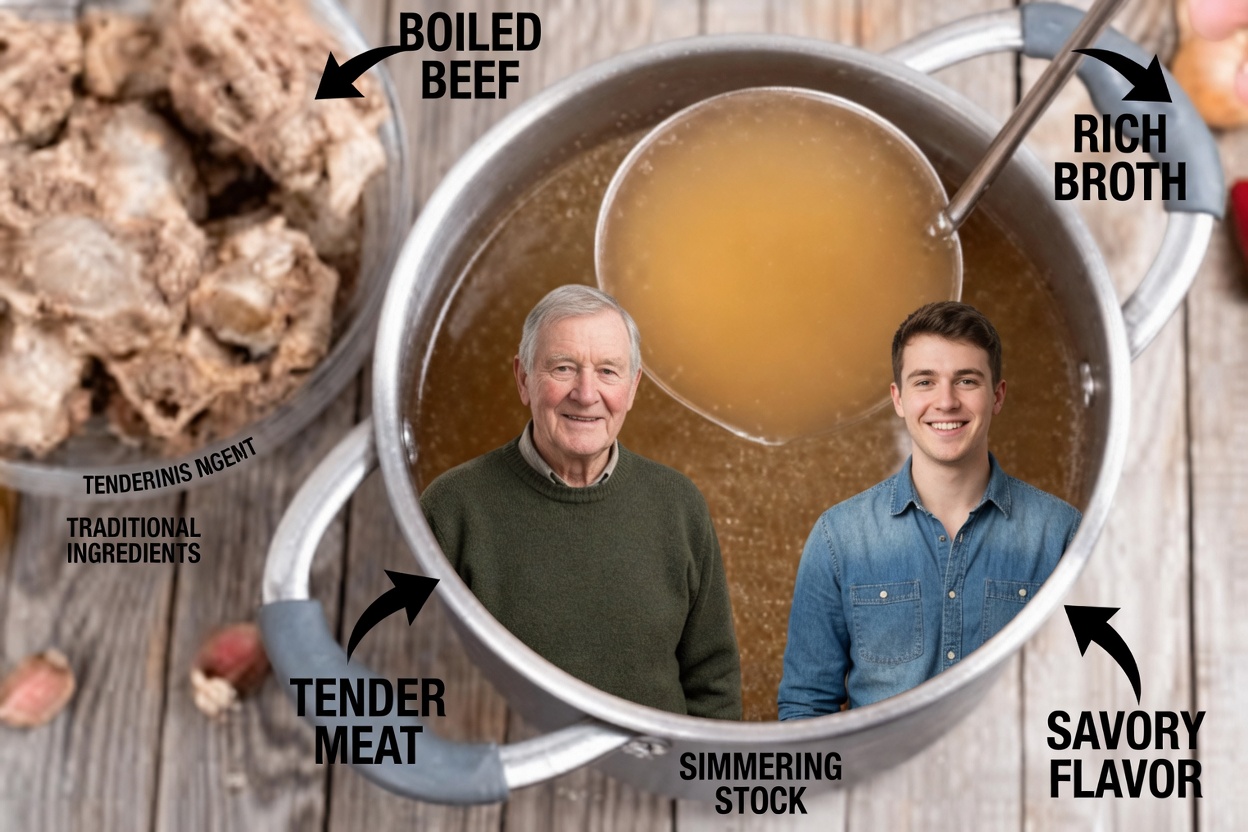
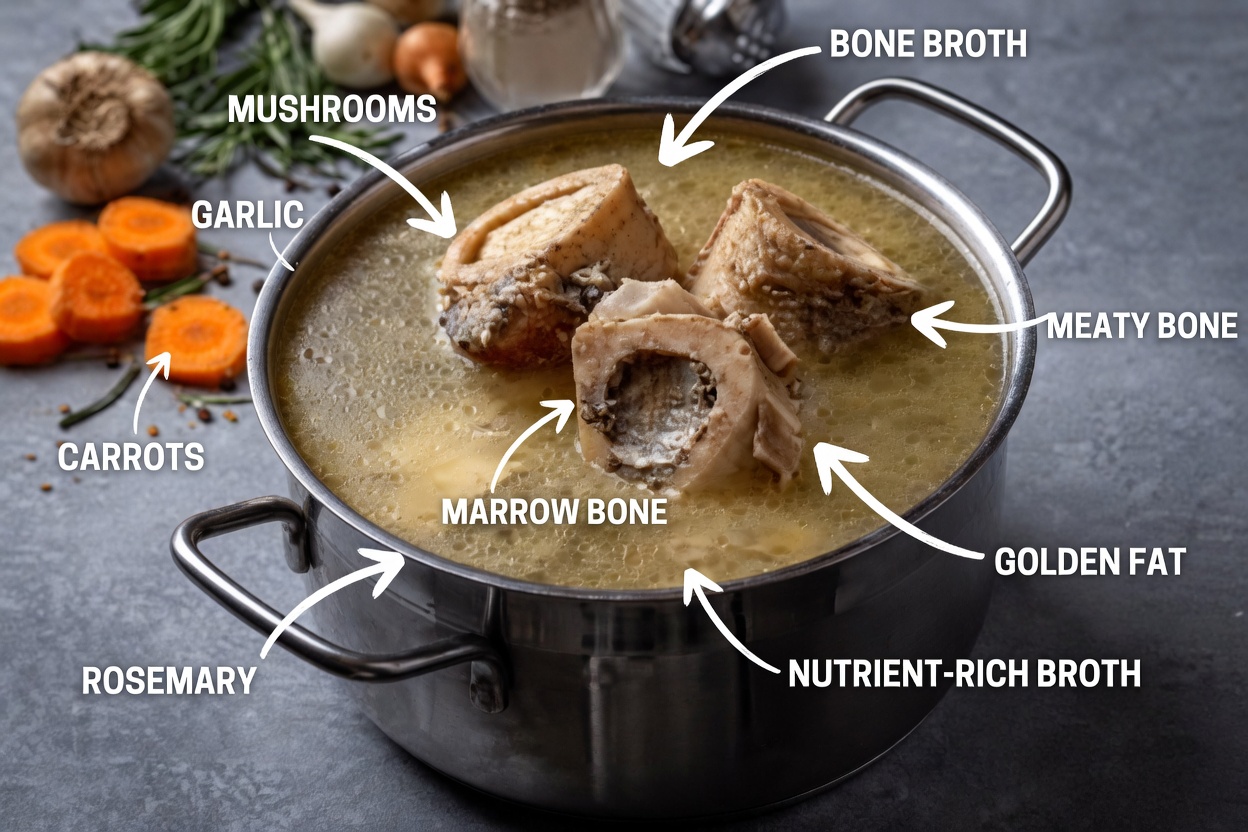
Bone broth is made by slow-simmering animal bones and connective tissues for many hours. This gentle cooking process releases naturally occurring nutrients into the broth, including:
- Gelatin (derived from collagen)
- Amino acids (such as glycine and proline)
- Minerals (including calcium and magnesium)
- Small amounts of joint-related compounds like glucosamine and chondroitin
Research commonly discusses glucosamine and chondroitin in relation to cartilage and joint function, and some findings (including work published in journals such as the Journal of Orthopaedic Research) suggest these compounds may help support cartilage maintenance. For many seniors, bone broth is appealing because it feels like a comforting food—not a harsh supplement—and it’s typically easy to digest.
5 Ways Bone Broth May Support Seniors’ Knee Health
1) Provides building blocks used for cartilage support
When joints feel “dry” or stiff, movement can become uncomfortable. Bone broth contains collagen, which breaks down into peptides and amino acids the body may use to help maintain connective tissue structure. Research published in the Nutrition Journal has linked collagen supplementation with improved joint comfort in some groups—making collagen-rich foods like bone broth an appealing option for seniors seeking gentle support.
2) Helps calm everyday inflammation
Low-grade, ongoing inflammation can contribute to knee discomfort in older adults. Bone broth includes amino acids such as glycine, which has shown anti-inflammatory potential in scientific literature, including research discussed in the Journal of Rheumatology. Many seniors who regularly include bone broth in meals report feeling more comfortable during daily movement.
3) May promote mobility and flexibility
Tight, stiff knees can make bending, standing, or stairs feel intimidating. Bone broth naturally contains small amounts of glucosamine and chondroitin, compounds often studied for their potential role in joint flexibility and comfort. Some NIH-supported research has explored their relationship to joint function, which is one reason bone broth is often used as part of a broader joint-friendly routine.
4) Supports bone strength around the knee joint
Stable knees rely not only on cartilage, but also on strong surrounding bones. Bone broth provides minerals such as calcium and magnesium, which play a role in bone health. While bone broth is not a replacement for a complete diet, it can contribute gentle nutritional support for seniors concerned about instability along with discomfort.
5) Supports gut comfort and nutrient absorption
A healthy digestive system helps the body absorb nutrients that support overall wellness, including joint-related nutrition. The gelatin in bone broth may help soothe the digestive lining, and research published in Nutrients has discussed potential digestive benefits of gelatin-rich foods for some individuals. Better digestion may help seniors make the most of the nutrients they consume for cartilage and joint support.
Bone Broth Benefits at a Glance
- Cartilage support: Collagen, glucosamine → may help maintain joint cushioning
- Inflammation support: Glycine, proline → may ease day-to-day discomfort
- Flexibility support: Chondroitin → supports smoother movement
- Bone support: Calcium, magnesium → helps stabilize joints
- Gut support: Gelatin → may improve nutrient uptake
Simple Ways to Add Bone Broth to Your Daily Routine
Adding bone broth can be easy and flexible. Many seniors start with 8–12 ounces per day, either as a warm drink or as part of meals.
Try these practical options:
- Sip it plain: Warm a cup of low-sodium bone broth and drink it in the evening like a calming tea.
- Cook with it: Use bone broth instead of water when making soups, grains, or vegetables for extra flavor and nutrition.
- Choose high-quality broth: Look for simple ingredients and under 200 mg sodium per serving when possible.
- Start small: If you have a sensitive stomach, begin with 4–6 ounces and increase gradually.
If you prefer homemade broth, simmer bones with vegetables and herbs for 12–24 hours to draw out gelatin and minerals. Many people enjoy the slow-cooking routine—and the aroma is a bonus.
A Gentle One-Week Bone Broth Plan for Knee Support
If you want a simple way to test how bone broth fits into your routine, try this approach:
- Days 1–3: Drink 8 ounces of warm bone broth each evening. Pay attention to how your knees feel the next morning.
- Days 4–7: Add a second serving at lunch (for example, in soup). Include light stretching or gentle walks.
- Track changes: Note your knee comfort, stiffness, and mobility in a small journal. Some seniors notice subtle improvements within 7–14 days, especially when paired with other healthy habits.
For best results, combine bone broth with joint-supporting basics such as hydration, regular movement, and balanced nutrition. If you take medications or manage chronic conditions, speak with your clinician before making significant dietary changes.
Move with More Comfort and Confidence
Knee discomfort doesn’t have to decide what you can and can’t do. Bone broth is a traditional, nutrient-dense choice that many seniors use to support knee cartilage health and promote everyday joint comfort. With its warming feel and naturally occurring joint-friendly compounds, a daily cup can be a small yet meaningful addition to your wellness routine.
Tip: A pinch of turmeric can add a warming flavor that many people enjoy in bone broth.
Frequently Asked Questions
Is bone broth safe to drink every day?
For most people, yes. Choose low-sodium options and start gradually. If you have kidney concerns or need to limit certain minerals, consult your healthcare provider first.
How soon might I notice a change in knee comfort?
Results vary. Some seniors report improvement within 7–14 days, particularly when bone broth is combined with movement, hydration, and other joint-friendly habits.
Can I use store-bought bone broth?
Yes. Look for brands with clean ingredients, no added MSG, and reasonable sodium levels. Homemade broth offers more control over ingredients and flavor.
Medical Disclaimer
This article is for informational purposes only and is not a substitute for professional medical advice. Always consult your healthcare provider before changing your diet or wellness routine, especially if you have existing health conditions.