That tight, swollen feeling after a salty meal can make you wonder whether your kidneys are working overtime—especially after 45, when blood pressure changes, blood sugar shifts, and mild dehydration can add extra pressure. What many people miss is that some everyday “healthy” picks can still be hard on filtration when they’re loaded with sodium, potassium, or phosphorus.
The good news: kidney-friendly foods that may support better filtration often come down to practical swaps—choices that are gentler on those key minerals while still offering great taste, fiber, and real satisfaction. Stay with it: the #1 option is an inexpensive staple most kitchens already have, and it can quietly improve your daily routine.

Why Kidneys Deserve More Attention After 45
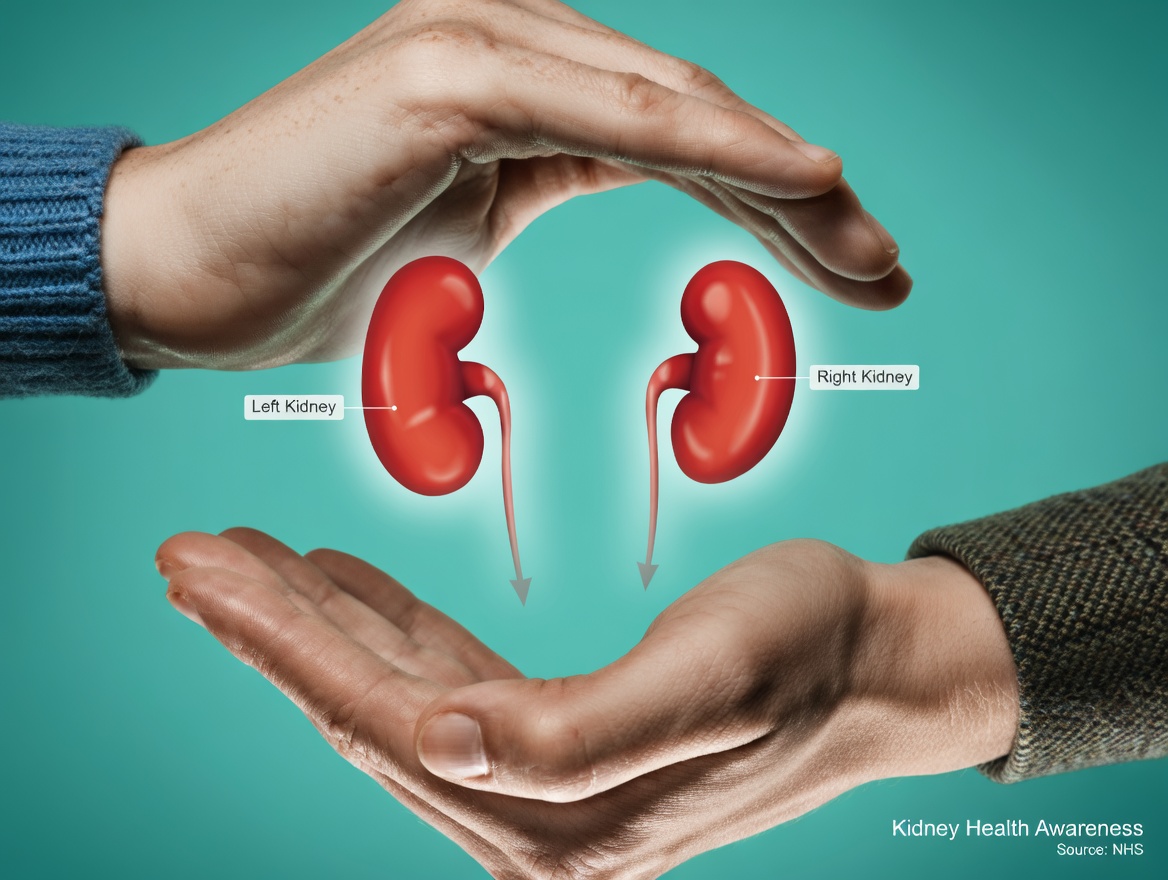
Your kidneys do far more than make urine. They help remove waste, balance fluid, support healthy blood pressure, and influence bone health and red blood cell production. With age—and especially with conditions like hypertension or diabetes—these jobs can become more demanding.
That’s why kidney-friendly eating patterns often prioritize lower sodium and, when needed based on labs, more mindful potassium and phosphorus intake. Many renal nutrition resources also emphasize that consistent, portion-aware choices can improve comfort and energy without making meals feel restrictive.
If you’ve noticed ankle swelling, unusual thirst, or lingering fatigue, it may be worth taking a closer look at what’s on your plate.
The Kidney-Friendly Mindset: Four Numbers to Keep in View
Instead of obsessing over every bite, focus on four big levers:
- Sodium
- Potassium
- Phosphorus
- Protein
Exact targets vary depending on kidney function stage, medications, lab values, and whether dialysis is involved—so your clinician or renal dietitian should guide the specifics. Still, many people feel better quickly by making simple upgrades such as:
- Building flavor with herbs, garlic, onion, and lemon instead of salt
- Choosing lower-potassium produce more often
- Reading labels for phosphate additives and hidden sodium
Now, here are nine kidney-friendly foods that may support better filtration—counting down from #9.
#9: Asparagus — A Simple Side That Works in Smart Portions
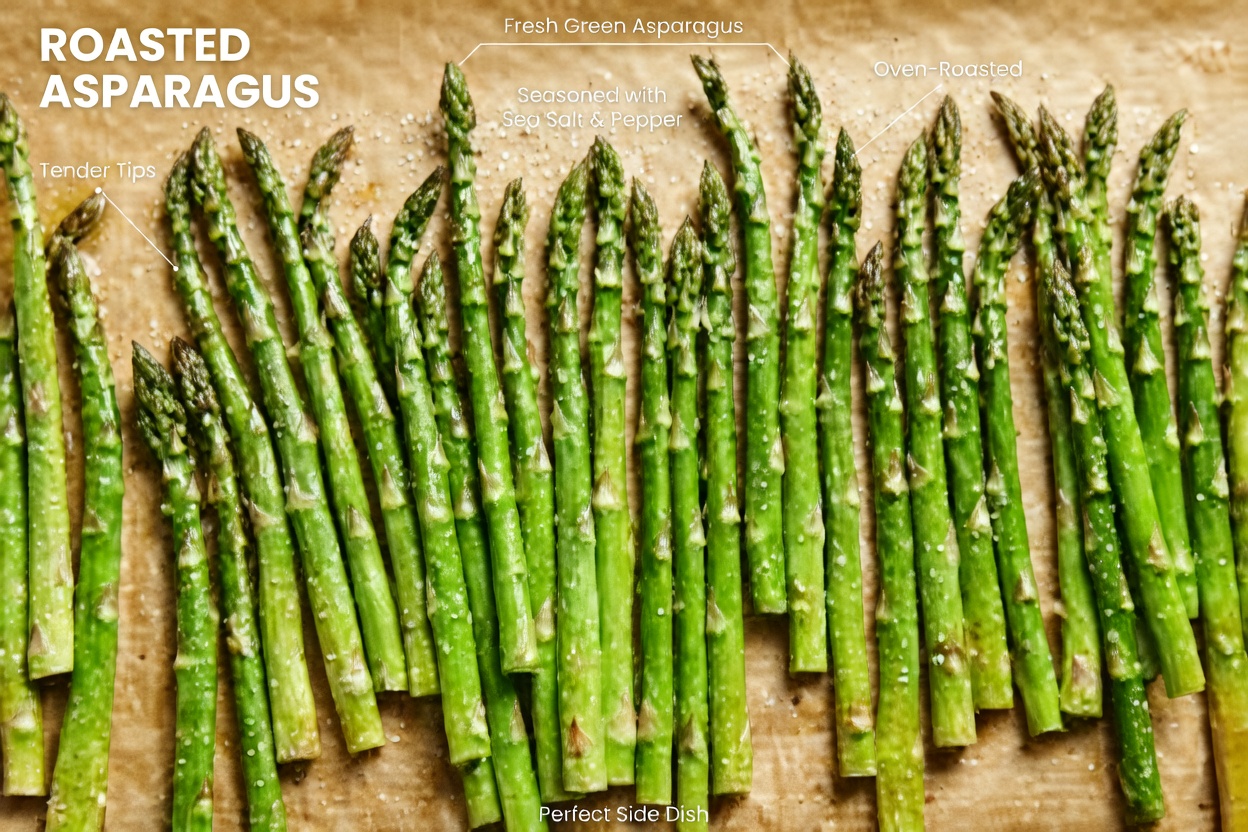
Asparagus can feel “restaurant-level” with almost no effort: roast it and finish with lemon for brightness. In many kidney-aware plans, asparagus can fit well because it’s moderate to lower in potassium per typical serving (roughly 200 mg per ½ cup cooked) and adds fiber plus helpful plant compounds.
Portion tip: Aim for about 6–8 spears when potassium needs closer control.
#8: Radishes and Turnips — Crunch and Comfort Without the Heavy Mineral Hit
If soups or side dishes feel boring, radishes and turnips add a satisfying bite and hearty texture. Compared with many starchy options, these root vegetables are often used as lower-potassium alternatives, and they also provide antioxidants.
Keep it easy: Use modest servings to avoid gradually stacking potassium across the day.
#7: Cauliflower — The Comfort-Food Swap That Actually Satisfies
When you miss mashed potatoes or rice, cauliflower is the classic workaround: mash it, “rice” it, or roast it until golden. Cauliflower is widely used in kidney-friendly meals because it’s typically lower in potassium, provides fiber, and supports digestion.
Try: roasted cauliflower with garlic and lemon for warmth and flavor without relying on salty sauces.
#6: Cucumbers — Light, Hydrating, and Best When Fresh
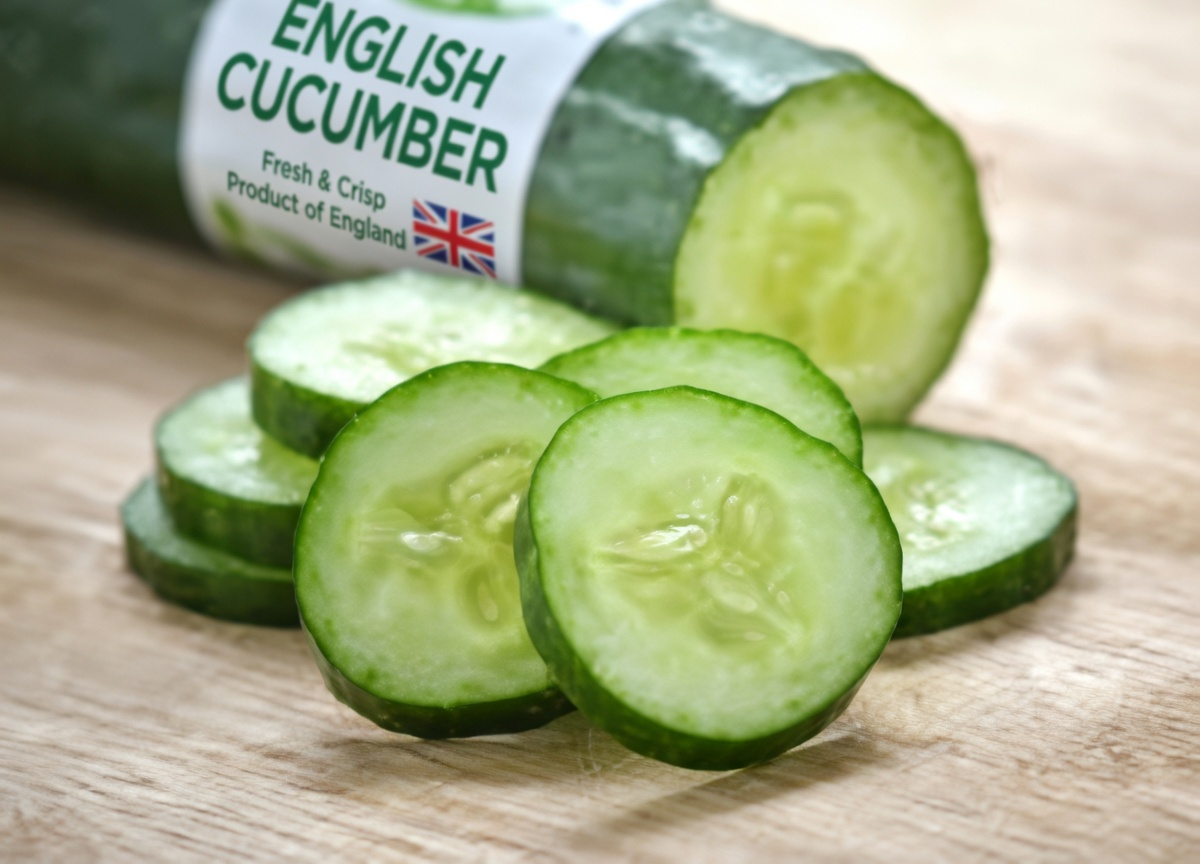
A few crisp cucumber slices after a heavy meal can feel instantly refreshing. Fresh cucumbers are mostly water and are generally low in the minerals that often need monitoring, making them a gentle hydration-friendly choice.
Avoid the trap: Pickles and brined cucumber salads can be sodium bombs.
#5: Onions and Garlic — Big Flavor That Helps You Cut Back on Salt
Onions and garlic are the foundation of satisfying food in many cuisines—and they’re especially useful when sodium needs to come down. Their strong aroma and taste help meals feel “complete” without extra salt, and they contain compounds often discussed for anti-inflammatory benefits.
If your stomach is sensitive, start small and cook them gently.
#4: Green Cabbage and Arugula — Smarter Leafy Choices for Many Plans
Not all greens are equally easy on the kidneys. Some popular leafy vegetables can be high in potassium, which may be a concern depending on lab results. Cabbage and arugula are often featured in kidney-friendly food lists because they provide:
- Crunch and volume
- Fiber for digestion
- Bright flavor (especially arugula’s peppery kick)
Quick idea: shredded cabbage + arugula slaw with lemon and herbs instead of salty dressings.
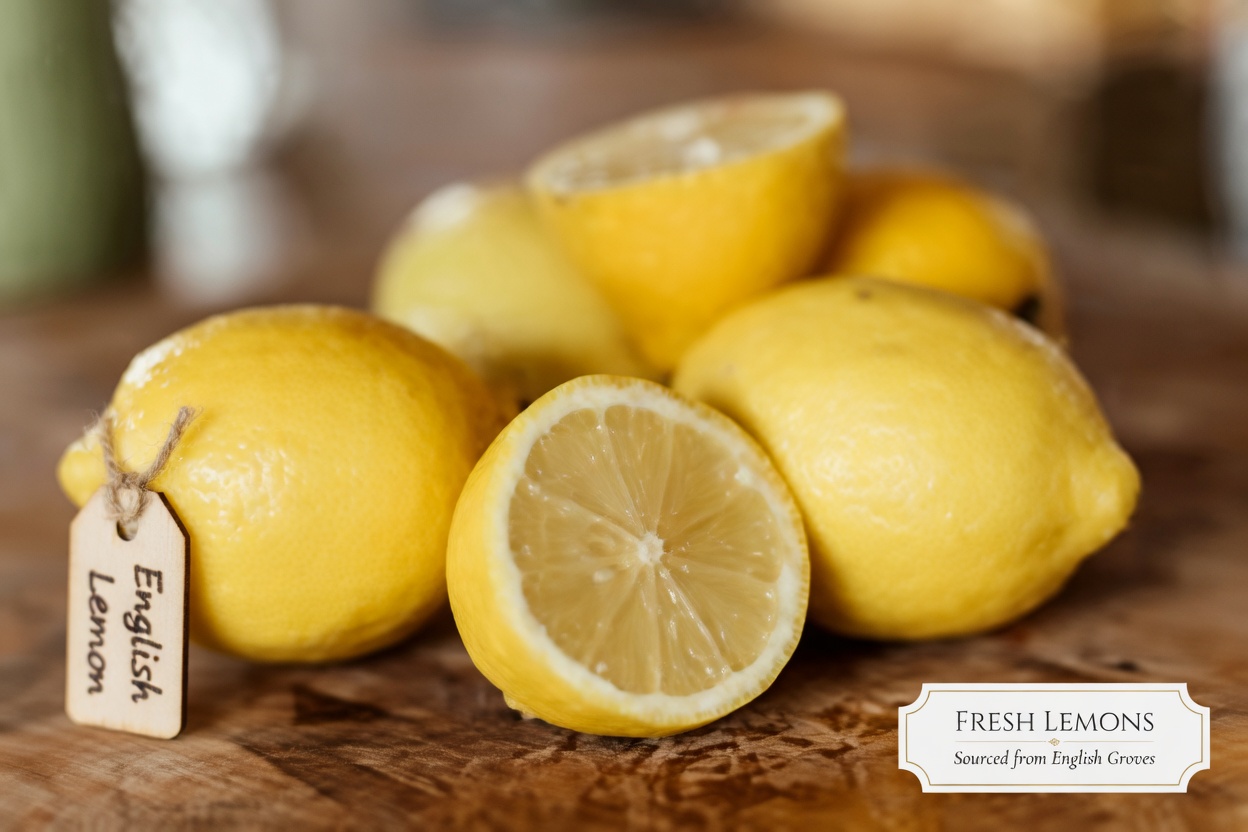
#3: Lemons — The Acid That Makes Low-Sodium Food Taste Better
When meals taste dull, people naturally reach for salt. Lemon solves that problem fast by adding acidity that “lifts” flavor. Lemons are also valued for citrate, which is sometimes discussed in relation to certain kidney stone patterns (your clinician can advise what applies to you).
Use it on vegetables, fish, salads, or even fruit for a clean, bright finish.
#2: Berries — Antioxidant-Rich and Easy to Portion
Blueberries, strawberries, raspberries, and cranberries bring strong antioxidant content and are often included in kidney-friendly approaches because they’re typically manageable in potassium at reasonable serving sizes.
Example: Diane, 58, replaced her morning orange juice with berries and yogurt—her cravings calmed down, and she felt more stable through the morning.
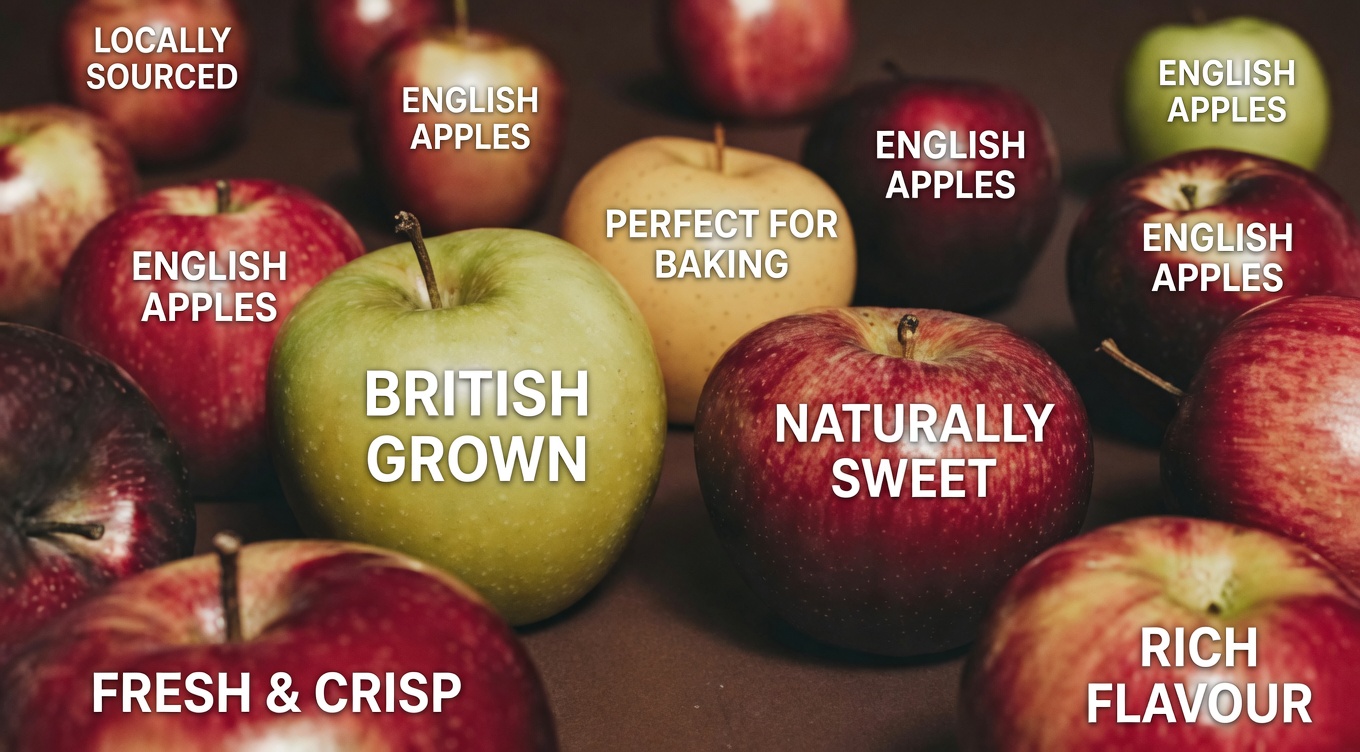
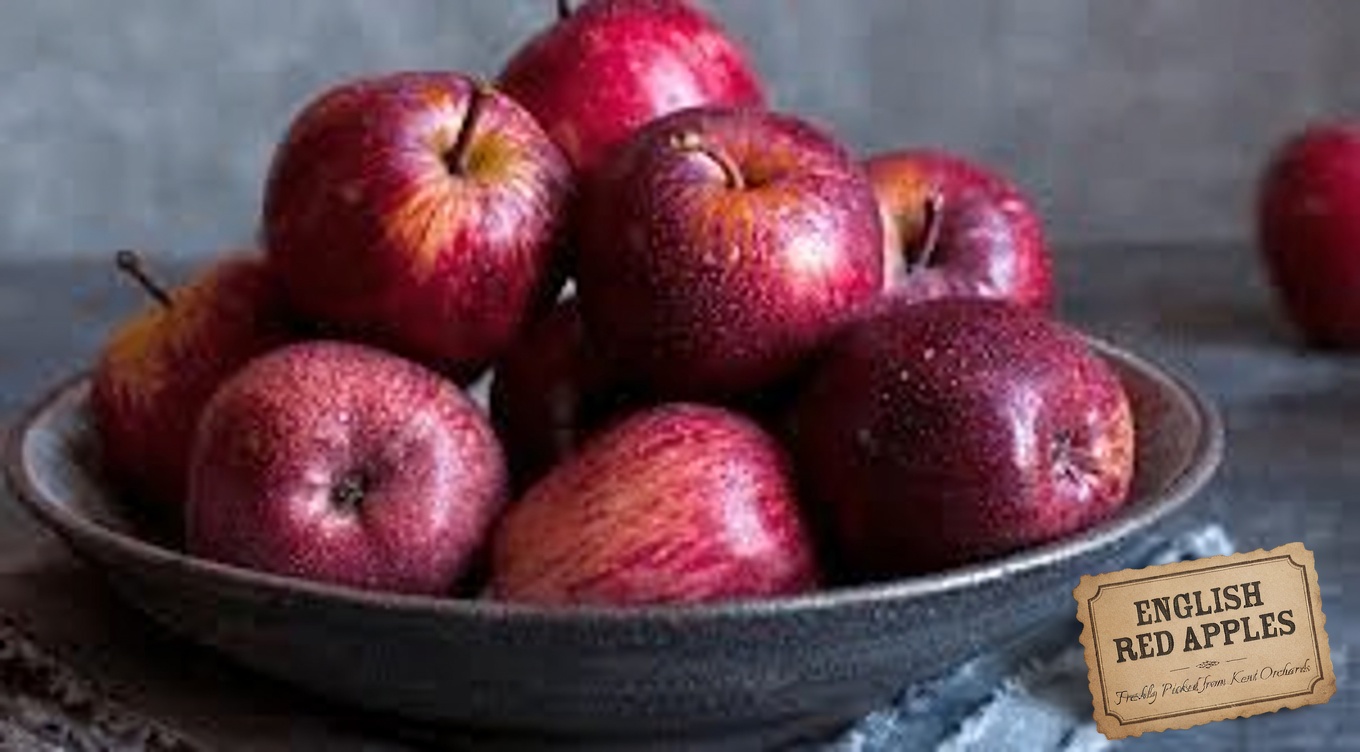
#1: Apples — Affordable, Portable, and Surprisingly Strategic
Apples earn the top spot because they’re simple, accessible, and easy to build into routines. They offer fiber and natural sweetness, making them a practical replacement for salty packaged snacks. For many people, apples also fit more comfortably than higher-potassium fruits when potassium needs monitoring.
Try: apple slices with cinnamon for a quick, satisfying snack.
Example: Marcus, 66, swapped crackers for apples, and his thirst and puffiness improved noticeably.
Quick Comparison: Kidney-Friendly Foods That May Support Better Filtration
| Food | Why it can help | What to watch | Simple idea for tonight |
|---|---|---|---|
| Apples | Fiber; helps replace salty snacks | Carbs if tracking | Slices + cinnamon |
| Berries | Antioxidants; easy portions | Added sugar in dried/processed forms | Fresh berries in yogurt |
| Cabbage / Arugula | Crunch, fiber, lighter mineral profile than some greens | High-sodium dressings | Lemon-herb slaw |
| Lemons | Boosts flavor without salt; citrate | Reflux for some people | Squeeze over vegetables |
| Onions / Garlic | Powerful flavor; supports lower sodium cooking | GI sensitivity | Base for soup or sauté |
| Cauliflower | Comfort-food swap; fiber | Sauces/seasonings can add sodium | Mash with garlic |
| Cucumbers | Refreshing; high water content | Pickled versions are high sodium | Fresh slices + dill + lemon |
| Radishes / Turnips | Texture; often lower potassium than starchy sides | Portion sizes | Roast with oil and herbs |
| Asparagus | Fiber; satisfying side | Potassium can add up if over-served | Roast + lemon |
Three “Healthy” Foods That Can Be Risky in Kidney Concerns
Some foods are nutritious but may be problematic when potassium is high, phosphorus needs restriction, or kidney function is reduced:
- Bananas and avocados: often very high in potassium per serving
- Dried fruit (dates, prunes, apricots, raisins): concentrated potassium and sugar
- Star fruit: associated with toxicity risk in people with kidney disease
Always confirm with your clinician or renal dietitian, especially if you have chronic kidney disease or abnormal lab results.
A Simple 3-Step Kidney-Friendly Plate Formula
Use this as an easy framework (then personalize portions with professional guidance):
- Flavor foundation: onion + garlic + lemon
- Produce with predictable portions: one serving of apple or berries
- Protein: adjust based on your stage, labs, and clinician recommendations
Mini challenge (3 days):
- Skip packaged salty snacks
- Add one apple or berry serving daily
- Use lemon-garlic in one meal
Then note any shifts in thirst, cravings, puffiness, or energy.
How to Use These Foods More Safely
- Lower sodium by default: build meals around lemon, garlic, and onion
- Keep potassium predictable: use portion-sized apples and berries
- Support digestion: lean on fiber from cabbage and cauliflower
- Make comfort swaps: choose cauliflower instead of large starchy servings when needed
- Hydrate smarter: pick fresh cucumbers, not pickles
Fatty fish like salmon can be a good omega-3 option for some people, but protein needs vary—confirm the right amount for your situation.
The Habit That Quietly Changes Everything
No single food “repairs” kidneys. What truly helps is repeating a pattern that’s easier on filtration: less sodium, smarter portions, and flavor-forward cooking that doesn’t rely on salt. Over time, these small choices can reduce that bloated, puffy feeling and make daily eating feel more steady and controllable.