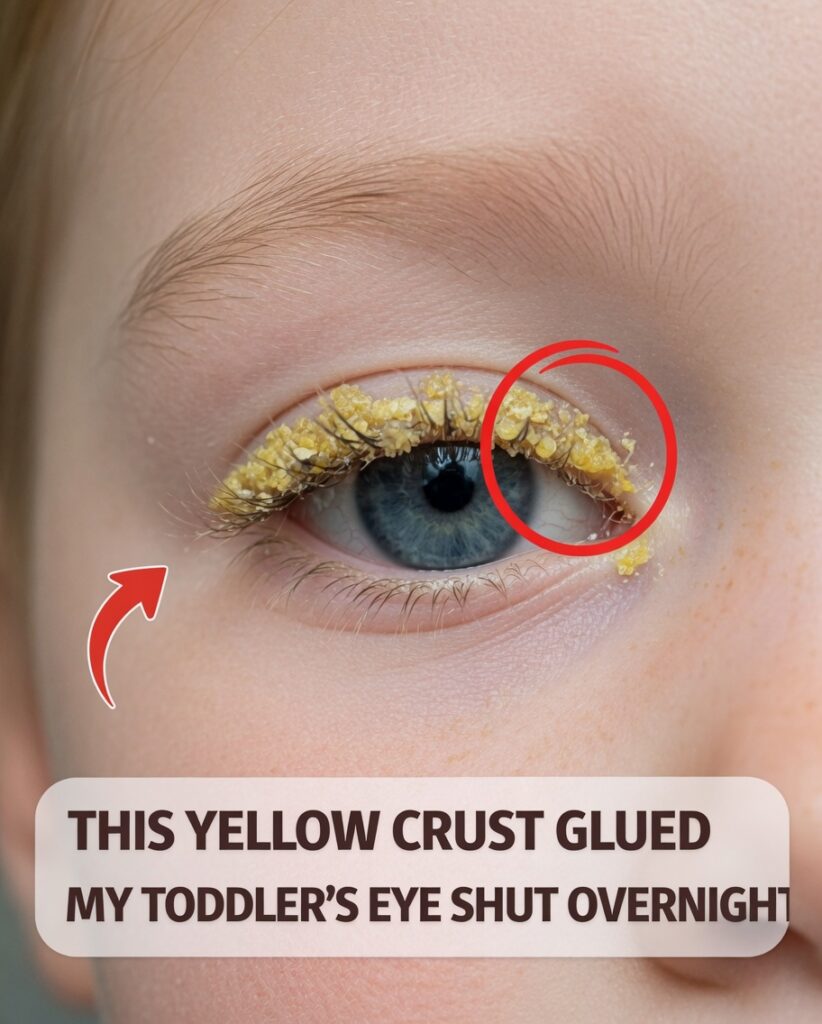
When Your Toddler Wakes Up With an Eye Glued Shut
It often starts first thing in the morning: your toddler wakes up sleepy and rubbing their face, but one eyelid won’t open. Overnight, a sticky yellow crust has dried and sealed the lashes together. Many parents feel anxious (or even embarrassed) when their child cries because the eye feels uncomfortable.
The reassuring reality is that sticky eye discharge in toddlers is very common. In many cases, it’s related to mild issues such as conjunctivitis (pink eye), eye irritation, or a blocked tear duct. Even better, simple at-home routines can help you keep the eye clean and comfortable while you watch symptoms closely.
Why a Toddler’s Eye Can Get Stuck Shut Overnight
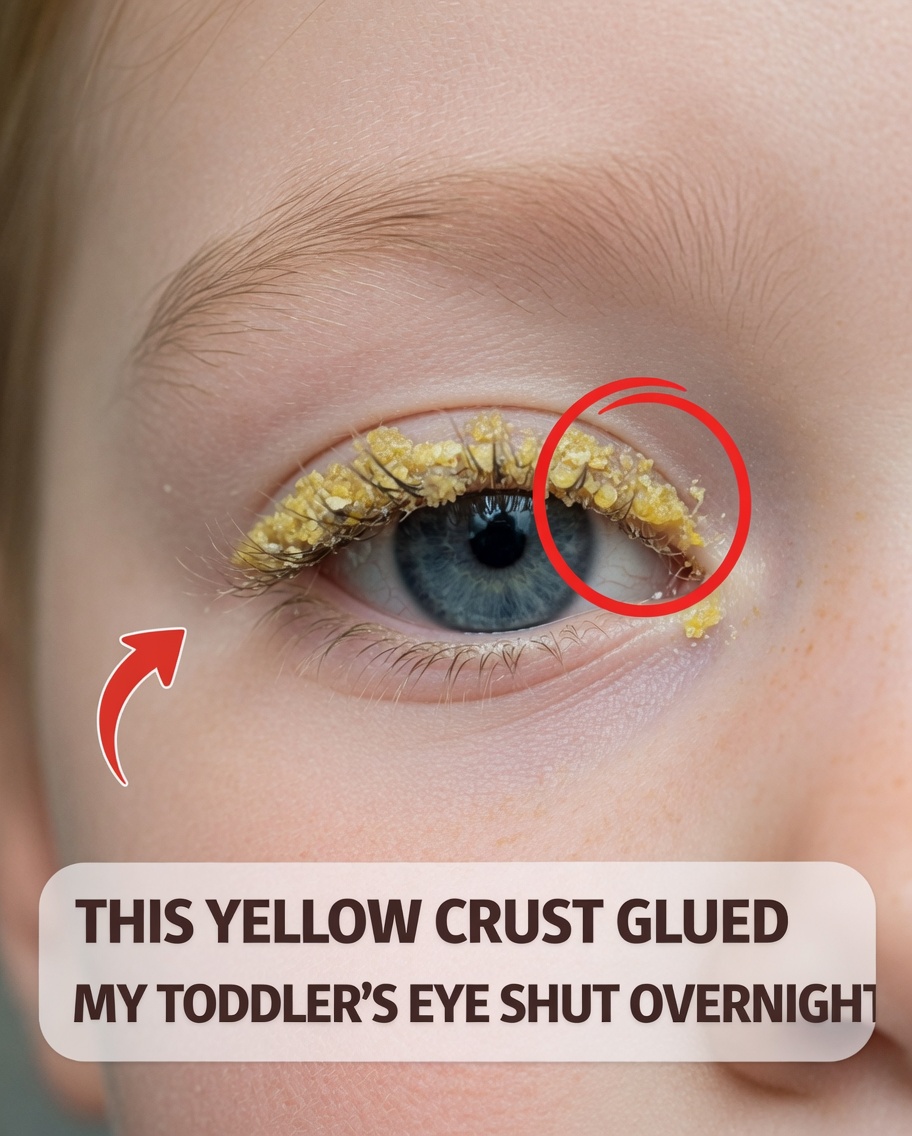
It can be surprising how fast discharge appears—your child looks fine at bedtime, then wakes up with an eye crusted closed.
Here’s what’s happening: the eye naturally makes tears and mucus to protect the surface. When the eye is irritated or inflamed, that protective system ramps up. As mucus dries during sleep, it can glue the eyelids together.
Several common causes can lead to this sticky buildup.
Conjunctivitis (Pink Eye)
Conjunctivitis occurs when the thin membrane covering the white of the eye and inner eyelid becomes inflamed. Toddlers are especially prone to it because they frequently touch their eyes with unwashed hands.
Common symptoms include:
- Yellow or green discharge
- Eyelids stuck together after sleep
- Mild redness
- Watery, itchy, or irritated eyes
Pediatric health sources commonly note that bacterial conjunctivitis tends to cause thicker discharge that may return throughout the day.
Blocked Tear Duct (Very Common in Babies and Toddlers)
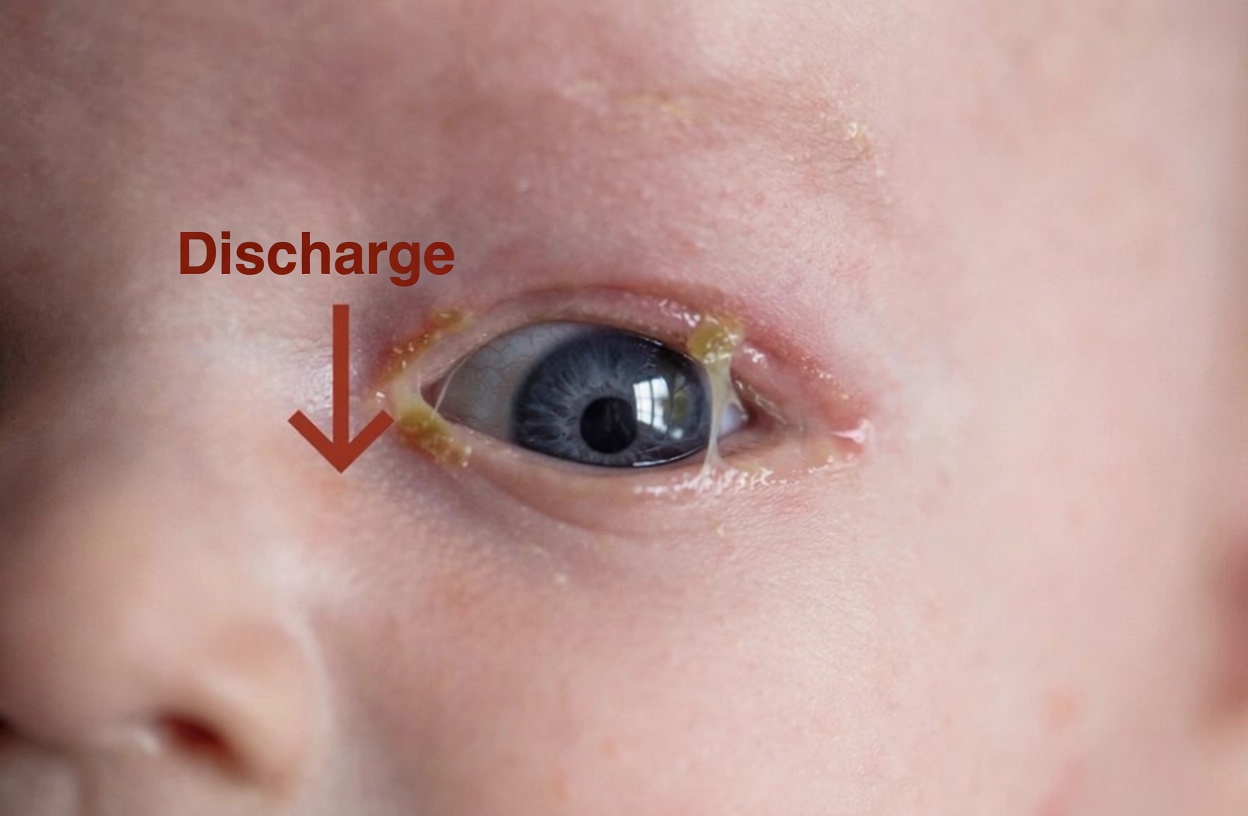
Another frequent reason for recurring discharge is a blocked tear duct. Normally, tears drain through tiny channels near the inner corner of the eye into the nose. If that pathway is partially blocked, fluid can pool and create ongoing watering and stickiness.
Signs parents often notice:
- A constantly watery eye
- Discharge that returns soon after cleaning
- Crust after naps or overnight sleep
In many children, this improves gradually as the drainage system matures.
Mild Irritation From Dust, Colds, or Rubbing
Sometimes the cause is simple and temporary. A toddler may develop discharge when:
- Dust or debris gets into the eye
- They have a mild cold or viral infection
- They rub their eyes with dirty hands
In these situations, the eye may produce extra mucus to flush out irritants. Just as important: how you clean the eye can strongly affect comfort and hygiene.
Safe Ways to Clean a Toddler’s Eye at Home
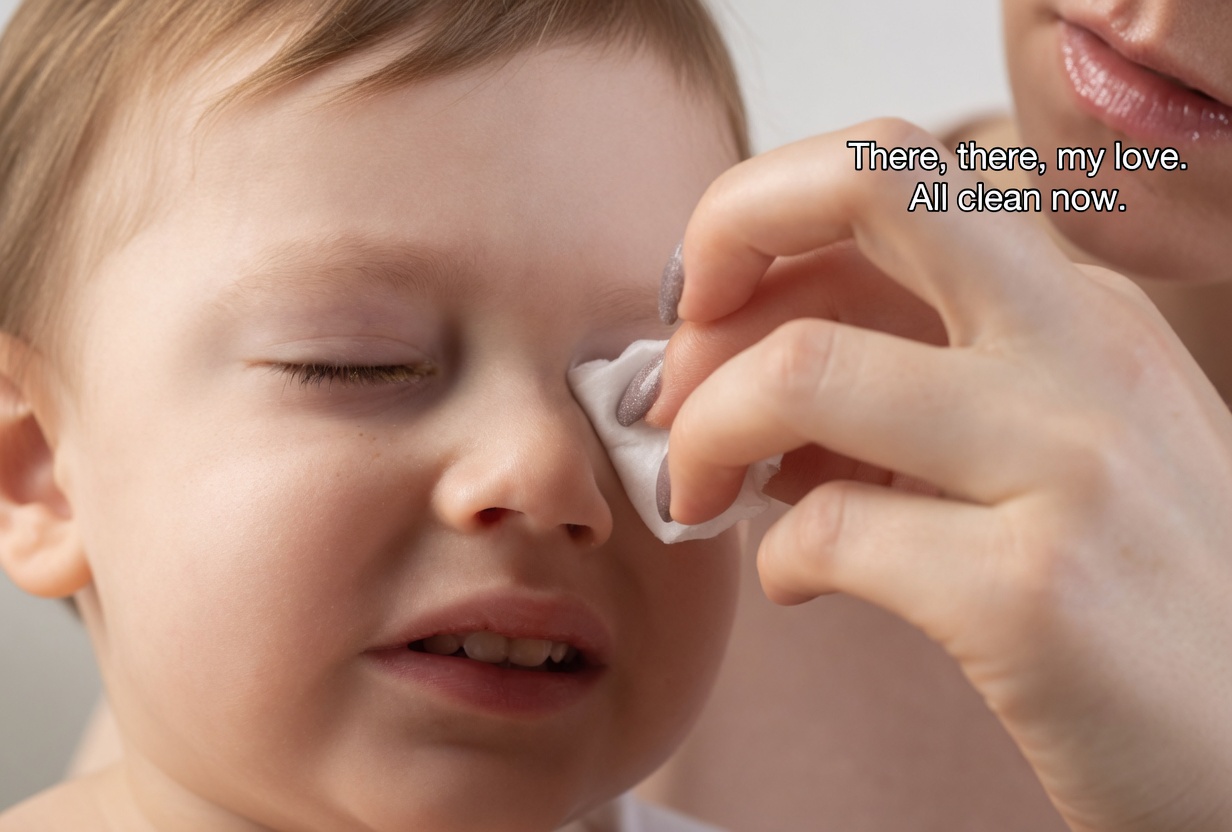
When an eye is crusted shut, it’s tempting to rub it off quickly—but a gentle method is safer and usually more effective.
Step-by-Step Cleaning Method
Many pediatric care guidelines recommend this approach:
- Wash your hands thoroughly with soap and water
- Soak a clean cotton ball or soft pad in warm water (or sterile saline if available)
- Wipe gently from the inner corner (near the nose) outward
- Use a fresh pad for every wipe
- Repeat until the crust softens and the eyelid opens naturally
Important hygiene note: Never use the same cotton pad on both eyes. This helps reduce the chance of spreading irritation or infection.
Everyday Home Habits That Can Reduce Irritation
Cleaning once may solve the immediate problem, but daily routines can also help keep the eye area calmer.
Use a Warm Compress
A warm compress can loosen crust and ease discomfort.
How to do it safely:
- Soak a clean cloth in warm (not hot) water
- Place it gently over the closed eyelid
- Hold for 5–10 minutes
Once the crust softens, wipe away discharge using the gentle method above.
Keep the Eye Clean During the Day
If discharge returns, repeat the same gentle cleaning process. Health professionals often advise removing discharge whenever it appears to keep the area clean and reduce irritation.
Reduce the Spread to the Other Eye (or Other Children)
Because toddlers touch everything, prevention habits matter:
- Wash hands frequently (yours and your child’s)
- Avoid sharing towels or washcloths
- Clean commonly handled toys
- Remind your child not to rub their eyes
Gentle Tear Duct Massage (Only With Proper Instruction)
If a blocked tear duct is suspected, clinicians sometimes recommend gentle massage near the inner corner of the eye and alongside the nose to support tear drainage. This should only be done after a healthcare professional shows you the correct technique.

When to Contact a Doctor
Many cases improve with hygiene and monitoring, but some signs require prompt medical attention. Contact a doctor if your child develops:
- Significant eye pain
- Swelling around the eye
- Severe redness
- Light sensitivity
- Fever
- Vision changes or concerns
A clinician can determine whether medication is needed or if observation is appropriate. Reassuringly, many toddler sticky-eye episodes improve within a few days when the eye is kept clean.
Quick Comparison: Common Causes of Sticky Eye Discharge
-
Conjunctivitis (pink eye)
- Common signs: yellow/green discharge, redness
- Typical care: gentle cleaning + medical guidance when needed
-
Blocked tear duct
- Common signs: watery eye, crusting after sleep
- Typical care: cleaning, possible guided massage
-
Irritation (dust/cold/rubbing)
- Common signs: mild mucus, frequent rubbing
- Typical care: rinsing/cleaning and observation
This comparison can help you notice patterns, but seek professional evaluation if symptoms worsen or don’t improve.
A Practical Daily Routine for Parents
A simple structure can make sticky-eye mornings easier.
-
Morning
- Clean gently with warm water or saline
- Remove crust before your child starts rubbing
-
During the day
- Wash hands often
- Wipe away discharge whenever it returns
-
Evening
- Use a warm compress if crust begins building again
Consistency is often the difference-maker—small steps repeated daily can keep your child noticeably more comfortable.
Final Thoughts
Seeing your toddler wake up with an eyelid sealed shut by yellow discharge can feel alarming, but it’s often tied to common childhood issues like mild conjunctivitis, minor irritation, or a blocked tear duct.
The most helpful at-home steps are:
- Gentle cleaning
- Warm compresses
- Close symptom monitoring
If discharge persists, worsens, or appears along with swelling or pain, medical advice is the safest next step. Knowing what to look for helps parents respond calmly and support their child while waiting for professional guidance.
Frequently Asked Questions (FAQ)
Is yellow eye discharge always an infection?
Not always. Infection can cause discharge, but irritation, allergies, and a blocked tear duct can also lead to mucus and crusting.
How often should I clean my toddler’s eye?
Clean gently whenever discharge appears. Many parents find 2–4 gentle cleanings per day helps keep the area comfortable.
Can it spread from one eye to the other?
Yes, especially if your child rubs their eyes. Reduce the risk by frequent handwashing and using separate cotton pads for each eye.
Disclaimer
This article is for educational purposes only and does not replace professional medical advice. If symptoms worsen or do not improve, consult a qualified healthcare professional.