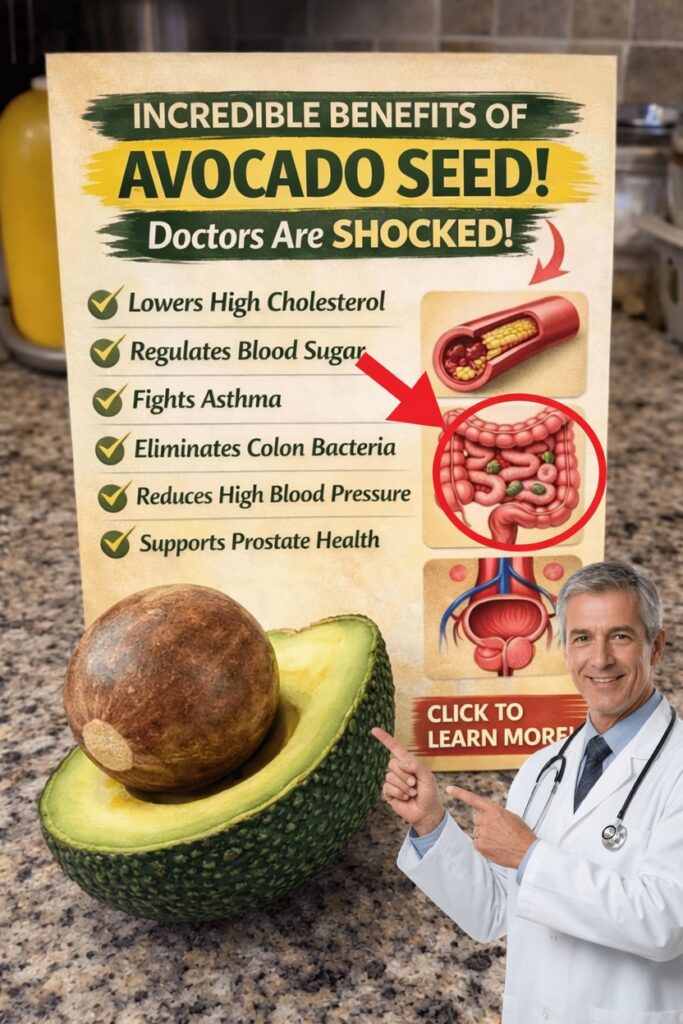
Don’t Toss the Avocado Pit So Quickly
You cut open a ripe avocado, enjoy the smooth green flesh, and—almost automatically—the seed ends up in the garbage. That’s a common habit. Later, you might notice digestive discomfort, low energy, or that “heavy” feeling after meals. What many people miss is that the part being thrown away has long been valued in traditional food cultures—and modern analysis is starting to explain why.
A detail that surprises many readers: the avocado pit may contain a higher concentration of certain antioxidant compounds than the pulp itself. By the end of this guide, you’ll understand why some nutrition professionals suggest rethinking how you view that seed.
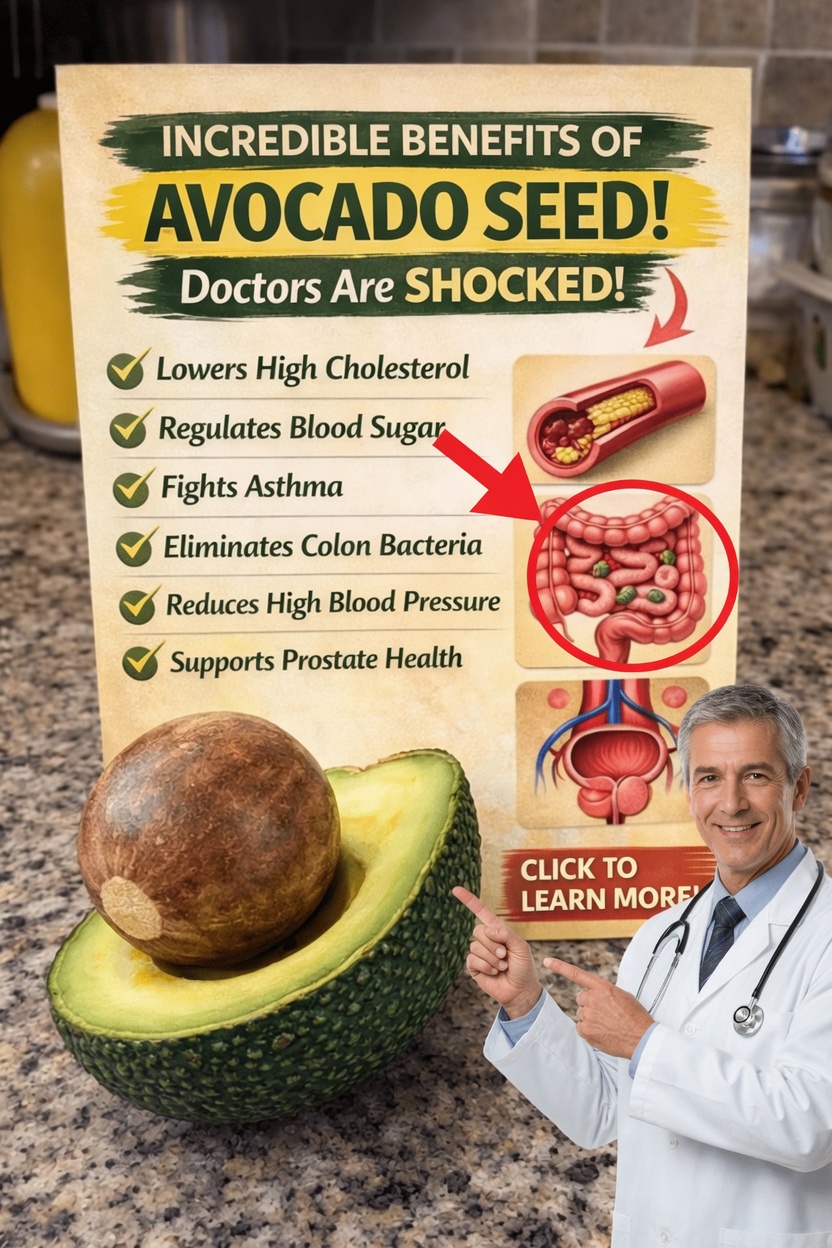
What Is an Avocado Pit—and Why Did Traditional Cultures Use It?
The avocado pit is the large central seed inside the fruit. Because it’s tough, bitter, and inconvenient to eat, most people assume it has no practical use.
However, in parts of Latin America—especially in communities across Mexico and Central America—the pit has historically been treated as a functional ingredient. Traditional preparations included drying, grating, or boiling the seed to create herbal-style drinks that were used as part of everyday wellness routines, often connected to digestion and general vitality.
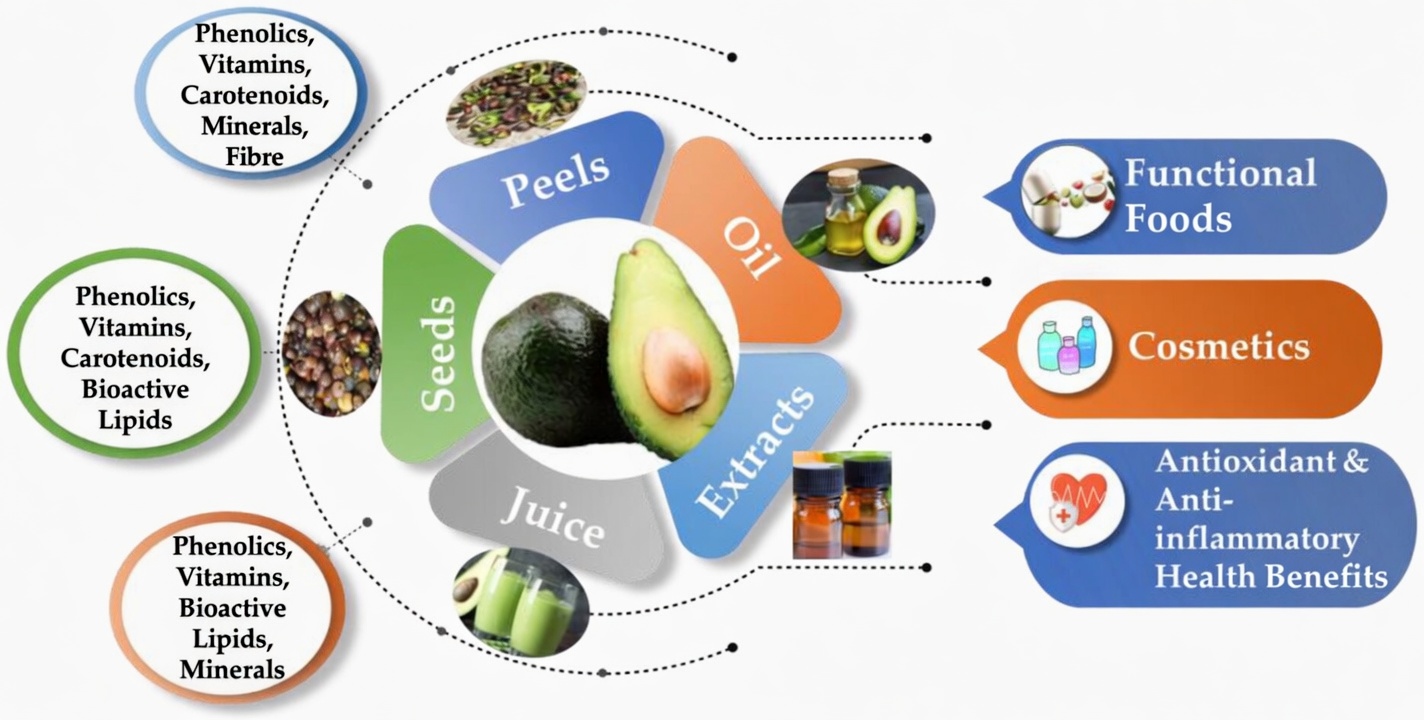
What makes this especially interesting is what researchers have found when studying the fruit more closely: the seed contains a dense supply of plant compounds, including antioxidants and fiber. Some findings suggest a meaningful share of the avocado’s total antioxidant activity may be concentrated in the pit rather than the edible flesh.
In other words, the part most people discard may be nutritionally concentrated—but it comes with an important catch: it must be prepared properly.
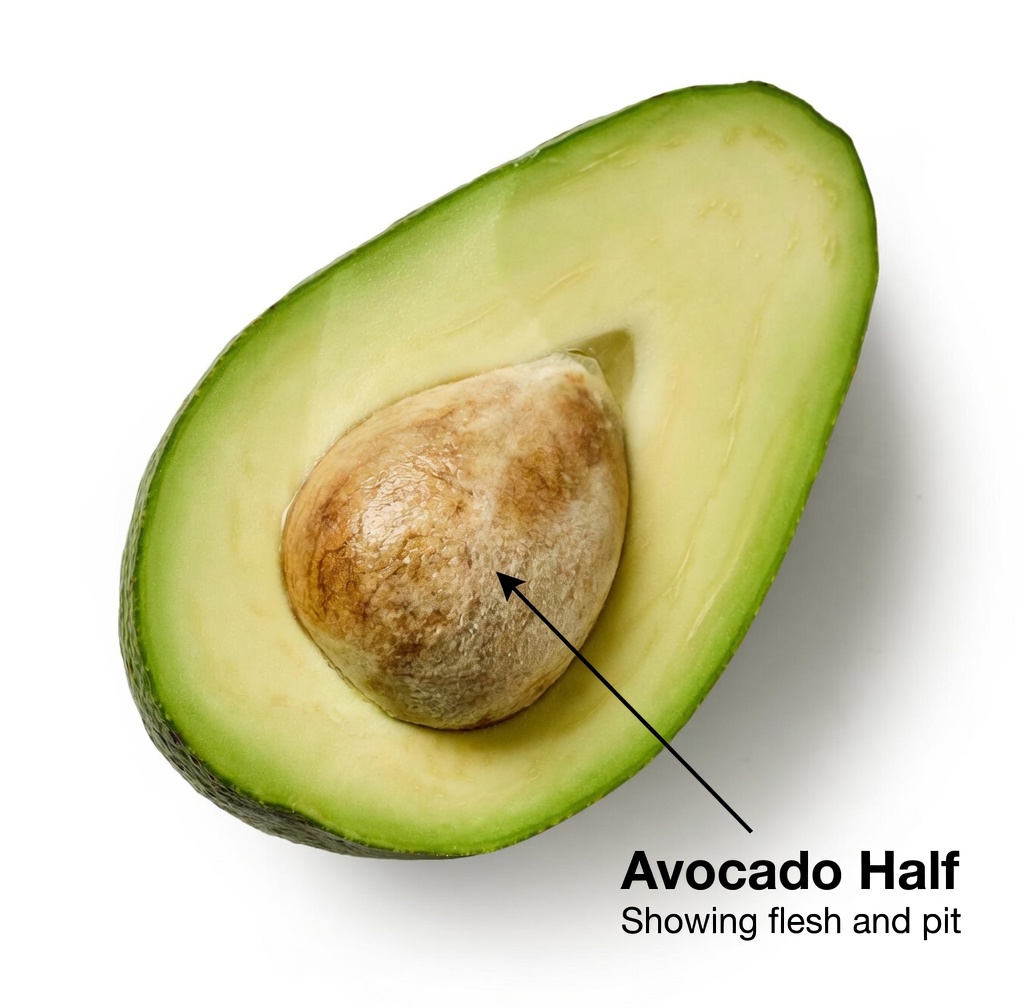
Key Natural Compounds Found in Avocado Seeds
When scientists evaluate plant-based foods, they often focus on phytochemicals—natural plant substances that may support normal bodily functions. Avocado pits contain multiple categories of these compounds.
The most commonly discussed include:
-
Polyphenols
Antioxidant compounds that help counter free radicals (unstable molecules linked to oxidative stress). -
Soluble fiber
Supports digestive balance and may help nourish beneficial gut bacteria. -
Plant sterols
Studied for their potential role in supporting heart-friendly dietary patterns. -
Flavonoids
Naturally occurring antioxidants also found in foods like fruits, vegetables, and tea. -
Amino acids
Building blocks used in many metabolic processes in the body.
Avocado seed research often highlights antioxidant density, with some laboratory analyses suggesting levels comparable to other well-known antioxidant-rich plant foods. Even so, responsible use matters—especially because the seed is not meant to be eaten raw.
Why Some People Use Avocado Pit for Digestive Support
Digestive complaints become more common with age—particularly in adults over 50. Bloating, slower digestion, and irregular bowel habits are frequent issues, and traditional approaches have often emphasized fiber-rich ingredients.
Because avocado pits are naturally high in fiber-related compounds, some traditional practices use small, prepared amounts to support digestive comfort. A classic example is herbal tea made by boiling pieces of a dried seed.
Historically, people used these preparations for mild, occasional concerns such as:
- Bloating after heavier meals
- Slower or “sluggish” digestion
- Feeling overly full after fatty foods
- Supporting general gut balance
Modern nutrition research consistently shows that dietary fiber may help:
- Support regular bowel habits
- Feed beneficial gut microbes
- Promote a steadier sense of fullness after eating
Important note: avocado pit should be considered only as a small, optional complement—not a substitute for balanced nutrition, professional medical care, or treatment for ongoing digestive problems.
Antioxidants, Oxidative Stress, and Healthy Aging
Another reason avocado seeds draw interest is their antioxidant profile. As part of normal metabolism—and increasingly with age—the body produces more free radicals. Over time, these can contribute to oxidative stress, a process associated with common aging-related changes.
Plant-based antioxidants help neutralize free radicals. Analyses of avocado pits have identified antioxidants such as polyphenols and flavonoids—compound families also present in berries, cocoa, and tea.
While research is still developing, diets that include antioxidant-rich foods may support:
- Cellular protection
- Normal immune function
- Balanced inflammatory processes
- Broader nutritional support for aging adults
The takeaway: the avocado seed is best viewed as a potential functional ingredient, not a miracle solution. Long-term healthy aging still depends on fundamentals like overall diet quality, sleep, movement, and stress management.
Traditional Ways to Prepare Avocado Pit (Preparation Matters)
If you’re interested in traditional avocado pit use, preparation is essential. The seed is extremely hard and bitter, so it must be processed first.
Here are three commonly referenced methods:
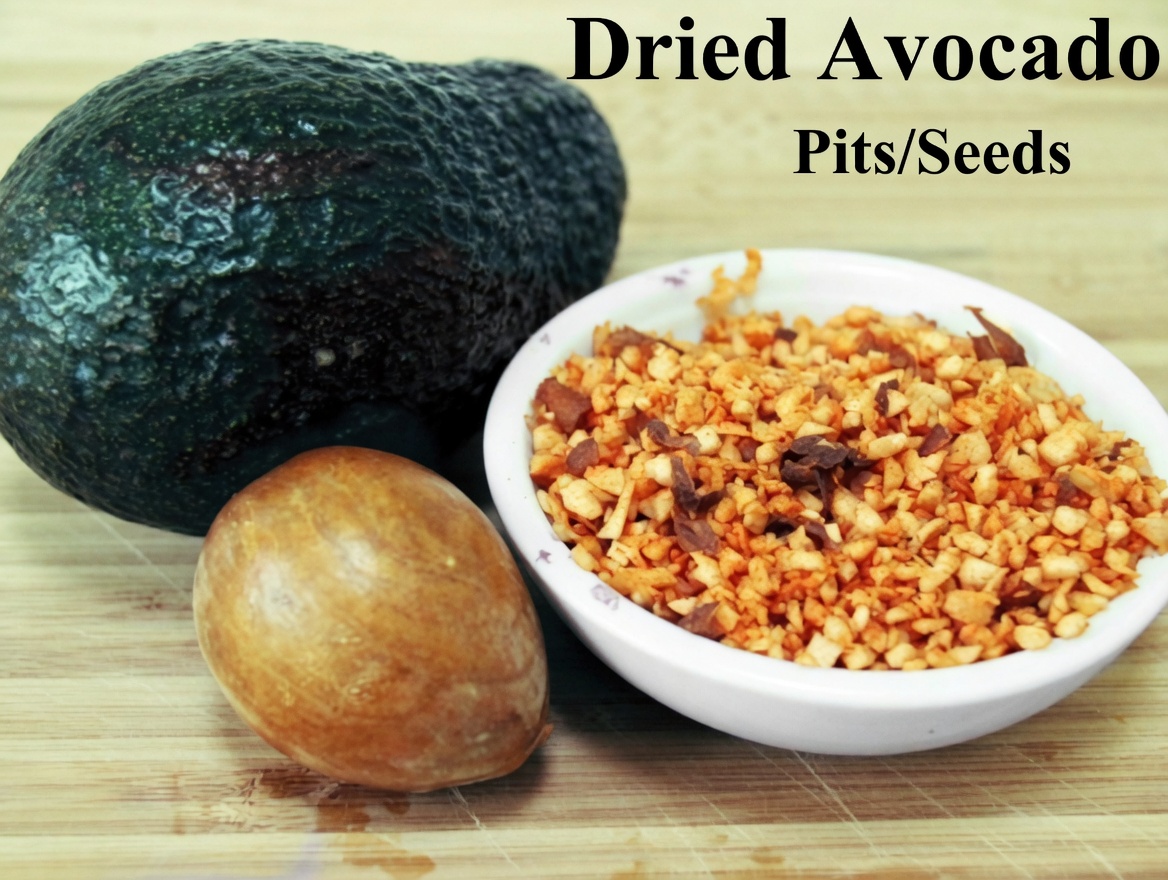
1) Drying the pit
- Rinse the pit thoroughly.
- Let it dry fully for several days.
- Once dry, it becomes easier to cut, grate, or process.
2) Avocado pit tea
- Chop the dried seed into small pieces.
- Add the pieces to boiling water.
- Simmer for 15–20 minutes.
- Strain before drinking.
The tea is often described as mildly earthy in flavor.
3) Making avocado pit powder
- Dry the seed completely.
- Grate or grind into a fine powder.
- Store in an airtight container.
- Use only tiny amounts in smoothies or herbal drinks.
Across traditional practices, one rule is consistent: use small quantities, not large servings.

Practical Wellness Habits for Adults Over 50
If you enjoy natural wellness routines, simple changes can often improve day-to-day comfort—especially around digestion and energy.
Consider these practical habits:
-
Prioritize whole foods
Build meals around fruits, vegetables, legumes, nuts, and healthy fats (including avocado). -
Increase fiber slowly
Fiber can support digestion, but raising intake too quickly can cause discomfort. -
Stay well-hydrated
Water helps fiber do its job effectively in the digestive system. -
Use traditional ingredients with intention
Herbal and traditional foods can complement healthy habits, but they should not replace medical advice. -
Listen to your body
If something causes discomfort, stop and speak with a qualified healthcare professional.
Many families eventually notice something simple: traditional food knowledge often includes useful ideas that modern routines have pushed aside.
Final Thoughts
Most people throw away the avocado pit without thinking. Yet traditional use and emerging research suggest the seed contains noteworthy plant compounds, especially fiber and antioxidants.
That doesn’t make it a cure-all or a replacement for medical care. But when prepared properly and used in moderation, avocado pit may be a small, optional addition to traditional wellness practices.
Next time you open an avocado, pause before tossing the seed. Sometimes the most overlooked part of a food is the one that changes how you think about nutrition.
Frequently Asked Questions
Can you eat avocado pit raw?
No. The avocado pit is extremely hard and bitter and should not be eaten raw. Traditional approaches involve drying, boiling (tea), or grinding the seed and using only small amounts.