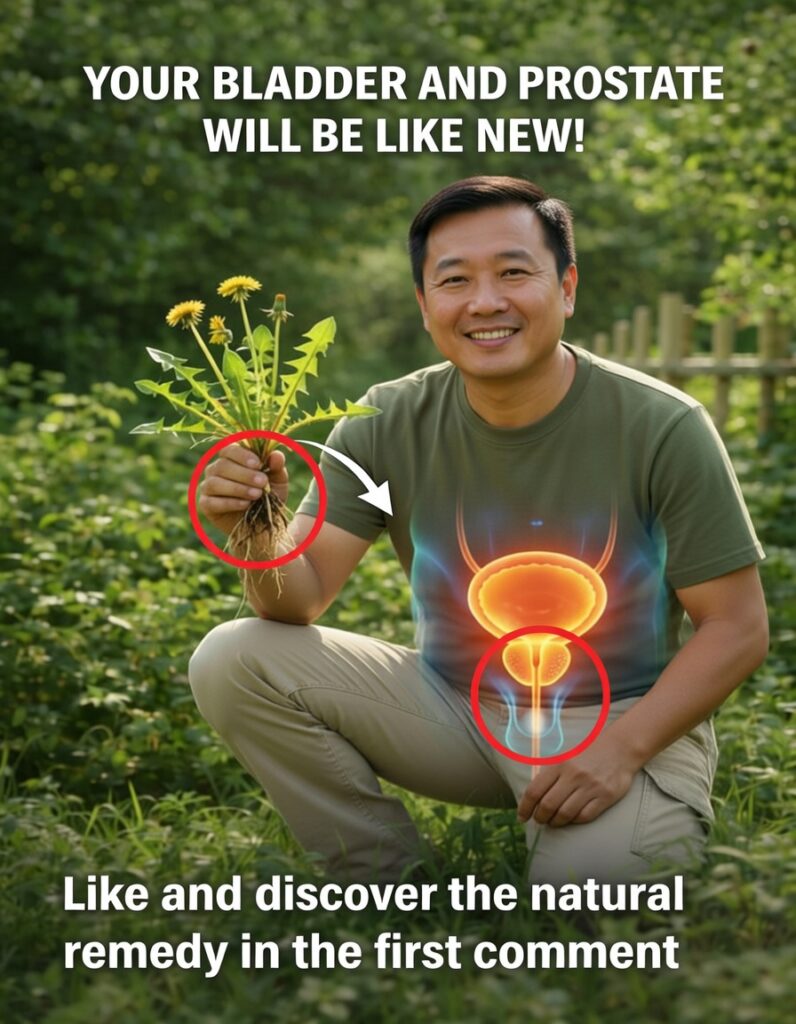
Dealing with prostate health changes as men get older often means one frustrating pattern: more trips to the bathroom at night. Broken sleep can leave you drained the next day, and the ongoing disruption may create stress about whether symptoms will worsen over time—impacting confidence, comfort, and enjoyment of daily life. Because of this, many men look for gentle, natural ways to support wellness, and dandelion has recently gained attention for its potential connection to prostate health. By the end of this article, you’ll understand what dandelion may (and may not) do, plus simple, conservative ways to discuss it with your doctor for added peace of mind.
Common Prostate Health Challenges Many Men Face
The prostate gland plays an important role in male reproductive function, but enlargement and other prostate-related changes can lead to urinary issues that disrupt routines—especially at night. Interest in dandelion and prostate health often centers on whether this traditional plant could help men manage the discomfort that comes with frequent urination and interrupted sleep.
Two common drivers linked with prostate discomfort are inflammation and oxidative stress, which may contribute to tissue irritation and ongoing symptoms. Learning what research says about dandelion and prostate health can help you make informed wellness choices—without unrealistic promises.
How Dandelion May Influence Hormone-Related Pathways Tied to Prostate Concerns
For many men, hormone-related prostate enlargement can feel discouraging: urinary flow changes, nighttime wake-ups, and constant fatigue can pile up quickly. In early animal research, dandelion root extract has shown potential to affect androgen-related signaling, which is closely connected to prostate tissue behavior.
While these findings are preliminary, they have sparked curiosity because they suggest a possible pathway through which dandelion might support prostate-related balance.
Key preclinical observations reported in enlargement models include:
- Lower prostate weight in certain animal studies
- Reduced androgen-related markers
- Increased activity linked to programmed cell death (apoptosis) in enlargement models
These results are not proof of benefit in humans, but they help explain why dandelion and prostate health remain an active topic of discussion.
What Lab Studies Suggest About Dandelion and Prostate Cell Activity
When men read about prostate cell changes—especially in the context of cancer research—it can raise understandable anxiety about long-term health and family life. In laboratory settings, dandelion root extract has been studied for how it interacts with prostate-related cells. Some cell and animal experiments (including combinations with other herbs) have suggested it may:
- Encourage apoptosis (programmed cell death) in certain cell models
- Potentially support the activity of some treatments in experimental conditions
These findings are still far from real-world medical use, but they help clarify why researchers continue exploring dandelion and prostate health.

Broader Health Benefits of Dandelion That May Indirectly Support Prostate Wellness
Prostate discomfort is often made worse by chronic inflammation, oxidative damage, and low energy—especially when sleep is repeatedly interrupted. Dandelion contains nutrients and plant compounds that support general wellness, including:
- Vitamins A, C, and K
- Antioxidants that help counter oxidative stress
- A natural nutrient profile that may support overall vitality
While this does not equal direct prostate symptom relief, improving general wellness can be meaningful for men who feel run down by ongoing nighttime urination and fatigue.
Additional points often discussed:
- Potassium content in dandelion leaves may support normal fluid balance, which can be relevant for men monitoring urinary patterns.
- Anti-inflammatory plant compounds may help reduce general bodily stress that can compound discomfort.
What the Evidence Shows (and What It Does Not) About Dandelion and Prostate Health
Some individual reports have raised questions about dandelion possibly influencing PSA readings, but strong conclusions are not possible without well-designed human trials. At this time, most research on dandelion and prostate health remains preclinical (lab and animal studies), meaning real-world symptom improvement has not been proven.
What current evidence supports:
- Animal research suggests potential hormone-pathway modulation
- Cell-based studies suggest possible apoptosis-related activity in certain models
What is still missing:
- Large, high-quality human clinical studies confirming benefits for urinary symptoms or prostate enlargement
- Clear guidance on ideal dosing, duration, and which men may (or may not) benefit
Keeping expectations realistic can reduce frustration and help you make safer decisions.
Practical, Low-Risk Ways to Use Dandelion While Considering Prostate Wellness
When men are worried about prostate symptoms, it’s tempting to add supplements quickly—but safety and interactions must come first, especially if you take prescription medications. If you want to explore dandelion gently, food-based options and traditional preparations are common starting points.
Actionable Tips You Can Try
- Add organic dandelion greens to meals: Rinse thoroughly and mix into salads for a nutrient boost that may complement a prostate-friendly lifestyle.
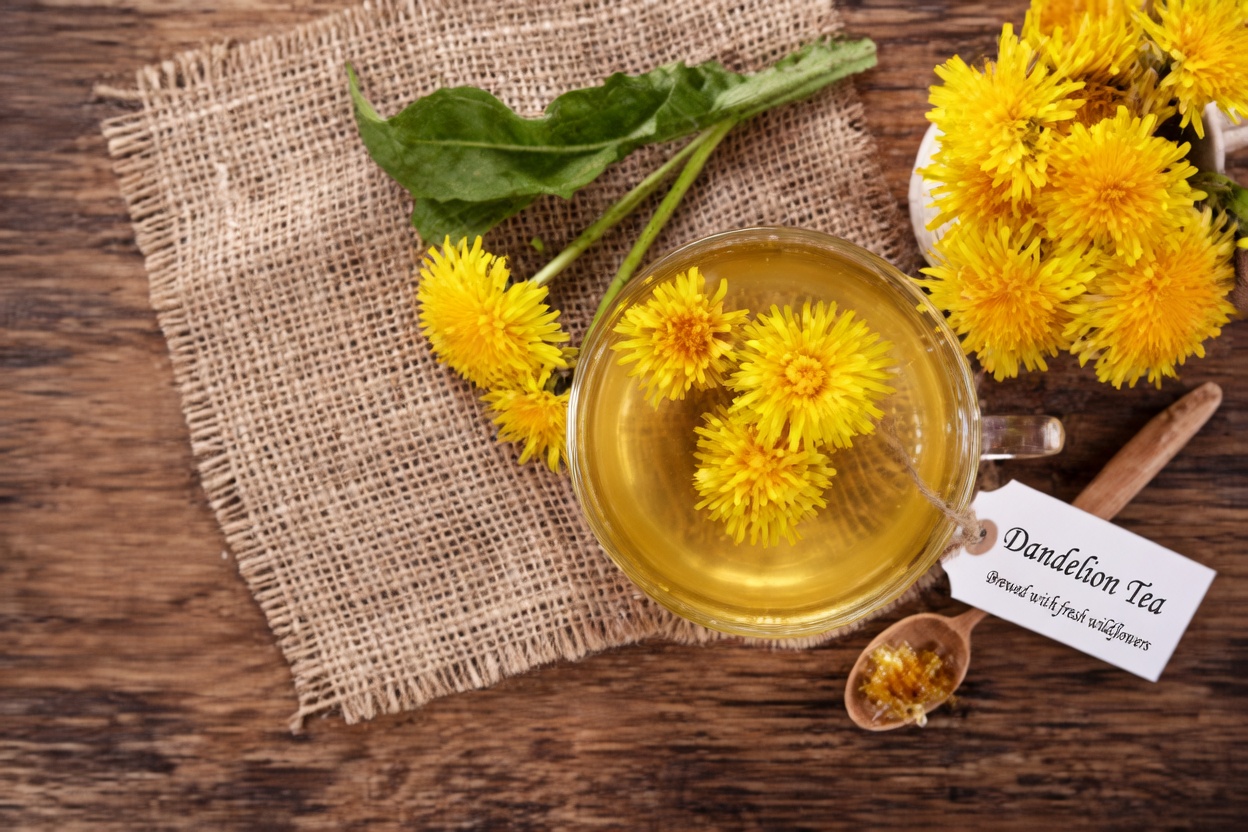
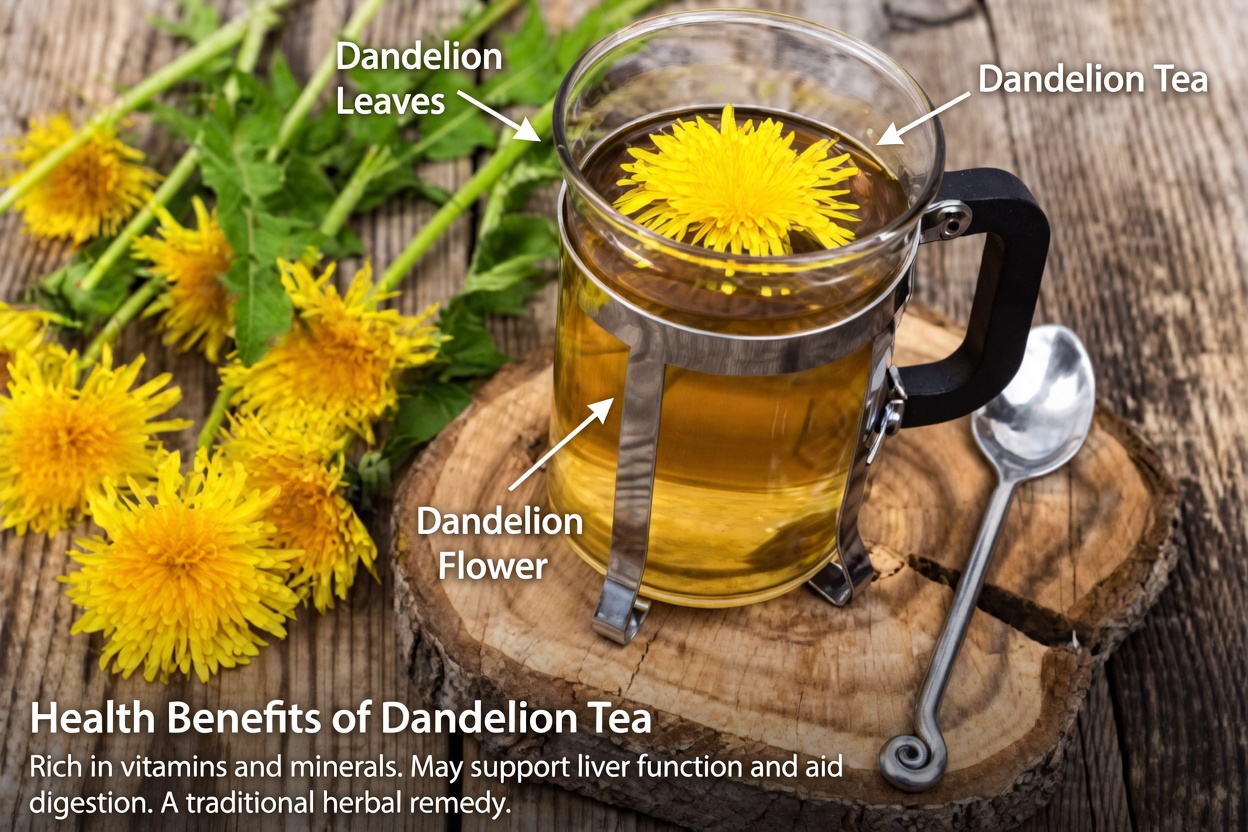
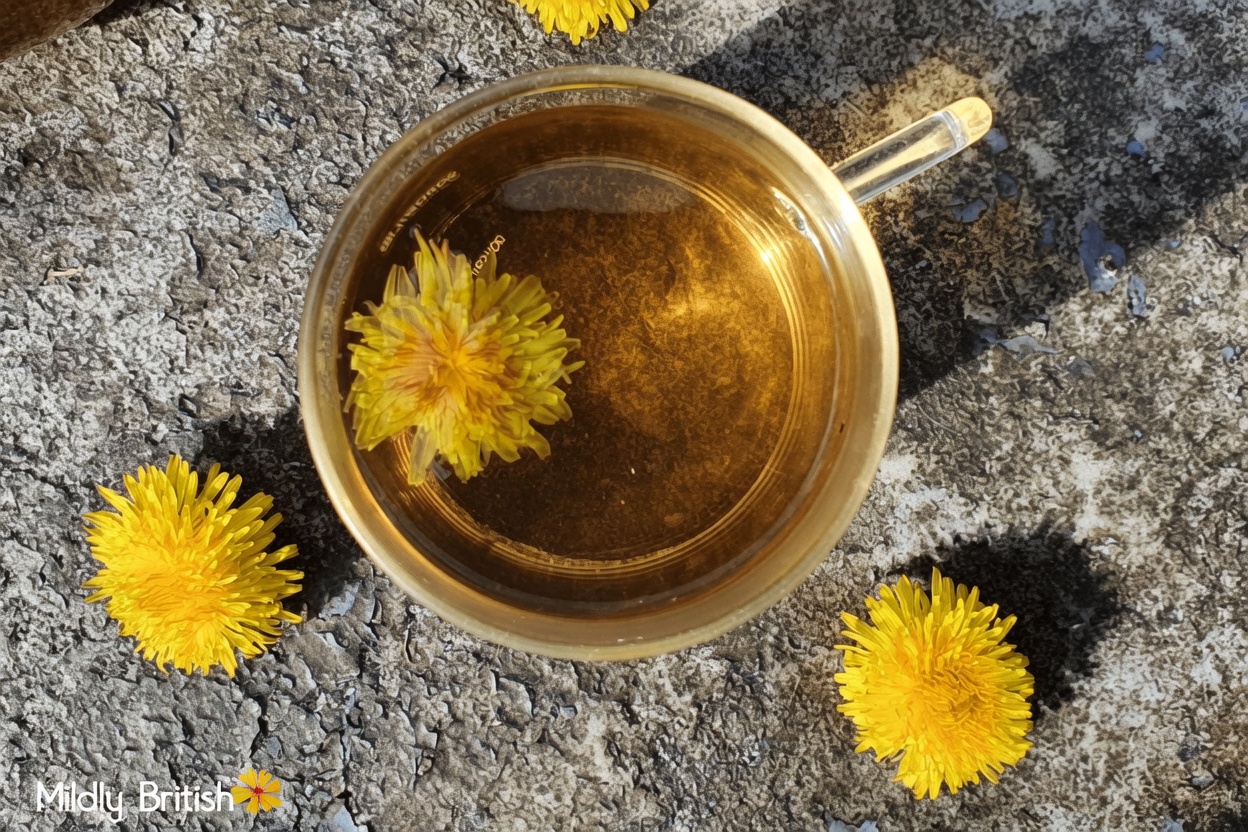
- Try dandelion root tea as a simple routine: Simmer about 1 teaspoon of dried dandelion root in hot water for around 10 minutes, strain, and drink warm—often used as a calming evening habit.
- Track changes conservatively: Monitor how you feel for about two weeks (sleep interruptions, urgency, overall comfort) while continuing regular medical follow-ups.
If symptoms worsen, or if you notice new issues, stop and speak with a clinician.
Key Takeaways on Dandelion and Prostate Health
Dandelion has a long history of traditional use and growing scientific interest for how it might relate to prostate health. Early animal and lab research suggests potential effects on hormone pathways and cell behavior, and its nutrient and antioxidant content may support general vitality—something many men need when prostate symptoms disrupt sleep.
However, dandelion and prostate health research still needs robust human studies before any firm conclusions can be made. The best path forward is balanced lifestyle support, routine screening as appropriate, and open conversations with your healthcare professional.
Frequently Asked Questions About Dandelion and Prostate Health
Is dandelion safe to use daily if I’m concerned about prostate health?
In typical food and tea amounts, dandelion is generally well tolerated for many healthy adults. However, if you have prostate concerns or take medications, speak with your doctor first to reduce the risk of interactions.
Does research prove dandelion improves urinary symptoms related to prostate problems?
Not yet. Most evidence on dandelion and prostate health comes from lab and animal studies, so there is no definitive human proof of urinary symptom improvement at this time.
How does dandelion compare with other herbs used for prostate health?
Dandelion is interesting for its antioxidant profile and early hormone-related findings, but like many herbs, it lacks strong clinical data. Meaningful comparisons require more human research.
Medical disclaimer: This article is for informational purposes only and is not intended to diagnose, treat, cure, or prevent any disease. Always consult a qualified healthcare professional before changing your diet or supplement routine, especially if you have prostate health conditions or take prescription medications.