
Feeling Drained, Bloated, or Worried About Long-Term Health?
Energy crashes, slow digestion, and creeping concerns about heart health often show up more after 30—especially when daily routines lean on processed snacks, low-fiber meals, and quick fixes like caffeine. If you’re looking for a simple, natural upgrade, dates—often nicknamed “nature’s candy”—offer a delicious way to support everyday wellness without artificial stimulants.
Packed with natural energy, gut-friendly fiber, and protective antioxidants, dates can fit easily into a balanced diet and help address common issues like fatigue, irregularity, and inflammation-related concerns.
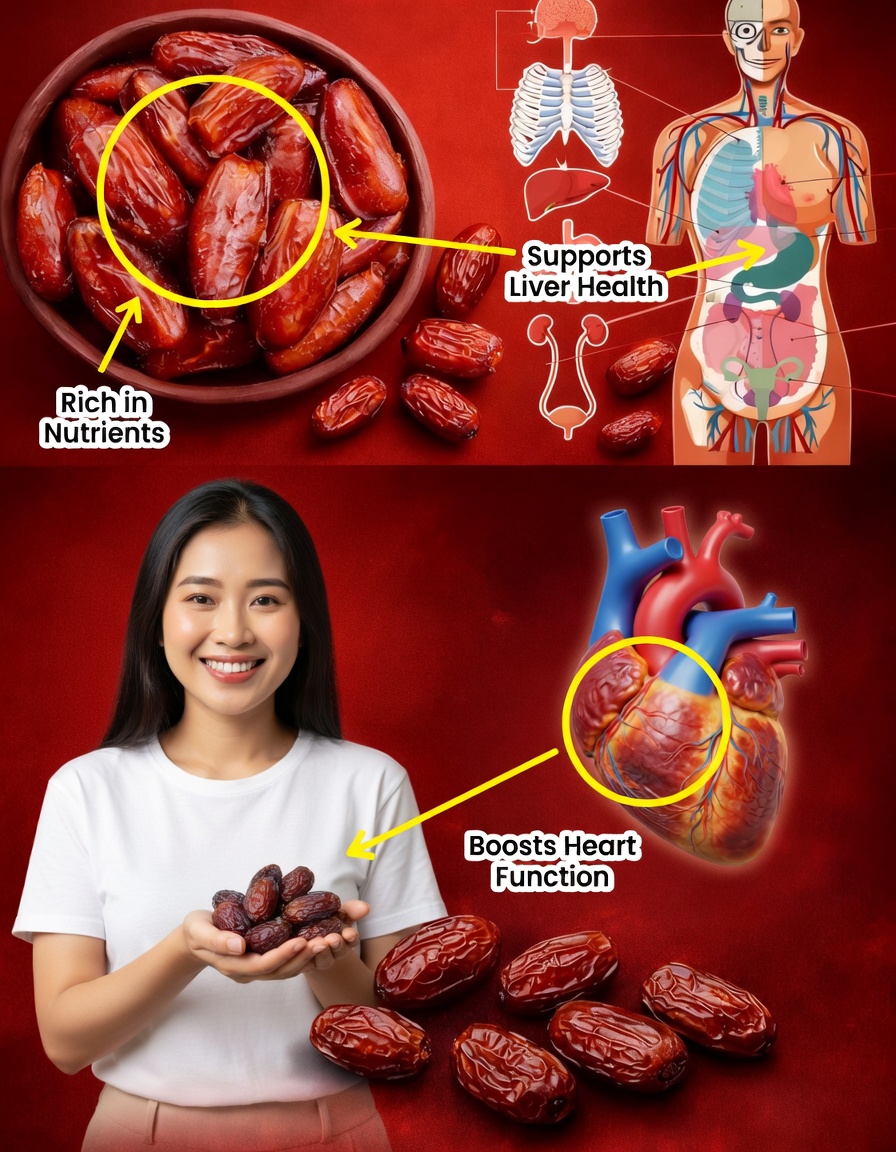
Why Dates Earn Their “Superfood” Reputation
Dates have been valued for centuries across the Middle East and North Africa—not just for their sweetness, but for their dense nutrition. Modern research highlights that dates provide:
- Fiber
- Potassium
- Magnesium
- Antioxidants such as flavonoids, carotenoids, and phenolic acids that help combat oxidative stress
Adding dates to meals can be especially helpful when you’re dealing with afternoon slumps or inconsistent digestion, offering steady fuel and gentle digestive support.
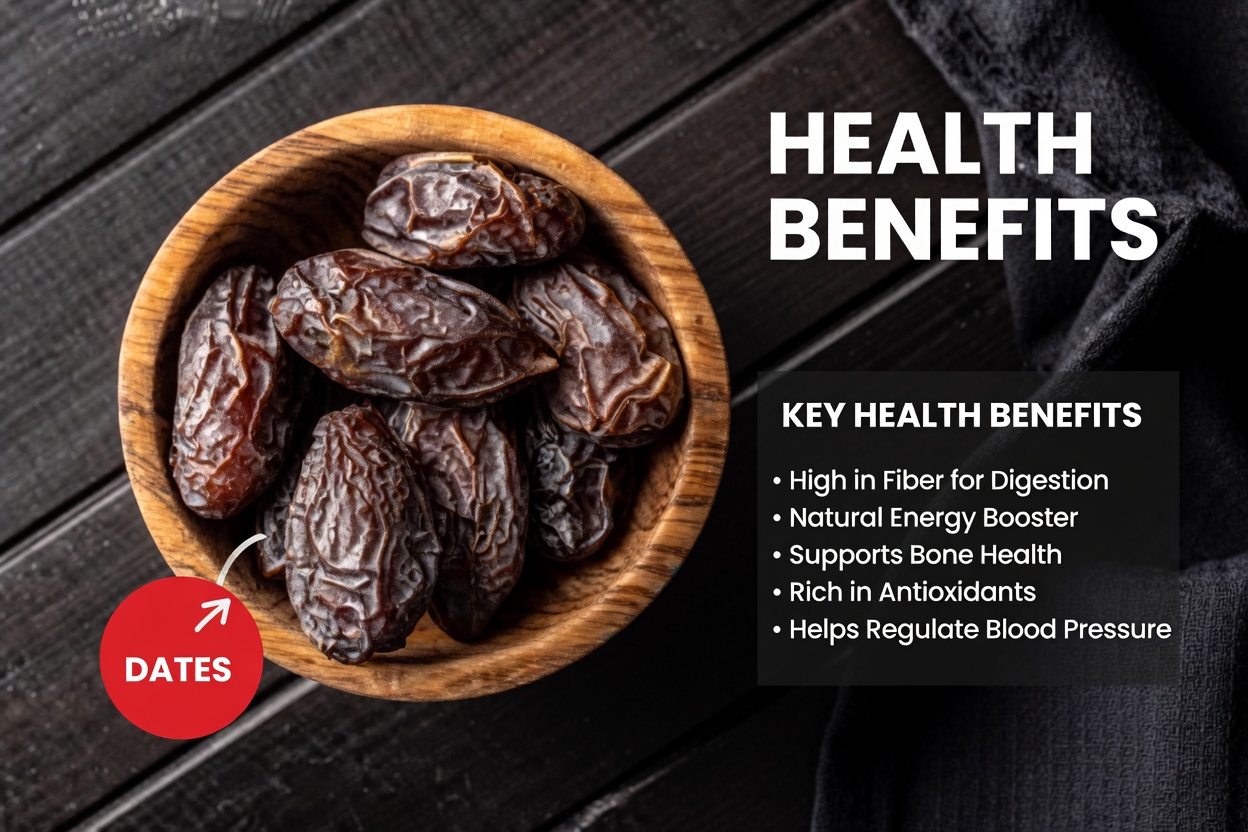
What’s in a Date? A Small Fruit with Big Nutrition
Dates may taste like a treat, but they deliver meaningful nutrients in a compact serving. In a typical 100g portion (around 4–5 Medjool dates), you’ll get roughly 277 calories, mainly from naturally occurring carbohydrates, plus key nutrients such as:
- About 7g of fiber to support digestion and fullness
- Potassium (around 15% DV) to support muscle function and blood pressure balance
- Magnesium and calcium for bone support
- Iron and B vitamins that contribute to energy metabolism
- Antioxidant compounds (including phenolics) that help defend against free-radical damage
Together, these nutrients make dates more than a sweet snack—they can support daily vitality when you’re feeling depleted.
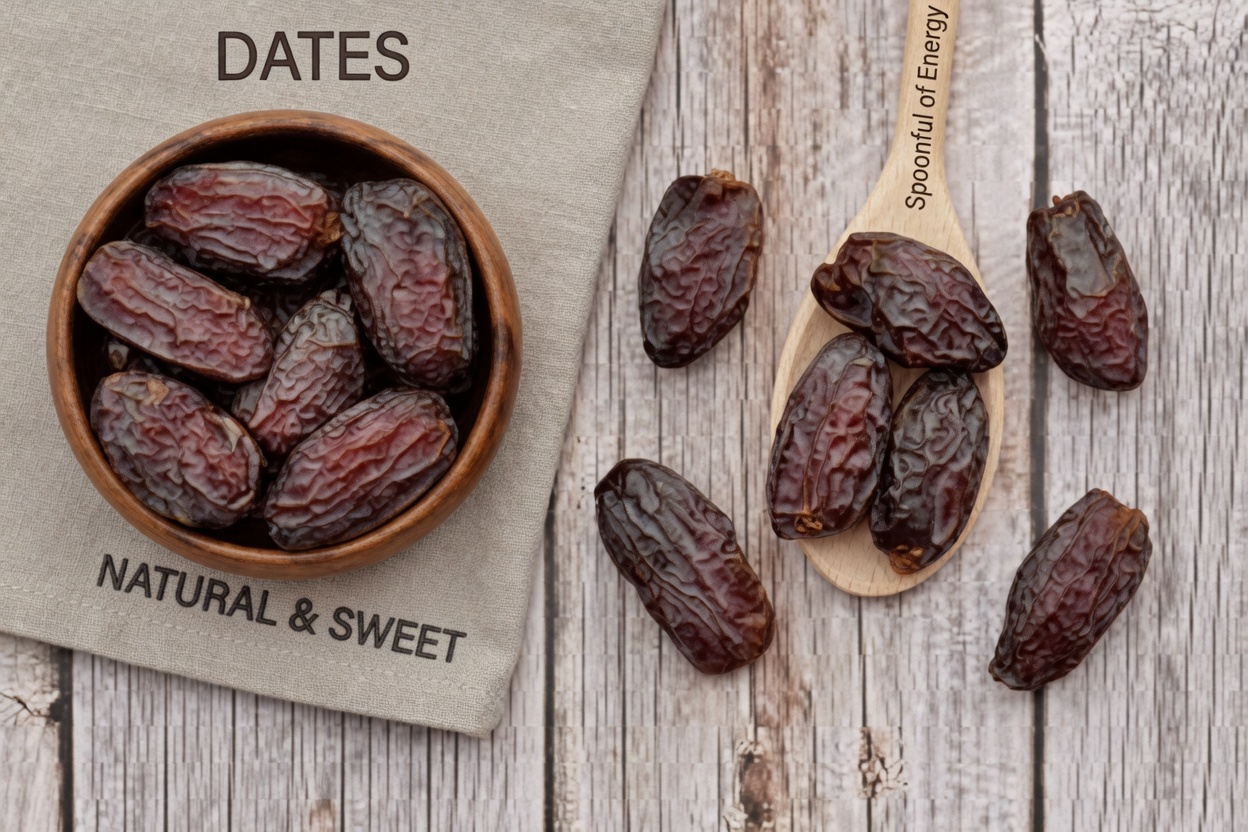
Natural Energy That Feels Steady (Not Jittery)
If you’re battling midday fatigue or depending on caffeine that leaves you shaky, dates can be a gentler alternative. Their natural glucose and fructose provide quick fuel, while their fiber helps slow absorption for a more stable release.
Studies suggest dates can support glycogen replenishment and help reduce energy dips—one reason they’re popular with active people looking for reliable pre- or post-workout fuel.

A Gut-Friendly Fiber Boost for Smoother Digestion
Constipation, bloating, and “sluggish digestion” are often tied to low fiber intake. Dates are naturally high in fiber, which can:
- Encourage regular bowel movements
- Support a healthier gut environment by feeding beneficial bacteria
- Reduce the discomfort of irregularity linked to low-fiber diets
Adding a few dates daily is an easy way to nudge digestion in a more comfortable direction.
Antioxidants That Support Brain Health and Mental Clarity
If stress, brain fog, or long-term cognitive health is on your mind, dates may offer extra support. Emerging research indicates that the antioxidants in dates could help:
- Reduce inflammation in the brain
- Protect cells from oxidative stress
- Support cognitive function as part of an overall healthy diet
While dates aren’t a stand-alone solution, they can be a simple, enjoyable addition when mental sharpness feels harder to maintain.

Mineral Support for Bones and Healthy Blood
Feeling unusually tired or dealing with subtle aches can sometimes relate to mineral intake—especially as you age. Dates provide a range of minerals that matter, including:
- Calcium, magnesium, and phosphorus to support bone health
- Iron to support healthy blood and reduce fatigue related to low intake
Research links adequate mineral intake with lower risk factors associated with bone thinning and low-energy symptoms.
A Heart-Friendlier Way to Satisfy Sweet Cravings
Want something sweet but concerned about cardiovascular health? Dates contain no cholesterol, and their combination of fiber, potassium, and magnesium may help support:
- Healthy blood pressure
- More balanced lipid markers as part of a heart-smart diet
Some studies associate regular date intake with improved cardiovascular-related markers, making them a more nourishing choice than many processed desserts.
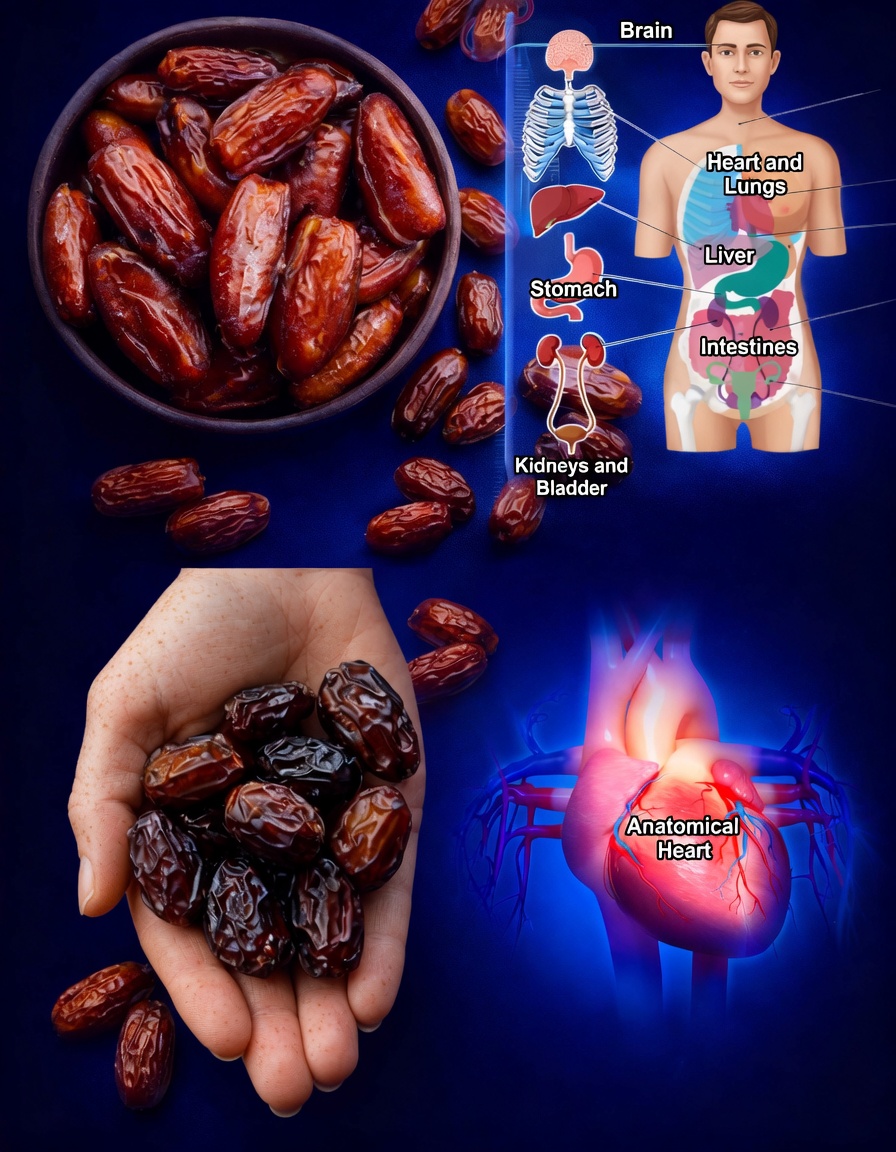
Dates and Weight Goals: A Smarter Way to Handle Cravings
Sweet cravings can easily derail progress, but dates can help you feel satisfied sooner. Their fiber supports fullness, which may help with portion control and snacking habits.
In moderation, dates can fit well into balanced eating plans—many people do well with 3–5 dates per day, depending on calorie needs.
Common concerns—and how dates may help
- Low energy → Natural sugars + fiber for a steadier lift (compared to caffeine crashes)
- Digestive slowdown → Fiber supports regularity
- Sweet cravings → Sweet taste plus greater satiety than many processed snacks
- Inflammation concerns → Antioxidants help combat oxidative stress
Easy, Everyday Ways to Eat More Dates
Dates are flexible and easy to use across meals and snacks. Try these ideas:
- Eat 3–5 plain dates as a fast snack
- Blend into smoothies for natural sweetness
- Chop into oatmeal or yogurt for texture and flavor
- Stuff with nut butter or almonds for a more filling bite
- Use as a natural sweetener in baking or homemade energy balls
Both fresh and dried dates work well—just remember dried dates are more concentrated. Remove pits before eating or blending.
Tip: Soak dried dates briefly in warm water to soften them and improve blending.
Start Small, Track How You Feel
Dates are affordable, satisfying, and easy to add to your routine. Start with a small daily portion—such as adding a few to breakfast or using them as an afternoon snack—and notice how your energy and digestion feel after a week.
FAQ About Dates
-
How many dates should I eat per day?
Many people do well with 3–5 dates daily to get benefits without overshooting calories. Adjust based on your activity level and nutrition needs. -
Are dates good for blood sugar management?
Dates have a low-to-moderate glycemic index, and their fiber may support steadier blood sugar compared to refined sweets. If you have diabetes, monitor your response and follow medical guidance. -
Can dates replace other fruits?
Dates are best as part of a varied diet. Pair them with other fruits, vegetables, proteins, and healthy fats for balance.
Medical note: This article is for informational purposes only and does not replace professional medical advice. For personalized guidance—especially if you have specific health conditions—consult a qualified healthcare provider.