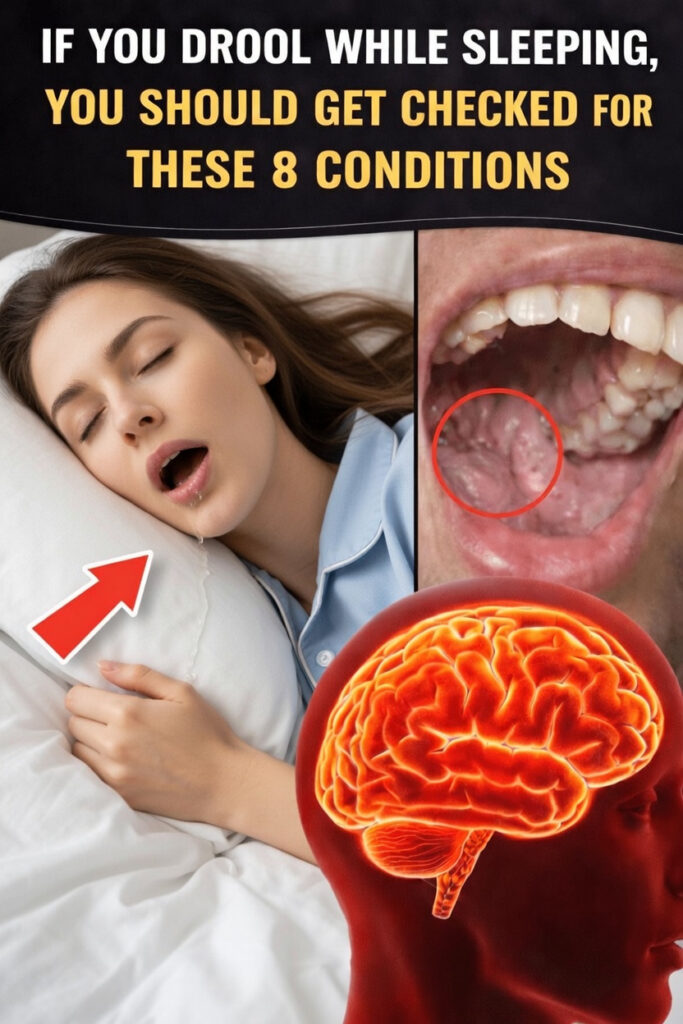
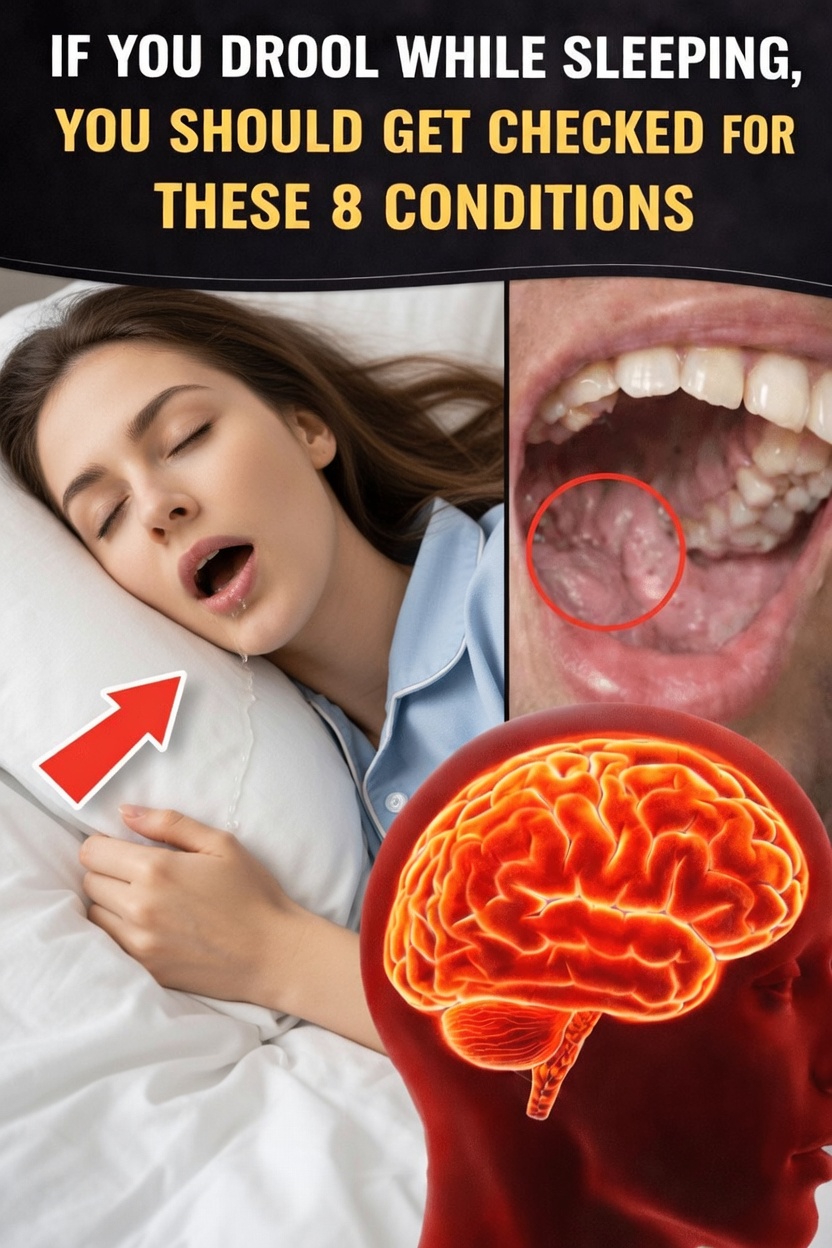
Waking up with a damp pillow because of drooling can be uncomfortable, annoying, and even a little embarrassing—especially when it keeps happening. Beyond the mess, it may leave your skin feeling sticky or mildly irritated and can take away from the restful sleep you were hoping for. Many adults assume it is just one of those random nighttime quirks, but in many cases, there are clear everyday reasons behind it. And by the end, there is one simple insight that often changes how people think about this habit entirely.
Nighttime Drooling in Adults: More Common Than You Think
Drooling during sleep, medically called nocturnal sialorrhea, is more common in adults than many people realize. Even while you sleep, your salivary glands keep producing saliva to protect oral health and assist digestion. At the same time, your swallowing reflex naturally slows as the body relaxes.
When that reduced swallowing combines with certain sleeping positions or mouth-breathing patterns, saliva can collect and leak onto the pillow. Health sources such as the Cleveland Clinic note that this is especially common when a person sleeps with their mouth open.
Still, that is only part of the picture. To understand why it happens, it helps to look at the patterns that make nighttime drooling more likely.
Why Drooling Often Happens More During Sleep
While sleeping, your body shifts into a deeply relaxed state. That relaxation affects muscle tone, swallowing frequency, and even the way gravity influences saliva movement. As a result, saliva is more likely to escape at night than during the day.
Sleeping on your side or stomach can make this even more noticeable, because those positions allow saliva to move toward the edge of the mouth instead of being swallowed.
Research also suggests that anything that encourages mouth breathing, especially nasal blockage, can increase the chances of drooling. For some people, it happens only once in a while. But if it becomes regular, it may help to pay attention to possible triggers.
8 Common Causes of Nighttime Drooling in Adults
Reliable health resources such as Sleep Foundation and Cleveland Clinic frequently mention the following factors. In many cases, occasional drooling is still completely normal.
8. Nasal Congestion or Allergies
A blocked nose caused by allergies, a cold, or sinus trouble often forces people to breathe through their mouth while asleep. An open mouth creates an easy path for saliva to escape.
Many adults notice more drooling during allergy season or while recovering from a lingering cold. Although this is often temporary, persistent congestion is worth noting.
7. Acid Reflux (GERD)
Gastroesophageal reflux disease (GERD) can lead the body to make more saliva as a defense against stomach acid moving upward. Because reflux often feels worse when lying flat, this can become more noticeable overnight.
Studies connect GERD with increased nighttime saliva production, especially in people who also experience heartburn or throat irritation.
6. Side Effects of Certain Medications
Some medications may increase saliva production or affect muscle control around the mouth. This can happen with certain antipsychotic drugs and some medicines used for neurological conditions.
If drooling became more noticeable after starting or changing a prescription, it may be worth discussing with a healthcare provider. In some cases, medication adjustments can help.

5. Sleep Apnea
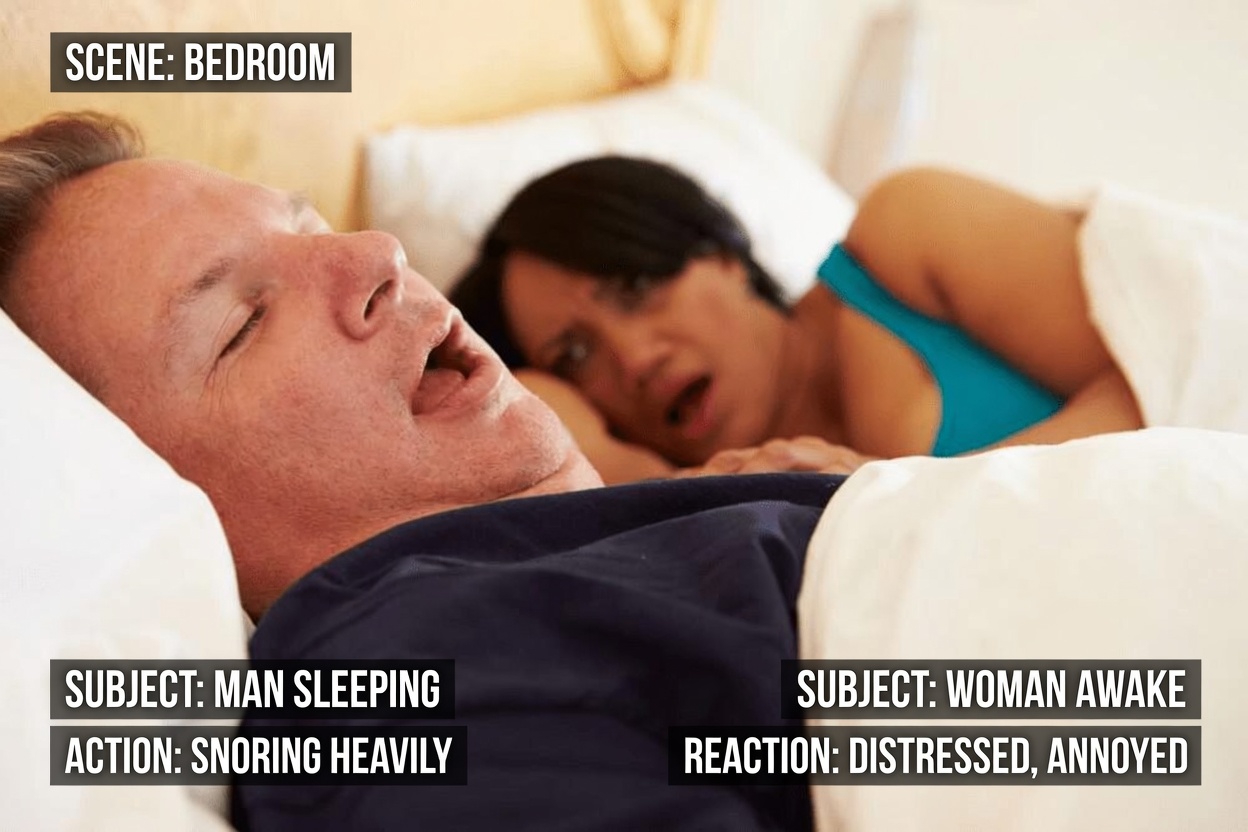
Sleep apnea is a common sleep disorder marked by repeated pauses in breathing. It can encourage mouth breathing and alter throat muscle function during the night.
Drooling often appears alongside other signs such as:
- Loud snoring
- Poor sleep quality
- Daytime fatigue
- Waking up feeling unrefreshed
Many people do not realize there is a connection until they have a professional sleep evaluation.
4. Throat Infections or Irritation
Conditions such as swollen tonsils, post-nasal drip, or mild throat infections can make swallowing feel less natural or less comfortable. This may cause saliva and mucus to build up during the night.
It is usually temporary during a cold, infection, or allergy flare-up, but symptoms can seem ongoing if the irritation does not fully settle.
3. Stroke or Sudden Muscle Weakness
A recent stroke or another event that affects muscle strength—especially on one side of the face—can interfere with mouth closure and swallowing. If drooling begins suddenly after such a change, it should not be ignored.
Prompt medical attention is especially important if it appears with:
- Facial weakness
- Slurred speech
- Difficulty swallowing
- Sudden changes in coordination
2. Parkinson’s Disease
In Parkinson’s disease, reduced coordination of the muscles involved in swallowing can allow saliva to collect rather than being cleared normally. Research shows this affects many people with Parkinson’s and may become one of the more noticeable symptoms.
It may also appear together with:
- Tremors
- Stiffness
- Slowed movement
- Changes in facial expression
1. Other Neurological Conditions
Neurological disorders such as multiple sclerosis (MS) or ALS can affect the nerves and muscles responsible for saliva control. Over time, these conditions may make it harder to manage saliva effectively.
Clinical observations show that drooling in these cases often reflects changes in muscle coordination rather than simply producing too much saliva.
Quick Comparison of Potential Causes
| Potential Factor | Why It May Cause Drooling | Commonly Seen With |
|---|---|---|
| Nasal congestion and sleep apnea | Encourages mouth breathing and relaxed airways | Snoring, daytime tiredness |
| GERD and throat irritation | Can increase saliva or make swallowing uncomfortable | Heartburn, sore throat |
| Medications and stroke-related weakness | May affect salivary activity or mouth muscle control | Speech changes, weakness |
| Parkinson’s and other neurological conditions | Impair nerve and muscle coordination | Tremors, stiffness |
Real-Life Patterns People Often Notice
Sometimes the connection becomes clear only after someone pays attention to the bigger picture. For example, a person in their 50s may notice worsening drooling along with heavy snoring. A sleep assessment could reveal interrupted breathing, and once that issue is addressed, both sleep quality and energy may improve.
Another adult in their 60s might realize the wet pillow tends to appear on nights when reflux symptoms are worse. By making changes that reduce acid reflux, they may begin sleeping more comfortably.
These experiences are a useful reminder: a symptom that seems small can sometimes be linked to broader sleep or health patterns.
Practical Ways to Reduce Nighttime Drooling at Home
If drooling only happens from time to time, it is usually not a major concern. When it becomes frequent, a few simple changes may help.
Try these practical steps:
- Sleep on your back whenever possible, since gravity can help keep saliva from pooling near the mouth.
- Use nasal strips or a humidifier if congestion is making nose breathing difficult.
- Raise your head slightly with an extra pillow if reflux seems to be involved.
- Stay well hydrated during the day, but avoid heavy meals or large late-night snacks close to bedtime.
- Keep up with oral hygiene, since irritation in the mouth or throat may contribute in some cases.
Research suggests that improving breathing habits and changing sleep position can help many adults reduce nighttime drooling. It may also help to track your symptoms for one to two weeks to identify patterns.
When to Speak With a Healthcare Provider
It may be time to seek medical advice if drooling:
- Happens along with loud snoring
- Comes with ongoing daytime sleepiness
- Starts suddenly with weakness or speech changes
- Continues despite basic home strategies
- Appears together with other concerning symptoms
A healthcare professional can help identify whether the cause is related to sleep, medication, reflux, or a neurological issue.
One simple but often overlooked point: maintaining a consistent sleep routine may support better muscle coordination and more stable breathing during the night.
Frequently Asked Questions
Is occasional drooling during sleep normal for adults?
Yes. It is very common and is often related to sleeping position, deep relaxation, or temporary mouth breathing. For most adults, occasional drooling is not a problem.
Can drooling be a sign of sleep apnea?
It can be. While drooling alone does not confirm sleep apnea, it may be one clue—especially if it happens with snoring, restless sleep, or daytime exhaustion. A sleep evaluation can help clarify the cause.
What is the simplest change that helps many people?
For many adults, sleeping on the back makes the biggest difference. This position works better with gravity and may help keep the mouth more naturally closed during sleep.
The Key Takeaway
A wet pillow in the morning may seem like a small nuisance, but it often reflects patterns involving sleep position, breathing, congestion, reflux, medication effects, or muscle control. The surprising perspective is that nighttime drooling is not always random—it is often your body giving clues about how you sleep.
Once you start noticing those patterns, it becomes much easier to make changes that lead to drier pillows and more comfortable nights.