
Seeing your creatinine levels rise on lab results can be discouraging—especially when it triggers worries about kidney function, long-term health, and the possibility of future treatments. On top of that, kidney-friendly eating often means cutting back on foods you love, which can make everyday meals feel restrictive and stressful. The good news is that adding the right nutrient-dense, kidney-supportive foods may help reduce dietary pressure while supporting overall kidney wellness. And there’s also a lesser-known traditional herb used in some cultures that many people turn to for extra support—keep reading to discover it.

Understanding Creatinine and Why Diet Matters
Creatinine is a waste product created when muscles use energy. Healthy kidneys filter it out through urine, so blood creatinine levels are commonly used as a general marker of kidney filtration. When creatinine is elevated, it can suggest that the kidneys are under added strain—something that understandably increases anxiety about chronic kidney disease (CKD) progression and complications.
Diet matters because many people with kidney concerns need to balance nutrients carefully—especially potassium, phosphorus, sodium, and protein—while still getting enough vitamins and protective plant compounds. Research and clinical guidance often emphasize patterns that are lower in certain minerals while being rich in antioxidants and anti-inflammatory foods, which may help reduce oxidative stress and support kidney health.

The 12 Superfoods for Kidney Support
The foods below are frequently included in kidney-friendly diet plans because they can help you build satisfying meals without relying on high-potassium or highly processed choices. Sources such as Healthline and DaVita often highlight these options for CKD-friendly eating—without claiming they are cures. Think of them as supportive tools that can make your diet more enjoyable and sustainable.
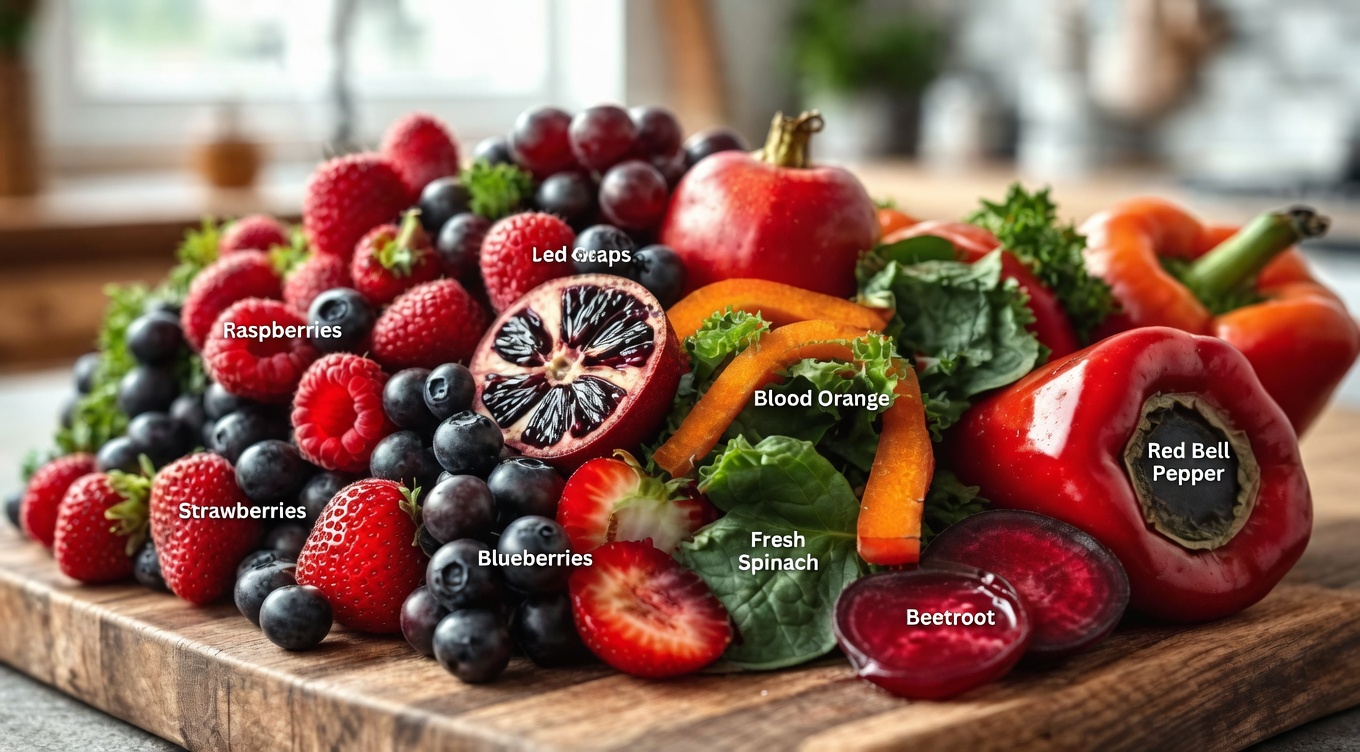
12. Red Bell Peppers: Low Potassium, High in Antioxidants
If you’re watching potassium, red bell peppers are a helpful staple. They’re generally considered lower in potassium than many other vegetables, making them easier to fit into a kidney-conscious meal plan. They also provide vitamin C and antioxidant compounds such as lycopene, which may help counter oxidative stress.
- Eat them sliced in salads
- Roast them as a colorful side dish
- Add to wraps or bowls for flavor without heavy sodium
11. Blueberries: Small Fruit, Big Inflammation Support
Many people worry that chronic inflammation can worsen kidney strain. Blueberries are rich in anthocyanins, plant pigments studied for antioxidant and anti-inflammatory effects. They’re also relatively friendly for those managing both kidney health and blood sugar concerns.
- Enjoy fresh or frozen
- Add to oatmeal alternatives or smoothies (within your dietary plan)
- Use as a naturally sweet snack
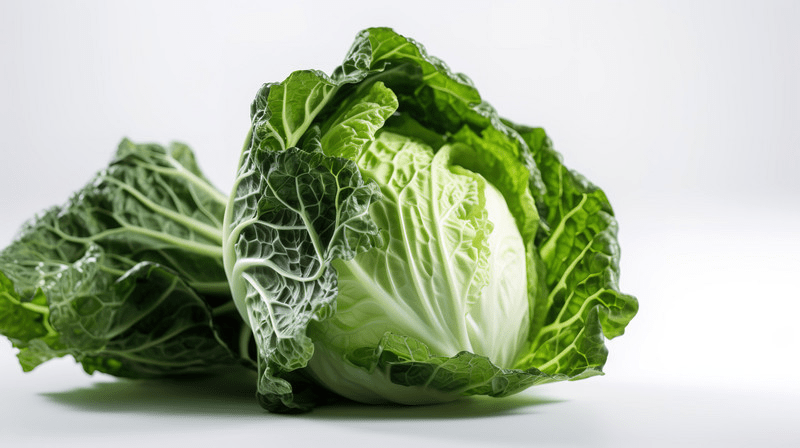
10. Cabbage: Affordable, Versatile, and Kidney-Friendly
Cabbage is widely used in kidney diets because it’s budget-friendly, adaptable, and generally easier to manage than many higher-potassium vegetables. It contains plant compounds (including indoles) that are often discussed in nutrition research related to detox pathways and cellular protection.
- Steam it for a simple side
- Ferment it (if sodium is controlled and approved by your clinician)
- Toss it into salads for crunch
9. Cauliflower: A Comfort-Food Swap for Potatoes
Giving up potatoes can feel like losing a major comfort food. Cauliflower is a popular alternative because it can mimic mashed or rice-style textures while helping people limit potassium intake compared with many starchy sides.
- Mash with herbs and a small amount of olive oil
- Roast florets for a satisfying texture
- Use “cauliflower rice” as a base for bowls
8. Apples: Fiber Support for Waste Management
Apples are often recommended because they provide fiber, including pectin, which may help support gut waste binding and regularity—an important part of feeling better overall when dealing with dietary limitations. They’re also a practical fruit choice when options feel limited.
- Eat one medium apple with the skin for extra fiber
- Slice into snacks or pair with a kidney-approved spread
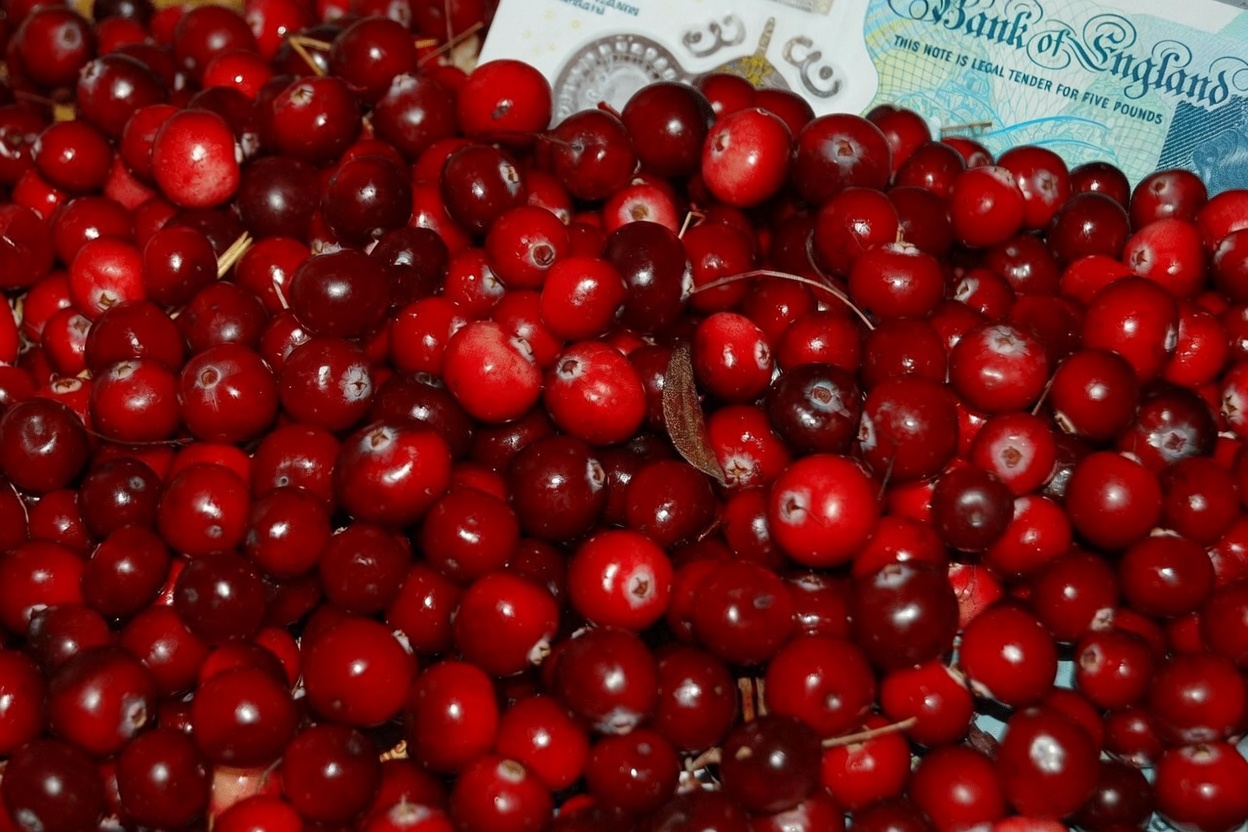
7. Cranberries: Extra Help Against Urinary Tract Issues
Urinary tract infections can complicate kidney health, adding another layer of stress. Cranberries are commonly used as a supportive food for urinary tract health. To keep it kidney- and blood-sugar-conscious, choose unsweetened forms when possible.
- Use unsweetened cranberry juice diluted with water (if approved)
- Add cranberries to sauces with minimal added sugar
6. Egg Whites: Protein Without Heavy Phosphorus
Protein needs can feel confusing in kidney nutrition—too much may increase workload, too little can contribute to weakness. Egg whites are often used because they provide high-quality protein with lower phosphorus than many other protein sources.
- Use 2 egg whites in a scramble
- Add to omelets with onions and peppers for flavor
5. Onions: Flavor Booster That Fits Many Kidney Diets
When sodium must be limited, flavor becomes a challenge. Onions add strong taste without relying on salt-heavy seasonings. They contain quercetin, an antioxidant studied for potential cardiovascular and anti-inflammatory support—important because blood pressure and kidney health are closely connected.
- Add to salads, soups, and stir-fries
- Aim for consistent use in daily cooking
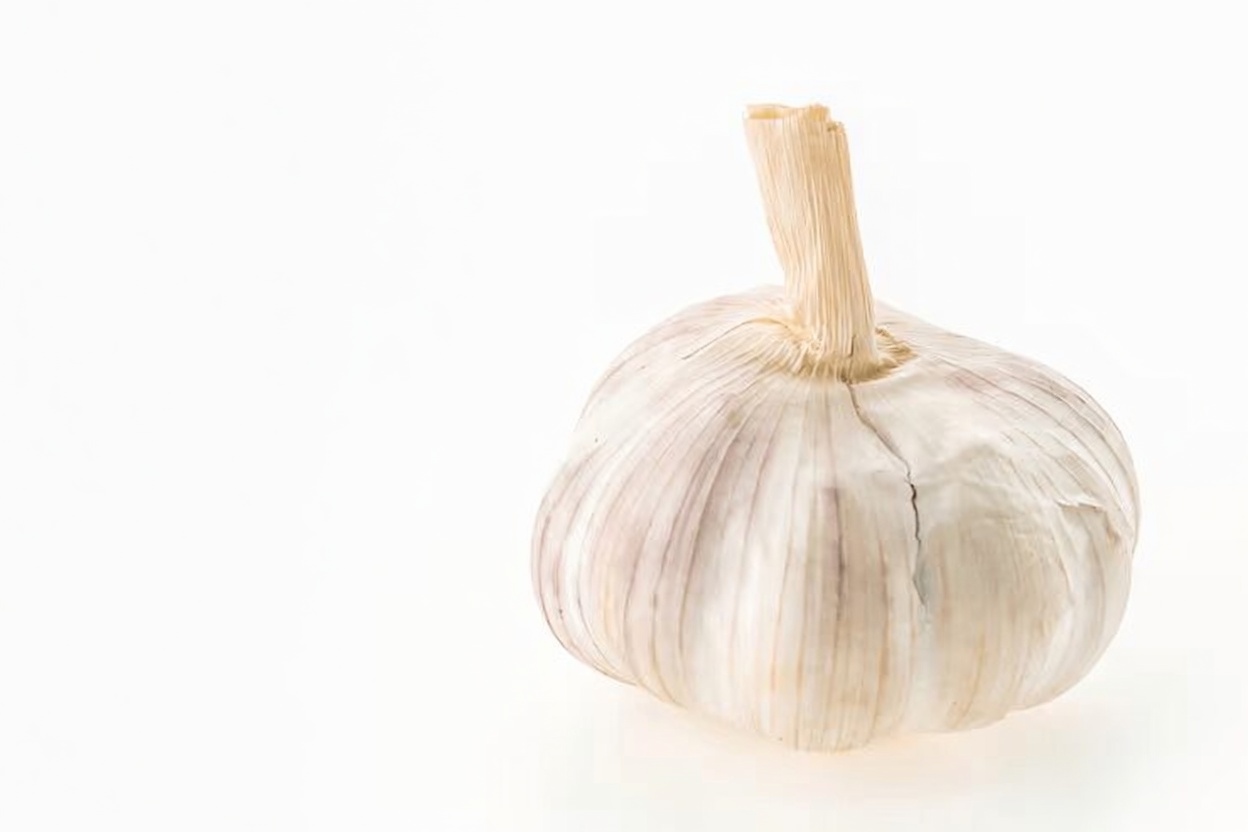
4. Garlic: Traditional Support for Circulation and Inflammation
Garlic is widely valued for its sulfur-containing compounds (including allicin), which are commonly studied for cardiovascular and anti-inflammatory effects. Supporting circulation and reducing inflammatory load may indirectly benefit kidney wellness for some people.
- Use fresh garlic when possible
- Crush and let it rest briefly before cooking
- Add near the end of cooking to keep flavor strong
3. Extra-Virgin Olive Oil: Anti-Inflammatory Fat Choice
Swapping processed fats for extra-virgin olive oil can be a practical step in kidney-supportive eating. It’s a cornerstone of Mediterranean-style patterns, which are often associated with better inflammatory balance and cardiovascular support—both relevant in CKD management.
- Drizzle on vegetables and salads
- Use for light sautéing
- Replace creamy, processed sauces when possible
2. Wild-Caught Salmon: Omega-3 Support (In Moderation)
Salmon provides omega-3 fatty acids, which are often studied for their role in inflammation regulation and possible support for proteinuria management. Because fish can contain phosphorus, portion size and frequency matter—especially for people with advanced kidney restrictions.
- Consider 1–2 small servings per week
- Prepare grilled or baked with garlic and herbs instead of salty marinades

1. Nettle Leaf Tea: A Lesser-Known Traditional Option
Here’s the herb many people don’t expect: nettle leaf tea. Traditionally used in various regions for kidney and urinary support, nettle is often described as a gentle diuretic, which may help with urine flow and fluid retention concerns. While it’s not a replacement for medical treatment, it can be a simple addition for some individuals if approved by their clinician.
- Brew dried nettle leaves into tea
- Many people use up to 2 cups per day
- Monitor how you feel (especially swelling, hydration, and blood pressure)
Comparing Key Kidney-Friendly Superfoods
Below is a simplified comparison using general nutritional references to highlight why these options are commonly chosen in kidney-friendly meal planning.
| Food | Potential Benefit for Creatinine Support | Potassium (mg per 100g) | Best Way to Consume |
|---|---|---|---|
| Red bell peppers | Antioxidant support | 211 | Raw or roasted |
| Blueberries | Inflammation support | 77 | Fresh or frozen |
| Cabbage | Supports protective detox pathways | 170 | Steamed or fermented |
| Apples | Fiber and pectin support | 107 | Whole with skin |
| Olive oil | Anti-inflammatory fat | Trace | Drizzle on foods |
| Nettle tea | Mild diuretic effect | Trace | Brewed (about 2 cups) |
A Simple 60-Day Kidney Support Meal Plan Idea
When you’re trying to manage high creatinine and kidney-related restrictions, decision fatigue is real. This sample structure uses the foods above to make daily choices easier.
- Breakfast: Egg white scramble cooked with a small amount of olive oil + half a red bell pepper
- Snack: 1/2 cup blueberries + 1 small apple
- Lunch: Cabbage and onion salad with olive oil and garlic + grilled salmon (twice weekly)
- Dinner: Cauliflower mash + steamed cabbage + nettle leaf tea
- Evening: A second cup of nettle tea if needed and approved
Practical Tips to Start (Without Feeling Overwhelmed)
- Check with your doctor or renal dietitian before adding new foods or herbal teas (especially if you’re on blood pressure meds, diuretics, or anticoagulants).
- Begin with three staples: red bell peppers, blueberries, and apples are simple and flexible.
- Control portions consistently, since mineral intake depends heavily on serving size.
- Rotate recipes weekly (cauliflower mash, cabbage salads, roasted peppers) to prevent boredom.
- Track symptoms and labs: note energy, swelling, and appetite—but rely on lab testing to confirm creatinine changes.
Wrap-Up: Building a More Empowering Kidney-Friendly Routine
Adding these 12 kidney-supportive superfoods can make eating feel less restrictive while supporting overall nutrition—especially when you’re navigating elevated creatinine levels and the stress that comes with them. With the right portions, steady habits, and medical guidance, small changes can become a sustainable routine that supports both your kidney health and your quality of life.