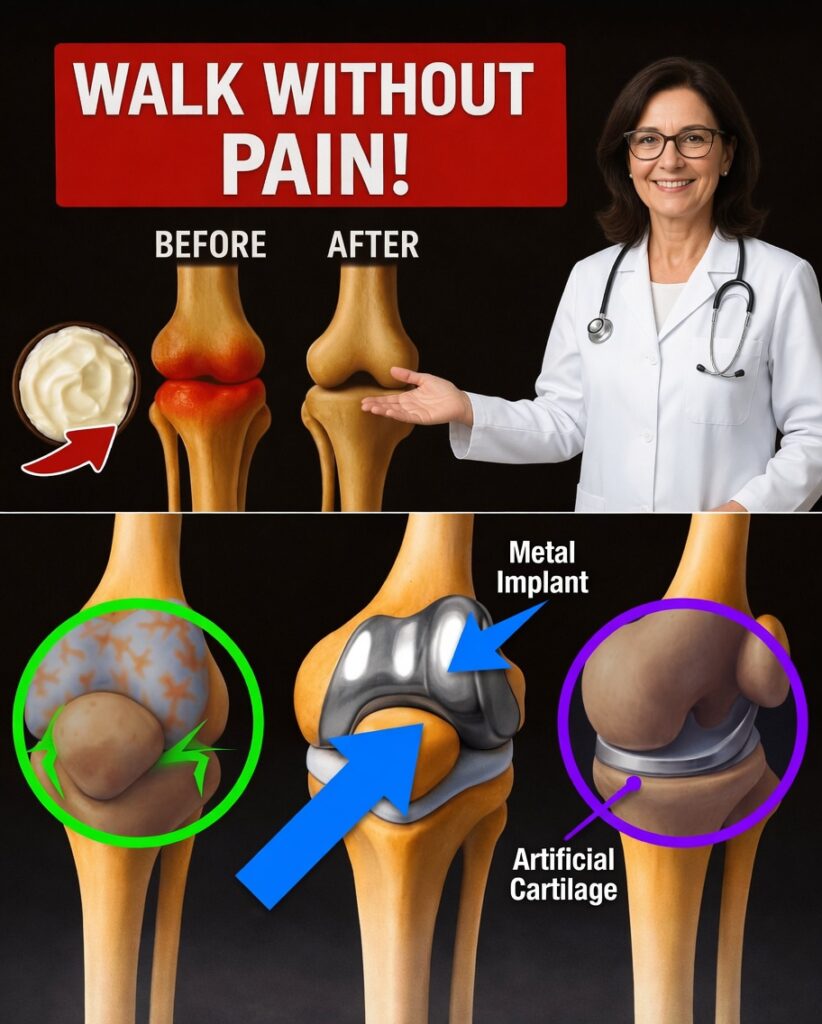
Why “One Food Rebuilds Knee Cartilage in 24 Hours” Keeps Going Viral
A late-night scroll can feel personal when your knees ache after a short walk and a clip promises instant relief: “eat this one food and rebuild cartilage in 24 hours.” In that moment, it’s easy to hope a single ingredient could erase years of stiffness, swelling, and the worry of losing mobility.
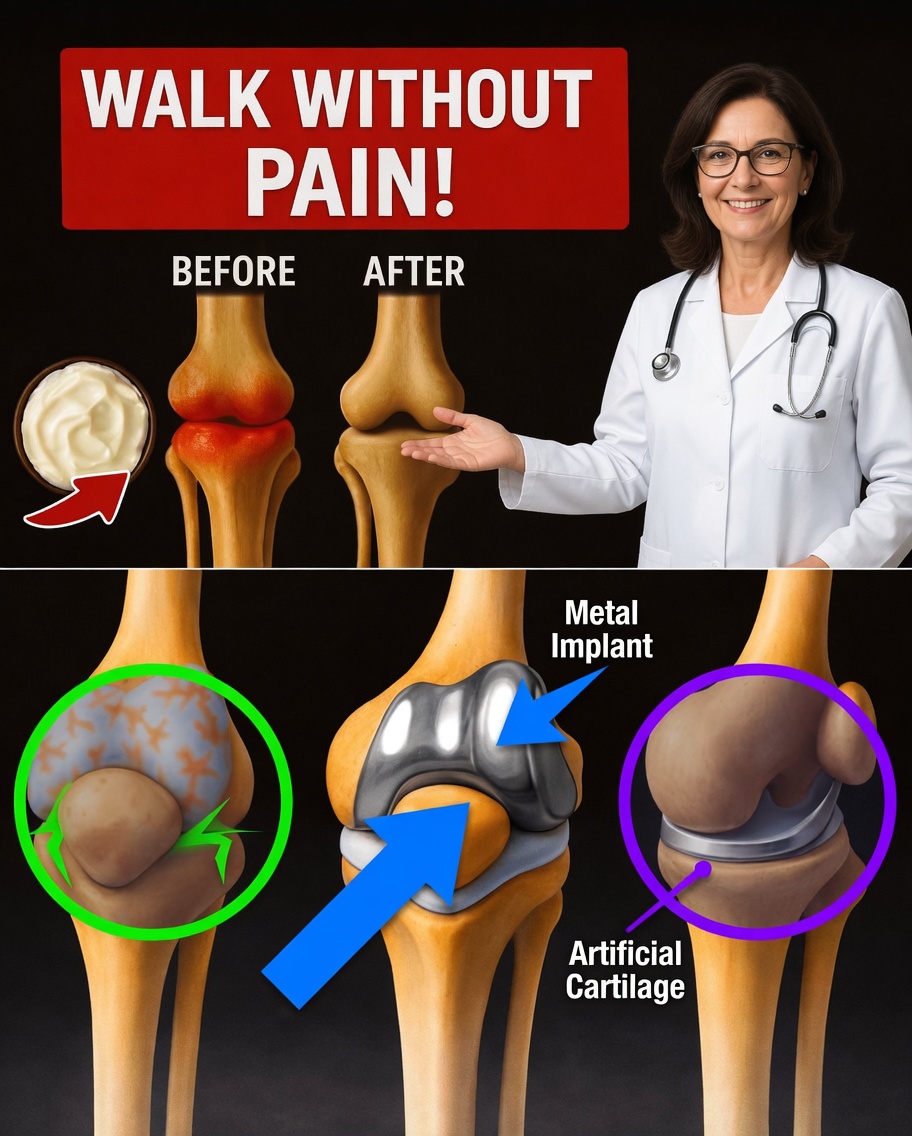
But once the claim is examined, the excitement usually collapses—because knee cartilage does not regenerate overnight. What is true: certain nutrient-dense foods can support joint health over time, especially by helping manage inflammation and supplying key building blocks for cartilage maintenance. Real progress comes from understanding what’s realistic, not from miracle timelines.
The Viral Claim You’re Seeing Everywhere
Social media is packed with near-identical videos featuring a supposed 97-year-old orthopedic doctor who allegedly reveals one food that “regenerates knee cartilage” within 24 hours. Most versions lack verifiable details—no credentials you can confirm, no cited studies, no traceable clinical evidence—yet they spread fast because knee pain is widespread and frustrating.
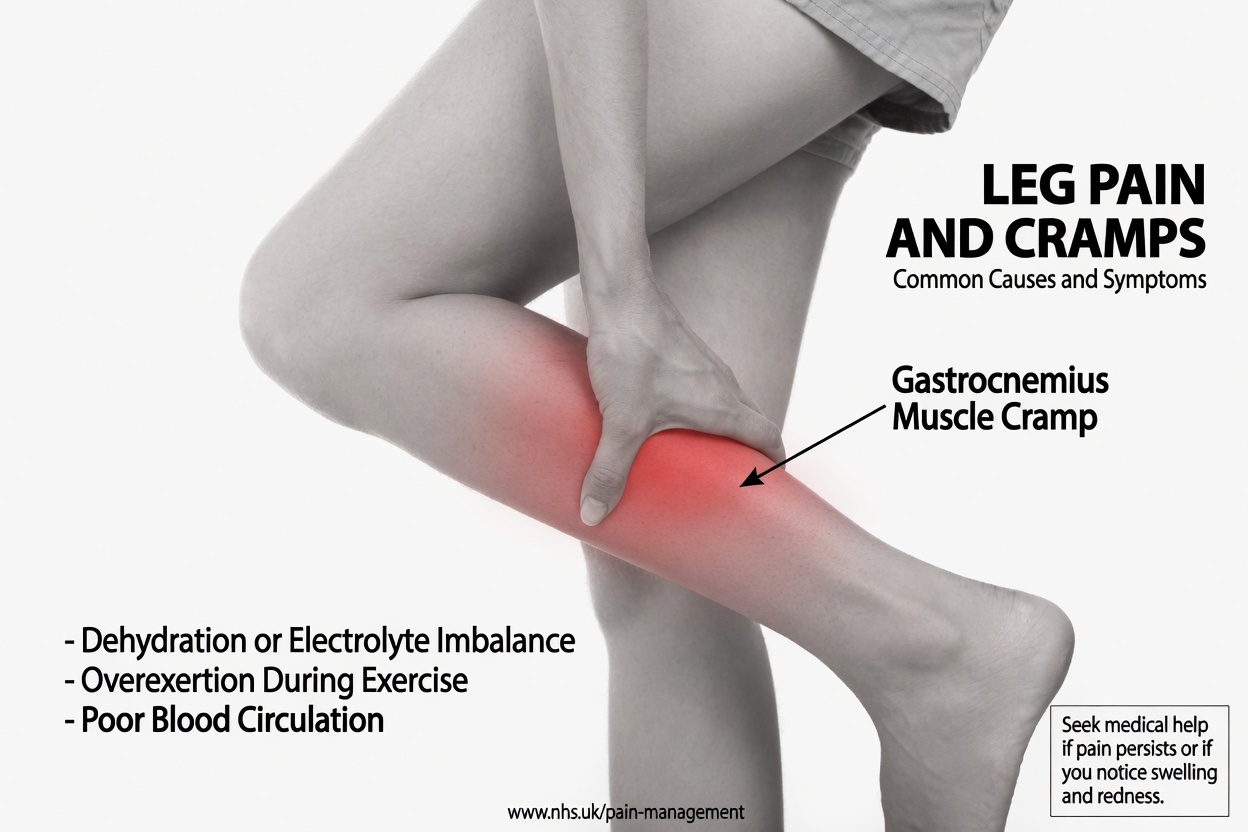
With knee osteoarthritis affecting millions, even small movements—stairs, short walks, playing with grandchildren—can become exhausting. That desperation fuels clicks, shares, and ad revenue. The appeal is understandable. The promise, however, rarely matches reality.
Why Overnight Cartilage Rebuild Is Not How the Body Works
Knee cartilage is the smooth, shock-absorbing surface between bones. The problem: it has no direct blood supply, so repair is naturally slow and limited. Age, prior injuries, and excess body weight can accelerate cartilage wear, leading to osteoarthritis symptoms such as morning stiffness, swelling, and pain that limits daily life.

Inflammation can speed cartilage breakdown—but no single food can reverse structural cartilage damage in hours. A useful analogy is tire tread: it wears down gradually, and meaningful improvement requires consistent care, not a one-time fix. Scientific approaches to cartilage regeneration are complex and typically involve medical interventions beyond diet alone.
What Science Actually Supports: No Quick Fix, But Long-Term Support Is Real
While “instant regeneration” is marketing hype, nutrition still matters. Joint and cartilage maintenance benefit from:
- Collagen building blocks (amino acids)
- Vitamin C, which supports collagen synthesis
- Omega-3 fatty acids, which may help reduce inflammation
- Antioxidants, which combat oxidative stress
- A dietary pattern similar to Mediterranean-style eating, often linked with better inflammatory profiles and symptom management in osteoarthritis
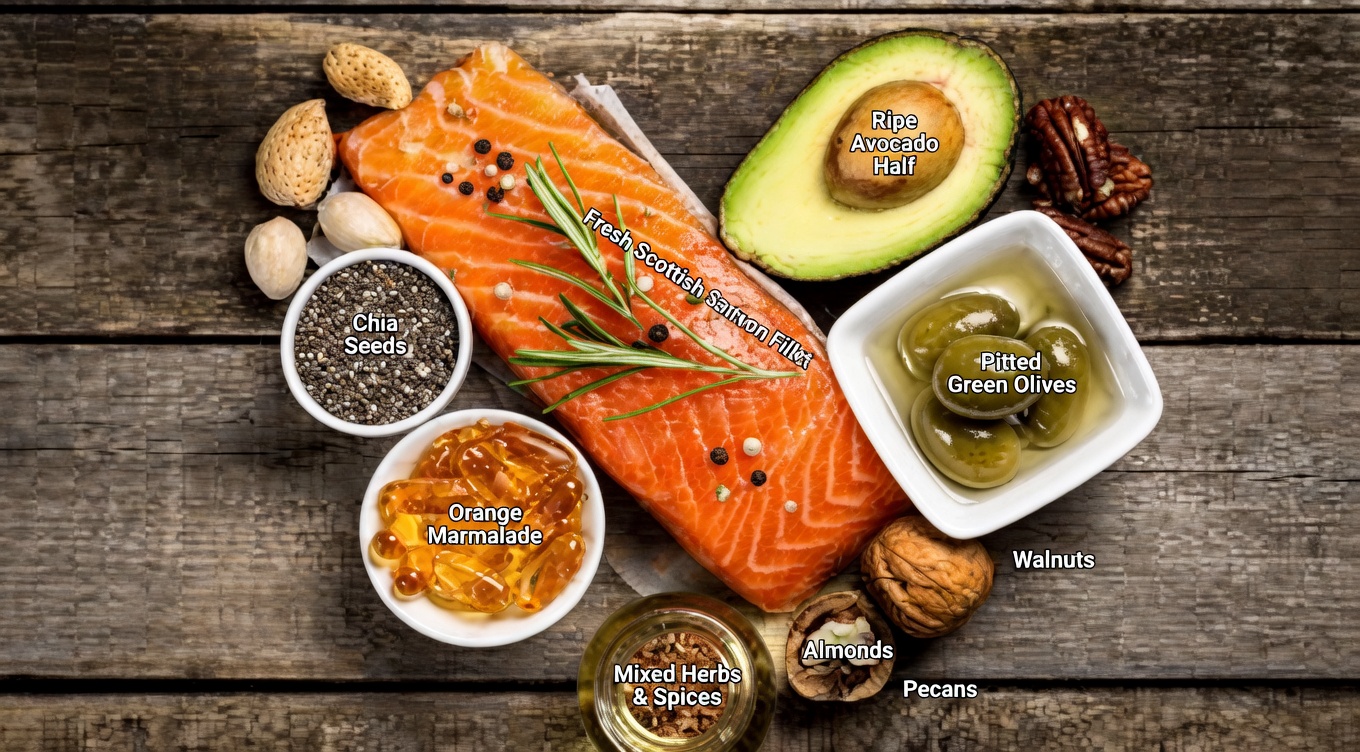
In short: no food rebuilds cartilage overnight, but a consistent, nutrient-rich diet can support joint resilience and help manage discomfort over weeks and months.
9 Evidence-Based Foods That May Support Knee Joint Health
These foods won’t “erase” damage quickly. What they can do is provide nutrients associated with lower inflammation, cartilage support, and better joint function in the research.
9) Legumes (Beans, Lentils): Plant Protein for Collagen Support
Legumes provide protein and amino acids such as lysine, important for collagen formation. They’re also rich in fiber, which is linked to lower systemic inflammation—relevant for osteoarthritis symptoms. Practical idea: add lentils to soups, stews, or grain bowls.
8) Nuts and Seeds: Magnesium for Joint Function
Many nuts and seeds deliver magnesium, a mineral involved in musculoskeletal function and supportive of compounds like hyaluronic acid that help joint cushioning. Choose portion-controlled servings (they’re calorie-dense). Easy add-on: sprinkle sesame or chia on salads or yogurt.
7) Berries: Antioxidants Against Oxidative Stress
Berries are rich in anthocyanins, antioxidant compounds studied for anti-inflammatory effects. They may help reduce oxidative stress that contributes to tissue wear. Daily tip: blend blueberries or mixed berries into smoothies or add them to oatmeal.
6) Leafy Greens: Vitamin K for Bone and Cartilage Health
Greens such as kale and spinach are strong sources of vitamin K, which is associated with better joint and cartilage outcomes in observational research. Make it simple: sauté spinach with garlic and olive oil for an easy side.
5) Fatty Fish: Omega-3s to Help Calm Inflammation
Salmon, sardines, and mackerel provide EPA and DHA, omega-3 fats studied for their role in lowering inflammatory signaling. Many people with joint discomfort find that consistent omega-3 intake supports symptom management. Aim for fatty fish around twice per week if it fits your diet.
4) Citrus Fruits: Vitamin C for Collagen Formation
Oranges, grapefruit, lemons, and limes provide vitamin C, essential for collagen synthesis and connective tissue integrity. Small habit: add citrus to breakfast or use lemon juice as a salad dressing base.
3) Green Tea: Polyphenols That May Slow Breakdown
Green tea contains catechins (like EGCG), studied for potential effects on inflammatory pathways and enzymes involved in cartilage degradation. If tolerated, consider swapping one daily sugary drink for unsweetened green tea.
2) Whole Grains: Fiber and Minerals for Stability
Whole grains such as oats, quinoa, and brown rice contribute fiber and minerals (including magnesium). Higher-fiber diets are often associated with healthier inflammatory profiles. Quick meal idea: build a bowl with quinoa, leafy greens, legumes, and olive oil.
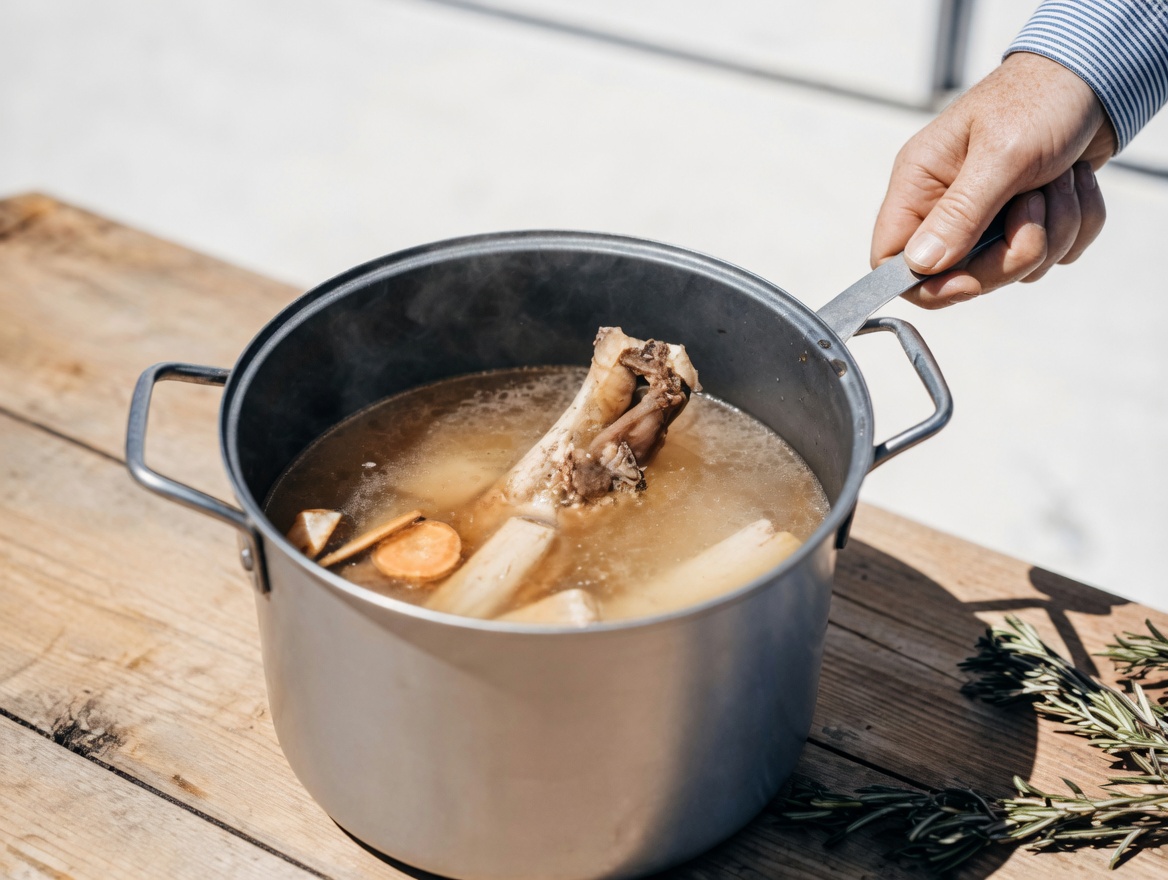
1) Bone Broth: Collagen, Glucosamine, and Chondroitin Support
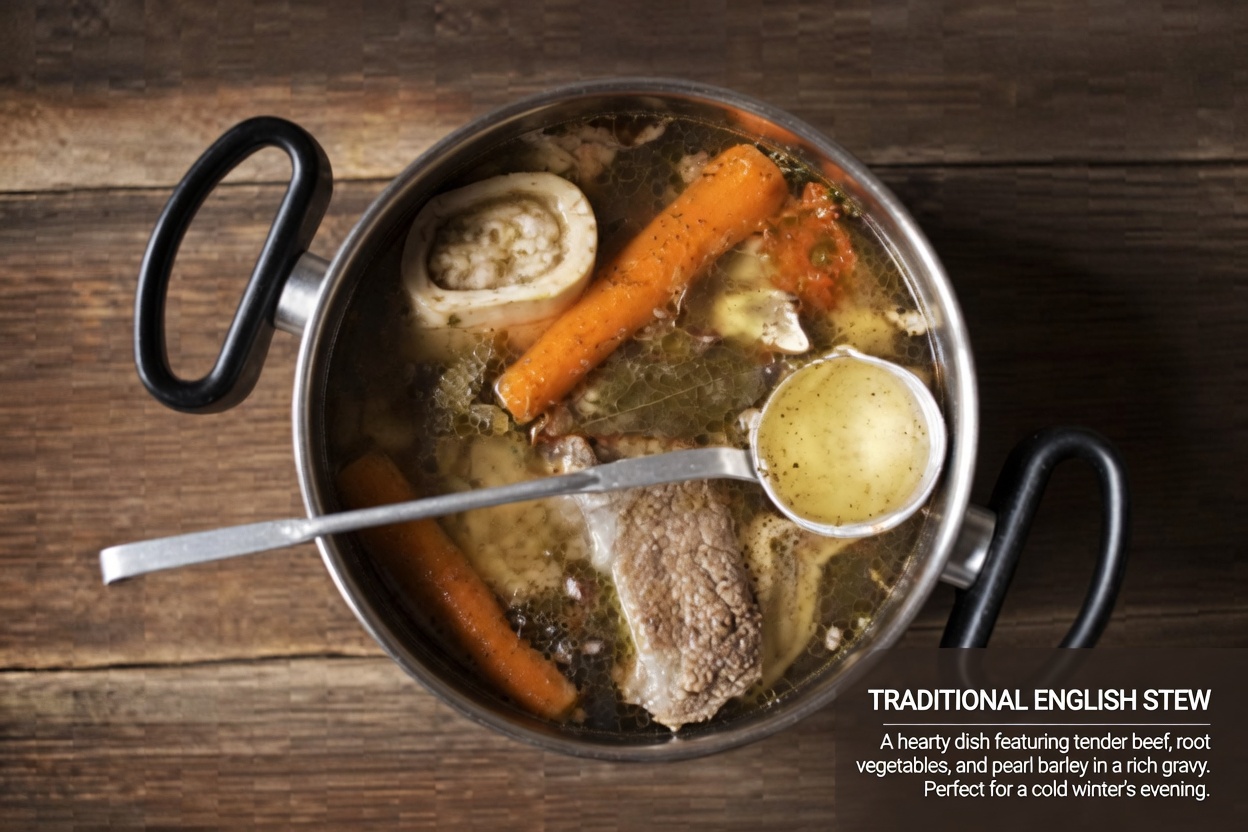
Bone broth is often promoted for joints because it can contain collagen peptides and compounds like glucosamine and chondroitin (levels vary widely). Evidence doesn’t support dramatic regeneration, but it may be a supportive, protein-containing addition for some people over time. Choose low-sodium versions or make your own.
Quick Comparison: Foods and the Type of Joint Support They Offer
- Fatty fish: omega-3s → may reduce inflammation (try grilling 2x/week)
- Berries: anthocyanins → antioxidant protection (add to yogurt/smoothies)
- Leafy greens: vitamin K → cartilage and bone support (sauté as a side)
- Bone broth: collagen compounds → joint nourishment (sip in the evening)
- Citrus: vitamin C → collagen synthesis (fresh in the morning)
Simple, Sustainable Ways to Add These Foods
If knee pain already limits your routine, keep changes easy and realistic:
- Check with your clinician first, especially if you take blood thinners, have kidney issues, gout, or other dietary restrictions.
- Start with 2–3 foods you can repeat: berries daily, leafy greens most days, fatty fish weekly.
- Attach habits to your schedule: green tea mid-afternoon, broth in the evening.
- Track progress weekly, not daily—look for trends in stiffness, swelling, and comfort.
- Pair nutrition with gentle movement (as tolerated), because muscle support around the knee is a major factor in function.
Final Thoughts: Evidence Beats Hype for Long-Term Mobility
The “one food in 24 hours” story is designed to go viral, not to reflect biology. Knee cartilage is slow to change, and meaningful support comes from consistent habits. A pattern that includes fatty fish, berries, leafy greens, whole grains, legumes, citrus, green tea, and (optionally) bone broth can help support joint health and manage inflammation over time.
FAQ
Can diet alone repair severe cartilage loss in the knee?
Diet can support symptoms and may help slow progression, but advanced cartilage loss typically requires medical evaluation. A specialist can discuss imaging, physical therapy, medications, or other options.
Is bone broth better than collagen supplements for joint health?
Both can provide collagen components. Evidence for dramatic cartilage regeneration is limited for either option, but bone broth can fit well into a balanced diet if sodium is controlled.
How long does it take to notice improvements from joint-friendly foods?
Results vary. Many people notice changes only after weeks to months of consistent intake, especially when combined with appropriate movement and clinical guidance.
Medical disclaimer: This article is for informational purposes only and does not replace professional medical advice. Always consult a qualified healthcare provider before making dietary changes, particularly if you have joint disease or medical restrictions.