15 Everyday Foods That May Worsen Foot Numbness and Tingling in Seniors
Many older adults find that numbness, tingling, or a pins-and-needles feeling in their feet becomes more noticeable with age. Even simple activities like walking to the mailbox, standing in the kitchen, or moving around the house can start to feel more difficult. These symptoms often develop gradually, affecting balance, confidence, and energy levels over time.
What is often overlooked is that some common foods found in a typical kitchen may be contributing to these sensations. The good news is that a few thoughtful dietary changes can help support circulation and nerve health. Below, you’ll learn which 15 everyday foods seniors may want to limit, along with easy alternatives and practical habits that can support better foot comfort.
Why Food Choices Matter for Foot Comfort as You Age
As the body gets older, nerves and blood vessels may become more reactive to daily eating habits. Health organizations such as the Mayo Clinic have highlighted the importance of stable blood sugar, reduced inflammation, and healthy circulation in supporting nerve comfort. Foods high in added sugar, refined carbohydrates, sodium, and unhealthy fats may interfere with these processes and make numbness or tingling feel worse for some people.
The key is not cutting out every favorite food. Instead, it is about choosing better options more often in a way that feels realistic and sustainable.
15 Common Foods Seniors May Want to Limit
No single food affects everyone the same way. However, the following items are frequently linked to blood sugar spikes, inflammation, poor circulation, or dehydration, all of which may contribute to foot discomfort.
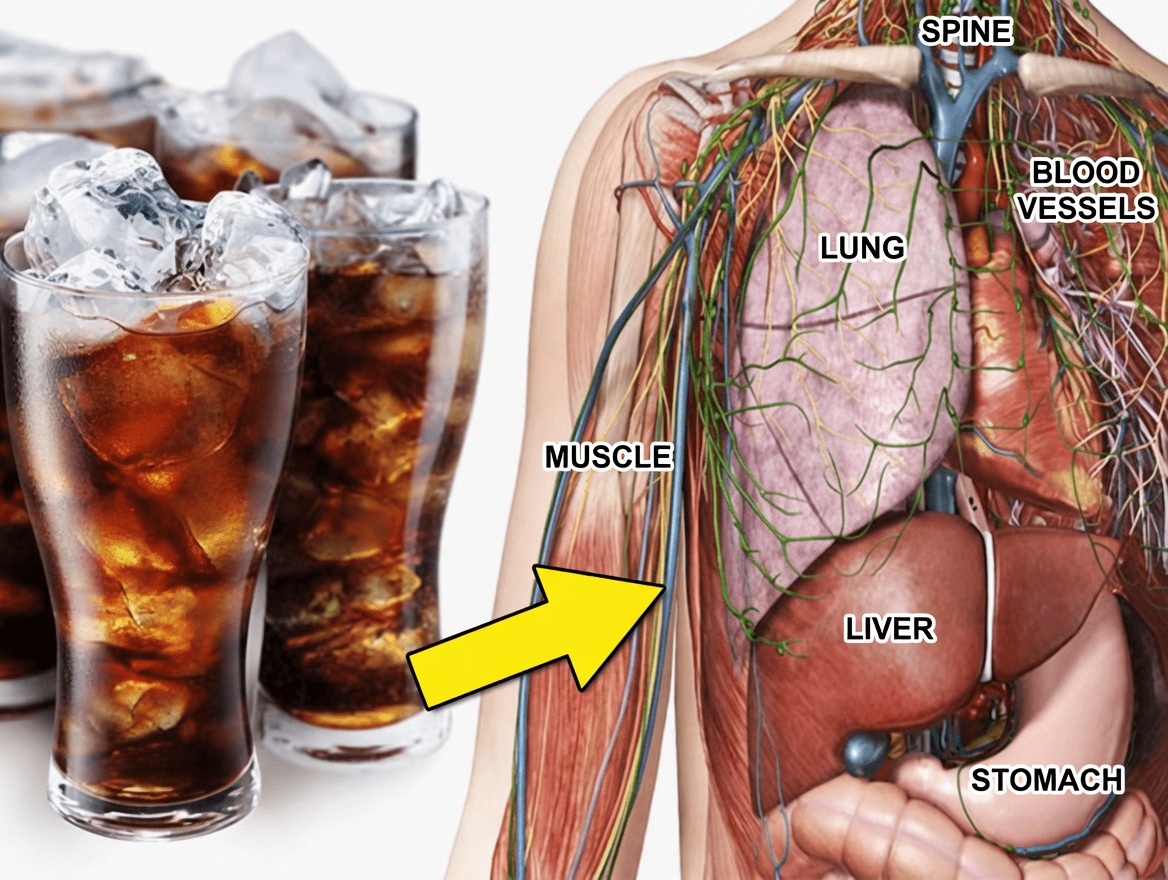
1. Sugary soft drinks and sweetened beverages
These drinks can raise blood sugar quickly, which may place extra stress on nerve health over time.
2. Candy and sugar-heavy chocolate
Products with large amounts of added sugar may encourage inflammation and worsen discomfort in sensitive nerves.
3. Cookies, cakes, and pastries
These treats are often made with refined flour, sugar, and unhealthy fats, making them a triple concern.
4. Ice cream and rich desserts
The combination of sugar and saturated fat may be especially hard on the body when nerve sensitivity is already present.
5. White bread
Because it is made from refined grains, white bread breaks down fast and may lead to unstable blood sugar.
6. White pasta
Low in fiber and highly processed, white pasta acts much like other refined carbs in the body.
7. White rice
Refined rice can also trigger quick blood sugar changes, especially when eaten in large portions.
8. French fries and other fried foods
These foods are often high in unhealthy oils and compounds associated with inflammation.
9. Potato chips and salty snack foods
Too much sodium may affect circulation and fluid balance, which can matter for foot comfort.
10. Bacon and processed meats
Bacon is typically high in salt, preservatives, and additives that some seniors may want to reduce.
11. Sausage and deli meats
These convenient options are often heavily processed and loaded with sodium.
12. Frozen meals and prepared pizzas
While easy to serve, many contain large amounts of salt, sugar, and unhealthy fats.

13. Alcoholic drinks such as beer or wine
Alcohol may contribute to dehydration and can also directly affect nerve tissue.
14. Sweetened fruit juice
Without the fiber found in whole fruit, these beverages can act much like liquid sugar.
15. Highly sweetened breakfast cereals
Some cereals marketed as convenient morning foods contain surprisingly high levels of added sugar.
Better Food Choices That May Support Nerve Health
While some foods may aggravate symptoms, many others can support better circulation and nerve function. Nutrient-rich whole foods are often the best place to start.
Helpful options may include:
- Leafy greens such as spinach, kale, and romaine for magnesium and B vitamins
- Berries for antioxidants
- Nuts and seeds for healthy fats and minerals
- Fatty fish like salmon for omega-3s
- Avocados for heart-healthy fats
- Whole grains such as oats and quinoa for better blood sugar balance
These foods can be satisfying, practical, and easier on the body than heavily processed alternatives.
Simple Food Swaps to Try
Making small substitutions can be one of the easiest ways to improve your diet without feeling deprived.
- Instead of sugary soda → choose sparkling water with lemon
- Instead of white bread → pick whole-grain or seeded bread
- Instead of potato chips → try a small handful of unsalted almonds
- Instead of ice cream → enjoy Greek yogurt topped with fresh berries
These swaps can help you reduce added sugar, sodium, and unhealthy fats while still enjoying flavorful meals and snacks.
Practical Steps Seniors Can Start Today
There is no need to change everything at once. A few manageable actions can make a meaningful difference over time.
-
Read nutrition labels
Spend a minute checking for added sugars and sodium when shopping. -
Replace one food this week
Start small by swapping out just one item, such as a sugary cereal or soft drink. -
Prepare more meals at home
Homemade meals make it easier to control the amount of salt, sugar, and fat in your diet. -
Drink more water
Try having a full glass of water before choosing another beverage. Good hydration supports circulation. -
Track symptoms after meals
Keep a simple note in a notebook or on your phone about how your feet feel after eating.
Many seniors report steadier energy and fewer tingling episodes once these habits become part of their routine.

Lifestyle Habits That Can Help Alongside Healthy Eating
Diet can be a strong foundation, but it works even better when paired with other healthy habits. Supportive steps include:
- Gentle daily walking
- Wearing comfortable, well-fitting shoes
- Following medications as directed by your doctor
- Getting enough rest
- Managing stress through deep breathing, light relaxation, or social connection
Together, these habits may improve circulation, support nerve function, and help you feel more stable on your feet.
Final Thoughts: Small Changes Can Lead to Real Relief
Watching these 15 everyday foods gives seniors a practical way to support foot comfort and overall well-being. You do not need to aim for perfection. Consistency matters more than strict rules. Many older adults who make simple, mindful food swaps say they feel steadier, more energetic, and more confident in daily life.
Your next trip to the grocery store can be the first step toward better foot health. Start with one or two changes this week and pay attention to how your body responds.
Frequently Asked Questions
1. Can diet really affect foot numbness and tingling?
For many people, improving diet may help reduce symptoms over time, especially when focusing on whole foods and limiting highly processed items. Results vary, and nutrition works best alongside proper medical care.
2. Do I need to stop eating these foods forever?
No. In most cases, occasional treats in small portions are fine. The goal is balance and awareness, not complete restriction.
3. Should I speak with my doctor before changing my diet?
Yes, especially if you have diabetes, high blood pressure, or take prescription medications. A healthcare professional can guide you based on your personal needs.
Disclaimer
This article is for informational purposes only and does not diagnose, treat, or cure any medical condition. Always speak with a qualified healthcare professional before making major changes to your diet or lifestyle, especially if you have existing health conditions or use prescription medication.