
When Knee Pain Turns Everyday Life Into a Struggle
That familiar ache in your knees—especially when you get out of bed or climb stairs—can make ordinary movement feel draining. Stiffness, swelling, and discomfort linked to thinning knee cartilage often take the enjoyment out of daily routines, from a simple walk outside to quality time with family. When knee pain forces you to live more cautiously, it can feel like your lifestyle is shrinking.

Here’s the hopeful part: research suggests that specific nutrients found in everyday foods—especially salmon—may provide natural support for knee cartilage health. If you’re looking for a practical, food-based approach to joint comfort and mobility, salmon may be worth a closer look.

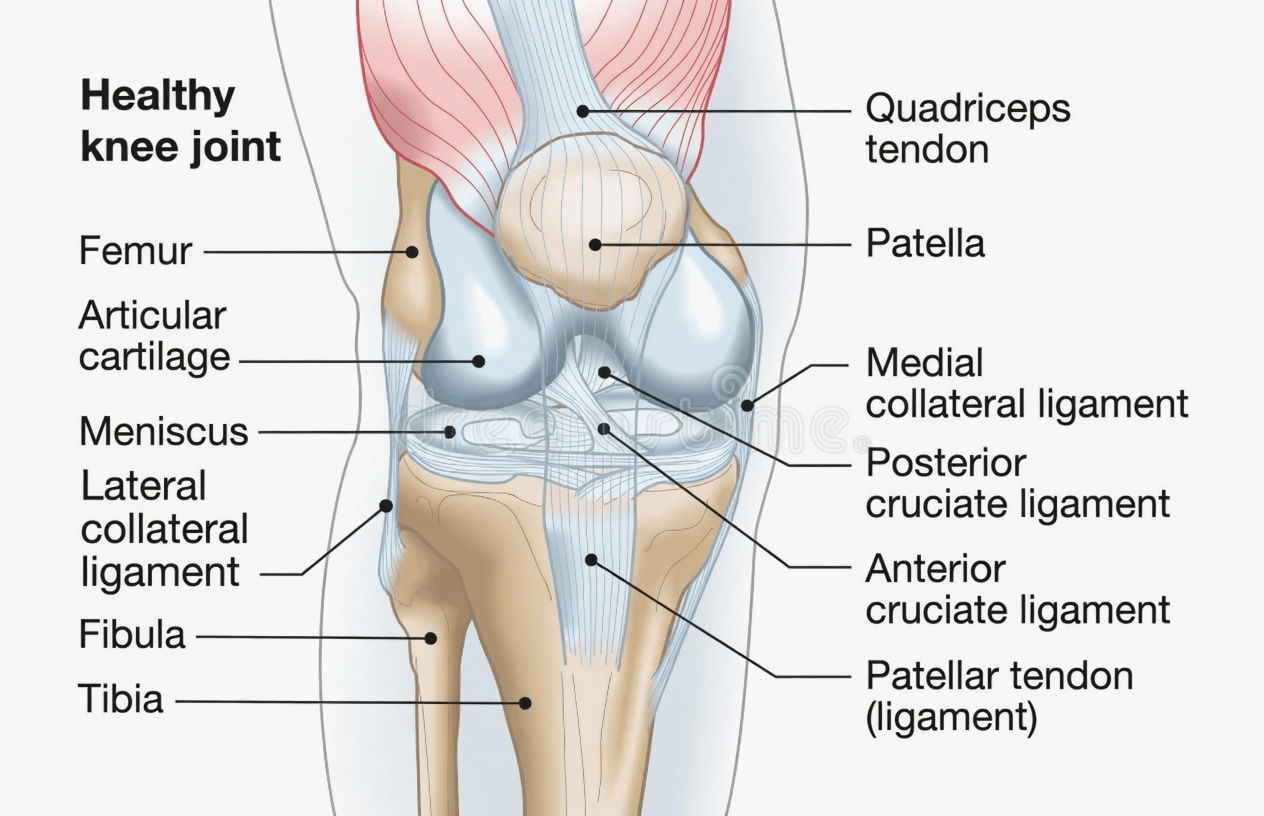
Understanding Knee Cartilage and Why Knees Hurt So Often
Knee cartilage works like a built-in shock absorber between bones. It helps joints glide smoothly, reducing friction every time you stand, walk, or take the stairs. Over time, cartilage can wear down. When that cushioning thins, bones rub more, inflammation rises, and knee pain becomes harder to ignore.
Many adults experience ongoing knee discomfort that can worsen with inactivity and impact overall quality of life. While cartilage wear may seem inevitable, diet can influence inflammation and joint function. Because salmon is rich in joint-supporting nutrients, it’s often discussed in research focused on inflammation and cartilage integrity.
How Salmon’s Omega-3 Fatty Acids May Help Calm Joint Inflammation
Inflammation is frequently a key contributor to persistent knee pain and cartilage stress. When a joint stays inflamed, even short walks can feel intimidating, and swelling can limit normal movement.
Salmon is one of the most concentrated natural sources of omega-3 fatty acids, which studies associate with reduced inflammatory activity in the body. By helping lower inflammation-related signals, omega-3s may support:
- Less joint swelling
- Reduced stiffness (especially in the morning)
- Improved comfort during everyday movement
For many people, the appeal is that these nutrients come from a familiar, enjoyable food—not an extreme lifestyle overhaul.

Salmon and Collagen Support: Why Protein Matters for Cartilage
Collagen is a foundational protein that helps maintain the structure and resilience of cartilage. As we age, collagen production naturally slows, which may contribute to thinner cartilage and more frequent knee discomfort.
Salmon provides high-quality protein and amino acids that act as building blocks for tissues involved in joint support. Research connects adequate protein intake with better mobility and physical function—partly because protein supports both cartilage-related structures and the muscles that protect the joint.
Salmon vs. Common Foods for Joint Support
-
Omega-3 content
- Salmon: High levels that may support a healthier inflammatory response
- Many typical foods: Often low or absent
-
Protein quality
- Salmon: Complete, high-quality protein that supports tissue repair
- Many typical foods: Can be less complete or lower quality
-
Vitamin D
- Salmon: A meaningful dietary source that may support joint and bone health
- Many typical foods: Often limited
-
Joint lubrication support
- Salmon: Healthy fats that may support smoother movement
- Many typical foods: Diets high in processed fats may not support joint comfort
Supporting Joint Lubrication and Mobility with Healthy Fats
That “dry” or grinding sensation in the knee can be a sign the joint isn’t moving as smoothly as it should. When lubrication is limited, movement may feel stiff or gritty—especially on stairs or when bending.
Salmon’s healthy fats may help the body maintain synovial fluid, the natural lubricant that helps joints glide. Omega-3s are also studied for their potential role in improving mobility by supporting a calmer inflammatory environment inside the joint.
Why Salmon May Help Strengthen Muscles That Protect the Knee
Knee stability isn’t only about cartilage. The muscles around the joint—especially the quadriceps and supporting leg muscles—help absorb force and reduce stress on the knee. If these muscles weaken, cartilage can face more strain during daily activity.
Salmon’s protein supports muscle repair and maintenance. Research links sufficient protein intake to better strength and physical stability, which can translate into less stress on the knees and more confidence during movement.

Real-Life Inspiration: Everyday Comfort Improvements
Linda, 55, loved walking but began avoiding trails because knee pain kept cutting outings short. After adding salmon to her meals twice per week, she noticed less morning stiffness and felt more comfortable during longer walks.
Mark, 62, found knee discomfort was interfering with gardening—especially kneeling and bending. After regularly including salmon, he reported fewer sharp twinges and was able to spend more time doing what he enjoys.
These experiences don’t prove a cure, but they reflect why many people explore salmon as a supportive food for knee pain and cartilage health.
Easy Ways to Eat More Salmon for Knee Health Support
Adding salmon doesn’t have to be complicated. If you want to try a consistent approach, consider:
- Choose smart options: Wild-caught or canned salmon can be excellent sources of omega-3s.
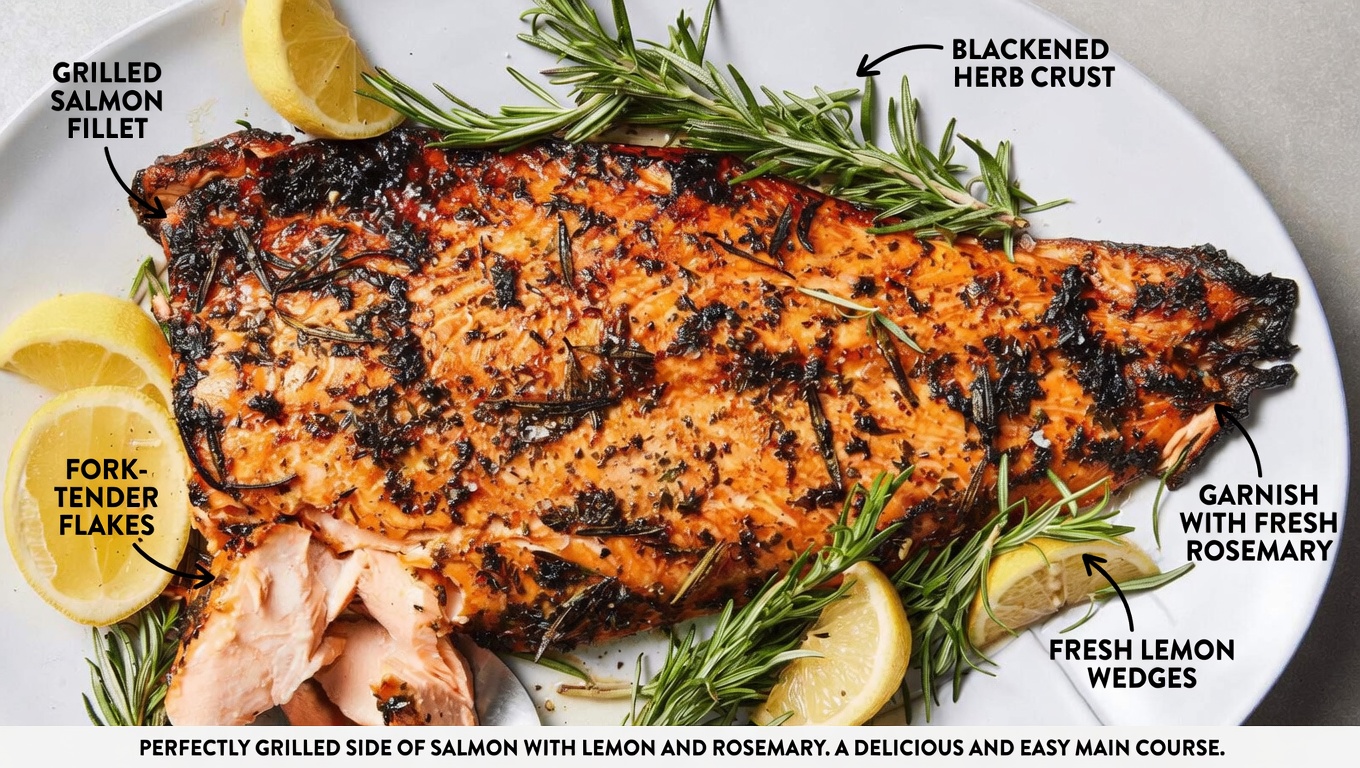
- Keep preparation simple: Bake or grill with lemon, olive oil, garlic, and herbs.
- Be consistent: Many nutrition recommendations suggest 2–3 servings per week for ongoing omega-3 intake.
- Pair it well: Add vegetables (leafy greens, peppers, tomatoes) for additional anti-inflammatory nutrients.
- Use budget-friendly choices: Canned salmon can be affordable and convenient for salads or bowls.
If you have allergies, medical conditions, or take medications, check with a healthcare professional before making major dietary changes.
Taking the Next Step Toward Better Knee Comfort
If knee cartilage wear is affecting your daily life, ignoring it can lead to more missed moments and less movement over time. While salmon isn’t a medical treatment, it’s a research-supported food choice that may help support joint comfort, inflammation balance, and mobility.
Try starting with one salmon meal this week. Small, consistent dietary shifts can support bigger long-term goals—like walking, gardening, and staying active with less knee discomfort.
Frequently Asked Questions
How often should I eat salmon for joint support?
A common target is 2–3 servings per week. Consistent omega-3 intake is often highlighted in research related to joint comfort and inflammation.
Can salmon help if my knee pain is severe?
Salmon may provide supportive nutrients, but it is not a substitute for medical care. For severe or worsening knee pain, consult a healthcare professional for diagnosis and personalized treatment.
What if I don’t like salmon?
You can try milder preparations (lemon and herbs), use canned salmon in salads, or experiment with seasoning blends. Many people find salmon more enjoyable when prepared simply and consistently.
Medical Disclaimer
This article is for informational purposes only and is not intended to diagnose, treat, cure, or prevent any condition. Always consult your healthcare provider before making dietary changes, especially if you have health concerns or take medication.