Everyday Foods and Cancer Risk: 5 Common Triggers and Simple, Healthier Swaps
You grab an easy snack—crackers, a soda, or a few slices of bacon. These familiar choices seem harmless, but research suggests some everyday foods can promote conditions that may support cancer development, including chronic inflammation and frequent insulin spikes. The reassuring news is that small, practical food swaps can help create a more supportive internal environment and may contribute to lowering long-term cancer risk.
In this guide, you’ll learn five common foods associated with these effects—plus easy replacements you can start using right away.
The Hidden Connection: How Diet Patterns May Affect Cancer Risk
Cancer risk was long viewed mainly as a matter of genetics or bad luck. While those factors still matter, growing evidence points to additional influences—especially chronically elevated insulin and ongoing inflammation, which can be shaped by diet.
Many cancer cells appear to have more insulin receptors than normal cells, helping them absorb glucose efficiently. This ties into the Warburg effect, a well-known observation that cancer cells often rely heavily on glucose metabolism. When blood sugar and insulin remain high repeatedly, it may contribute to a biological setting that favors tumor growth.
Inflammation is another key piece. Diets high in ultra-processed foods or certain fat profiles may increase inflammatory signaling, and studies have associated chronic inflammation with higher risk of multiple cancers. Choosing lower-glycemic and anti-inflammatory foods may help reduce these pressures and support better long-term health.
A major surprise for many people: five kitchen staples often contribute the most.
5) Refined Carbohydrates: Fast Blood Sugar, Fast Insulin
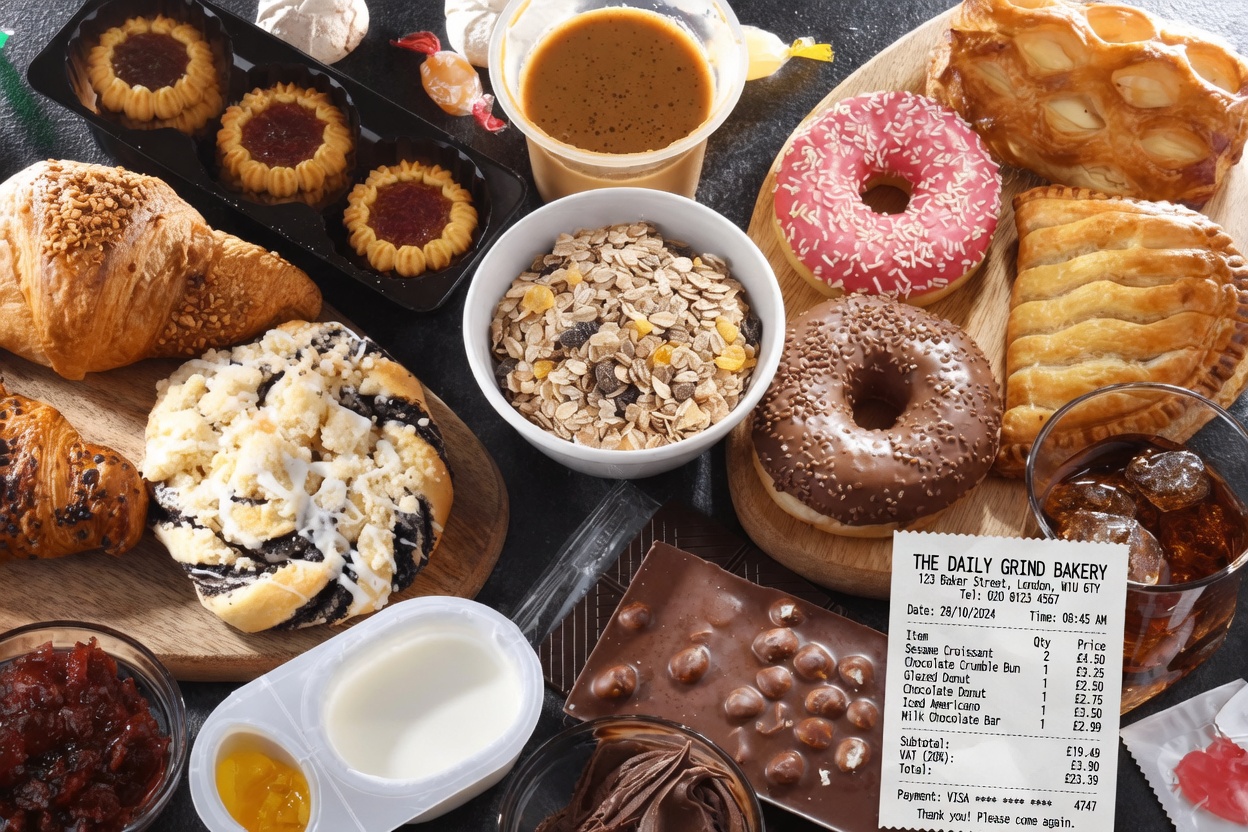
Foods made with refined grains—such as white bread, pasta, bagels, crackers, and many packaged baked goods—break down quickly and can cause sharp rises in blood glucose and insulin.
Higher intake of refined carbohydrates has been linked in research to increased risk of certain cancers, including colon and breast cancer. These foods may reinforce the metabolic conditions that cancer cells can take advantage of.
Better swaps to try:
- Quinoa or steel-cut oats for steadier energy
- Cauliflower rice as a lower-carb base for meals
- Lettuce wraps or almond-flour alternatives instead of white-flour products
These options can help support more stable blood sugar without the rapid spikes.
4) Sugary Drinks and “Hidden Sugar” Foods: Direct Glucose Surges
Soda, sports drinks, sweetened coffees, flavored yogurts, and many “low-fat” desserts can deliver a concentrated sugar load—essentially a rapid glucose delivery that the body must manage with insulin.
Large observational studies have associated frequent sugary beverage consumption with higher overall cancer risk, with notable links reported for breast cancer and potentially other types. Even “natural” sweeteners, when consumed in excess, can still contribute to repeated insulin elevations.

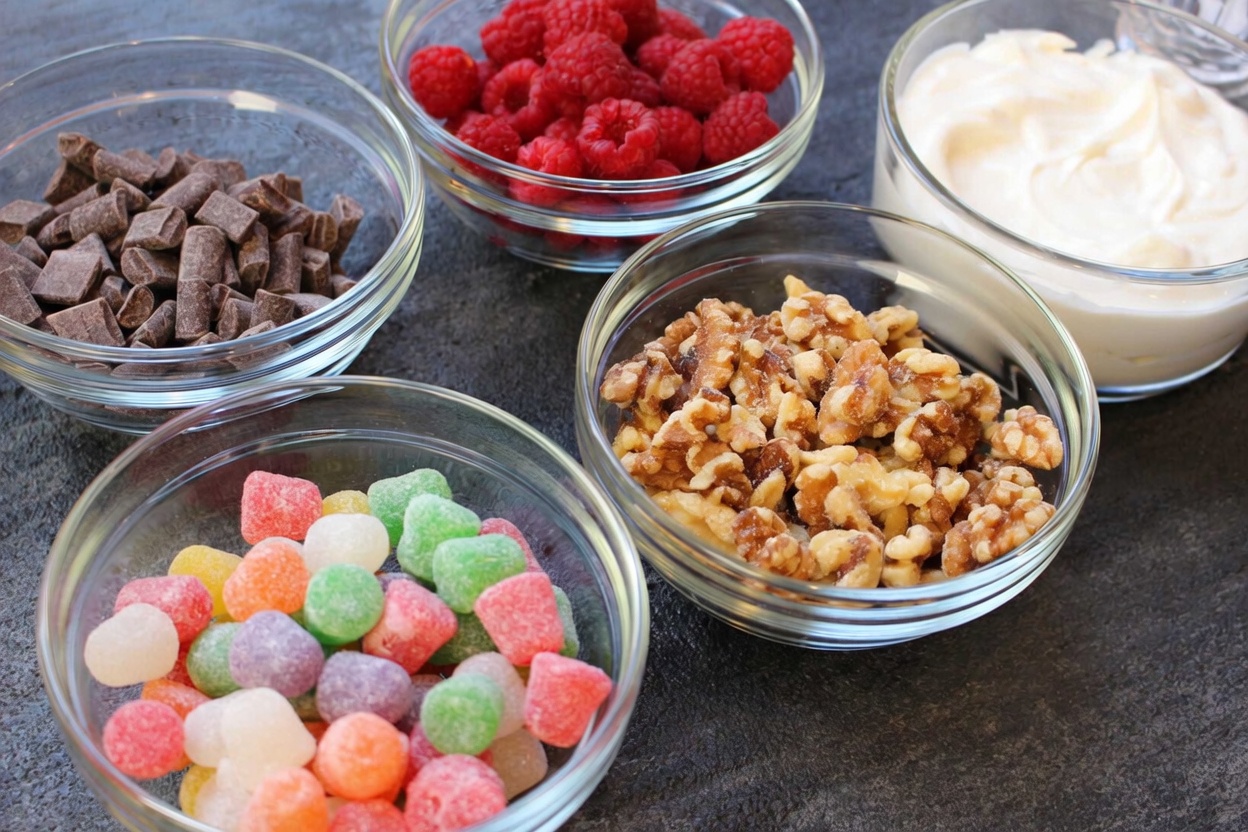
Smarter choices that still feel satisfying:
- Fresh berries or a small piece of 85% dark chocolate
- Sparkling water with lemon (or a small amount of stevia, if desired)
- Herbal tea or cinnamon-forward drinks for a naturally sweet taste
These alternatives can reduce the likelihood of big sugar spikes while keeping cravings manageable.
3) Processed Vegetable Oils: Inflammation and Oxidation Risk
Common cooking oils like canola, soybean, corn, and sunflower oil tend to be high in omega-6 fatty acids. Omega-6 fats aren’t “bad” by default, but problems can arise when intake is high relative to omega-3s—and especially when these oils are overheated, which can increase oxidation and inflammatory byproducts.
Research has explored how an imbalanced omega-6 to omega-3 ratio may be associated with elevated risk for cancers such as breast, prostate, and colon.
Healthier fats to use instead:
- Extra-virgin olive oil (use under its smoke point)
- Avocado oil for higher-heat cooking
- Grass-fed butter or ghee, which many people find more tolerable and less inflammatory
2) Processed Meats: Classified Carcinogens
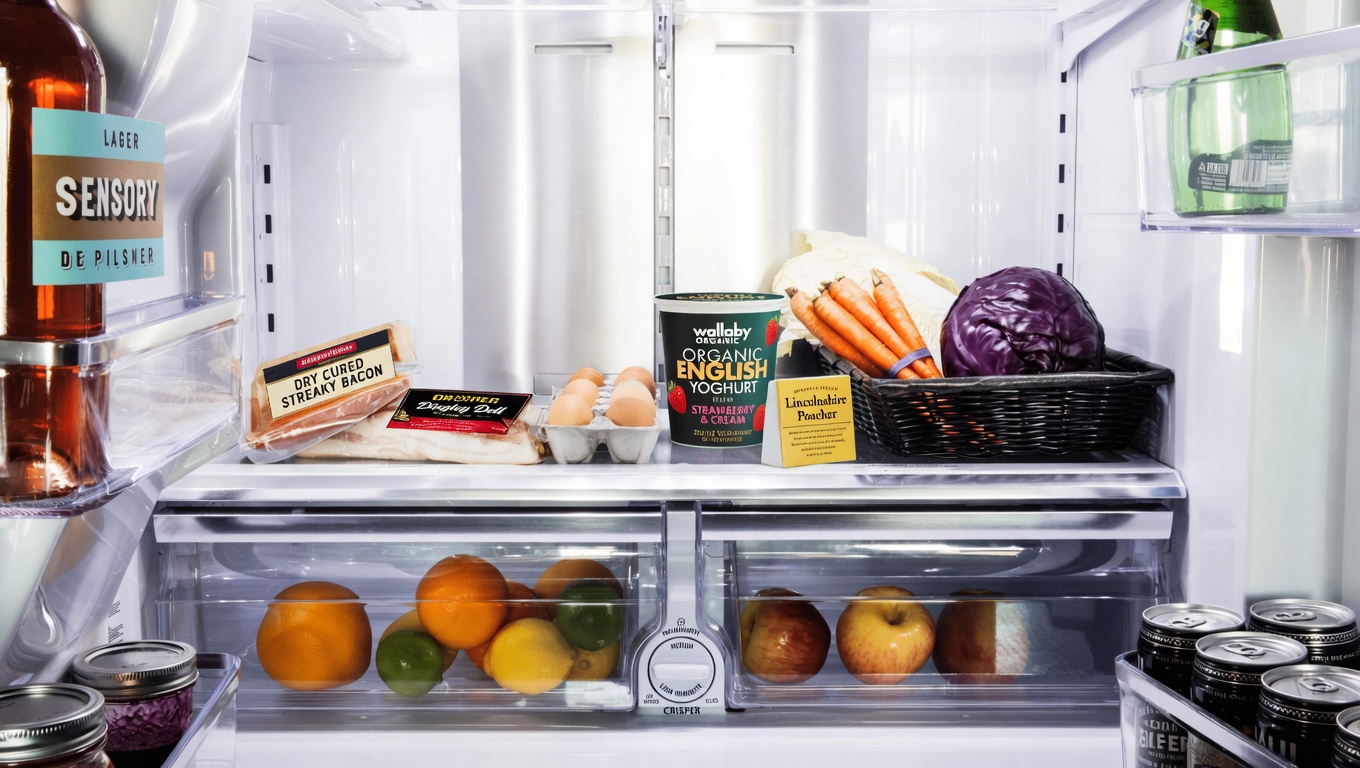
Foods like bacon, sausages, hot dogs, and deli meats often contain preservatives such as nitrates/nitrites. During high-heat cooking or processing, these can contribute to compounds like nitrosamines, which have been classified as carcinogenic.
The World Health Organization reports that eating 50 grams of processed meat daily is associated with about an 18% higher risk of colorectal cancer.
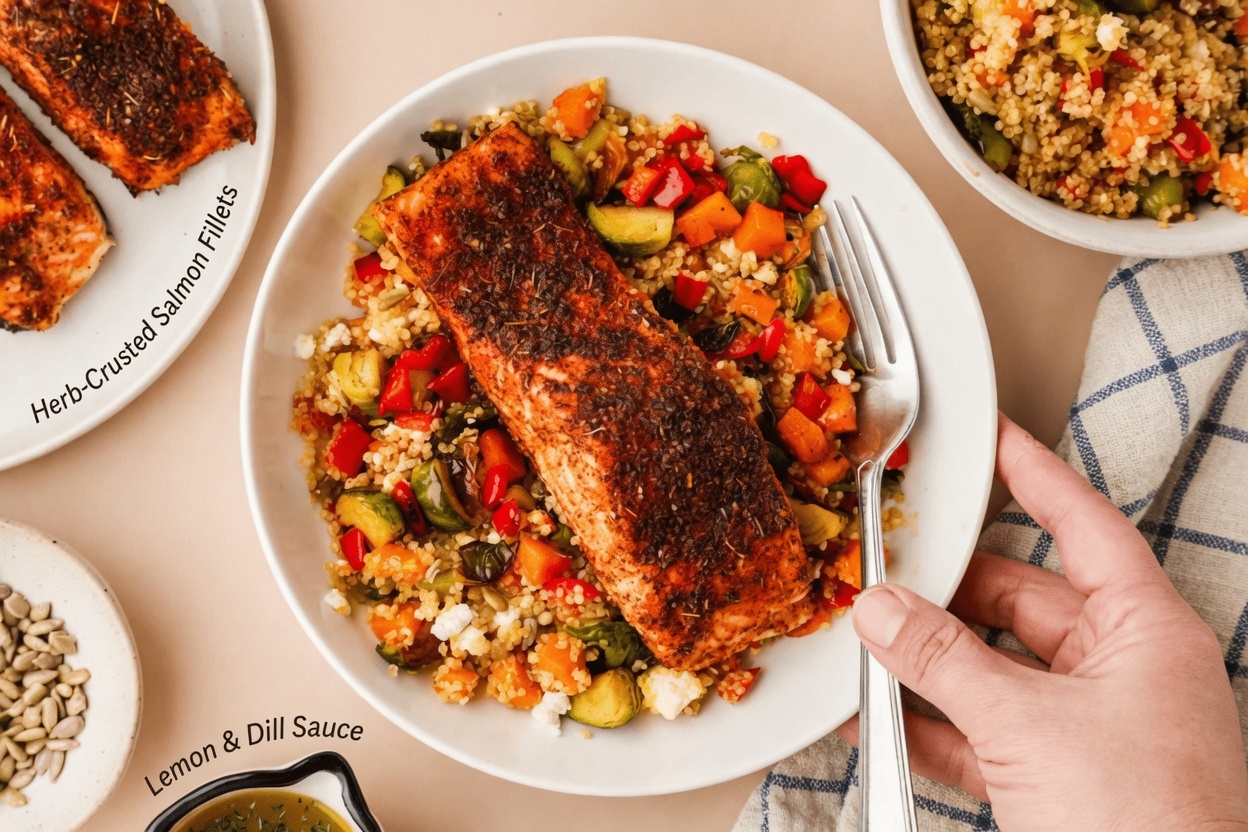
Safer protein swaps:
- Fresh-roasted chicken or turkey
- Wild-caught salmon or sardines
- Plant-based options such as lentil or black bean patties
1) High-Glycemic Processed Snacks: The Late-Night Insulin Effect
Snack foods like chips, pretzels, rice cakes, and many granola bars can trigger rapid glucose release, keeping insulin elevated longer than many people realize—especially when eaten at night.
This pattern may create a prolonged window in which cells are exposed to excess circulating energy.
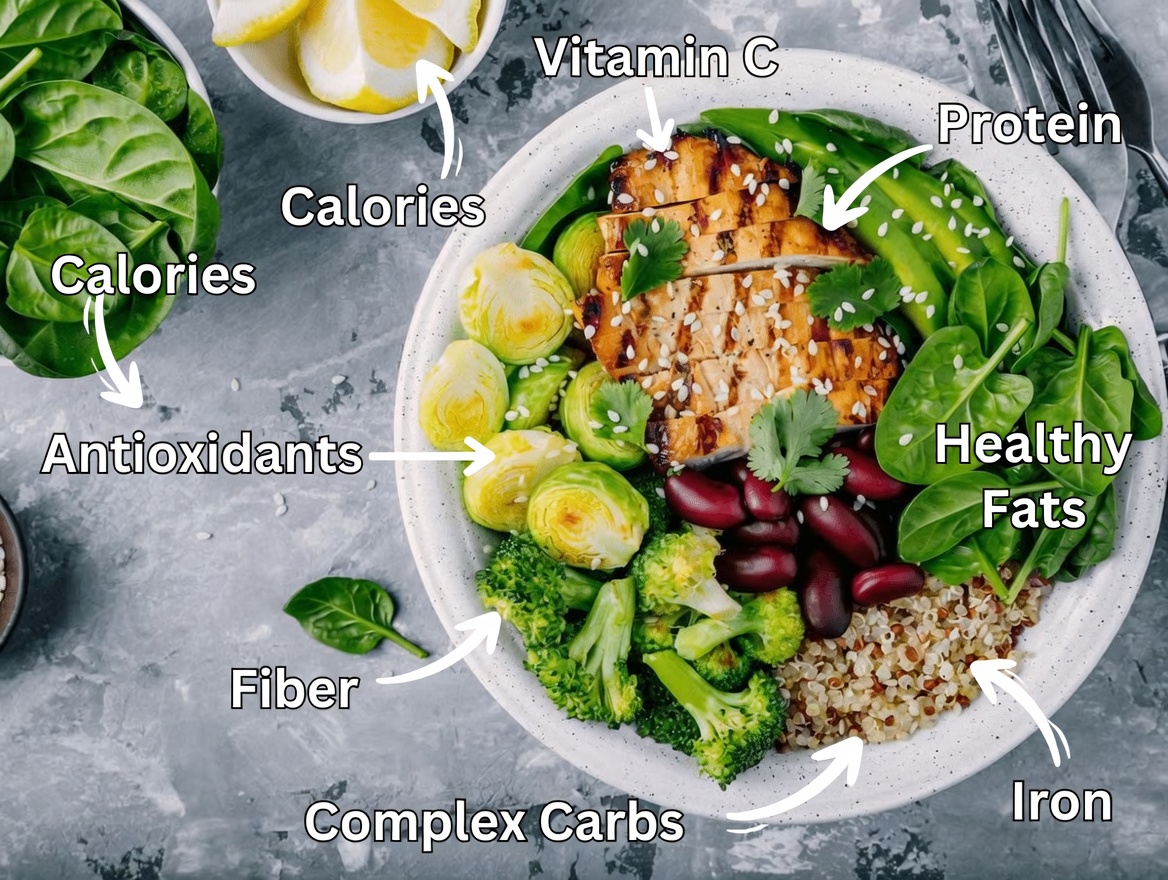
Better evening snack ideas:
- A small handful of almonds or walnuts
- Celery sticks with almond butter
- Hard-boiled egg or a few cheese cubes
Quick Comparison: Higher-Risk Foods vs. Supportive Swaps
- White bread, pasta, crackers → rapid glucose/insulin spikes
Swap: quinoa, cauliflower rice, lettuce wraps - Soda and sugary drinks → direct glucose surge
Swap: sparkling water, herbal tea, berries - Canola/soybean/corn oils → oxidation and inflammatory potential
Swap: olive oil, avocado oil, grass-fed butter - Bacon, sausage, deli meats → nitrosamine-related carcinogenic concerns
Swap: fresh poultry, wild fish, bean patties - Chips, pretzels, rice cakes → prolonged elevated insulin
Swap: nuts, veggie sticks, guacamole
A Simple 7-Day Starter Plan (No Perfection Needed)
Consistency matters more than extremes. Try this realistic one-week reset:
- Day 1: Remove sugary drinks; stock herbal teas or flavored water.
- Day 2: Replace processed meats with fresh proteins.
- Day 3: Switch cooking oils to olive oil or avocado oil.
- Day 4: Reduce white flour foods; add quinoa or cauliflower rice.
- Day 5: Buy berries, nuts, and dark chocolate for cravings.
- Day 6: Cook one new meal (for example, salmon with vegetables).
- Day 7: Enjoy a satisfying home-cooked meal using healthier fats.
Small changes can feel surprisingly empowering. Many people notice steadier energy and better peace of mind as blood sugar swings decrease.
Reducing inflammation and insulin spikes supports the body’s natural defenses over time. Start with one swap today.
Frequently Asked Questions
Does sugar “feed” cancer more than healthy cells?
All cells use glucose. However, cancer cells often process glucose differently (linked to the Warburg effect). Cutting back on added sugars may help lower risk factors such as obesity, insulin resistance, and chronic inflammation.
How quickly can I feel a difference?
Many people report improved energy and steadier blood sugar within a few weeks. Potential risk reduction is a long-term outcome that builds over months and years through consistent habits.
Can I still eat these foods sometimes?
Yes—overall pattern matters most. Aim for whole, minimally processed foods 80–90% of the time, and occasional treats are unlikely to erase progress.
Educational note: This article is for informational purposes only and does not replace medical advice. Dietary changes can support health, but consult your healthcare provider—especially if you have medical conditions or a personal history of cancer.