Feeling “Off” Despite Doing Everything Right With Diabetes?
You follow your meal plan, take medications on time, and monitor blood glucose daily. Still, the exhaustion lingers, foot tingling disrupts your sleep, and your readings refuse to stay in range. That combination can feel discouraging—and it’s more common than many people realize.
A key detail often left out of the conversation: studies repeatedly show that people with diabetes frequently have low or suboptimal levels of certain vitamins. When these gaps add up, day-to-day diabetes management may feel tougher than it should.
The positive takeaway? Improving three specific vitamin levels is often associated with better energy, nerve comfort, and steadier blood sugar support.
Why Vitamin Levels Often Drop in People With Diabetes
Diabetes can affect nutrients in several ways:
- Higher blood glucose may increase nutrient loss through urine, gradually lowering vitamin status.
- Oxidative stress tends to rise in diabetes, which can “use up” antioxidants faster.
- Some medications—including metformin—may interfere with absorption or utilization of certain nutrients.
The outcome can be subtle deficiencies that contribute to:
- Persistent fatigue
- Nerve discomfort (tingling, burning)
- Difficulty maintaining stable glucose—even when you’re consistent with lifestyle habits
Vitamin C: A High-Value Antioxidant for People With Diabetes
Vitamin C is especially relevant because vitamin C and glucose use similar transport pathways to enter cells. When blood sugar is elevated, glucose can outcompete vitamin C—leaving less vitamin C available inside cells to help manage oxidative stress.
Oxidative stress is linked to many diabetes-related concerns, including energy levels and blood vessel function.
Signs your vitamin C may be low
- Cuts or bruises that heal slowly
- Frequent colds, low resilience, or ongoing tiredness
- Gum sensitivity or higher-than-usual blood pressure readings
Research has associated healthier vitamin C status with better insulin sensitivity and lower inflammation markers in some populations.
Diabetes-friendly ways to increase vitamin C
- 1 medium red bell pepper (raw or lightly cooked): ~200 mg
- 1 kiwi: ~70–90 mg
- 1/2 cup strawberries: ~50 mg
- Liposomal vitamin C: 500–1,000 mg (often used for improved absorption compared with standard forms)
Many clinicians suggest that some people with diabetes may benefit from 500–1,000 mg per day, which is above the general RDA but typically well tolerated for most adults.

Vitamin E: Antioxidant Support for Nerves and Circulation
Vitamin E helps protect tissues that are commonly stressed in diabetes, especially nerves and blood vessels, by supporting antioxidant defenses.
When vitamin E status is low, issues related to circulation and nerve irritation can feel more pronounced.
Potential signs you may need more vitamin E
- Worsening tingling, burning, or “pins and needles”
- Dry skin that doesn’t improve easily
- Muscle cramps or intermittent weakness
Several studies have linked vitamin E supplementation with improvements in nerve-related discomfort for a meaningful portion of participants, along with markers of circulation support.
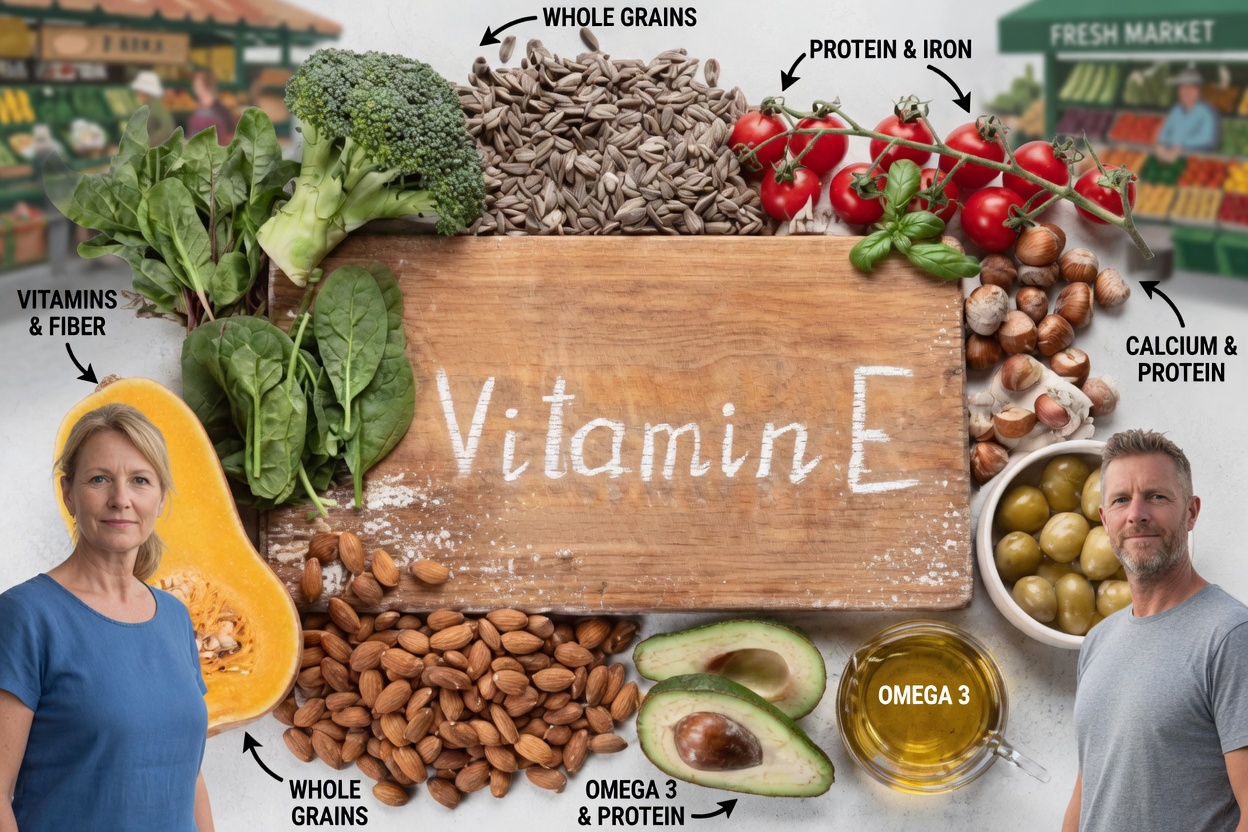
Low-carb, vitamin E–rich options
- 1 oz sunflower seeds: ~10 mg
- 1 oz almonds: ~7.3 mg
- 1/2 avocado: ~2–3 mg
- Mixed tocopherols supplement: 200–400 IU (look for d-alpha plus mixed tocopherols rather than a single isolated form)
Vitamin B6 (P-5-P): Active B6 for Nerve Health and Blood Sugar Support
Vitamin B6 is particularly important for people focused on nerve comfort and metabolic health—especially when using medications that can impact nutrient status. The active form, called pyridoxal-5-phosphate (P-5-P), supports:
- Insulin signaling
- Nervous system function
- Balanced homocysteine, a marker associated with cardiovascular and kidney risk
When B6 is low, nerve symptoms may intensify and insulin resistance can be harder to manage.
Common clues of low B6 status
- Tingling or burning that spreads or becomes more frequent
- Restless legs, increased nerve irritability, or carpal tunnel–type symptoms
- Mood shifts or poor sleep quality
Research connects adequate B6 to lower homocysteine and improved nerve comfort—sometimes within weeks for some individuals.
Food sources and supplement guidance
- 1 cup cooked chickpeas: ~1.1 mg
- 3 oz wild salmon: ~1.0 mg
- 3 oz chicken breast: ~0.6 mg
- P-5-P supplement: 25–50 mg daily (examples often cited for quality include Pure Encapsulations, Thorne, Seeking Health)

Quick Comparison: Which Vitamin May Be Most Relevant?
-
Vitamin B6 (P-5-P)
- Best known for: nerve comfort, insulin support
- Typical timeframe: 2–8 weeks
- Priority: supplements are often the most effective route
-
Vitamin E
- Best known for: circulation support, nerve protection
- Typical timeframe: 4–12 weeks
- Priority: food + supplement combination
-
Vitamin C
- Best known for: energy support, immunity, vessel flexibility
- Typical timeframe: 1–4 weeks
- Priority: both food and supplements (liposomal often preferred for absorption)
A Simple 30-Day Vitamin Support Plan
Move gradually and pay attention to trends in how you feel (energy, nerve sensations, morning readings), not just day-to-day fluctuations.
Week 1
- Morning: Liposomal vitamin C 500 mg
- With meals: 1 oz almonds or sunflower seeds
Week 2
- Add: Vitamin E 200–400 IU daily
- Add meals: salmon or chickpeas 2–3 times per week
Week 3
- Add: P-5-P 25–50 mg daily
- Optional: a second vitamin C dose in the evening if desired
Week 4
- Continue the full routine daily
- Keep food sources consistent to support long-term nutrient status
Many people report improvements such as steadier morning glucose patterns, less nerve discomfort, and more reliable daytime energy with consistent support.
Frequently Asked Questions
1) Can vitamin C, vitamin E, or vitamin B6 replace diabetes medications?
No. These nutrients may support overall health and complement lifestyle habits, but they do not replace prescribed diabetes treatment. Follow your clinician’s plan.
2) Are higher doses safe?
Many people tolerate the amounts listed above, but needs vary. Speak with your healthcare provider—especially if you use blood thinners or take other medications.
3) How can I confirm if I’m low in these vitamins?
A clinician can order blood work to assess nutrient status. Ask whether testing vitamin C, vitamin E, or active B6 (P-5-P-related markers) is appropriate for you.
Educational information only. This is not medical advice. Always consult your healthcare provider before starting supplements—especially if you have diabetes or take ongoing medications. Results vary by individual.