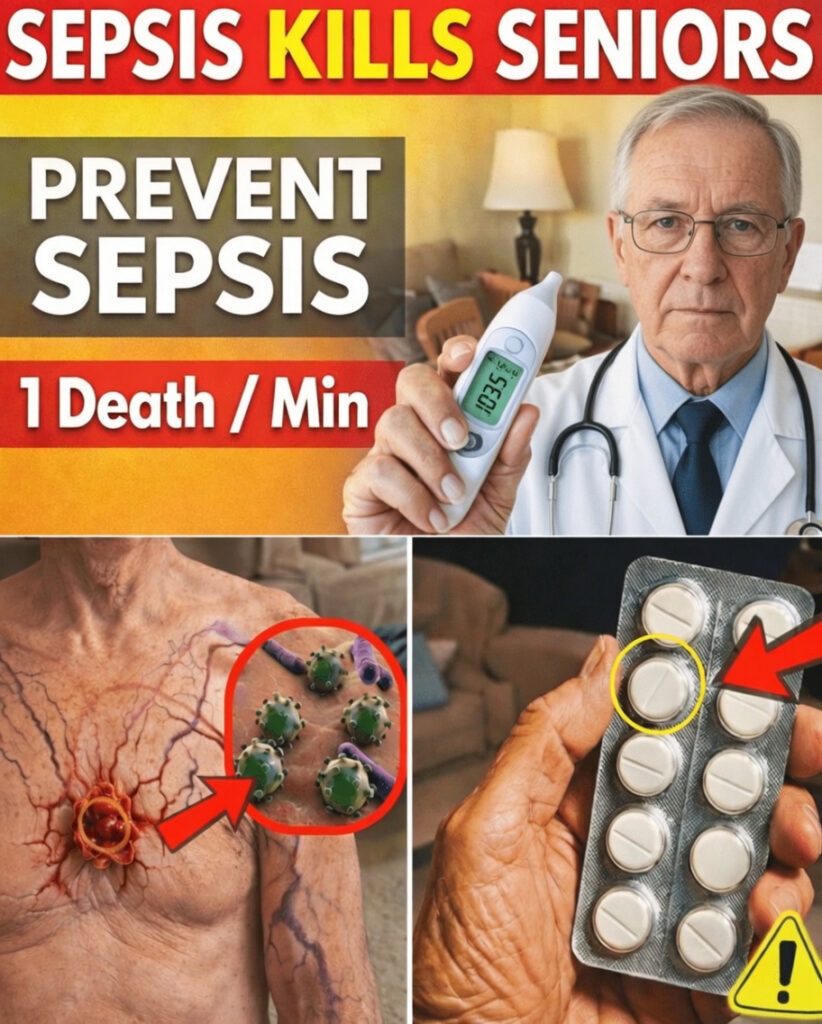
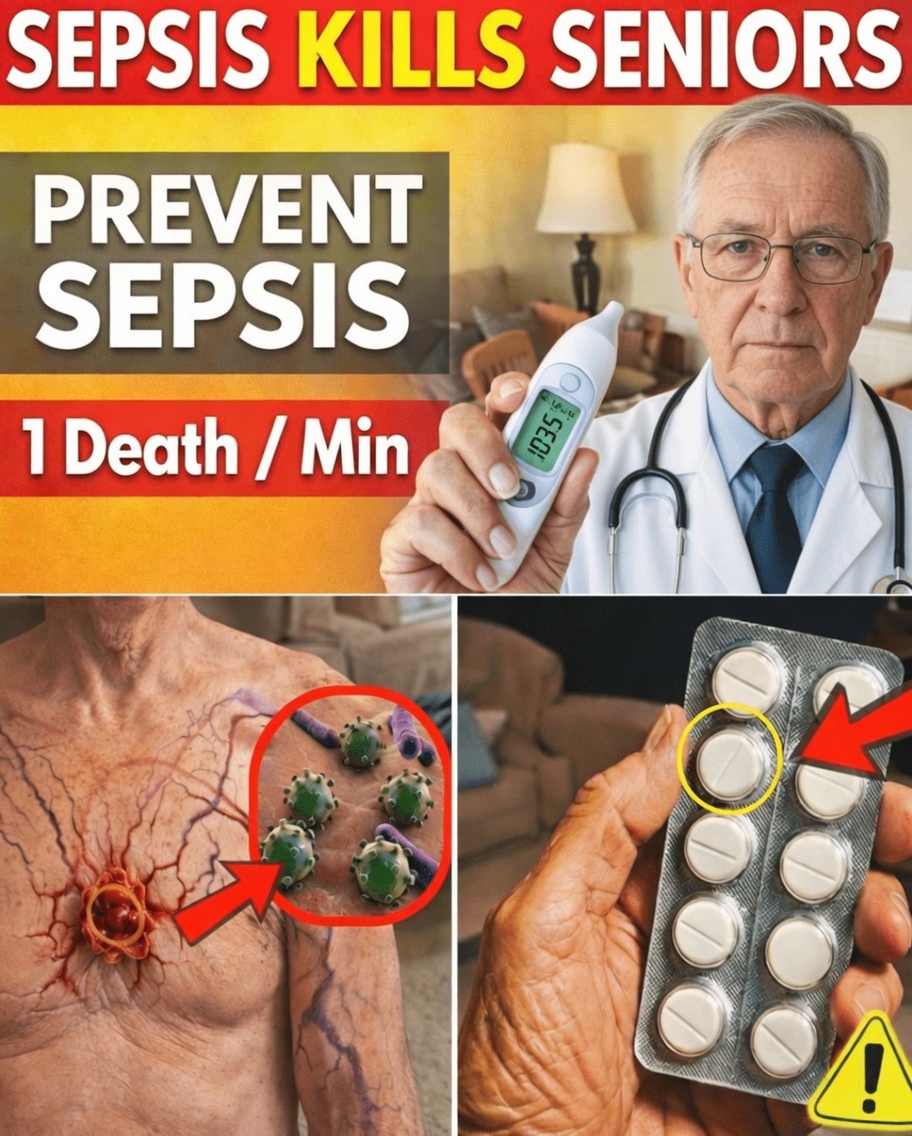
Sepsis Kills Fast—And Many Families Miss the First Clues
Sepsis causes more than 350,000 deaths in the United States each year. That is a higher toll than breast cancer, prostate cancer, and AIDS combined. Even so, many people—especially those looking after older adults—cannot identify a single early symptom.
Picture this: your older parent calls in the morning sounding weak, shaky, and unusually cold, even though they have a high fever. You assume it is a stubborn flu, recommend rest, and suggest some medication. By the afternoon, they are unconscious in the emergency room, and doctors are racing to stop organ failure that might have been avoided with earlier treatment.
If you are over 50, caring for aging parents, or trying to protect the seniors you love, it is normal to feel uncertain about symptoms that seem vague or easy to dismiss. The challenge is that sepsis often looks like “just aging,” “just the flu,” or “just a bad day”—until it becomes a medical emergency.
Knowing a few overlooked warning signs can make a life-saving difference in the first critical hours. Below are five early signals often ignored, supported by CDC guidance, Johns Hopkins findings, and real family experiences. Just as important, you will learn what to do the moment these signs start appearing together.
Why Sepsis Is Especially Dangerous for Older Adults
Growing older often comes with symptoms people learn to brush off: fatigue, trouble concentrating, poor sleep, chills, or general weakness. That is one reason sepsis is so dangerous in seniors.
The CDC estimates that at least 1.7 million adults in the U.S. develop sepsis every year. Adults age 65 and older are at much higher risk. Research also suggests many early cases are first mistaken for influenza, urinary tract infections, or worsening dementia. Meanwhile, every hour without treatment increases the danger.
Families often watch a loved one decline and assume they will recover with rest. But sepsis rarely stays mild for long. Confusion can lead to falls. Fast breathing drains energy. Falling blood pressure reduces oxygen delivery to tissues and organs. Once that chain reaction begins, the risks rise sharply.
Take a moment and think about this: how often do you or an older loved one have “off” days that last longer than expected? If the answer is often, awareness matters even more.
Many people rely on over-the-counter medicine, hydration, or waiting things out. Those steps may ease symptoms, but they do not address the bigger threat if the body is entering a septic response.
What Sepsis Actually Is
Sepsis is not the infection itself. It is the body’s extreme and harmful response to an infection.
A common UTI, pneumonia, or even a small wound can trigger an immune reaction that spreads through the bloodstream. This response can cause widespread inflammation, leaky blood vessels, falling blood pressure, and reduced oxygen supply to vital organs.
For older adults, the situation can worsen faster because of:
- Weakened immune function
- Chronic illnesses such as diabetes or COPD
- Recovery from surgery
- Medicines that affect immune response
- Existing heart, lung, or kidney problems
According to the CDC, sepsis is involved in 1 out of every 3 hospital deaths. One reason is simple: the early warning signs often look like everyday health issues.
For adult children balancing work and caregiving—or seniors managing several medications—it is easy to think, “This seems normal.” But that uneasy feeling that something is not right should never be ignored.

Warning Sign #5: Unusual Temperature Changes
One of the most overlooked early clues is a major temperature shift that does not make sense.
Watch for:
- A fever above 101°F that does not improve with medication
- A body temperature below 97°F
- Intense shivering or feeling freezing cold even under blankets
These are not always standard flu symptoms. In older adults, hypothermia can be especially concerning because the body may no longer be able to produce a typical fever response. Research published in Critical Care Medicine has linked low body temperature in sepsis to poorer outcomes.
Consider Maria, a 72-year-old retired teacher in Florida. She kept saying she felt unbearably cold, even while her temperature spiked to 103°F. Her daughter assumed it was influenza. A few hours later, the emergency room identified sepsis caused by a urinary tract infection. As her daughter later said, “We nearly waited too long.”
If temperature swings are severe, persistent, or unusual, do not treat them as a minor detail.
Warning Signs #1–#4: The Four Core Patterns Often Seen Early
While temperature changes are important, sepsis usually becomes easier to recognize when several symptoms appear together. These four patterns are among the most consistent warning signs highlighted in research.
1. Rapid Heart Rate and Fast Breathing
Two early physical signs are:
- Heart rate above 90 beats per minute while at rest
- Breathing faster than 20 breaths per minute while resting
These changes may reflect the body trying to compensate for falling oxygen levels, dropping blood pressure, or increasing inflammation.
2. Sudden Confusion or Delirium
A sharp mental change is a major red flag, especially in seniors.
This may look like:
- Disorientation
- Unusual agitation
- Difficulty answering simple questions
- Sudden memory problems
- Behavior that resembles dementia but starts quickly
Geriatric studies suggest delirium can appear in a large share of older sepsis patients. The key difference is speed: dementia develops gradually, while sepsis-related confusion often appears suddenly.
3. A Powerful Sense That Something Is Very Wrong
Many patients describe an overwhelming feeling of severe illness before a diagnosis is made. Some say:
- “I feel like I’m dying.”
- “This is the sickest I’ve ever felt.”
- “Something is terribly wrong.”
That intense malaise should not be brushed aside, especially when combined with infection symptoms.
4. Skin That Looks or Feels Different
Changes in the skin can signal poor circulation and worsening sepsis.
Look for:
- Cold or clammy skin
- Mottled or patchy discoloration
- Grayish or pale tone
- Spots that do not blanch when pressed
These signs may reflect reduced blood flow and damage to small blood vessels.
A Quick Mental Check That Could Save Time Later
Pause and review what you have read so far:
- Have you seen one or more of these signs in an older loved one?
- Did the symptoms appear quickly rather than gradually?
- Are they being explained away as age, flu, or fatigue?
- Are several symptoms happening at the same time?
That combination matters. Sepsis is rarely about one isolated symptom. It is the pattern that should get your attention.
When Sepsis Reaches the Tipping Point
As symptoms build, the condition can deteriorate with alarming speed.
Serious escalation may include:
- Severe dizziness
- Inability to stand
- Sudden weakness
- Collapse or near-fainting
These can signal a major drop in blood pressure, which is a medical emergency.
Evidence published in the New England Journal of Medicine shows that prompt recognition and early treatment can significantly improve outcomes. The sooner sepsis is identified, the better the chance of protecting the brain, kidneys, lungs, and heart.
Real-Life Cases That Show Why Awareness Matters
Robert, a 78-year-old veteran in Texas, became suddenly confused and started breathing rapidly after minor surgery. His son recognized that the symptoms were not normal recovery and called 911. According to the family, acting just two hours sooner helped save his kidneys.
Elena, 69, who lives with diabetes in California, complained of a terrifying sense that something was deeply wrong. Her daughter also noticed mottling on her legs. Doctors later found sepsis linked to a foot ulcer. Because the warning signs were caught early, she recovered and returned home.
Families often remember the details vividly: clammy skin, gray coloring, strange confusion, and the feeling that a loved one did not look like themselves anymore.

Who Faces the Highest Risk?
Some groups are more vulnerable to sepsis than others. Risk is especially high for people who are:
- Age 65 or older
- Living with diabetes
- Recovering from recent surgery
- Immunocompromised
- Managing chronic kidney, lung, liver, or heart disease
- Being treated for an active infection
- Living with wounds, ulcers, or skin breakdown
If someone in your family falls into one of these categories, it is even more important to act quickly when symptoms appear.
Daily Habits That Help Lower Risk
No prevention strategy is perfect, but these practical steps can reduce risk and support earlier treatment:
- Stay current on recommended vaccines
- Treat infections promptly
- Monitor wounds carefully
- Practice good hygiene and wound care
- Follow up after surgery or hospitalization
- Pay close attention to sudden changes in energy, breathing, thinking, or skin color
The goal is not to panic over every symptom. The goal is to recognize dangerous patterns sooner.
Sepsis Warning Signs at a Glance
Extreme temperature changes
- High fever that does not improve
- Or unexpectedly low body temperature
- Why it matters: may reflect severe immune dysfunction
Fast heart rate and rapid breathing
- More than 90 beats per minute at rest
- More than 20 breaths per minute at rest
- Why it matters: may signal the body is struggling to maintain oxygen delivery and blood pressure
Sudden confusion
- Acute delirium, disorientation, or mental changes
- Why it matters: can be a sign of inflammation and reduced oxygen reaching the brain
Overwhelming malaise
- “I feel terribly wrong” or “the worst I’ve ever felt”
- Why it matters: many patients report this before sepsis is diagnosed
Skin changes
- Cold, clammy, mottled, pale, or non-blanching areas
- Why it matters: may point to poor circulation and worsening organ stress
What to Do Immediately If You Suspect Sepsis
If you notice a combination of these signs, especially in an older adult, do not wait.
Follow this action plan:
- Call 911 right away if there is severe confusion, rapid breathing, collapse, mottled skin, or extreme weakness.
- Use the word “sepsis” when speaking to emergency responders or triage staff. Saying “I’m worried about sepsis” may help speed the right evaluation.
- If symptoms seem milder but concerning, contact a doctor urgently the same day and explain all symptoms together, not one by one.
- Do not rely only on rest or over-the-counter medication if the person is getting worse, acting confused, or breathing fast.
- Track the timeline—when the fever started, when confusion began, when breathing changed, and whether there is a known infection, wound, or recent procedure.
- Trust your instincts. If someone looks drastically worse than usual, that matters.
The Most Important Takeaway
Sepsis does not always begin with dramatic symptoms. In older adults, it often starts with subtle changes that are easy to dismiss—chills, confusion, weakness, strange skin color, fast breathing, or a feeling that something is deeply wrong.
That is why families miss it. And that is why awareness saves lives.
If you remember anything from this article, remember this: sepsis is about patterns, speed, and action. When several warning signs show up together, especially in a senior, treat it as urgent.
Recognizing these five early clues could be the difference between a close call and a preventable tragedy.