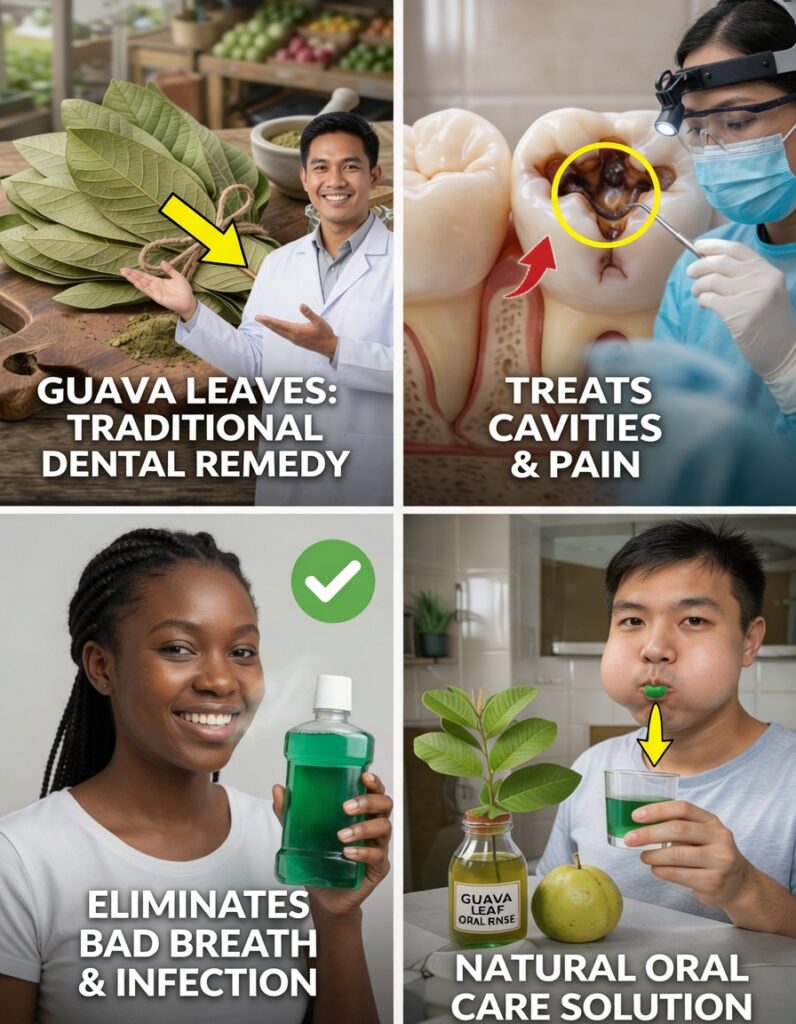
Have you ever finished brushing, looked in the mirror, and still felt like something was “off”? Maybe your breath doesn’t stay fresh for long, your gums feel a little tender when you floss, or that faint morning taste hangs around no matter how careful you are.
These small, everyday oral care annoyances can quietly add up—especially when plaque residue and mild gum sensitivity seem to appear out of nowhere. But there’s a simple, low-cost, natural option many people overlook: guava leaves, used traditionally to support oral hygiene.
And there’s one small step that makes these habits even gentler (and more enamel-friendly). You’ll see it shortly.
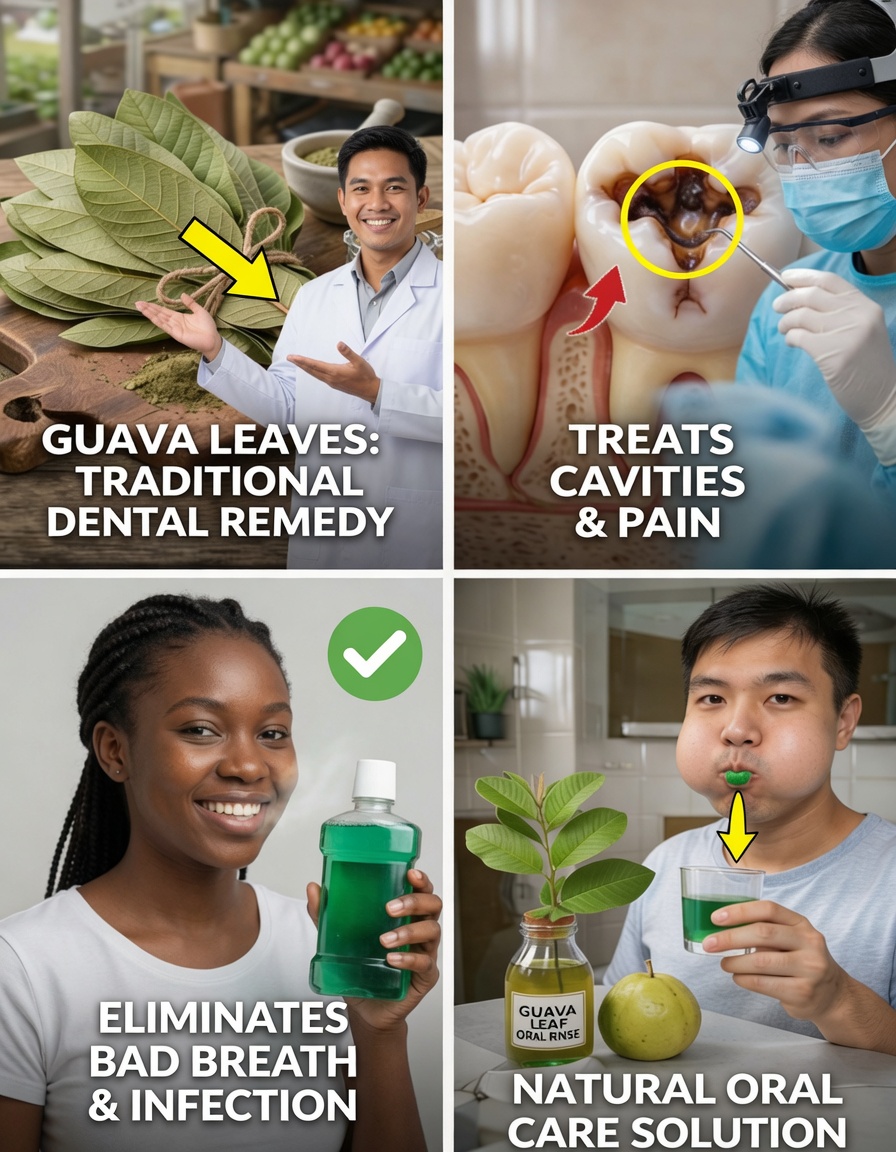
Why Oral Issues Often Stay Quiet Until They Escalate
Cavities and gum irritation usually don’t start with obvious pain. More often, they show up as subtle hints:
- Plaque that returns quickly
- Breath that lingers after meals
- Occasional bleeding during flossing
- Slight gum discomfort or sensitivity
It’s easy to assume brushing and flossing alone cover everything. In reality, good oral health also depends on keeping a balanced mouth environment—one where bacteria are less likely to thrive and where saliva can do its job washing away debris and acids.
That’s where supportive habits—like traditional plant-based rinses—can complement your routine.
What Makes Guava Leaves Notable in Traditional Oral Care
Across parts of Asia, Africa, and Latin America, guava leaves have been used for generations in everyday wellness routines, including mouth care. They contain several plant compounds that are frequently discussed in general research related to bacteria and inflammation.
Key compounds commonly mentioned include:
- Flavonoids: antioxidant compounds that may help limit bacterial activity
- Tannins: known for an astringent feel that can make gums feel “tighter”
- Aromatic plant compounds: contribute to a cleaner, fresher mouthfeel
These practices are not a replacement for professional dental care, fluoride, or daily brushing and flossing. However, some research (including work cataloged through sources like the National Institutes of Health) suggests guava leaf extracts may support oral hygiene in complementary ways. If you have ongoing gum issues, always check with a dental professional.
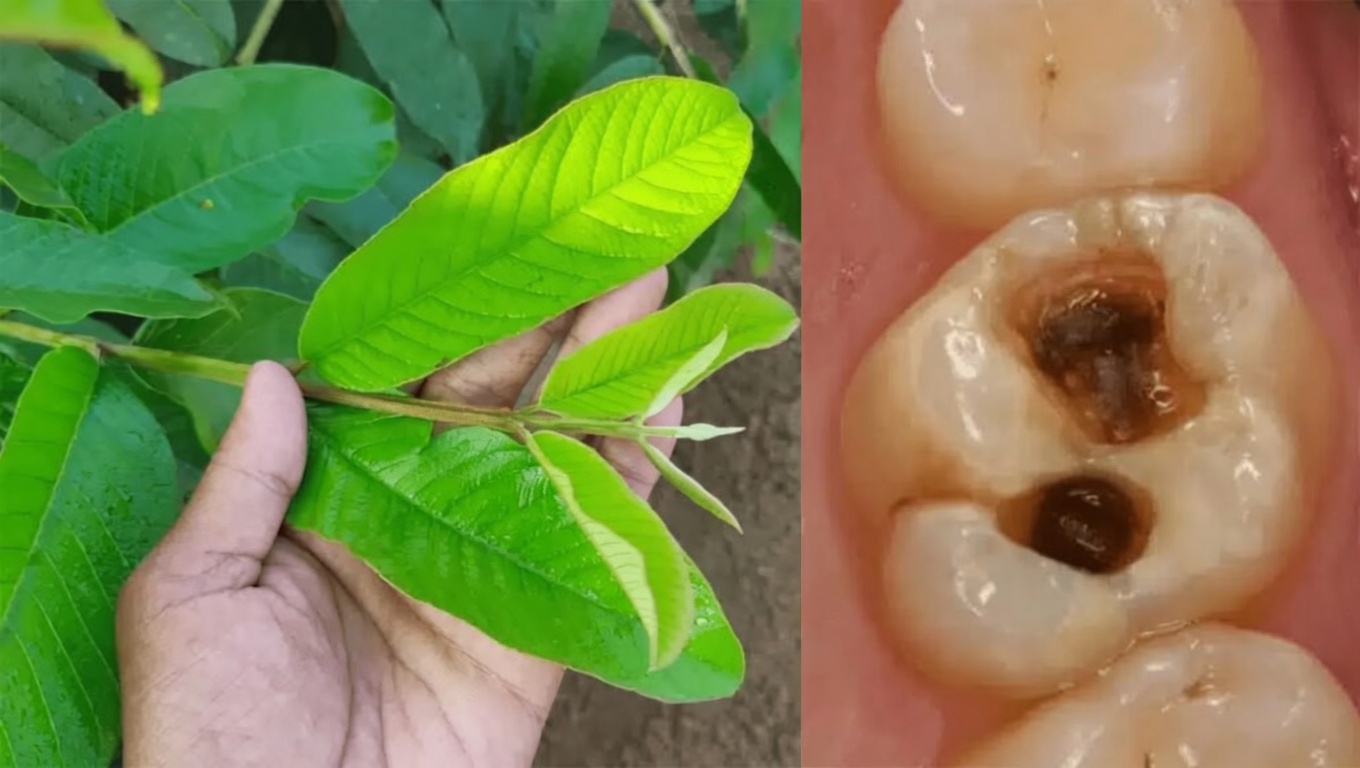
Method 1: Chew Fresh Guava Leaves After Meals
After eating, small food particles can linger—especially if you can’t brush right away. One traditional approach is chewing tender guava leaves to freshen the mouth and stimulate saliva.
How to do it:
- Choose 2–3 young, soft guava leaves from a clean, trusted source.
- Rinse thoroughly under running water.
- Chew slowly for 3–5 minutes, letting the juices mix with saliva.
- Spit out the fibers.
- Rinse your mouth with plain water.
Why people like it: it’s quick, doesn’t require tools, and saliva stimulation can help clear residue naturally.
Suggested frequency: 2–3 times per week (moderation is best, especially if you’re sensitive).
Method 2: Make a Guava Leaf Mouth Rinse (Gentle, Routine-Friendly)
If chewing leaves doesn’t appeal to you, a guava leaf rinse is often the more comfortable option—especially for people who dislike strong commercial mouthwashes.
How to prepare it:
- Wash 5–7 fresh guava leaves.
- Boil in 1 cup of water for 10–12 minutes.
- Strain the liquid and let it cool to lukewarm.
- Swish for 30–60 seconds, then spit out.
Many people choose this method because it feels soothing and doesn’t have the “sting” some mouthwashes cause.
- Store in the refrigerator for up to 3 days.
- Do not swallow it.
Method 3: Guava Leaf + Salt Paste for Targeted Support
For areas that feel more plaque-prone or slightly uncomfortable, a targeted paste is another traditional-style approach.
How to make and use it:
- Wash 4–5 guava leaves.
- Crush into a paste (mortar, blender, or by hand if needed).
- Mix in a small pinch of salt.
- Apply gently using a clean finger or a very soft brush.
- Leave on for 5 minutes, then rinse thoroughly.
The salt adds a “cleansing” feel, while the leaves provide a fresh herbal effect.
Suggested frequency: 1–2 times per week (avoid daily use, especially if gums are sensitive).
9 Potential Benefits People Associate with Guava Leaves
These points reflect general research themes and user experiences—not guaranteed results. Think of them as possible supportive effects:
- A cleaner, fresher mouthfeel after meals
- A mild tightening sensation on gums (often linked to tannins)
- Helping create less plaque-friendly conditions (some studies discuss bacterial inhibition)
- Increased saliva flow, which helps clear debris and acids
- More confidence in close conversations
- Easier consistency because the methods are simple
- Some users report needing fewer mints after lunch (for example, “Mark, 52”)
- Others say rinsing made flossing feel more comfortable (for example, “Diana, 67”)
- A stronger sense of control and motivation around oral habits
The Often-Missed Step: Time Your Plain Water Rinse
A small habit can make guava-leaf use feel noticeably gentler:
- Rinse with plain water 20–30 minutes after using guava leaves, especially if you plan to brush afterward.
Why this timing matters: plant materials can introduce mild acids. Waiting gives your mouth time to rebalance, helping you avoid brushing too soon in a way that could be less enamel-friendly. Many people skip this pause, but it can make the routine easier to maintain long-term.
A Simple Weekly Plan You Can Actually Follow
Keep it realistic and adjustable:
- Daily: brush and floss as normal
- 2–3 times weekly: chew leaves after meals (optional)
- Daily or every other day: use the guava leaf rinse (often in the evening)
- Once weekly: apply the leaf + salt paste for targeted areas
- After guava use: wait, then do a plain water rinse (20–30 minutes later)
Start light and adjust based on comfort.
Safety Tips and Smart Use Guidelines
To keep things safe and practical:
- Use leaves from trusted, pesticide-free sources.
- Stop immediately if irritation, burning, or swelling occurs.
- Avoid use if you have a known guava plant allergy.
- Keep up with regular dental checkups—these methods support habits but don’t replace professional care.
Quick Reference: Guava Leaf Compounds and Their Roles
| Component | Commonly Known For | How It May Support Oral Habits |
|---|---|---|
| Flavonoids | Antioxidant activity | May help limit bacterial growth |
| Tannins | Astringent sensation | May create a “tighter gum” feel |
| Aromatic compounds | Herbal freshness | Can improve freshness perception |
| Warm-water extraction | Gentle delivery | Often suits sensitive routines |
Quick Reference: Methods, Frequency, and Notes
| Method | How Often | Who It May Fit Best | Safety Notes |
|---|---|---|---|
| Chewing fresh leaves | 2–3x/week | Busy schedules | Use young leaves; stop if sensitive |
| Guava leaf rinse | Daily / alternate days | Sensitive mouths | Refrigerate; don’t swallow |
| Leaf + salt paste | 1–2x/week | Targeted care | Avoid daily; rinse thoroughly |
| Plain water rinse timing | After use | Everyone | Wait 20–30 minutes for enamel-friendly timing |
Final Thoughts: Small Habits That Support Long-Term Oral Wellness
Adding guava leaves to your oral care routine can be a simple, natural way to support freshness and consistency—without making your day more complicated.
Pick just one method, try it for a week, and observe how your mouth feels. Small routines are often the easiest to maintain—and the most likely to stick.
Frequently Asked Questions (FAQ)
What if I can’t find fresh guava leaves?
You can often use dried guava leaves from reputable sources for rinses. Follow the package guidance for boiling and dosage.
Can children use guava leaves for oral care?
This is generally better suited for adults. For children, consult a pediatric dentist before adding herbal rinses or chewing leaves.
How do guava leaves compare with commercial mouthwash?
Guava leaves are a natural alternative some people prefer for a milder feel, but they don’t replace fluoride products, dental cleanings, or dentist-recommended treatments—especially for gum disease or cavities.