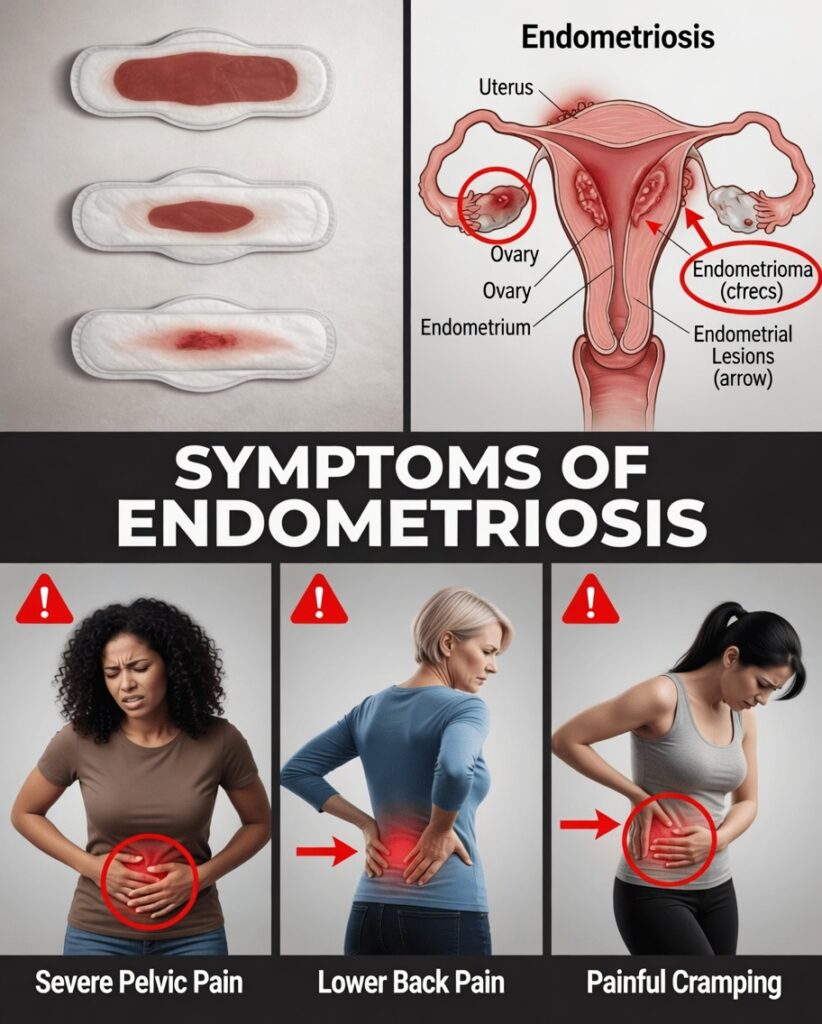
Endometriosis: When “Normal Period Pain” Might Be a Warning Sign
Many women deal with monthly issues such as cramps, bloating, or low energy and assume it’s simply part of everyday life. However, when those symptoms become intense, persistent, or start interfering with work, relationships, and well-being, they may signal something more serious—like endometriosis, a condition affecting millions globally.
Endometriosis is frequently missed because it can look like PMS, digestive trouble, or general stress. That delay often means years of avoidable discomfort. The good news: your body usually leaves patterns and clues. Stay with this guide—at the end, you’ll find a simple tracking method that can improve how you communicate with a healthcare professional.
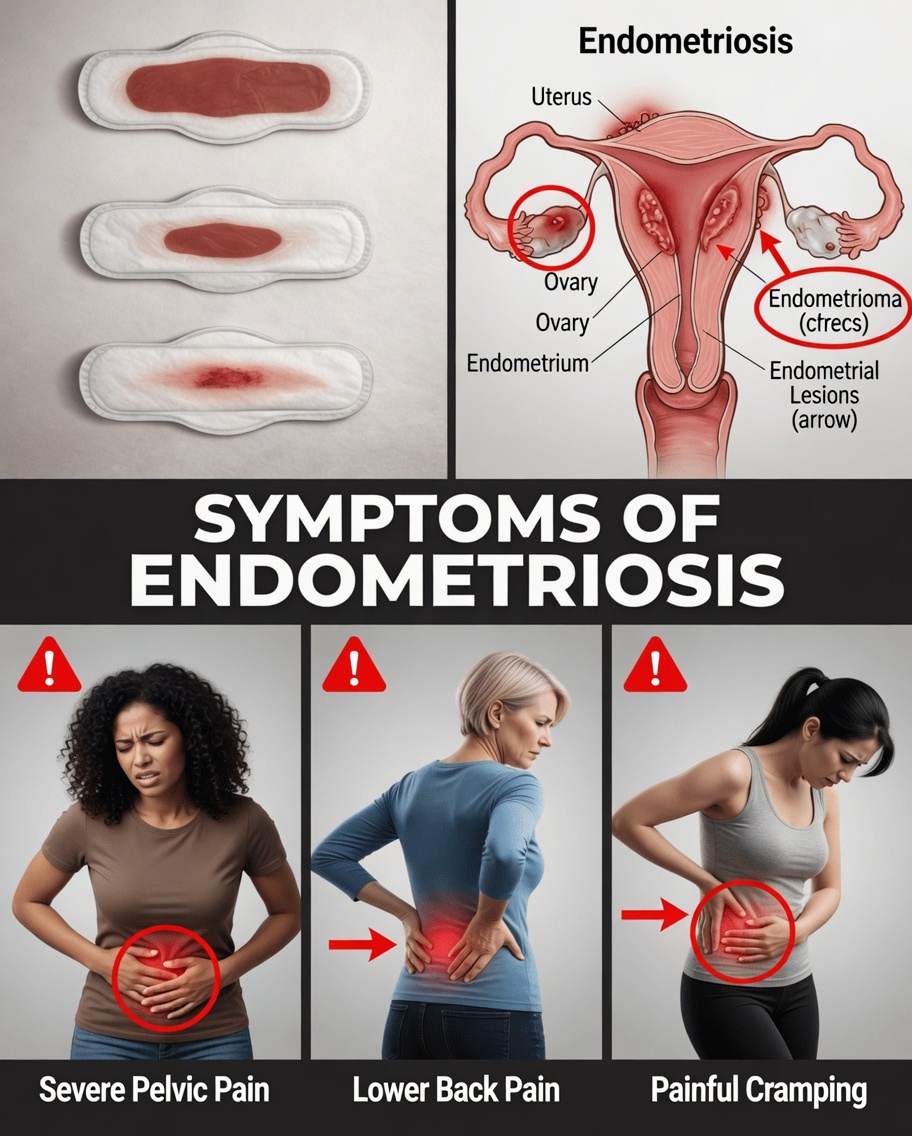
Why Endometriosis Symptoms Are Often Missed
Endometriosis happens when tissue similar to the uterine lining grows outside the uterus. This misplaced tissue can trigger inflammation, scarring, and pain. Major medical references (including the Mayo Clinic) estimate it affects around 10% of women of reproductive age, and yet the average time to diagnosis is often 7–10 years.
There are a few reasons this condition is overlooked:
- Symptoms overlap with “common” problems like PMS, IBS-like digestive changes, and routine pelvic discomfort.
- Many women are taught to normalize pain, believing it’s just “how periods are.”
- Pain may start only during periods and gradually become more frequent or constant over time (as noted by Cleveland Clinic resources).
Early recognition can make daily life easier and can help guide the right conversations and testing. Below are 13 warning signs, starting with the most common.
13 Warning Signs of Endometriosis (From Common to Rare)
13. Severe Period Cramps That Disrupt Daily Life
Cramping that starts before bleeding begins, intensifies quickly, and lasts for several days may be more than typical period discomfort—especially if it causes you to miss school, work, or social plans.
This symptom is often described as debilitating pelvic pain, sometimes paired with lower back or abdominal aches. If standard pain relief doesn’t touch it, that’s worth noting.
12. Pelvic Pain Outside Your Period
Pain that continues beyond menstruation—such as a steady ache in the pelvis, lower abdomen, or back—may reflect ongoing inflammation rather than a cycle-only issue.
Chronic discomfort that gradually becomes part of your routine isn’t something you should have to “push through.”
11. Pain During or After Sex
Deep pain during intercourse, or soreness afterward, can be a major (and commonly underreported) sign. It may feel sharp, pressured, or like a deep internal pulling sensation.
Scar tissue and adhesions are often linked to this symptom, and it can affect intimacy and relationships over time.
10. Heavy or Longer-Than-Usual Periods
Some women with endometriosis report:
- Very heavy bleeding
- Periods that last longer than expected
- Large clots
- Spotting between cycles
If you are changing pads or tampons unusually often, or bleeding patterns are clearly shifting, that’s an important detail to track.
9. Painful Bowel Movements or Urination (Especially During Your Period)
Bathroom-related discomfort that peaks around your period can be a key clue, including:
- Pain with bowel movements
- Constipation or diarrhea that flares cyclically
- Urinary urgency or pain
- Rarely, blood in stool or urine during menstruation
When endometriosis affects nearby pelvic organs, symptoms often follow a cycle-related pattern.
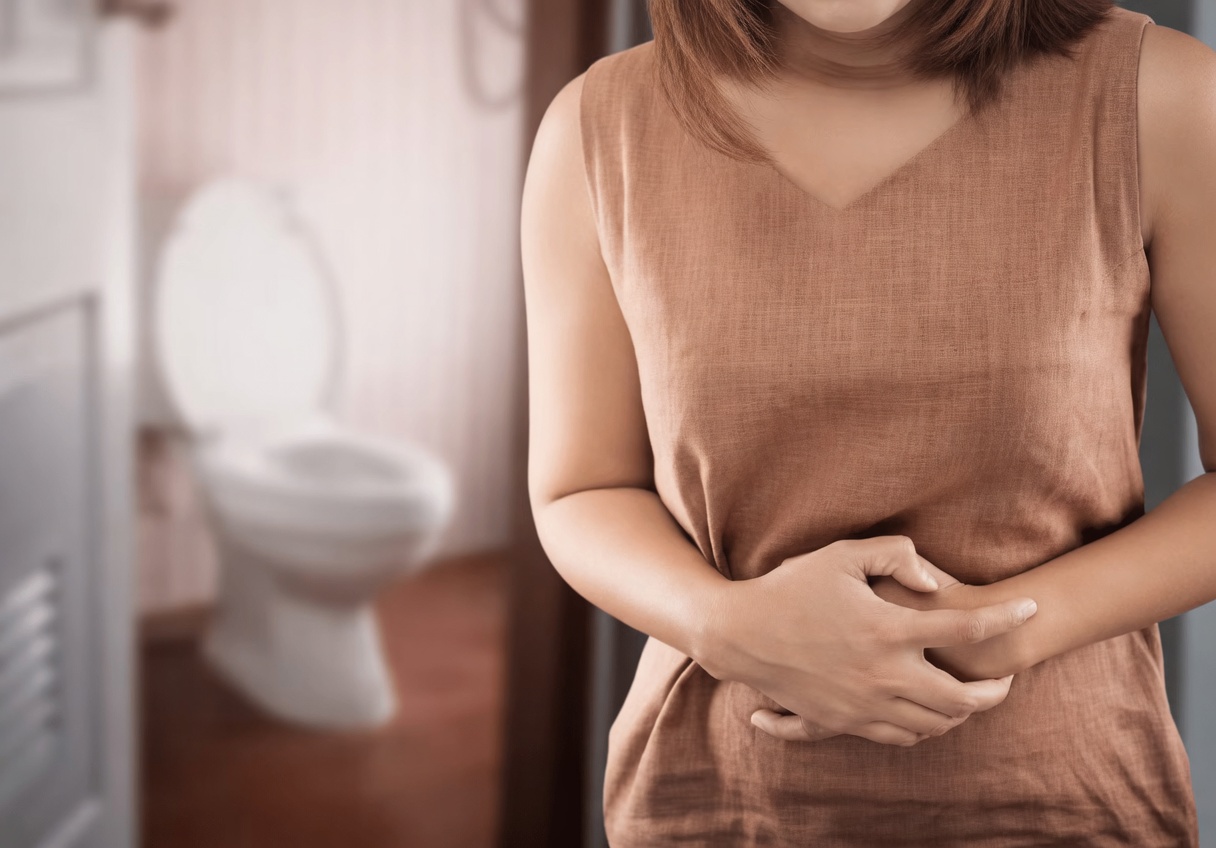
8. Fatigue That Doesn’t Improve With Rest
Extreme tiredness isn’t just “being busy.” Many women report:
- Ongoing exhaustion
- Low stamina
- Brain fog (especially around periods)
Chronic inflammation and pain can drain energy even when you’re sleeping enough.
7. Bloating, Nausea, and Digestive Upset
Endometriosis can mimic digestive disorders, leading to:
- Abdominal bloating (sometimes severe)
- Nausea
- Stomach discomfort that worsens before or during menstruation
If digestive symptoms consistently track your cycle, it may not be “just something you ate.”
6. Difficulty Getting Pregnant
Endometriosis is strongly associated with fertility challenges. Estimates vary, but a significant portion of women with endometriosis experience difficulty conceiving due to inflammation, scarring, or anatomical changes.
If pregnancy isn’t happening after 6–12 months of trying (or sooner if you’re older or have strong symptoms), it may be time to explore deeper causes.
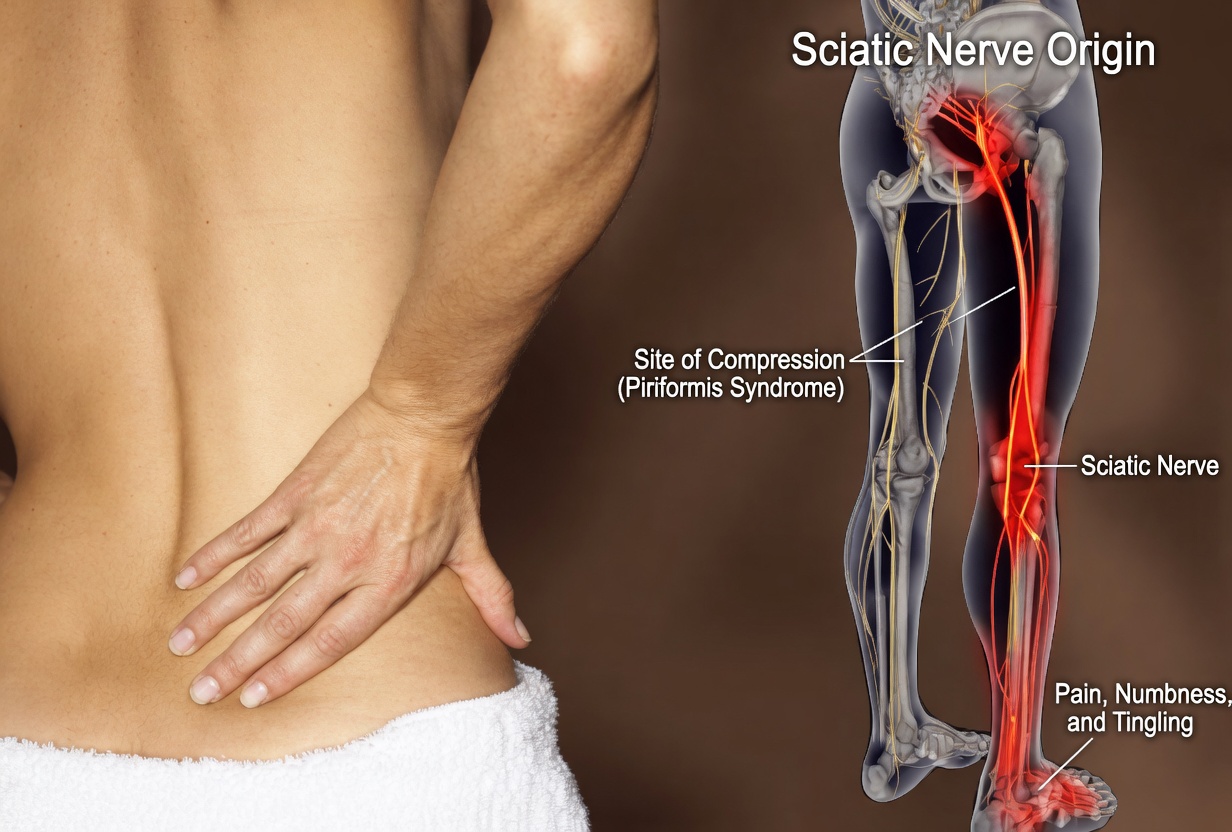
5. Pain That Spreads to the Back, Hips, or Legs
Pain doesn’t always stay in the pelvis. Some women experience:
- Lower back pain
- Hip pain
- Thigh or leg pain that can resemble sciatica
This may relate to inflammation and nerve involvement in the pelvic region.
4. Spotting or Unpredictable Bleeding
Unexpected bleeding between periods can reflect hormonal disruption or irritation from endometrial-like tissue.
Even if it’s “light,” irregular spotting is meaningful when it repeats.
3. Mood Changes Like Anxiety, Irritability, or Low Mood
Chronic pain and inflammation can take a serious emotional toll. Many women report mood symptoms that feel cycle-linked, including:
- Irritability
- Anxiety
- Low mood or depressive symptoms
These changes can be intensified by feeling dismissed or misunderstood.
2. Rare Symptoms Like Chest Pain or Breathing Issues
In uncommon cases (such as thoracic endometriosis), symptoms may involve:
- Chest pain
- Shortness of breath
- Coughing blood (rare but urgent)
These symptoms are unusual but important to recognize—especially if they appear cyclically.
1. Symptoms That Gradually Worsen and Begin to Control Your Life
One of the biggest red flags is progression: symptoms become more frequent, stronger, and more disruptive. Many women later realize there were patterns they minimized for years.
If multiple signs on this list match your experience, it’s a strong signal to seek evaluation.
Quick Reference: Common Symptoms and When to Watch for Them
- Severe cramps — often before/during periods; watch if daily life is interrupted
- Chronic pelvic pain — can occur anytime; watch if persistent or increasing
- Pain with sex — during/after; watch if it affects intimacy or relationships
- Heavy bleeding — during periods; watch if frequent changes/clots occur
- Painful bowel/urinary symptoms — around periods; watch for cycle-linked discomfort
- Extreme fatigue — ongoing; watch if exhaustion is unexplained
- Bloating/nausea — around periods; watch if severe or frequent
- Difficulty conceiving — ongoing; watch after 6–12 months trying (or sooner if advised)
- Back/leg pain — during periods or constant; watch if pain radiates
- Irregular spotting — between periods; watch for repeated unexpected bleeding
- Mood changes — cycle-linked; watch for significant emotional impact
- Chest-related symptoms — rare; watch for unusual cyclic breathing/chest issues
- Overall worsening — over time; watch if life becomes increasingly restricted
This overview aligns with guidance commonly referenced by sources such as the Mayo Clinic and Cleveland Clinic.
Practical Steps If These Signs Sound Familiar
Noticing patterns is the most useful starting point. Here are realistic next steps:
- Track symptoms consistently: Record timing, intensity, triggers, and what helps (or doesn’t). Include bleeding changes, bowel/urinary symptoms, and fatigue.
- Book an appointment with a gynecologist: Bring your notes and ask about evaluation options such as pelvic exam, ultrasound, MRI, or referral to an endometriosis specialist.
- Use safe comfort strategies: Heat packs, gentle movement, and rest may help day-to-day—confirm what’s appropriate with your clinician, especially if symptoms are severe.
- Find support: Online or local communities can reduce isolation and share practical coping strategies.
Actionable Checklist: A Simple Tracking Method That Helps
- Start a daily symptom diary today (paper or app).
- Rate pain each day on a 1–10 scale, and note location (pelvis, back, legs).
- Log bleeding details (spotting, clots, duration, heaviness).
- Track digestive and urinary symptoms and whether they spike around menstruation.
- Bring your records to medical visits to support clearer, faster discussions.
Final Reminder: Take Your Body’s Signals Seriously
Severe cramps, ongoing pelvic pain, fatigue, digestive flares, and fertility challenges are not “just part of being a woman” when they consistently interfere with life. If your symptoms match several of these warning signs—especially if they are worsening—tracking them carefully and speaking with a qualified professional can be a pivotal step toward answers and relief.