

Guava Leaves for Midlife Wellness: A Simple Herbal Habit With Everyday Benefits
As people enter their 40s and later years, it is common to notice more digestive upset, tiredness after eating, or visible changes in the skin. These small but persistent issues can gradually affect how energetic and balanced you feel, leading many to look for natural, easy ways to support overall well-being without adding complicated steps to their day. One surprisingly practical option may come from the leaves of a familiar tropical plant that is widely available in fresh and dried form.
In this guide, we’ll look at how guava leaves may support wellness during midlife and beyond. Stay with us through the end for a useful preparation idea that brings many of these benefits together into one simple daily ritual.
Why Guava Leaves Matter for Adults Over 40
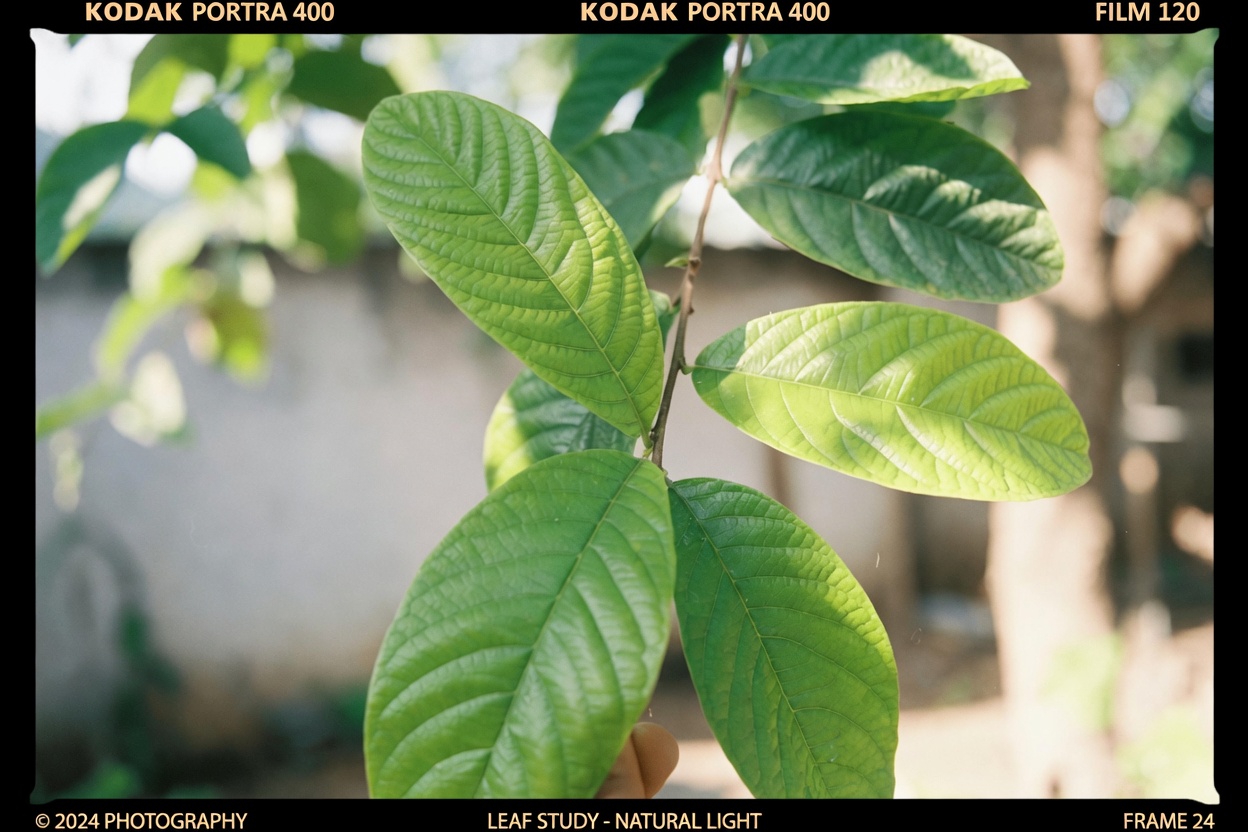
Guava leaves come from the Psidium guajava tree and have a long history of traditional use in many cultures. They contain several plant compounds of interest, including flavonoids such as quercetin, tannins, and other polyphenols. These natural substances have been studied for their antioxidant potential, which may help the body handle everyday oxidative stress.
That broader antioxidant support is one reason guava leaves are gaining attention, but there are several other possible benefits worth exploring for adults navigating the changes of midlife.
Antioxidant Support for Everyday Vitality
Research suggests that guava leaves are rich in antioxidants. These compounds may help reduce the impact of free radicals, which are associated with the normal aging process.
For many people over 40, accumulated stress, environmental exposure, and changing metabolism can influence both energy and skin appearance. Adding antioxidant-rich choices such as guava leaf tea may be one gentle way to support the body’s natural protective systems.
Simple starting point:
- Steep 8 to 10 dried guava leaves in hot water for about 10 minutes.
Natural Support for Digestive Comfort
Digestive discomfort, occasional bloating, and irregularity often become more noticeable with age. Guava leaves have traditionally been used to promote digestive wellness, and some studies suggest they may offer soothing and antispasmodic properties.
A review of available research has noted that guava leaf extracts may help ease certain digestive concerns in traditional and experimental settings.
Helpful habits to pair with guava leaf tea:
- Drink it between meals
- Eat a diet rich in fiber
- Stay well hydrated throughout the day
Post-Meal Blood Sugar Support
Keeping energy steady is especially important in midlife. Some human and animal studies indicate that guava leaf extract may help slow the enzymes involved in breaking down carbohydrates. This may support healthier blood sugar responses after meals.
A 2010 review pointed to encouraging effects related to insulin sensitivity in certain research models. More studies are still needed, but guava leaf tea may be a useful addition to a balanced diet and healthy lifestyle.
Quick self-check:
- Notice how you feel 1 to 2 hours after eating.
- Tracking your energy and appetite patterns can help you evaluate whether supportive habits are working.
May Help Encourage a Healthy Inflammatory Response
Inflammation is a normal process in the body, but healthy regulation becomes increasingly important with age. Flavonoids found in guava leaves have been studied for their potential role in influencing inflammatory pathways.
People who include herbal teas in their wellness routines sometimes say they feel more comfortable during daily movement and regular activities when they consistently use supportive plant-based options.
Practical idea:
- Use cooled guava leaf decoction as a compress for occasional minor discomfort.
- Always patch test first before applying it to the skin.
These first few benefits show how one simple plant may support several areas of wellness at once.
Skin Support From the Inside and Outside
After 40, skin may become duller or more prone to occasional blemishes. Guava leaves have drawn interest for topical skin care because of their antioxidant and antimicrobial properties.
Some laboratory studies suggest activity against certain bacteria connected to common skin concerns.
Easy skin routine:
- Boil guava leaves in water
- Let the liquid cool
- Use it as a gentle facial rinse or toner
- Combine it with your current skincare routine
Oral Care and Fresher Breath
Comfortable gums and fresh breath can make a big difference in daily confidence. Guava leaf rinses have been used traditionally for oral hygiene because the leaves contain natural antimicrobial compounds.
Research has also explored their effects on oral bacteria under test conditions, making them an interesting natural option for mouth care routines.
Scalp and Hair Care Support
Some people use guava leaf water as a final rinse after shampooing to help maintain scalp comfort. In traditional use, the vitamins, minerals, and plant compounds in guava leaves are thought to contribute to healthier-looking hair and scalp balance.
Potential Benefits for Heart Health
Cardiovascular wellness becomes a greater focus during midlife. Early research suggests that compounds in guava leaves may help support healthy cholesterol levels and blood pressure already within normal ranges when combined with a nutritious diet and active lifestyle.
Immune Support Through Plant Antioxidants
Guava leaves provide vitamin C and polyphenols, both of which may support normal immune function. This can be especially appealing during seasonal transitions or periods when the body may need extra nutritional support.
A Helpful Addition to Weight Management Habits
Because guava leaf tea may support both digestion and post-meal blood sugar balance, it can fit well into a practical weight management plan. While it is not a shortcut, it may complement sensible eating and regular physical activity.
Guava Leaf Tea Compared With Common Alternatives
| Aspect | Guava Leaf Tea | Common Alternatives |
|---|---|---|
| Cost | Low and budget-friendly | Often more expensive |
| Accessibility | Fresh or dried leaves are easy to find | Usually requires store-bought supplements |
| Daily Use | Easy to turn into a tea ritual | Often comes as pills or powders |
How to Make Guava Leaf Tea Step by Step
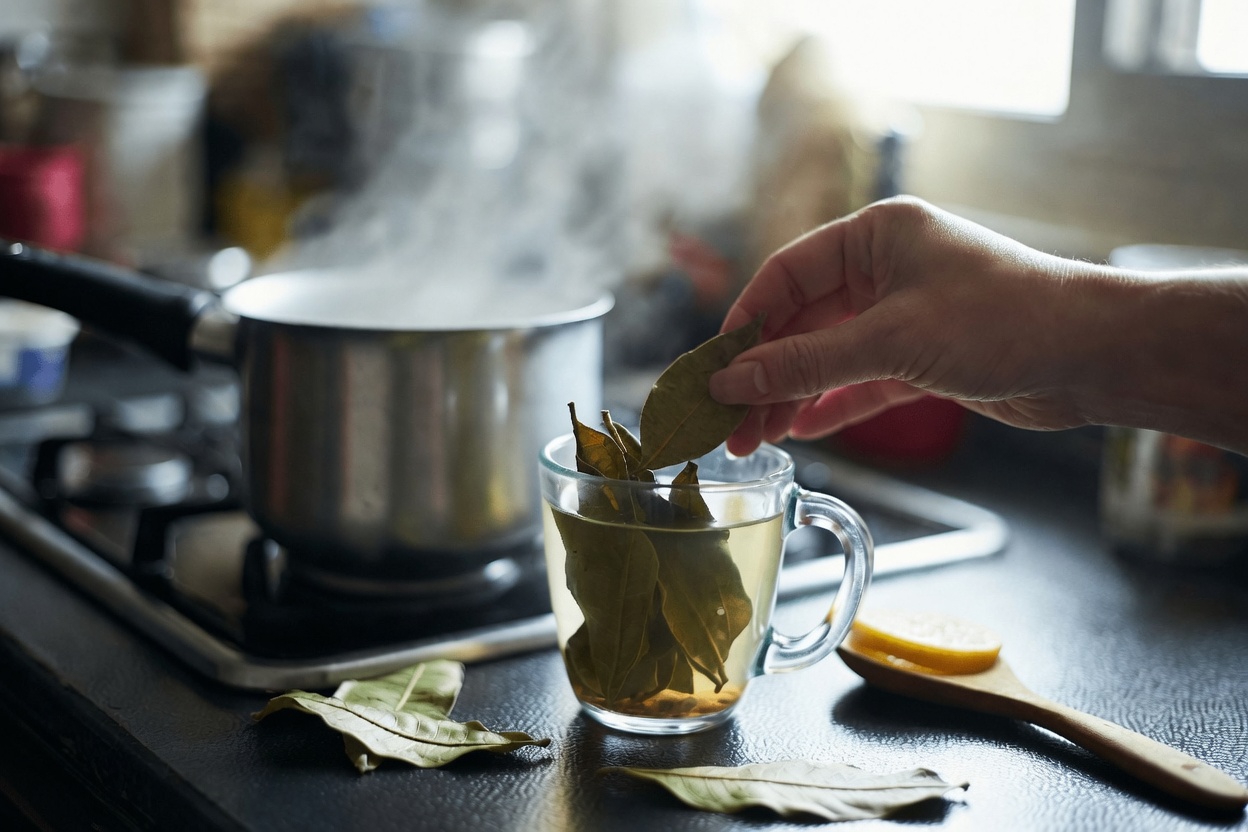
Preparing guava leaf tea at home is simple and does not require special equipment.
- Gather 10 to 12 fresh or dried guava leaves.
- If using fresh leaves, wash them thoroughly.
- Add the leaves to 2 cups of water.
- Boil for 10 to 15 minutes.
- Strain the tea and let it cool slightly.
- Drink 1 to 2 cups a day, ideally after meals or in the evening.
- Begin with a smaller amount to see how your body responds.
Preparation tip:
Add a slice of lemon for better flavor and possibly improved absorption of certain beneficial compounds.
Tips to Get the Most From Guava Leaves
Regular use matters more than occasional use when building any wellness habit. Many people who try guava leaf tea say they notice subtle changes after about 2 to 4 weeks of steady use.
You can also vary how you use the leaves:
- Brew them as tea for internal support
- Cool the liquid for use as a skin or hair rinse
- Make a diluted crushed leaf paste for topical use
How People Commonly Use Guava Leaves in Daily Life
Personal experiences differ, but common routines include:
- Drinking guava leaf tea in the morning to support digestion
- Enjoying it in the evening as a calming herbal drink
- Using cooled guava leaf water as a facial rinse
- Applying it as a post-shampoo scalp rinse
Conclusion: A Small Habit With Meaningful Potential
Guava leaves are a traditional, affordable, and easy-to-use herbal option that fits well with modern natural wellness habits. Thanks to their antioxidant-rich profile and other supportive plant compounds, they may be especially useful for adults managing the everyday shifts that come with midlife.
If you want to try one simple change, start with a cup of guava leaf tea and pay attention to how you feel over the next few weeks.
FAQ
How can I make guava leaf tea at home?
Boil 8 to 12 clean guava leaves in water for around 10 minutes, then strain and drink. You can use either fresh or dried leaves from a trusted source.
Is guava leaf tea okay for daily use?
For most healthy adults, moderate use appears to be well tolerated. Still, it is best to begin slowly and speak with your doctor if you have medical conditions or take medications.
How soon might I notice results?
This depends on the person and their lifestyle. Some people report changes in digestion or energy within 1 to 4 weeks of consistent use.
Important Notice
This article is provided for informational purposes only and should not be considered medical advice. Guava leaves are not a replacement for professional healthcare. Speak with your healthcare provider before adding any new herb or supplement to your routine, especially if you are pregnant, breastfeeding, have an existing health condition, or take medications. Individual responses can vary, and allergies are also possible.