

Everyday Medications That May Affect Kidney Health
Many people take an over-the-counter pill for headaches, heartburn, or cold symptoms without giving it a second thought. In most cases, the goal is simple: quick relief. However, some commonly used medications can quietly place extra pressure on the kidneys over time, especially when they are taken often or when risk factors such as older age, dehydration, or high blood pressure are involved.
The encouraging part is that knowledge can go a long way. With a few smart habits and better awareness, it is possible to protect kidney health while still using medications responsibly. What many people do not realize, though, is why these products continue to sell so widely despite these concerns. The answer is more nuanced than it seems.
How Common Pills Can Affect Kidney Function
The kidneys are constantly at work. They remove waste, regulate fluid levels, and help control blood pressure. Certain medications can interfere with these processes by reducing kidney blood flow, encouraging mineral deposits, or causing inflammation in delicate kidney tissue.
According to findings referenced by the National Kidney Foundation and the National Institute of Diabetes and Digestive and Kidney Diseases (NIDDK), the risk tends to rise with long-term use, higher doses, and individual health conditions. In other words, the effect is not the same for everyone. Duration, dosage, and personal medical history all matter.
Understanding these details helps people make informed decisions without unnecessary fear.
8 Common Pills to Know About
Below are eight widely used medications that have been associated with possible kidney-related concerns when taken regularly. These drugs remain available because they provide real benefits for millions of people, especially when used correctly and for short periods.
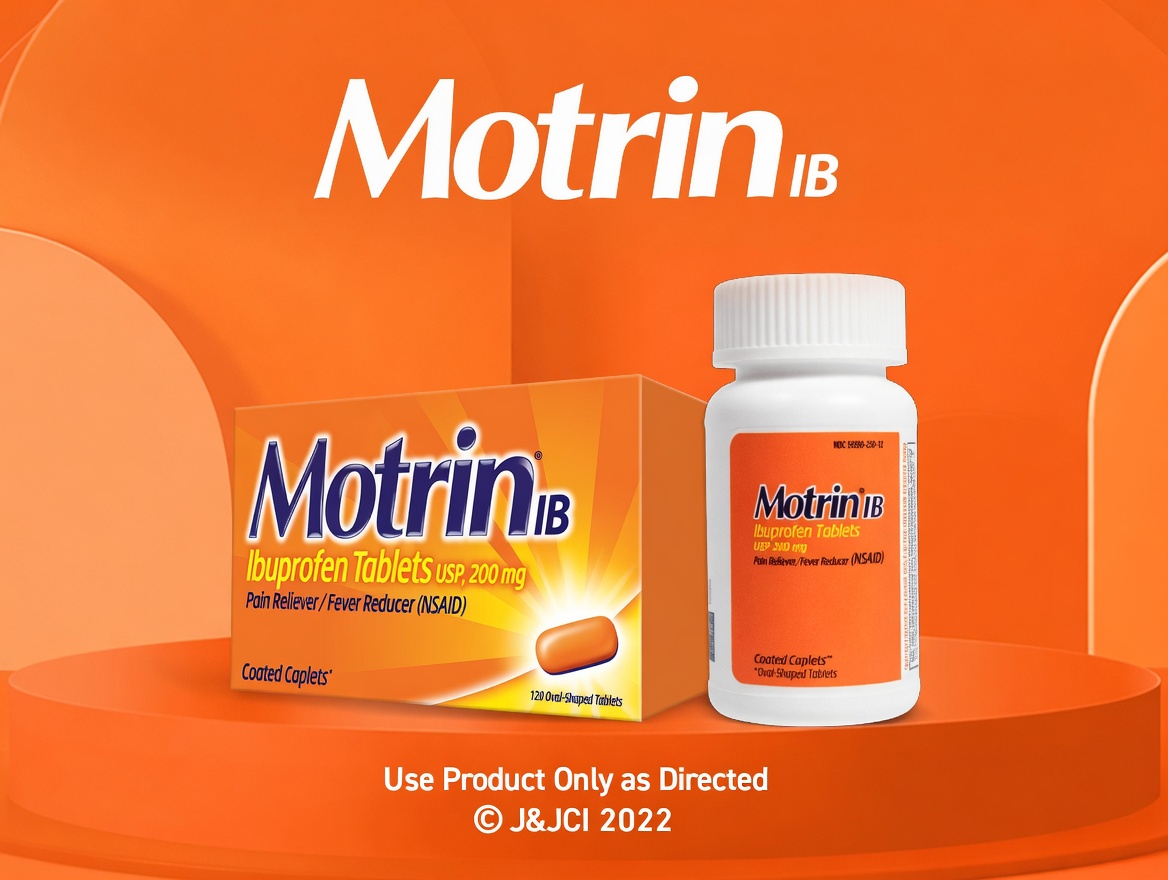
1. Ibuprofen (Advil, Motrin)
Ibuprofen is a popular NSAID used to relieve pain and reduce inflammation from headaches, muscle soreness, and menstrual cramps. In some situations, it can lower blood flow to the kidneys, particularly in people who are dehydrated or taking it frequently over time.
For healthy adults, short-term use is often tolerated well. Still, repeated or prolonged use may deserve extra caution.
2. Naproxen (Aleve)
Naproxen is another NSAID found in many homes and is commonly used for longer-lasting relief from arthritis, back pain, and other persistent discomforts. Like ibuprofen, it may affect the kidneys’ ability to filter efficiently if used regularly.
People who already have blood pressure issues may need to be especially careful.
3. Aspirin (When Used Frequently or at Higher Doses)
Low-dose aspirin is commonly recommended for certain heart-related conditions, but higher doses taken regularly for pain may have kidney effects similar to other NSAIDs. Occasional use is not usually a major problem for most healthy adults, but daily use should be reviewed with a healthcare professional.
4. Omeprazole (Prilosec OTC)
Omeprazole belongs to a class of drugs called proton pump inhibitors, or PPIs. It is widely used for heartburn and acid reflux. Some long-term studies have suggested a possible connection between ongoing PPI use and changes in kidney function in certain individuals.
Its popularity remains high because it often provides strong symptom relief when standard antacids are not enough.
5. Esomeprazole (Nexium 24HR)
Esomeprazole is closely related to omeprazole and is another go-to option for reflux and persistent acid-related discomfort. It works well for many users, but long-term use may justify periodic monitoring, especially in people with other health risks.
6. Lansoprazole (Prevacid 24HR)
Lansoprazole is also a PPI and is commonly used for ulcers and reflux. It is valued for its effectiveness, yet the same general long-term kidney considerations seen with similar acid-reducing medications may apply here as well.
7. Pseudoephedrine (Sudafed)
Pseudoephedrine is a decongestant that helps open blocked nasal passages during colds and allergies. One concern is that it can temporarily increase blood pressure, which may add strain to the kidneys in susceptible individuals.
That is one reason it is often kept behind the pharmacy counter, even though it remains easy to obtain in many places.
8. Certain Combination Cold and Flu Pills
Many all-in-one cold and flu formulas combine ingredients such as NSAIDs, decongestants, and other symptom relievers. During illness, when dehydration is already common, this combination may increase the workload on the kidneys.
These products remain extremely popular because one pill can address multiple symptoms at once.
Why These Medications Are Still Sold So Widely
A common question is: if these drugs have known risks, why are they still everywhere?
The answer lies in risk versus benefit. Health regulators evaluate extensive safety data before allowing these products on the market. For the vast majority of healthy adults who use them occasionally and according to the label, these medications provide meaningful relief without causing complications.
They also remain widely available because:
- They are effective for common conditions
- They are often affordable
- Alternatives may not work as well for everyone
- Clear warning labels help guide safe use
The system depends heavily on education. That is why doctors and pharmacists consistently remind people to read labels carefully and ask questions when needed.
Signs Your Body May Need Attention
Sometimes the body gives subtle clues that something is off. Watch for signs such as:
- Unusual tiredness
- Swelling in the ankles or feet
- Changes in urine color
- Urinating more or less often than usual
- Higher blood pressure readings at home
If you notice any of these symptoms, checking in with your doctor can be a smart and reassuring next step.
Practical Ways to Protect Your Kidneys While Using Common Medications
You do not necessarily need to avoid these medications completely. What matters most is how you use them. The following habits can help reduce unnecessary kidney stress:
-
Stay well hydrated
- Drink enough water when taking these medications, especially in hot weather, during illness, or after exercise.
-
Use the lowest effective dose
- Follow package directions and avoid taking more than needed or using a medication longer than recommended.
-
Review all medications together
- Bring prescription drugs, over-the-counter products, and supplements to your next medical appointment so your provider can spot possible risks or interactions.
-
Consider safer alternatives when appropriate
- Acetaminophen may be a better option for occasional pain relief in some cases.
- Saline sprays or rinses can sometimes relieve nasal congestion without the effects of decongestants.
-
Keep up with routine health checks
- Simple blood and urine tests can help monitor kidney function before problems become serious.
Small lifestyle choices can help too. When approved by your doctor, eating potassium-rich foods and keeping blood pressure under control may provide added protection.

Quick Comparison Table
The table below offers a simple overview of these medications, their main use, possible kidney concern, and a potential alternative to discuss with your healthcare provider.
| Pill | Main Use | Possible Kidney Consideration | Smarter Alternative Idea |
|---|---|---|---|
| Ibuprofen | Pain and inflammation | Reduced kidney blood flow with frequent or long-term use | Acetaminophen for short-term pain |
| Naproxen | Longer-lasting pain relief | Similar kidney effects to ibuprofen | Topical pain creams for joint discomfort |
| Aspirin (high dose) | Pain relief or heart support | May affect kidney blood flow at regular higher doses | Use low-dose aspirin only under medical guidance |
| Omeprazole | Heartburn | Possible effects linked to long-term acid suppression | Lifestyle changes such as smaller meals |
| Esomeprazole | Acid reflux | Similar long-term PPI concerns | H2 blockers for milder symptoms |
| Lansoprazole | Ulcers and reflux | May require monitoring with extended use | Raising the head of the bed at night |
| Pseudoephedrine | Nasal congestion | Temporary rise in blood pressure | Saline rinses or humidifiers |
| Combination cold pills | Multi-symptom relief | Multiple active ingredients may increase kidney strain | Single-ingredient products |
Everyday Habits That Support Kidney Health
Medication is only part of the picture. Daily routines also make a meaningful difference. To support healthy kidneys over time, focus on:
- Eating balanced meals
- Staying physically active
- Managing stress
- Drinking enough fluids
- Monitoring blood pressure
- Using medicine with intention rather than out of habit
These steps can improve overall wellness and help reduce the need for frequent medication use.
Final Thoughts: Awareness Is the Best Protection
The eight medications listed above are popular for a reason: they genuinely help with common problems like pain, acid reflux, and congestion. That is exactly why they continue to be staples in pharmacies and home medicine cabinets.
The key is not fear, but informed use. By understanding how these drugs may affect the kidneys, following label directions, and combining them with healthy habits, you can make safer choices. Honest conversations with your doctor and attention to your body’s signals remain your strongest tools.
FAQ
Can occasional use of these medications cause permanent kidney damage?
For most healthy adults, short-term use as directed is usually well tolerated, according to NIDDK guidance. The greater concern is frequent, long-term, or high-dose use, especially in people with existing risk factors.
What if I already have mild kidney issues?
If you have any degree of kidney concern, talk to your healthcare provider before starting, stopping, or regularly using these medications. They may recommend a different dose, closer monitoring, or safer alternatives based on your specific health needs.