Why Do Hard-Boiled Eggs Get a Green Ring?
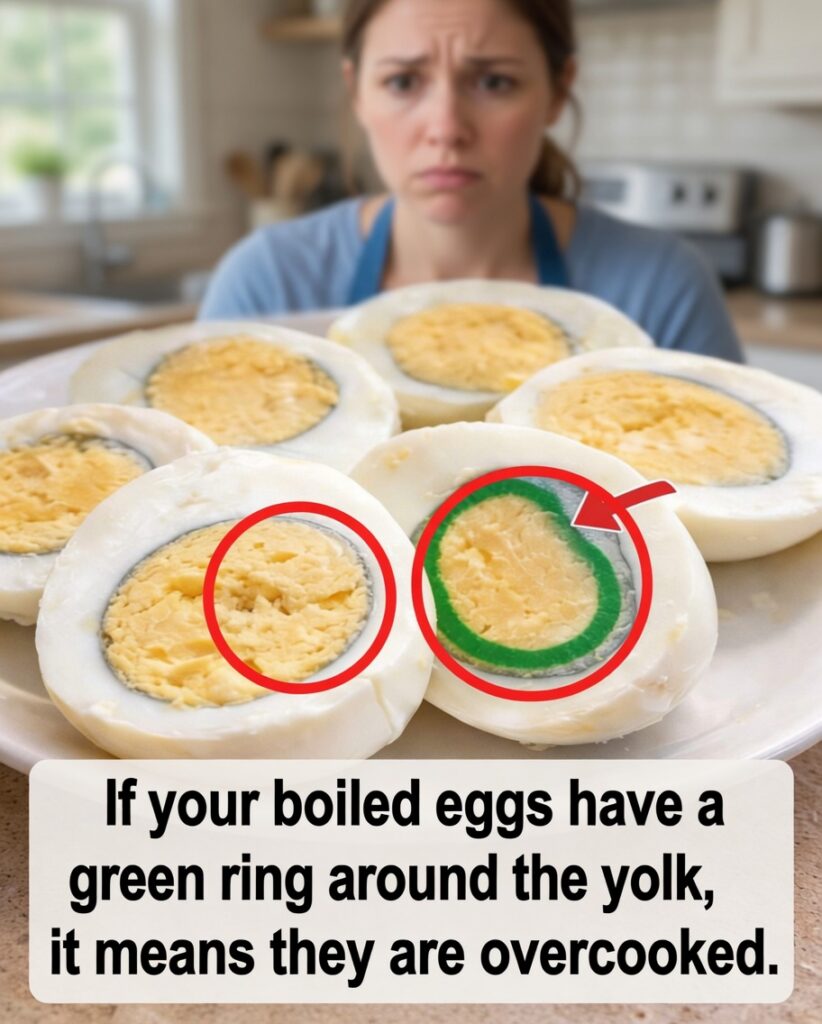
Peeling a hard-boiled egg and finding a greenish-gray ring around the yolk can feel like a letdown—especially if you’re making a snack plate, salad, or deviled eggs and want that bright, sunny center. It’s easy to assume the egg is spoiled or that you “messed up” the boil.
The reality is much simpler: the green ring is a common cooking reaction, not a freshness or safety problem. Once you understand why it happens, you can prevent it consistently—and get better-looking eggs every time.
What Actually Causes the Greenish-Gray Ring?
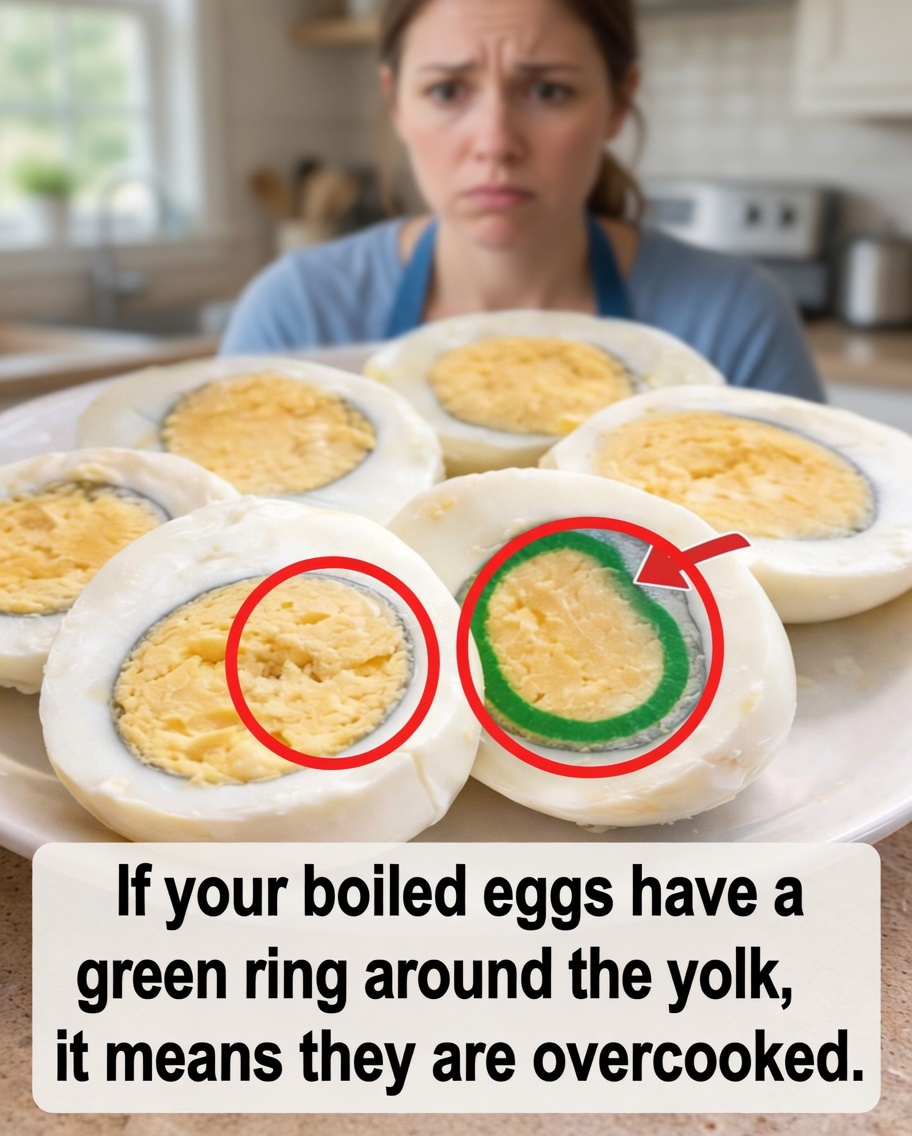
That discoloration isn’t mold or rot. It forms naturally during cooking, right where the yolk meets the white.
Food science sources (including guidance often cited by egg industry and culinary research groups) explain that the ring appears when compounds in the egg white and yolk react under heat. Knowing the chemistry makes the fix straightforward.
The Science: Iron + Sulfur Under Heat
Hard-boiled egg whites contain sulfur-bearing proteins, while egg yolks contain iron. When you heat an egg:
- Heat changes (denatures) proteins in the white.
- This process releases hydrogen sulfide gas.
- The gas moves toward the yolk.
- At the yolk’s surface, hydrogen sulfide reacts with iron and forms ferrous sulfide.
- Ferrous sulfide is the green-gray compound you see as a ring.
This reaction speeds up notably at higher temperatures (around 158°F / 70°C and above) and becomes more pronounced the longer the egg stays hot.
Why Hard-Boiled Eggs Show the Ring More Often
Hard-boiled eggs require enough time for the yolk to fully set, which means more heat exposure—exactly what encourages the iron–sulfur reaction. Soft-boiled eggs cook for a shorter period, so the ring is much less common.
Several factors make the discoloration more likely:
- Overcooking: Extra minutes mean more time for the reaction to intensify.
- Boiling too aggressively: A rolling boil pushes heat harder than necessary.
- Skipping rapid cooling: Even after you turn off the stove, residual heat keeps “cooking” the egg.
- Egg age and pH: As eggs age, their pH changes, which can affect sulfur behavior during cooking.
- Altitude: At higher elevations, water boils at a lower temperature, which can alter timing and outcomes.
The good news: you don’t need special tools—just better heat control, accurate timing, and quick cooling.
How to Prevent the Green Ring (Step by Step)
Preventing the green ring is mostly about cooking gently and stopping the heat at the right moment.
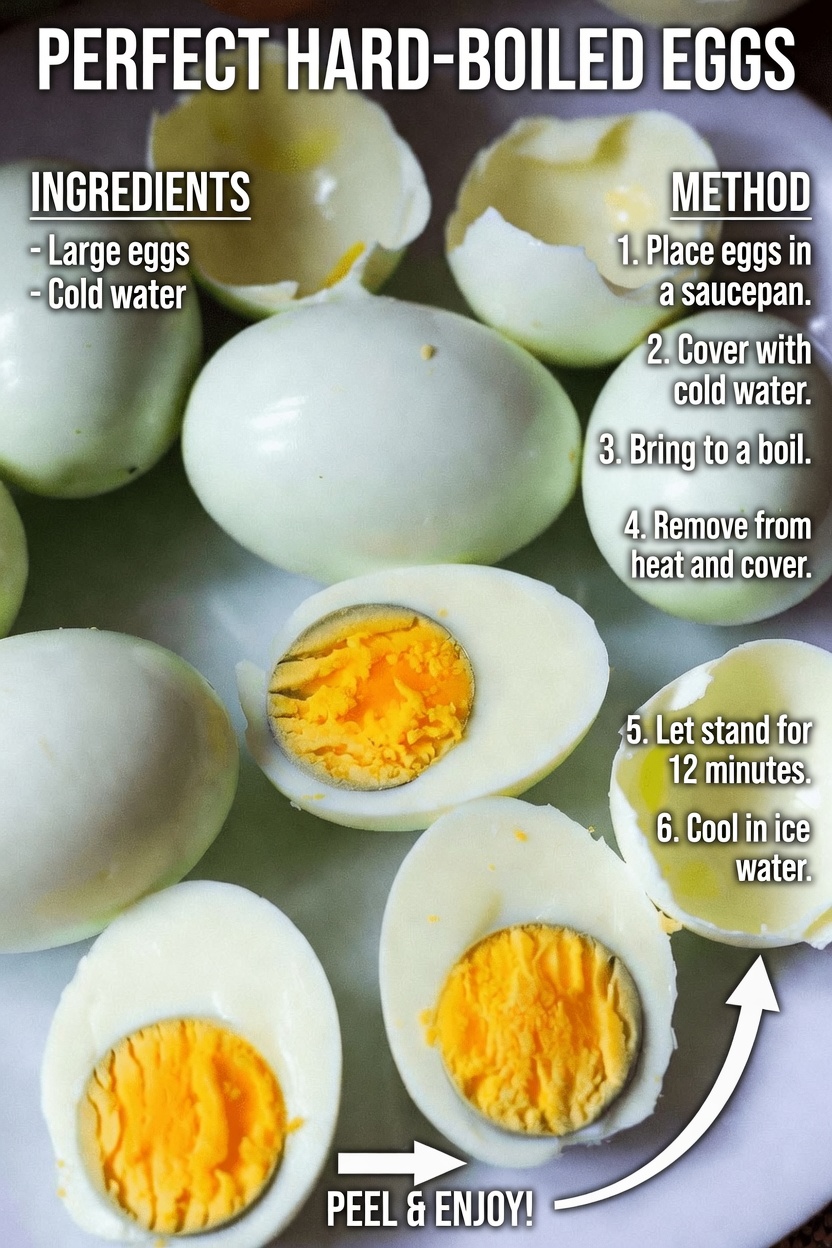
1) Use a Gentle Simmer, Not a Violent Boil
- Place eggs in a single layer in a saucepan.
- Add cold water to cover the eggs by about 1 inch (2–3 cm).
- Heat over medium until the water reaches a gentle simmer (small, steady bubbles).
- Avoid a rolling boil, which tends to overheat and overcook.
2) Time the Cook Precisely
Use a timer—guessing is how green rings happen.
For large eggs:
- Soft-boiled: 4–6 minutes (runny yolk)
- Medium-boiled: 7–9 minutes (jammy to semi-set)
- Hard-boiled: 10–12 minutes (fully set)
At high altitude, you may need to add about 1 extra minute for hard-boiled eggs, depending on elevation and stove performance.
3) Cool Immediately in an Ice Bath
Rapid cooling is one of the most effective ways to stop the ring from forming.
- Prepare a bowl of ice water before the eggs finish.
- Move eggs straight from the pot to the ice bath.
- Let them cool for 5–10 minutes.
This halts carryover cooking and also helps the egg contract slightly for easier peeling.
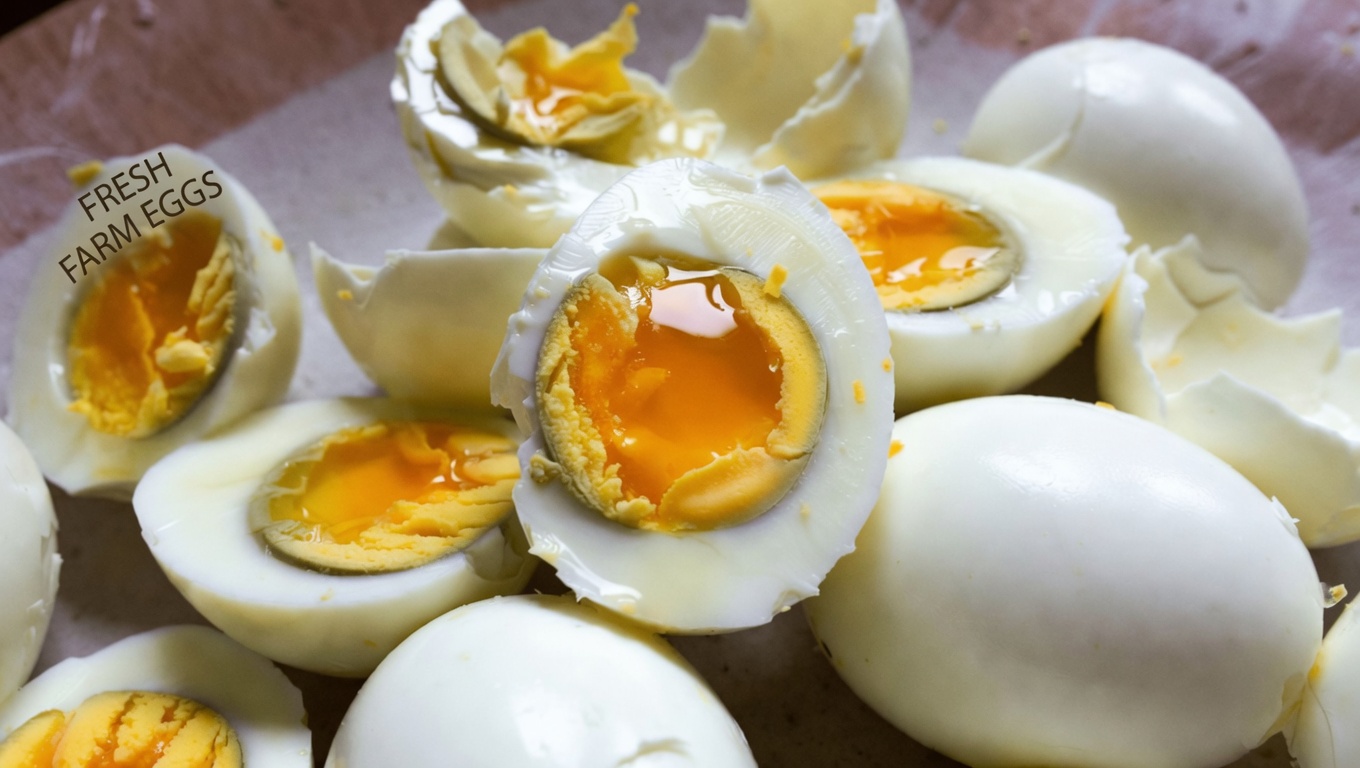
Extra Tips for Great-Looking, Easy-to-Peel Eggs
- Slightly older eggs (about 1–2 weeks old) often peel more easily than very fresh eggs.
- Some cooks add a pinch of salt or a splash of vinegar to the water; results vary, but it can help with minor cracking and cleanup.
- Try cooking one test egg first if you’re adjusting for a new stove, pot, or altitude.
Quick Comparison: What Changes the Result?
| Factor | More Likely Green Ring | Less Likely Green Ring |
|---|---|---|
| Heat level | Rolling boil | Gentle simmer |
| Cook time | 15+ minutes | 10–12 minutes |
| Cooling method | Left to cool on the counter | Immediate ice bath |
| Egg age | Very fresh (can vary) | 1–2 weeks old |
| Yolk appearance | Dull/green-gray edge | Bright yellow |
Does the Green Ring Affect Taste, Safety, or Nutrition?
The green ring is cosmetic. In general:
- Taste: The egg usually tastes normal.
- Safety: It’s safe to eat—the color comes from a harmless chemical compound, not bacteria.
- Nutrition: The ring itself doesn’t remove nutrients, though overcooking can slightly reduce some heat-sensitive nutrients over time.
So if you see the ring, you can still eat the egg with confidence—it just won’t look as vibrant.
Delicious Ways to Use Hard-Boiled Eggs
Once your eggs come out clean and bright, they’re easy to use in all kinds of recipes:
- Deviled eggs with herbs, mustard, or smoked paprika
- Chopped egg salad for sandwiches and wraps
- Protein-packed salads with greens, grains, or potatoes
- Pickled eggs for a tangy, snackable twist
Final Takeaway: Perfect Hard-Boiled Eggs Every Time
The green ring in hard-boiled eggs comes from an iron–sulfur reaction that becomes stronger with high heat, long cooking, and slow cooling. If you simmer gently, time the cook accurately, and cool the eggs in an ice bath right away, you’ll get smooth, yellow yolks with no gray-green edge.
One more tip to test: add 1 teaspoon of baking soda to the cooking water. It can make peeling easier by slightly changing the water’s alkalinity—without being the main factor that causes the green ring.
Frequently Asked Questions
Is the green ring in boiled eggs safe to eat?
Yes. The green-gray ring is caused by a normal chemical reaction during cooking and does not mean the egg is spoiled or unsafe.
How long should I cook eggs to avoid the green ring?
For large eggs, cook at a gentle simmer for 10–12 minutes, then transfer immediately to an ice bath.
Does egg freshness change whether the ring appears?
Egg age can influence cooking behavior, but the biggest factors are time, temperature, and rapid cooling. Slightly older eggs (around 1–2 weeks) are often easier to peel and can cook more predictably.
Disclaimer
This article is for informational purposes only and is not medical advice. For personalized guidance, consult a qualified healthcare professional.