Have you ever felt unusually wiped out after a short walk, or noticed you’re getting winded during tasks that used to feel easy? Small shifts like these can sometimes hint at heart health issues that develop quietly over time. If they’re brushed off, you may miss the chance to catch a problem early—before it starts interfering with everyday life.
The good news: learning to recognize these subtle signals can help you respond sooner and take practical steps toward better well-being. Below are five common warning signs that may be connected to how effectively your heart is working—and what you can do next.
Why Noticing Early Heart Warning Signs Matters
Heart health strongly influences your energy, breathing, and overall daily comfort. Organizations such as the American Heart Association report that cardiovascular conditions affect millions of adults, and they often begin with mild symptoms that people assume are “normal.”
These changes typically don’t happen overnight. They can appear gradually, giving your body time to send early alerts before symptoms become more intense. Multiple studies suggest many people experience noticeable shifts in the weeks leading up to more serious concerns.
That’s why it can be frustrating when everyday activities—carrying groceries, climbing stairs, or doing routine chores—suddenly feel exhausting. It’s easy to blame age, stress, or poor sleep, but understanding the potential connection to heart function can change how you respond.
Signal #1: Persistent Fatigue That Doesn’t Improve With Rest
Feeling tired after a long day is normal. What’s more concerning is a deep, lingering exhaustion that doesn’t match your routine and doesn’t fully improve after rest.
Data referenced by public health sources such as the Centers for Disease Control and Prevention indicates that ongoing fatigue is common among adults, and in some cases it may relate to reduced circulation of oxygen-rich blood—especially if the heart isn’t pumping efficiently.
For example, someone in their 50s might notice they need much longer to recover after simple errands or basic household tasks. It’s not just “being busy”—it feels like something has shifted.
- Quick self-check: Over the last few weeks, has your baseline energy clearly dropped without an obvious reason (sleep, illness, workload)?
Signal #2: Shortness of Breath With Light Activity (or Even at Rest)
Breathing should generally feel smooth and effortless. If you find yourself needing to pause for air after a short walk, mild exertion, or even while sitting, it’s worth paying attention.
The American Heart Association notes that shortness of breath can occur when the heart struggles to move blood and fluid efficiently, which may lead to fluid buildup in the lungs. This symptom is often misread as poor fitness, allergies, or seasonal changes—especially when it appears gradually.
A typical example: you’re talking on the phone, and suddenly you feel you need to sit down because your breathing becomes uncomfortable or strained. That kind of “small moment” can be an important clue.

Signal #3: Chest Discomfort That Appears During Movement
Chest symptoms don’t always feel dramatic or intense. In many cases, the sensation is described as pressure, tightness, squeezing, or a dull ache—especially during physical activity.
Clinicians often refer to this pattern as angina, which can occur when blood flow to the heart muscle is temporarily reduced. It commonly shows up during exertion and improves with rest, based on widely used clinical guidance.
Some people mistake it for indigestion or muscle strain, particularly if it feels like heaviness or spreads to nearby areas such as:
- Arms or shoulders
- Neck or jaw
A helpful approach is to observe timing and patterns—when it happens, what triggers it, and how quickly it resolves.
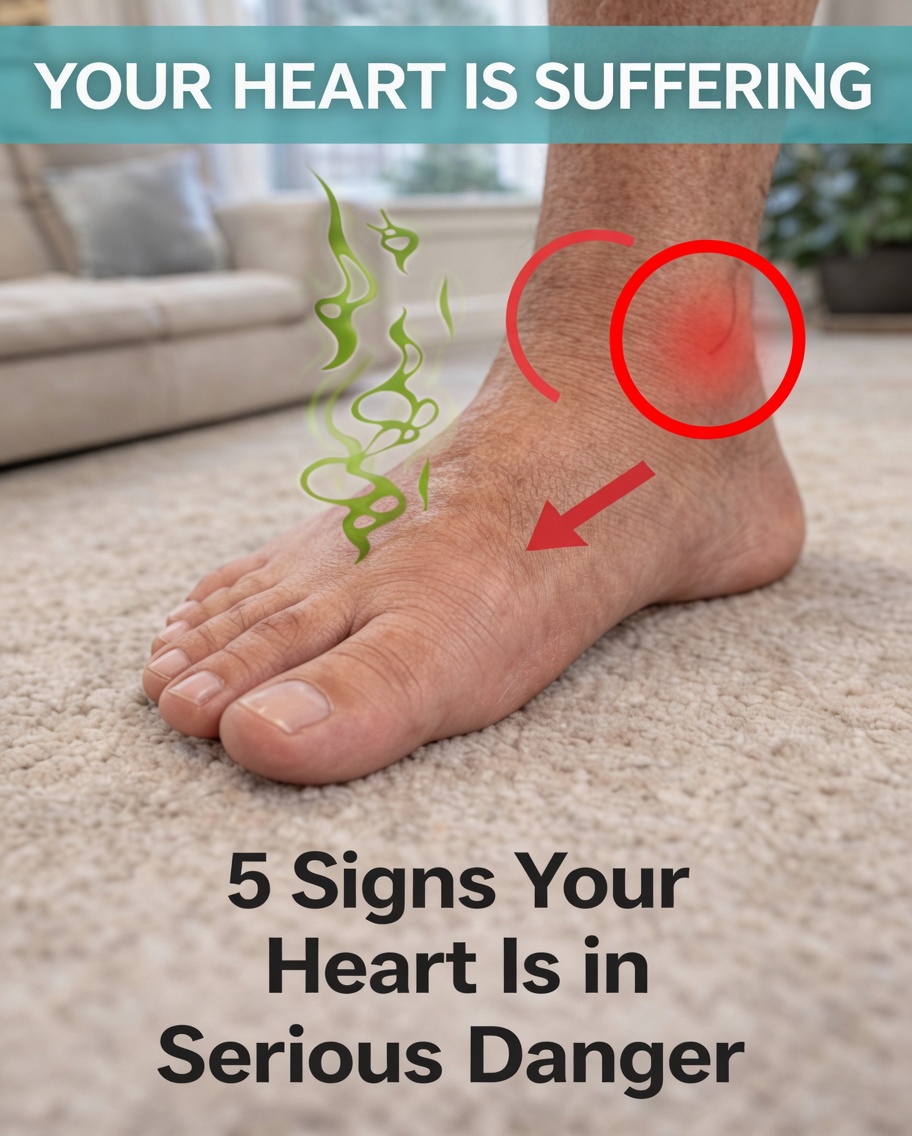
Signal #4: Swelling in the Feet, Ankles, or Lower Legs
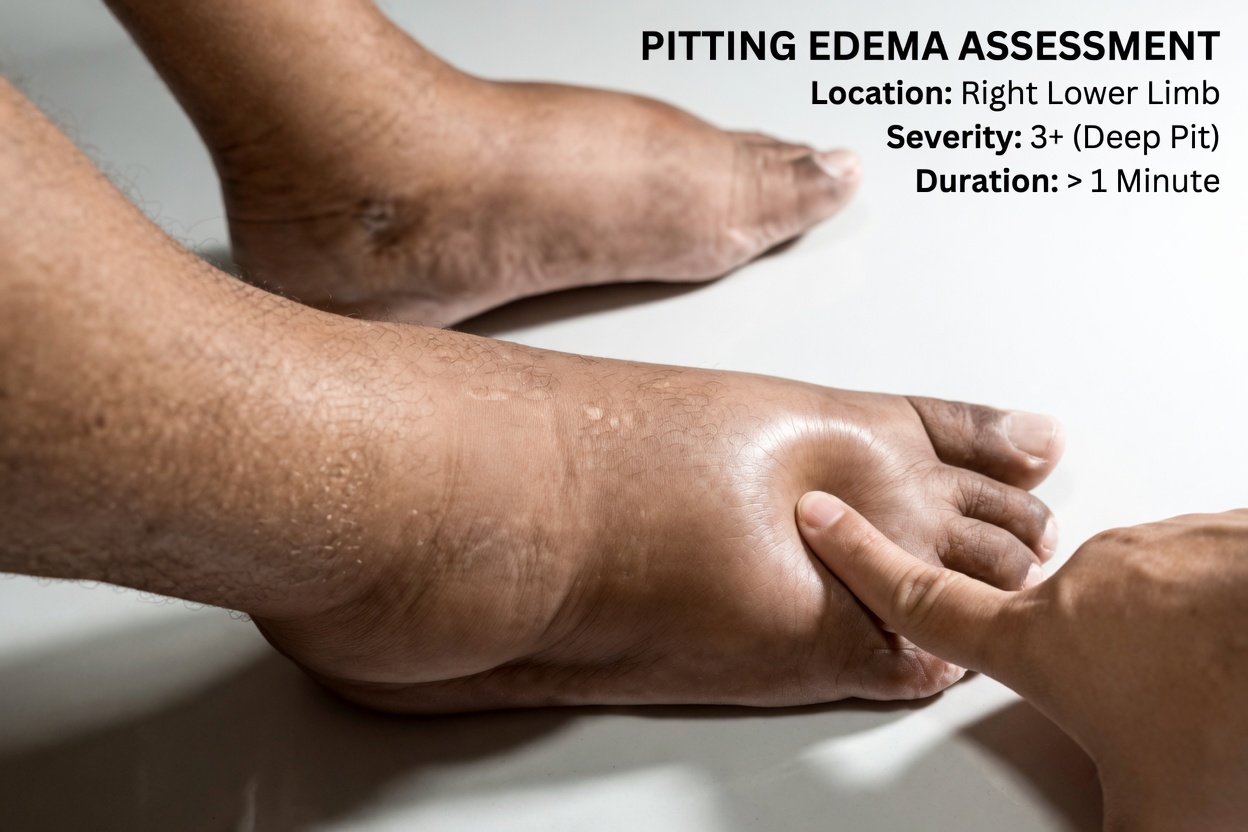
If your ankles or feet look noticeably more swollen by the end of the day, it may be more than just standing too long. This type of swelling (edema) can happen when fluid accumulates due to slower circulation.
Medical sources like the Mayo Clinic explain that lower-body swelling can be linked to reduced pumping efficiency, which may cause fluid to back up in the veins.
This sign is frequently overlooked—many people assume it’s due to salty meals, travel, or aging. One simple observation:
- Press a finger into the swollen area. If the indentation remains briefly, the swelling may be more than temporary.
Signal #5: Dizziness, Lightheadedness, or Noticeable Heart Palpitations
Feeling dizzy when you stand up, experiencing a sudden “room spinning” sensation, or noticing your heartbeat racing, fluttering, or skipping can be unsettling.
The American Heart Association includes dizziness and palpitations among symptoms that may appear when the heart’s rhythm or output is affected—potentially reducing steady blood flow to the brain.
These episodes are sometimes blamed on anxiety, dehydration, or low blood sugar. While those causes can be real, repeated events—especially alongside other symptoms—deserve attention and tracking.
When Symptoms Overlap: What Patterns Can Suggest
These signs often don’t appear alone. Recognizing combinations can help you understand when it’s time to act.
Common examples include:
- Fatigue plus shortness of breath, making routine tasks feel unusually difficult
- Chest discomfort during activity paired with low energy afterward
- Swelling alongside breathlessness, which can suggest fluid-related patterns
Large health surveys consistently highlight the value of early awareness: noticing trends sooner can lead to earlier evaluation and better long-term management.
Practical Steps to Track and Respond
You don’t need to guess—or panic. A simple, structured response can help you take control.
-
Track symptoms daily
- Record what you feel, when it happens, what you were doing, and how intense it was.
- Even 7 days of notes can reveal patterns.
-
Schedule a medical check-up
- Share your symptom log with your healthcare provider.
- They may recommend basic assessments such as blood pressure measurement, blood tests, or an EKG.
-
Strengthen heart-supporting habits
- Aim for about 30 minutes of walking most days (as tolerated and medically appropriate).
- Choose balanced meals emphasizing vegetables, fruits, and fiber-rich foods.
- Use stress-reduction tools like slow breathing or short relaxation sessions.
-
Watch sudden weight changes
- Weigh yourself daily at the same time.
- A rapid gain of 2–3 pounds may indicate fluid retention—mention it to a clinician.
Symptom Guide: Common Excuses vs. Potential Heart Links
| Symptom | Typical Excuse | Possible Heart Link | Next Step |
|---|---|---|---|
| Fatigue | “Just getting older” | Reduced blood flow/efficiency | Journal patterns |
| Shortness of breath | “Out of shape” | Fluid buildup in lungs | Medical review |
| Chest discomfort | “Stress or indigestion” | Reduced blood flow (angina) | Track triggers |
| Swelling | “Too much salt” | Circulation slowdown/fluid retention | Monitor weight and swelling |
| Dizziness/palpitations | “Low sugar or anxiety” | Rhythm/output concerns | Log episodes and timing |
Key Takeaway: Awareness Builds Protection
Noticing these five potential warning signs—persistent fatigue, shortness of breath, chest discomfort, swelling, and dizziness or palpitations—can make a meaningful difference in both daily comfort and long-term health. Small observations today may lead to earlier support and better outcomes tomorrow.
Frequently Asked Questions (FAQ)
What should I do if I notice several of these signs together?
Arrange a prompt evaluation with a healthcare professional. Symptom combinations can signal a greater need for testing and closer monitoring.
Are these symptoms different in men and women?
Research suggests women may experience more subtle symptoms (such as unusual fatigue), while men report chest discomfort more frequently. However, anyone can experience any of these signs.
Can lifestyle changes really help?
Yes. Regular movement, heart-supportive nutrition, and stress management—aligned with major health guidelines—can improve overall cardiovascular health and support better daily function.
This article is for informational purposes only and is not a substitute for professional medical advice, diagnosis, or treatment.