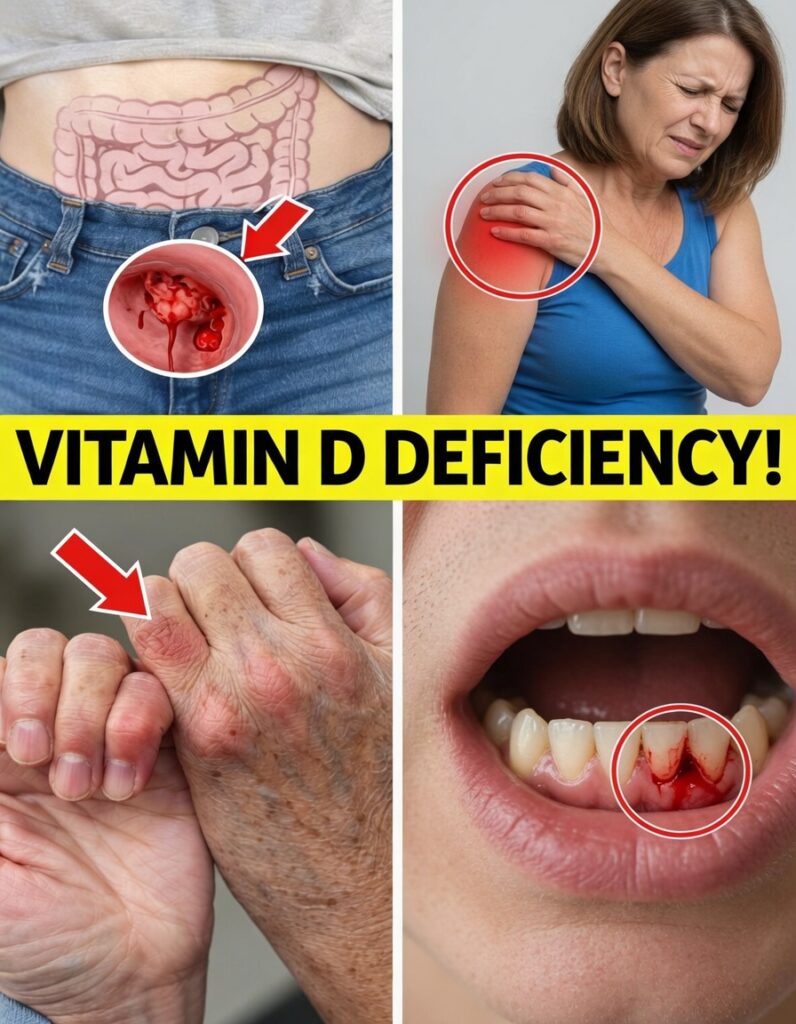
Many adults notice small health shifts as they get older—feeling more run-down than usual, bouncing back more slowly, or dealing with new aches that seem to come out of nowhere. While aging plays a role, some of these everyday changes may also relate to vitamin D levels that are lower than optimal. Knowing what to look for can help you make informed choices and start a useful conversation with your healthcare provider.
If you’ve been attributing certain symptoms to “just getting older,” it may be worth taking a closer look. By the end of this guide, you’ll have a clear, practical plan to support healthy vitamin D levels in a safe, realistic way.
Why Low Vitamin D Is Common in Older Adults
After 60, the body’s ability to produce and process vitamin D can decline naturally. Data referenced by major health organizations (including the National Institutes of Health) suggests that many older adults fall below recommended vitamin D ranges. Common contributors include:
- Spending more time indoors
- Regular sunscreen use
- Age-related changes in skin, kidney, and digestive function
Low vitamin D is not just a lab value—it may influence energy, recovery, muscle function, mood, and more. The most important takeaway is simple: noticing possible signs early gives you the chance to explore solutions with a clinician before problems feel bigger.
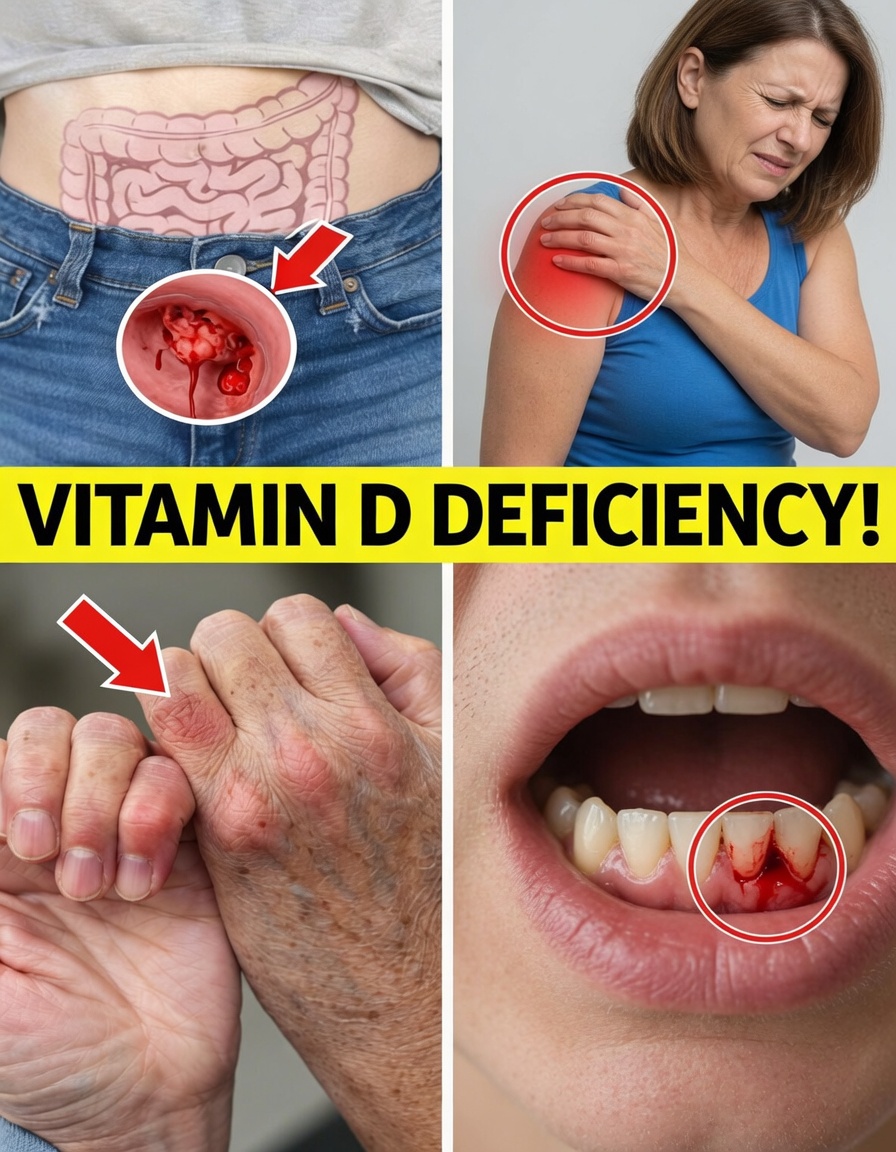
8 Subtle Signs Your Vitamin D May Be Low
1) Getting Colds or Minor Infections More Often
Consider a retiree like Emily, who started catching more seasonal bugs than she remembered from earlier years. After testing, she found her vitamin D was low. Small adjustments—like adding vitamin D-rich foods—aligned with fewer routine winter issues over time.
Medical research (including a 2024 review discussed in The Lancet) describes vitamin D as an important player in immune response. When levels are low, the body’s defenses may not operate as efficiently.
If you’ve been getting sick more frequently, it may be a cue to review habits like sunlight exposure and nutrition.
2) Muscle Twitches, Cramps, or Unexplained Discomfort
Carlos, a 67-year-old former mechanic, frequently woke up with calf discomfort at night. His test showed suboptimal vitamin D. Over time, increasing safe sun exposure and eating more fatty fish appeared to help.
A 2023 paper in Muscle & Nerve discusses links between vitamin D and muscle performance. Because vitamin D supports calcium absorption, it can indirectly affect how muscles function and recover.
If you notice random aches or twitching, tracking your sun time and diet is a reasonable starting point.

3) Slower Healing from Small Cuts or Scrapes
Lisa, an avid gardener, noticed that small nicks and scrapes took longer to settle down. Lab work showed her vitamin D was low. After emphasizing nutrient-dense meals, she felt her skin recovered more smoothly.
A 2024 article in Wound Repair and Regeneration notes that vitamin D is involved in skin repair processes, including cell growth and recovery. When vitamin D is insufficient, healing may feel slower than expected.
If you’ve noticed sluggish healing, consider whether your diet includes vitamin D sources like fortified foods or fish.
4) Brain Fog, Forgetfulness, or Reduced Focus
Robert, once known for sharp recall, began losing his train of thought more often. Testing revealed vitamin D levels that could be improved. With more outdoor time and supplements under medical guidance, he reported better clarity.
Findings published in 2023 in Alzheimer’s & Dementia connect adequate vitamin D with aspects of cognitive health. While brain fog has many causes, vitamin D status may be one piece of the puzzle.
If concentration has become harder, reviewing sleep, stress, and nutrition—including vitamin D—may be worthwhile.
5) Bone or Joint Aches That Linger
Maria experienced persistent lower back discomfort that started to interfere with daily routines. Her vitamin D was below optimal, and after adjustments she reported improved comfort.
A 2024 study in the Journal of Bone and Mineral Research highlights vitamin D’s role in bone density and calcium balance. When levels are low, calcium regulation can be affected, potentially contributing to discomfort.
If joints or bones feel more sensitive than usual, gentle movement and safe sunlight exposure may help—alongside professional evaluation.

6) Feeling Tired Even After a Full Night of Sleep
John, a retiree, felt depleted despite sleeping well. His vitamin D levels were low. Morning walks and consistent lifestyle changes helped him feel more energized.
Research referenced in the 2023 Journal of Clinical Sleep Medicine discusses associations between vitamin D and fatigue/energy, possibly due to vitamin D’s involvement in cellular function across the body.
If exhaustion persists, it’s smart to look beyond sleep alone—vitamin D status may be one factor to check.
7) Mood Changes, Especially in Darker Months
Patricia noticed her motivation dipped, particularly during winter. Her vitamin D levels came back lower than ideal. With safe sun exposure and dietary improvements, she felt her mood stabilize.
A 2024 review in Psychiatry Research explores vitamin D’s potential role in mood regulation, likely connected to brain chemistry pathways.
If mood swings seem seasonal, tracking sunlight exposure—and discussing it with a clinician—can be helpful.
8) Difficulty Seeing Clearly in Low Light
Edward found it increasingly hard to read or adapt to dim lighting. His vitamin D was low, and improvements followed after lifestyle changes.
Studies noted in 2023 in Ophthalmic Research suggest vitamin D may support aspects of eye health, including visual adaptation mechanisms.
If night vision feels worse, it’s best to discuss this with an eye care professional—especially to rule out other causes—while also considering vitamin D as part of the bigger health picture.

Practical Ways to Support Healthy Vitamin D Levels
These steps are general education—not medical advice. Your doctor can help tailor a plan based on your health history, medications, and lab results.
- Get your vitamin D tested
- Ask for a blood test measuring 25(OH)D
- Many general guidelines reference a target range around 40–60 ng/mL, but ideal levels can vary by individual
- Increase safe sun exposure
- Try 15–20 minutes outdoors daily, exposing arms and legs when appropriate
- Avoid peak UV hours and balance sun time with skin safety
- Eat more vitamin D-rich foods
- Fatty fish (salmon, sardines, mackerel)
- Egg yolks
- Fortified milk or cereals
- UV-exposed mushrooms
- Use supplements carefully (if needed)
- Vitamin D3 is commonly recommended
- Taking it with a meal that contains fat may improve absorption
- Start conservatively and follow medical guidance, especially if you have kidney issues or take calcium-related medications
- Recheck and adjust
- Retest in about 3 months (or as advised) and refine your plan based on results
Quick habit guide
| Habit | Potential Benefit | Simple Starting Point |
|---|---|---|
| Daily sun time | Natural vitamin D production | Short morning walk |
| Diet upgrades | Better nutrient intake | Add fish weekly |
| Supplements | Targeted support | Only with medical OK |
Helpful note: Nutrients like magnesium (found in nuts, seeds, legumes, and leafy greens) may support vitamin D metabolism for some people.
Final Thoughts: Stay Proactive as You Age
Noticing early signs—such as frequent illnesses, muscle discomfort, brain fog, fatigue, or mood shifts—can help you take practical steps toward better day-to-day well-being. Vitamin D is not a cure-all, but maintaining healthy levels may support immunity, energy, bone strength, and overall resilience as you get older.
FAQ
What are safe, natural ways to raise vitamin D?
Focus on moderate sunlight, fatty fish, and fortified foods, while still protecting your skin from excessive UV exposure.
How often should vitamin D levels be tested?
Many people check once per year, but your doctor may recommend more frequent testing if you have limited sun exposure or other risk factors.
Can low vitamin D affect sleep or tiredness?
Some studies suggest an association with fatigue and sleep-related issues, but symptoms are multifactorial. A clinician can help identify the most likely causes.
Medical disclaimer: This content is for informational purposes only and does not replace professional medical advice. Talk with your healthcare provider before making changes to diet, sunlight exposure, or supplements—especially if you have chronic conditions or take prescription medications.