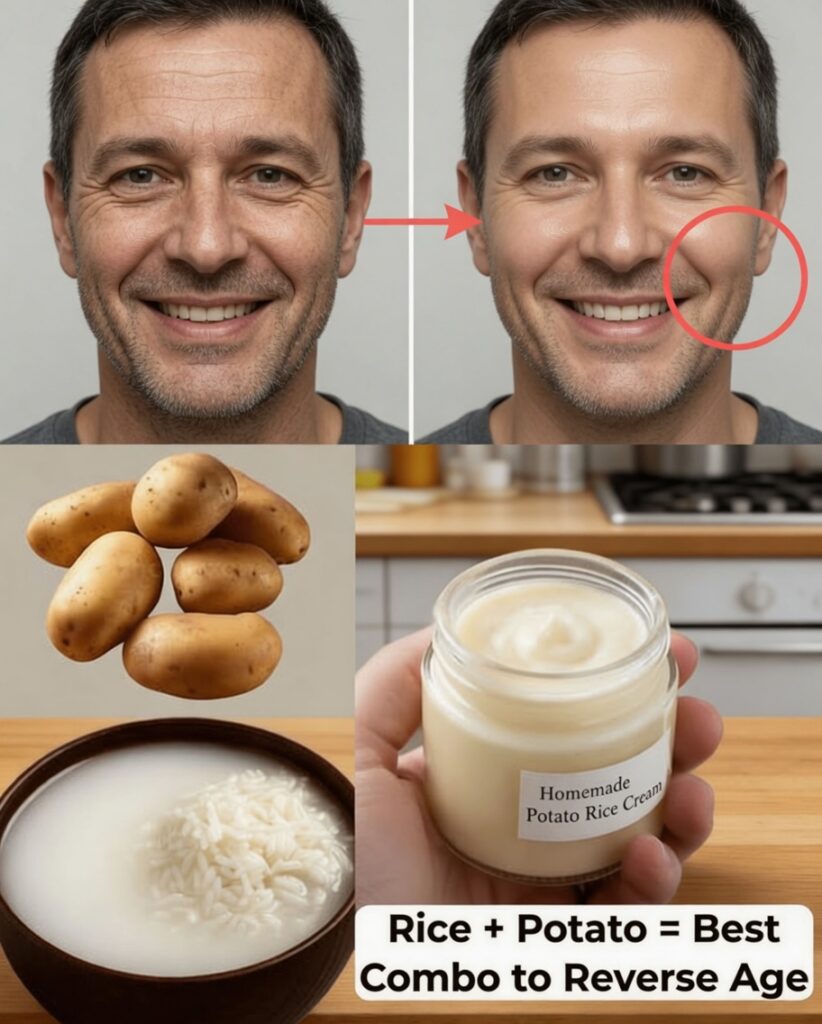
Aging Skin: Why Fine Lines, Dullness, and Dark Spots Become More Noticeable
As the years go by, many people start to see fine lines deepen, skin tone look less vibrant, and dark spots stand out more than before. These changes can also affect how makeup sits—creasing around expression lines or emphasizing dry texture—making the mirror feel less friendly than it used to.
What often makes this even more discouraging is the trial-and-error cycle: buying product after product with little visible payoff. That’s why a homemade potato and rice cream has started gaining attention—because it’s simple, budget-friendly, and made from familiar kitchen ingredients. Below, you’ll learn why it’s popular, how it may support the look of skin, and how to make it safely.
Understanding Common Age-Related Skin Concerns
Skin naturally changes with time. One major shift is that the body produces less collagen, which can contribute to:
- Reduced firmness
- More visible wrinkles (especially around the eyes and mouth)
- A tired or uneven-looking complexion
On top of that, sun exposure and everyday stress can intensify dullness and make dark spots harder to ignore. Research often points to the role of antioxidants in supporting overall skin health, which is why people look to natural ingredients as a gentle addition to their routine.
The encouraging part: a consistent, skin-friendly routine—especially one that avoids harsh irritation—can help you feel more comfortable with your skin over time.
Why Homemade Potato and Rice Cream Is Trending
Many premium skincare products promise dramatic improvements, yet some users feel disappointed by slow or minimal results. A potato and rice cream made at home appeals to those who want a more straightforward approach.
Here’s what draws people to it:
- Simple ingredient list (no complicated actives to layer)
- Affordable and accessible
- A “gentle support” mindset rather than instant transformation
Potato contains vitamin C and naturally occurring enzymes that are often associated with a brighter look in traditional beauty routines. Rice flour (or rice-based ingredients) contains antioxidants—commonly discussed compounds include ferulic acid—which may help support a smoother-looking texture.
Many prefer using this kind of cream in the evening so it can sit on the skin during rest, when the face isn’t exposed to sun or makeup.
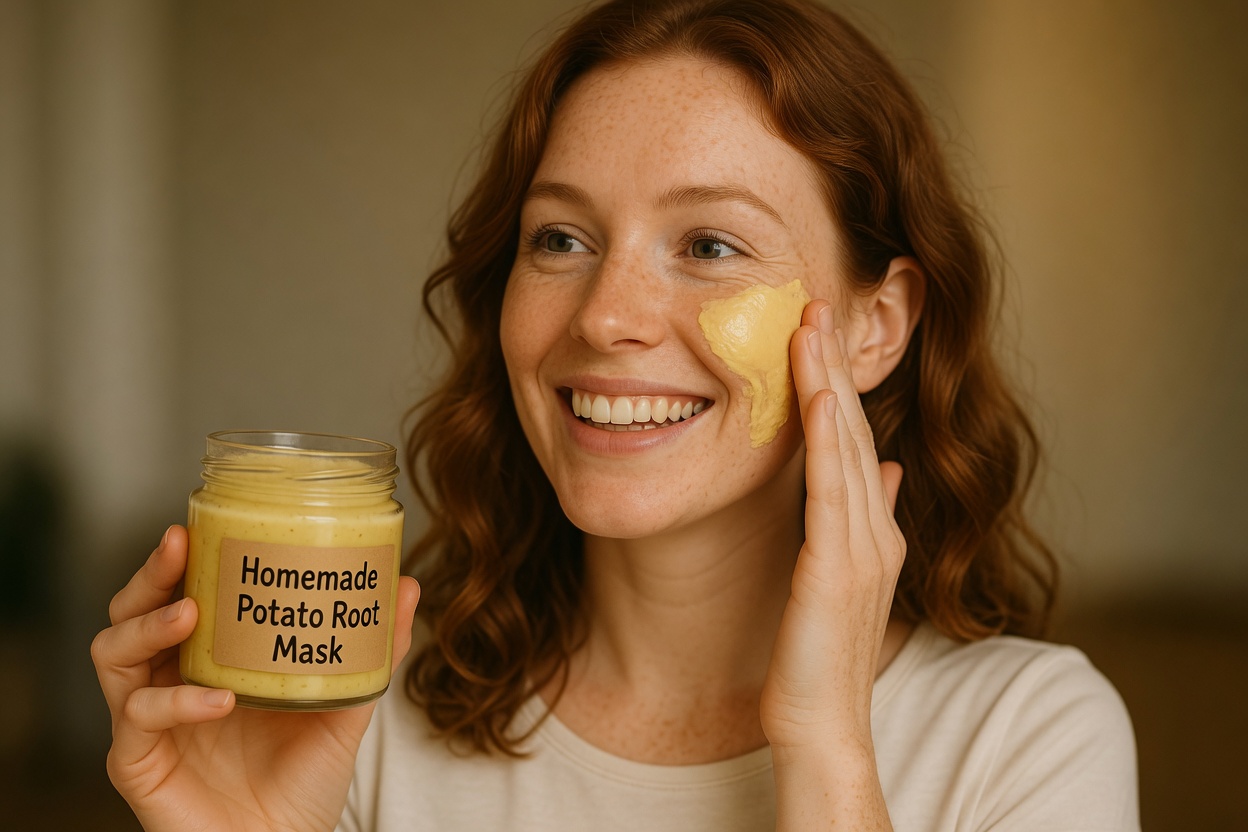
Rice Flour: Mild Support for Smoother-Looking Texture
Rough texture and dryness can make skin appear older and less radiant. In a homemade potato and rice cream, rice flour is used because it can offer a very gentle exfoliating effect, depending on how fine it is and how it’s applied.
Why people like rice flour in skincare routines:
- Helps skin feel softer with consistent use
- Supports a more polished look by reducing the feel of dull, dry texture
- Creates a smooth, creamy consistency when mixed properly
Some research on rice-derived compounds suggests potential antioxidant benefits, which is one reason rice continues to be a popular ingredient in beauty traditions worldwide.
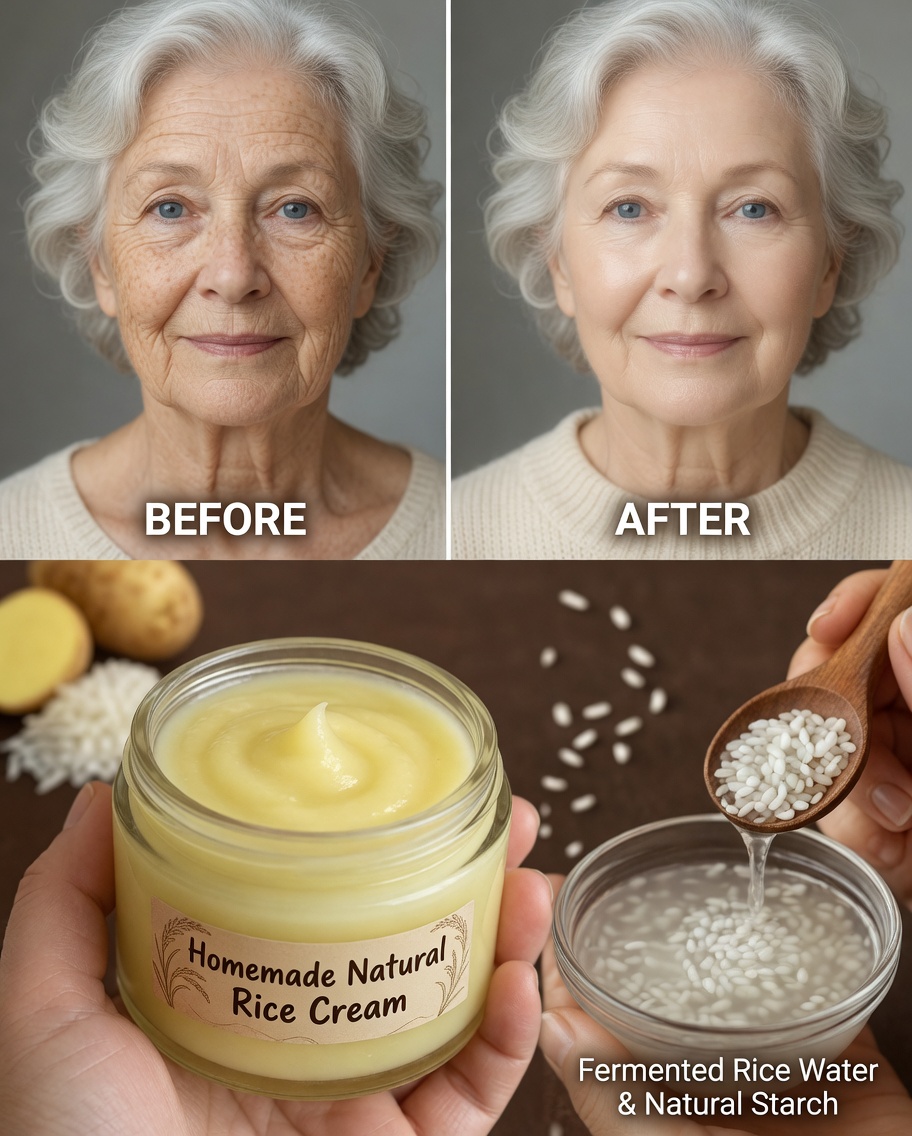
Potato: A Natural Source of Brightening-Friendly Compounds
Uneven tone and stubborn dark spots can feel especially frustrating because they often don’t respond quickly to skincare changes. Fresh potato juice is commonly used in DIY routines because it contains an enzyme called catecholase, which is frequently mentioned in discussions about a more even-looking complexion.
Potatoes also provide vitamin C, which is widely known for its antioxidant role and association with brighter-looking skin in many skincare approaches.
For best results and safer use:
- Use fresh potato (not pre-juiced or stored too long)
- Avoid applying to irritated or broken skin
How to Make Potato and Rice Cream at Home
Making a homemade potato and rice cream is quick and requires only a few basics.
Ingredients
- 1 medium raw potato
- 2–3 tablespoons rice flour
- Optional: 1 teaspoon honey (for extra moisture and easier spread)
Step-by-step instructions
- Grate the potato, then squeeze out the juice (aim for 2–3 tablespoons).
- Combine the potato juice with rice flour until it forms a thick, creamy paste.
- If using honey, stir it in until evenly blended.
- Store in a clean container in the refrigerator and use within 2–3 days.
How to Apply Potato and Rice Cream (Safely)
For best use, apply your potato and rice cream to clean, dry skin.
Application method
- Smooth a thin layer over the face and neck.
- Massage gently for even coverage.
- Start by leaving it on for 15–20 minutes, then rinse.
- Some people leave it on overnight, but only if their skin tolerates it well.
Important safety note
Always do a patch test first. Raw potato juice can irritate sensitive skin.
Skin Concerns vs. Potential Ingredient Support (Based on Common Research Discussions)
- Dullness: vitamin C and antioxidants may support a brighter look
- Fine lines: antioxidants (including compounds often associated with rice) may support a smoother appearance
- Uneven tone/dark spots: catecholase is commonly linked to a lightening-friendly effect
- Dry, rough texture: rice flour may gently exfoliate and soften feel
- Loss of radiance: combined nutrients may support an overall healthy glow
A Practical Timeline to Try It
- Weeks 1–2: Apply 3–4 times per week and monitor how your skin responds
- Weeks 3–4: If no irritation, increase to more frequent use and observe texture changes
- Week 5 and beyond: Consider consistent nightly use and track brightness and softness
Many people describe improvements as subtle—more about how the skin feels and how evenly it appears over time.
Helpful Tips for Better Results
- Patch test first: apply a small amount to the inner arm and wait 24 hours
- Cleanse thoroughly: remove sunscreen, makeup, and buildup before application
- Use a thin layer: more product doesn’t mean better results
- Keep it cold and clean: refrigerate and use a clean spoon to avoid contamination
- Moisturize if needed: follow with a gentle moisturizer if your skin feels dry
Real-World Experiences and Gentle Reminders
Many women who share DIY skincare routines online report that a homemade potato and rice cream can make skin look softer and more refreshed after a few weeks. Still, results depend on skin type, consistency, sun exposure, and overall routine.
Think of it as a supportive add-on—not a replacement for proven basics like daily sunscreen and professional guidance when needed.
Frequently Asked Questions
Is it safe to leave potato and rice cream on overnight?
Start with short contact time (15–20 minutes) and rinse. Because raw potato juice can irritate some skin types, patch test first and stop if you notice redness, burning, or itching.
How often should I use homemade potato and rice cream?
Begin with 3–4 times weekly. If your skin stays calm, you can increase frequency. Always adjust based on your skin’s response.
Can this replace my regular skincare products?
No. It can be a natural addition, but it should not replace essentials like sunscreen or dermatologist-recommended treatments.
Disclaimer
This article is for informational purposes only and does not provide medical advice. Natural remedies such as homemade potato and rice cream may support skin appearance for some people, but outcomes vary. Consult a dermatologist before trying new ingredients, especially if you have sensitive skin, existing skin conditions, or take medications. Always patch test and discontinue use if irritation occurs.