Breast Cancer Symptoms Can Be Subtle—And That’s Why Awareness Matters
Breast cancer symptoms don’t always arrive with sharp pain or obvious “red flag” signals. For many women, the earliest changes are quiet—small differences that are easy to explain away. That uncertainty can be exhausting: you notice something feels “off,” then spend days (or nights) wondering whether it’s normal or something serious.
The reality is that brushing off early breast cancer symptoms can postpone diagnosis—and time matters. The good news is that learning what to look for gives you control, and a simple monthly habit near the end of this article can help you stay proactive.
Why Early Detection of Breast Cancer Symptoms Is So Important
Catching breast cancer symptoms early can dramatically improve outcomes. The American Cancer Society reports that when breast cancer is found while still localized, the five-year survival rate is about 99%. When warning signs are missed or ignored, cancer can progress—often bringing far greater physical, emotional, and logistical challenges.
What makes this difficult is that some breast cancer symptoms resemble common hormonal changes, irritation, or minor inflammation. Still, studies consistently show that symptom awareness plus timely medical evaluation leads to earlier detection, better treatment options, and less long-term anxiety.
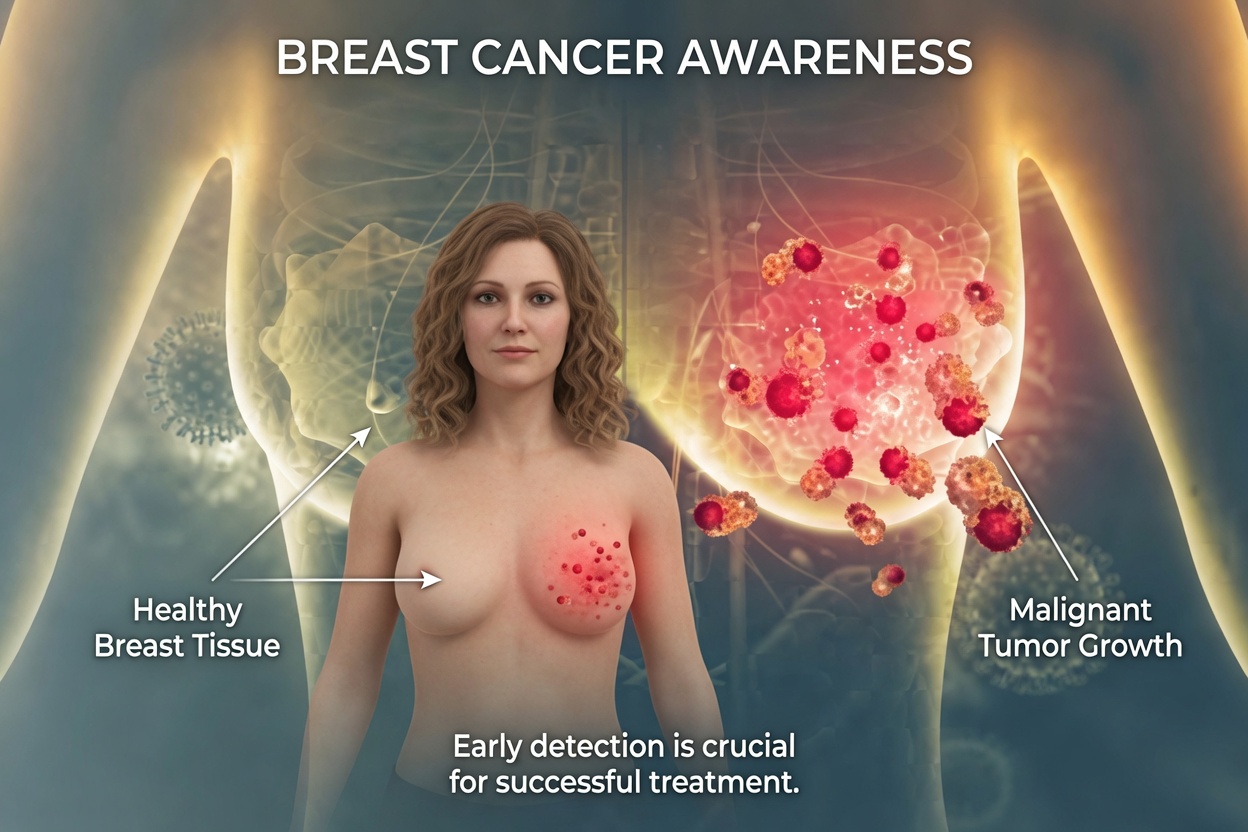
The Most Common Breast Cancer Symptoms Women Report
Knowing the typical breast cancer symptoms can reduce guesswork and help you act quickly. Below are the key changes clinicians encourage women to take seriously—especially when they are new, persistent, or clearly different from your usual baseline.
A New Lump or Thickened Area in the Breast or Armpit
A firm lump—often painless—with uneven or irregular edges is one of the most recognized breast cancer symptoms. It may be found in the breast tissue or in the lymph nodes under the arm, and it can feel noticeably different from the surrounding area.
Most breast lumps are not cancer (about 80% are benign), but assuming it’s “nothing” can delay evaluation and prolong worry. Any new lump should be checked.

Changes in Breast Size, Shape, or Overall Contour
If one breast suddenly looks larger, smaller, or more uneven than before, it can be a sign of deeper tissue change. A tumor may subtly shift the structure of the breast, creating visible differences over time.
Temporary changes can happen with hormones, but persistent asymmetry or a new shape change is a breast cancer symptom worth discussing with a clinician.
Skin Dimpling, Redness, or an “Orange Peel” Look
Skin that becomes dimpled, thickened, or textured like an orange peel can indicate a form of breast cancer involving the lymphatic system. This “peau d’orange” effect may occur when lymph vessels are blocked.
Because it can also feel warm, itchy, or irritated, it’s sometimes mistaken for allergy or skin sensitivity. However, this skin change can be one of the more urgent breast cancer symptoms—especially when it spreads or doesn’t improve.
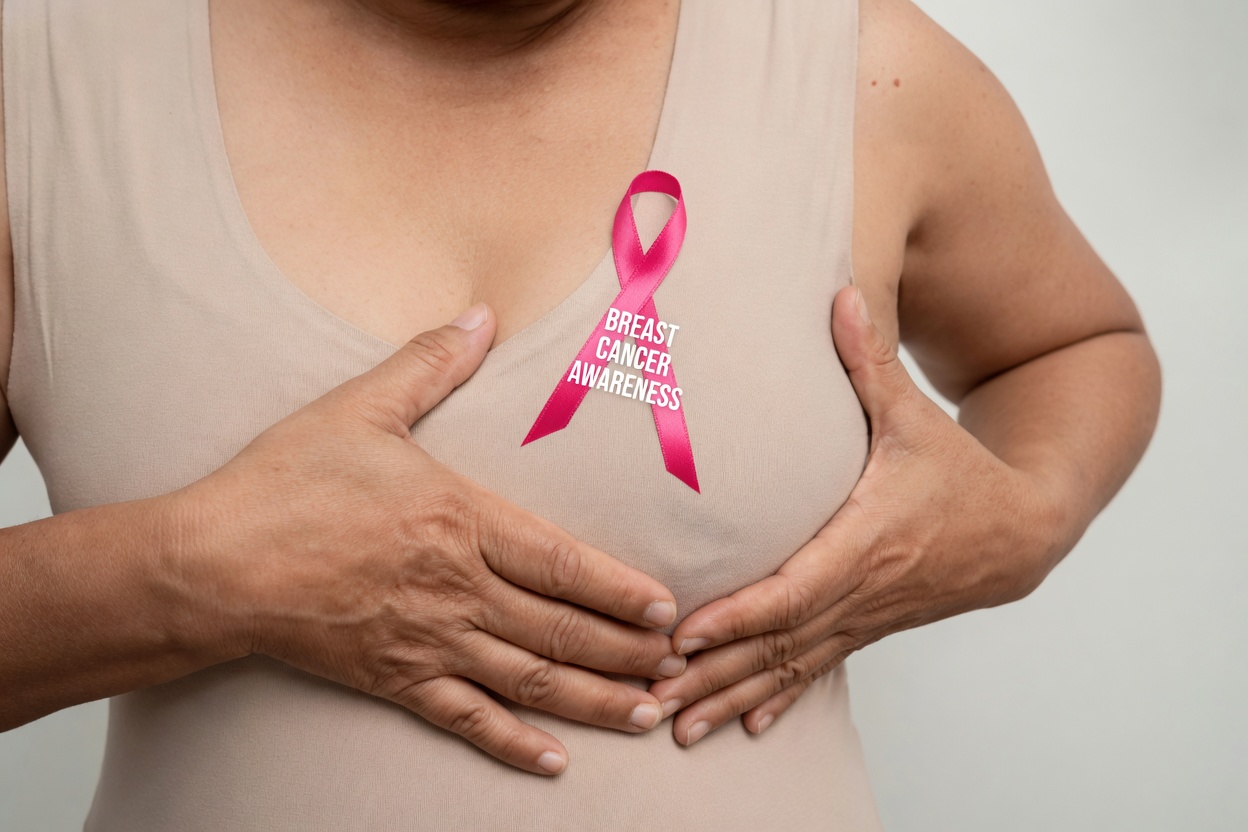
Nipple Changes, Including New Inversion
A nipple that starts turning inward (inversion) or becomes flatter than usual can be a warning sign—particularly if it’s new for you. Additional nipple changes may include redness, scaling, or a noticeable shift in shape.
These changes often develop gradually and can be easy to overlook in daily routines, but a new nipple inversion should be evaluated promptly.
Unusual Nipple Discharge (Without Squeezing)
Discharge that appears on its own—clear, bloody, or colored—from a single nipple can feel alarming, and it deserves attention. It may signal changes within the milk ducts.
The American Cancer Society notes that discharge coming from one duct or one breast, especially if spontaneous, can be more concerning among breast cancer symptoms.

Swelling in the Armpit or Near the Collarbone
A hard or persistent swelling under the arm or around the collarbone may reflect lymph node involvement. Breast cancer can spread to nearby lymph nodes early, sometimes before a breast lump is obvious.
Swollen nodes can also occur with infections, but unexplained swelling that doesn’t resolve should be assessed with appropriate imaging or clinical exams.
Persistent Pain or Tenderness in One Spot
While many early breast cancers are painless, ongoing discomfort—burning, aching, or tenderness concentrated in one area—can still be a relevant symptom, particularly when it lingers.
Because breast pain can mimic cycle-related soreness, it’s often dismissed. If pain is localized and persistent, especially alongside other breast cancer symptoms, it’s worth medical review.
Warmth, Swelling, or Heaviness in One Breast
Inflammatory breast cancer may present without a clear lump. Instead, one breast can feel warm, swollen, heavy, or appear bruised or reddened.
These changes are frequently confused with infection. But because this form can be aggressive, fast action is essential when these breast cancer symptoms appear.
Simple At-Home Steps to Monitor Breast Cancer Symptoms
You don’t need to live in constant fear of breast cancer symptoms. A consistent self-check routine helps you learn what’s normal for your body—so changes are easier to notice and address early.
Here’s a straightforward monthly approach recommended by experts:
- Choose the right time: Do your self-check 3–5 days after your period starts, when breasts are usually less swollen or tender.
- Look in the mirror: With arms at your sides, then raised, check for changes in shape, size, skin texture, or symmetry.
- Feel while lying down: Using the pads of your fingers, move in small circles to examine the full breast area and the armpit.
- Repeat upright (or in the shower): Breast tissue can feel different when standing due to gravity.
- Track and act: If you notice something new, persistent, or unusual, contact a healthcare professional rather than waiting.
You can also support long-term breast health by:
- Eating a balanced diet rich in fruits, vegetables, and whole grains
- Getting at least 150 minutes of exercise per week
- Limiting alcohol and avoiding smoking
- Knowing your family history and discussing personalized screening plans
Key Takeaway on Breast Cancer Symptoms
Breast cancer symptoms often don’t “announce” themselves—they show up as subtle shifts that are easy to rationalize away. Recognizing these changes and responding quickly can protect your health and reduce uncertainty. Paying attention isn’t overreacting—it’s taking ownership of your wellbeing.
Frequently Asked Questions
What age should women start monitoring for breast cancer symptoms?
Many experts recommend learning breast self-awareness in your 20s, including monthly self-checks, so you can recognize what’s normal and detect changes early.
Can men have breast cancer symptoms?
Yes. Although male breast cancer is less common, men should seek evaluation for new lumps, nipple changes, or unusual discharge.
When should screening (mammograms) begin?
Many guidelines suggest starting mammograms at age 40, earlier if you have risk factors. The best plan depends on personal and family history, so discuss timing with your doctor.