
Vitamins That May Help Support Healthy Arteries and Better Blood Flow
As we get older, many of us become more aware of how much good circulation affects everyday life. When routine activities start leaving you unusually tired, or your legs feel heavy and sluggish, it can take the enjoyment out of the day. The encouraging news is that the right nutrition may help support vascular health, and certain vitamins are especially important for keeping blood moving efficiently.
What makes this even more compelling is that research has identified a handful of vitamins that may offer meaningful support when included as part of a balanced routine. By the end, you’ll see why one nutrient in particular often stands out in conversations about artery health, plus simple ways to add these nutrients to your daily meals.
Why Artery Health Deserves More Attention
Your arteries act like the body’s transportation network, delivering oxygen-rich blood to tissues, muscles, and organs. When they remain flexible and function well, energy levels tend to feel more stable and daily movement can feel easier. Over time, however, factors such as aging, stress, poor diet, and lifestyle habits may affect how well these blood vessels perform.
The good news is that several vitamins are involved in key processes that help arteries stay healthy. Some help protect the lining of blood vessels, others support proper calcium use in the body, and some work as antioxidants to reduce everyday oxidative stress.
Even better, these nutrients become more effective when paired with practical lifestyle habits you can easily maintain.
Key Vitamins That May Support Circulation and Artery Function
Let’s look at the top vitamins commonly linked to vascular support. Each one contributes in a different way to healthy blood flow and artery wellness.
Vitamin K2: A Leading Nutrient for Calcium Balance
Vitamin K2 is often highlighted in discussions about artery support because it helps activate proteins that direct calcium into bones, where it belongs, rather than allowing it to accumulate in places where it may be less helpful. Some observational studies and smaller clinical trials have linked higher K2 intake with slower progression of certain age-related arterial changes.
Research on menaquinone-7, or MK-7, one of the better-known forms of vitamin K2, suggests it may help support the body’s natural ability to maintain flexible blood vessels. While findings are still developing and more large-scale studies are needed, current evidence has made K2 one of the most talked-about vitamins for vascular wellness.
Why does this matter? Arteries that remain more supple may allow blood to move more efficiently, which many people associate with feeling lighter and more energetic.
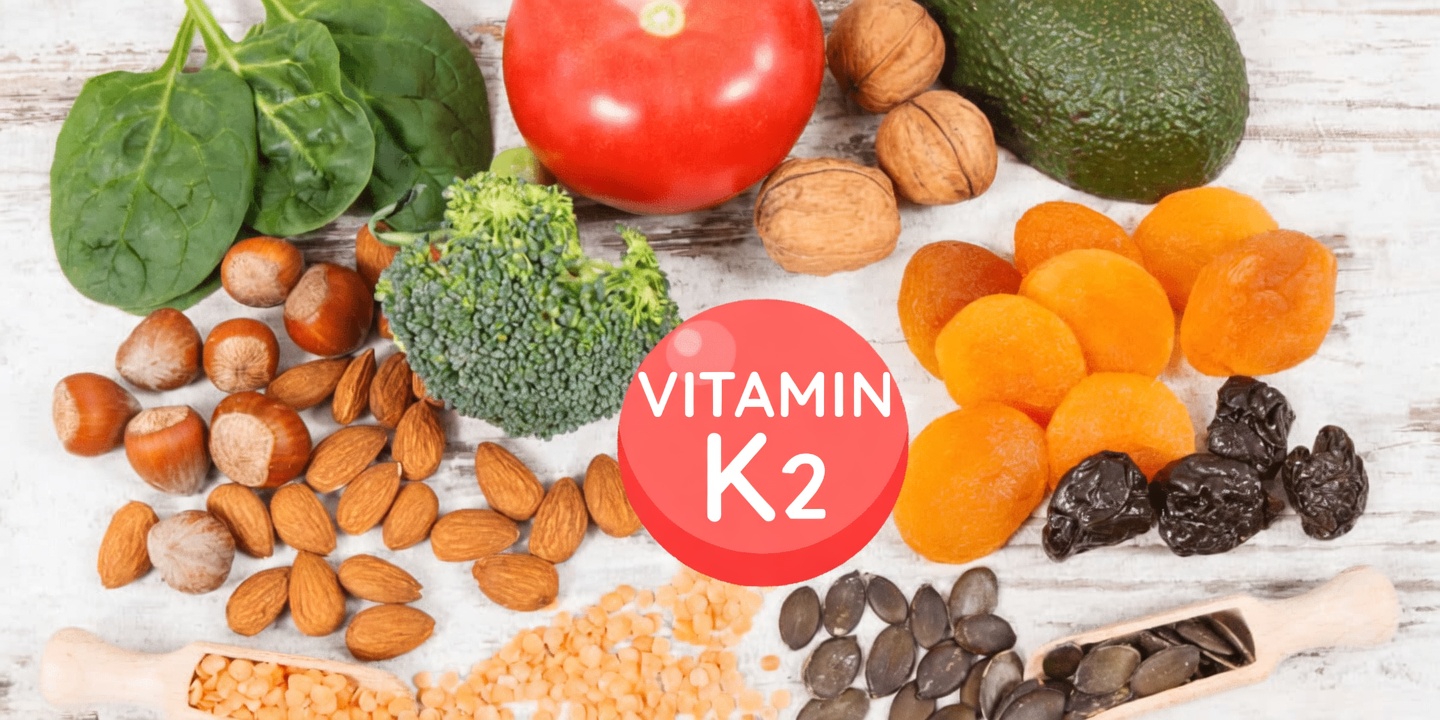
Easy food sources of vitamin K2
- Natto and other fermented foods
- Certain aged cheeses
- Egg yolks
- Grass-fed butter
- Liver
Vitamin D: Important for Vessel Function and Overall Health
Vitamin D is widely known for supporting bone health, but its role goes beyond that. It also appears to influence how blood vessels expand and contract. Adequate vitamin D levels have been associated with better endothelial function, which refers to the health of the inner lining of arteries.
Observational research has found that people with healthy vitamin D status may have less arterial stiffness. In individuals with low levels, some clinical studies suggest supplementation may improve certain circulation-related markers.
One major advantage is that your body can make vitamin D from sunlight. Still, many people do not get enough, especially if they spend most of their time indoors or live in areas with limited sun exposure.
Vitamin C: An Antioxidant That Helps Protect Blood Vessels
Vitamin C is a powerful antioxidant that helps defend blood vessel walls from oxidative damage. It has also been studied for its role in nitric oxide production, a compound that helps blood vessels stay relaxed and encourages smoother blood flow.
Reviews of clinical research have shown that regular vitamin C intake may improve endothelial function, particularly in people who begin with lower vitamin C levels. It may also support a healthier environment within the arteries by contributing to cholesterol balance and overall vascular protection.
Another benefit is convenience. Vitamin C is easy to get through common foods and works well alongside many other nutrients.
B Vitamins: Helpful for Homocysteine Control
B vitamins, especially B6, B9, and B12, work together to help regulate homocysteine. Higher homocysteine levels have been associated in research with less favorable artery function over time.
Other B vitamins may also play a role. For example, niacin, also known as vitamin B3, has shown promise in some studies for helping support blood flow in the legs during movement and activity. In general, keeping your B-vitamin intake in a healthy range through food or targeted supplementation may support better circulation.
Simple Ways to Add These Vitamins to Your Routine
If you want to start supporting circulation naturally, you do not need a major lifestyle overhaul. Small, consistent changes can make a difference.
Practical steps to start this week
-
Check your basics
- Spend about 10 to 15 minutes outside most days for natural vitamin D support.
- If you are indoors often, consider asking your healthcare provider about testing your vitamin D level.
-
Build meals around nutrient-rich foods
- Add a source of vitamin K2 to lunch or dinner.
- Pair it with vitamin C-rich foods such as citrus, strawberries, or bell peppers.
-
Use supplements carefully when needed
- If supplements are appropriate, choose well-absorbed forms such as MK-7 for vitamin K2 or methylated B vitamins.
- Always talk with a qualified healthcare professional before starting them.
-
Pay attention to changes
- After several weeks of consistency, note any small improvements in comfort, energy, or how your legs feel during the day.
A simple habit like a 20-minute daily walk can make these nutrition efforts even more effective, since movement naturally helps promote healthy circulation.
Best Food Sources at a Glance
To make shopping and meal planning easier, here are some excellent food choices for each vitamin.
Vitamin K2 foods
- Natto
- Hard cheeses such as Gouda
- Egg yolks
These work well in salads, breakfast dishes, and simple lunch plates.
Vitamin D foods
- Fatty fish like salmon
- Fortified plant-based milk
- Mushrooms exposed to sunlight
These are easy options for quick dinners and balanced meals.
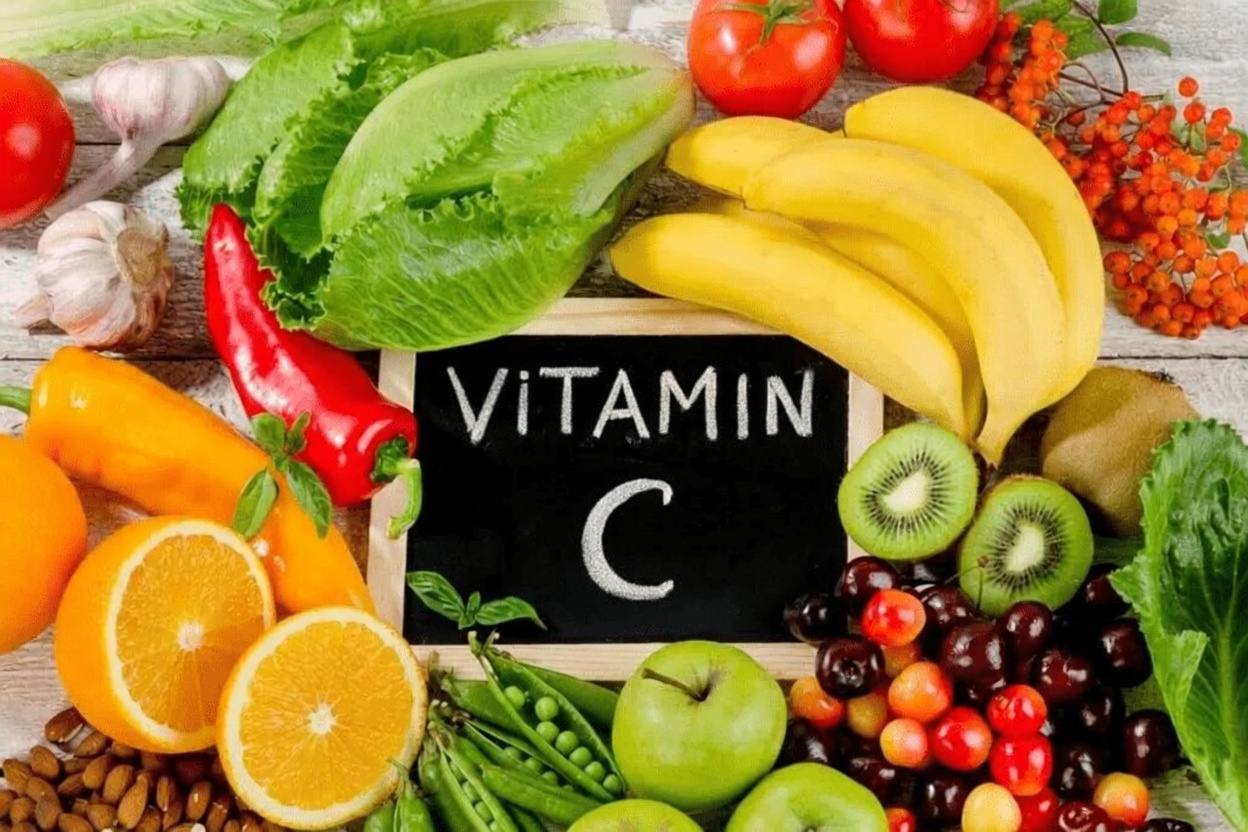
Vitamin C foods
- Bell peppers
- Strawberries
- Kiwi
- Broccoli
They make great snacks, smoothie ingredients, or side dishes.
B vitamin foods
- Leafy greens
- Avocados
- Whole grains
- Poultry
- Beans
These can be added to grain bowls, soups, and stir-fries for easy everyday nutrition.
These foods do more than provide vitamins. They also deliver fiber and other beneficial compounds that support overall cardiovascular wellness.
The One Vitamin That Often Gets the Most Attention
Among the vitamins linked to artery health, vitamin K2 often receives the most attention. Its unique role in calcium metabolism sets it apart from other nutrients, and early research suggests it may be especially helpful when intake is optimized. Some studies also point to a beneficial relationship between vitamins K2 and D when they are used together.
That combination is one reason why more health-conscious people are now paying close attention to vitamin K2 as part of a broader wellness strategy.
Final Thoughts: Small Habits Can Support Long-Term Vascular Health
Supporting healthy arteries and good blood flow does not have to be complicated. It starts with awareness, smart food choices, and simple habits you can maintain over time. Vitamin K2, vitamin D, vitamin C, and the B vitamins all bring different science-backed benefits that may help support your vascular system.
By focusing on nutrient-dense foods and consistent daily routines, you give your body helpful tools for maintaining circulation naturally. Start with one or two changes, stay consistent, and build from there. Over time, those small steps may add up to noticeable benefits in how you feel and move.
Frequently Asked Questions
How long does it take to notice changes after adding these vitamins?
This varies from person to person. Some people notice subtle improvements in comfort or energy within 4 to 8 weeks of consistent intake and healthy lifestyle habits. Your results will depend on your current nutrient levels, overall diet, and activity patterns.
Do I need supplements, or can food be enough?
Whole foods should always be the foundation because they provide vitamins along with fiber and other supportive nutrients. Supplements may be useful if your diet is lacking or lab work shows a deficiency, but they are best used to fill gaps rather than replace healthy eating.
Who should speak with a doctor before trying supplements?
Anyone with a medical condition, people taking prescription medications, and especially those using blood thinners should talk with a healthcare professional before taking vitamin supplements. This is particularly important with vitamin K2, since it may interact with certain medications.