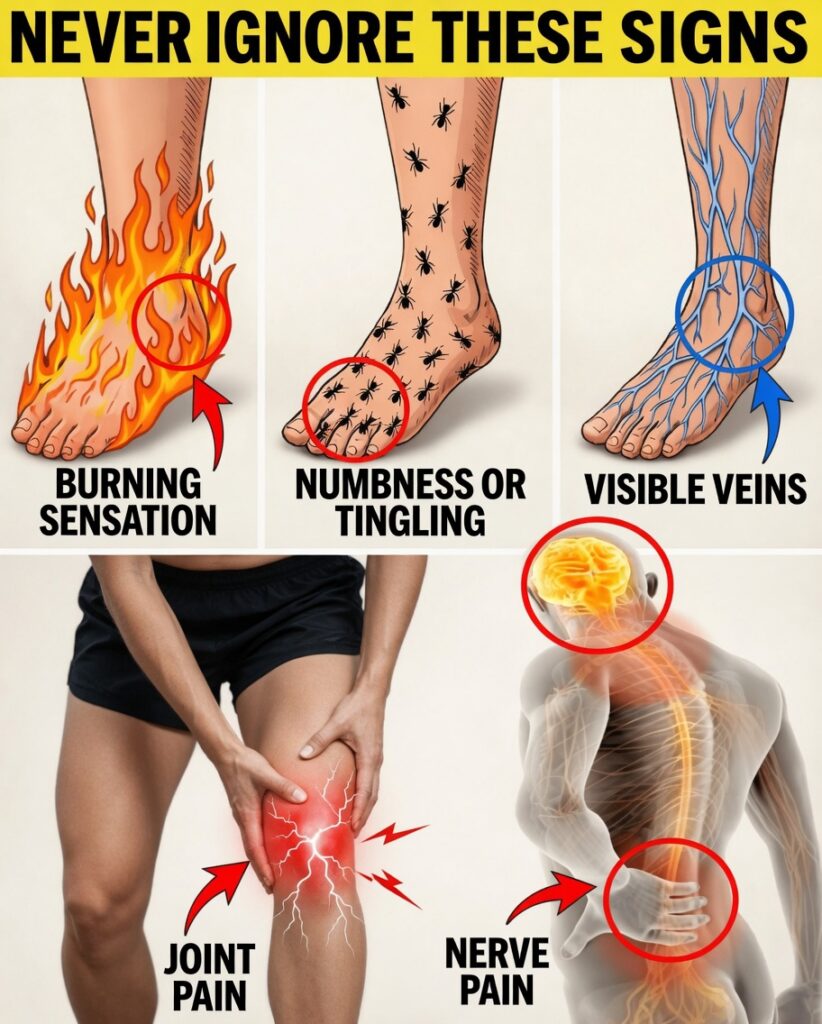
Peripheral neuropathy often starts quietly in the feet, creating unusual sensations that many adults over 50 mistakenly chalk up to “normal aging.” Gradual tingling, burning, or numbness can creep in over weeks or months, interrupting sleep and reducing day-to-day comfort—while also raising real concerns about mobility and independence. More than half of people living with diabetes develop this kind of nerve damage, but millions without diabetes experience it too due to other triggers. The early warnings your feet send deserve attention before they progress into balance issues, falls, or injuries you don’t even feel.
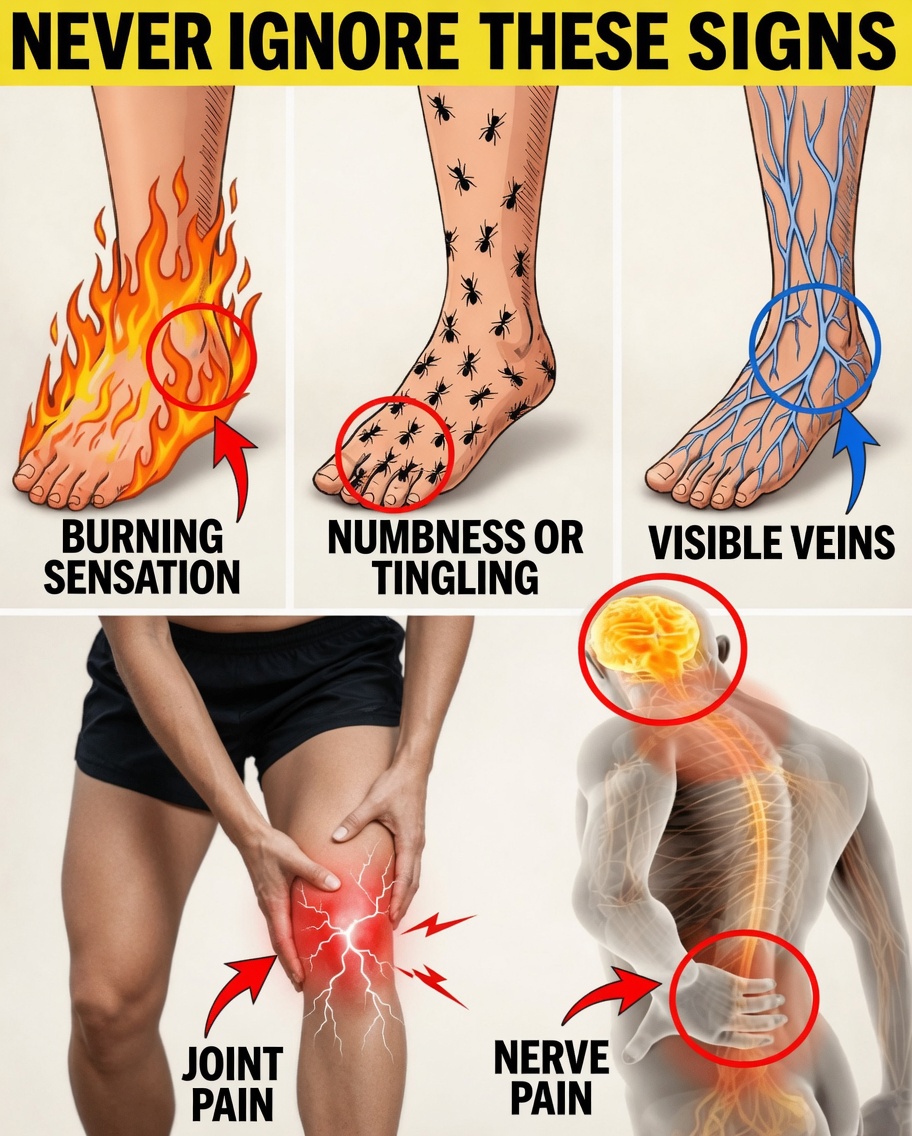
The Hidden Epidemic: Why Nerve Damage Often Shows Up in the Feet First After 50
As we age, subtle shifts in nerve function become more common—especially in the longest nerves, which run all the way to the toes. That “length problem” is a major reason peripheral neuropathy frequently begins in the feet and gradually moves upward. Estimates suggest roughly 30–50% of adults over 60 live with some form of neuropathy or nerve-related sensory change. Diabetes accounts for many cases, but it’s far from the only contributor; vitamin deficiencies, medication side effects, inflammation, and other conditions can also play a role.
When neuropathy is developing, everyday activities may start to feel “off.” Walking can feel less stable, socks may feel strangely irritating, and you may wonder whether this is simply part of getting older. Left unaddressed, these changes can increase the risk of falls and slow-healing foot problems—especially if injuries go unnoticed.
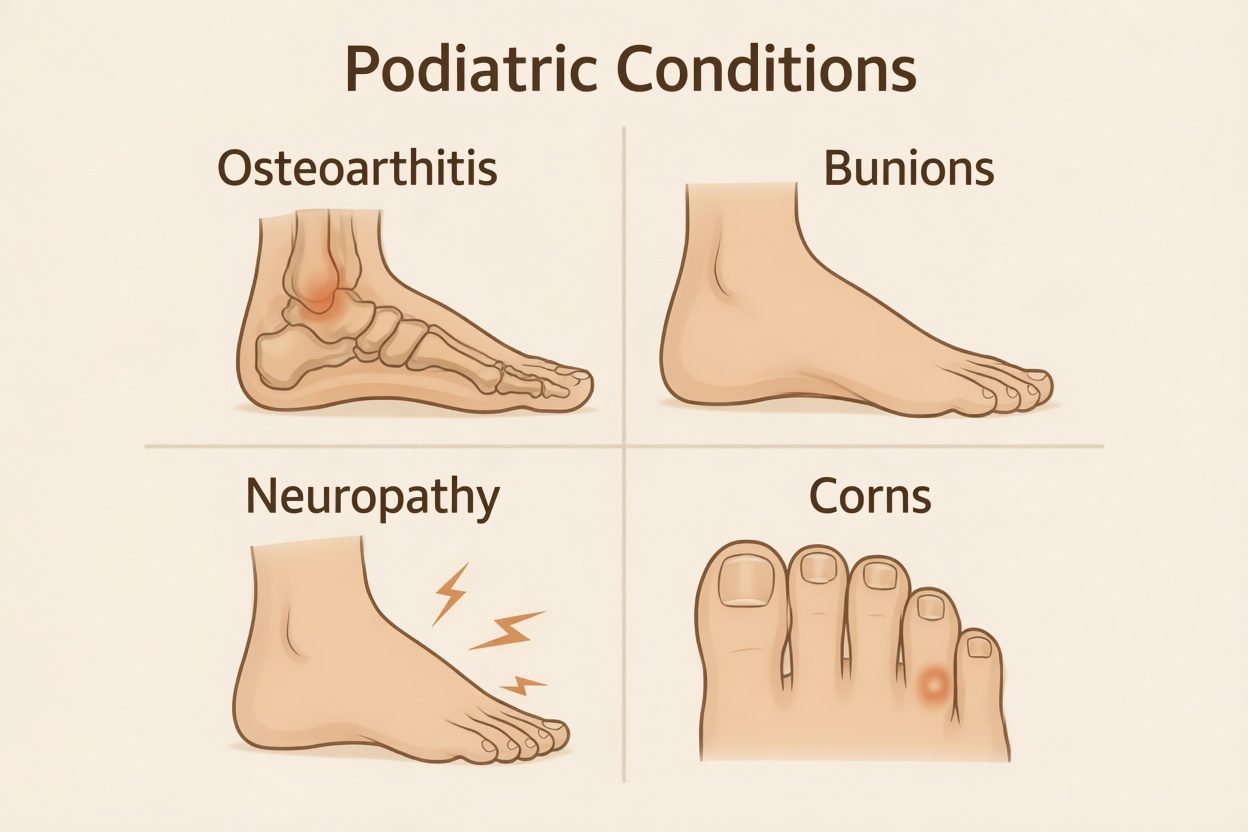
Research consistently shows that early nerve changes often begin at the body’s extremities. The good news: recognizing patterns early may give you time to support nerve health through lifestyle improvements and appropriate medical guidance.
What Actually Causes Nerve Damage in the Feet?
Peripheral neuropathy happens when nerves outside the brain and spinal cord become injured or impaired. In many people, several factors overlap, including:
- Prolonged high blood sugar, which can damage nerves and small blood vessels that nourish them
- Nutrient deficiencies, particularly B vitamins
- Inflammation and certain autoimmune-related processes
- Medication effects, including some treatments that irritate or injure nerve tissue
Because the nerves to the feet are the longest, they are often the first to show symptoms. While diabetes remains a leading cause, non-diabetic neuropathy is increasingly recognized—meaning new foot symptoms after 50 should not be ignored.
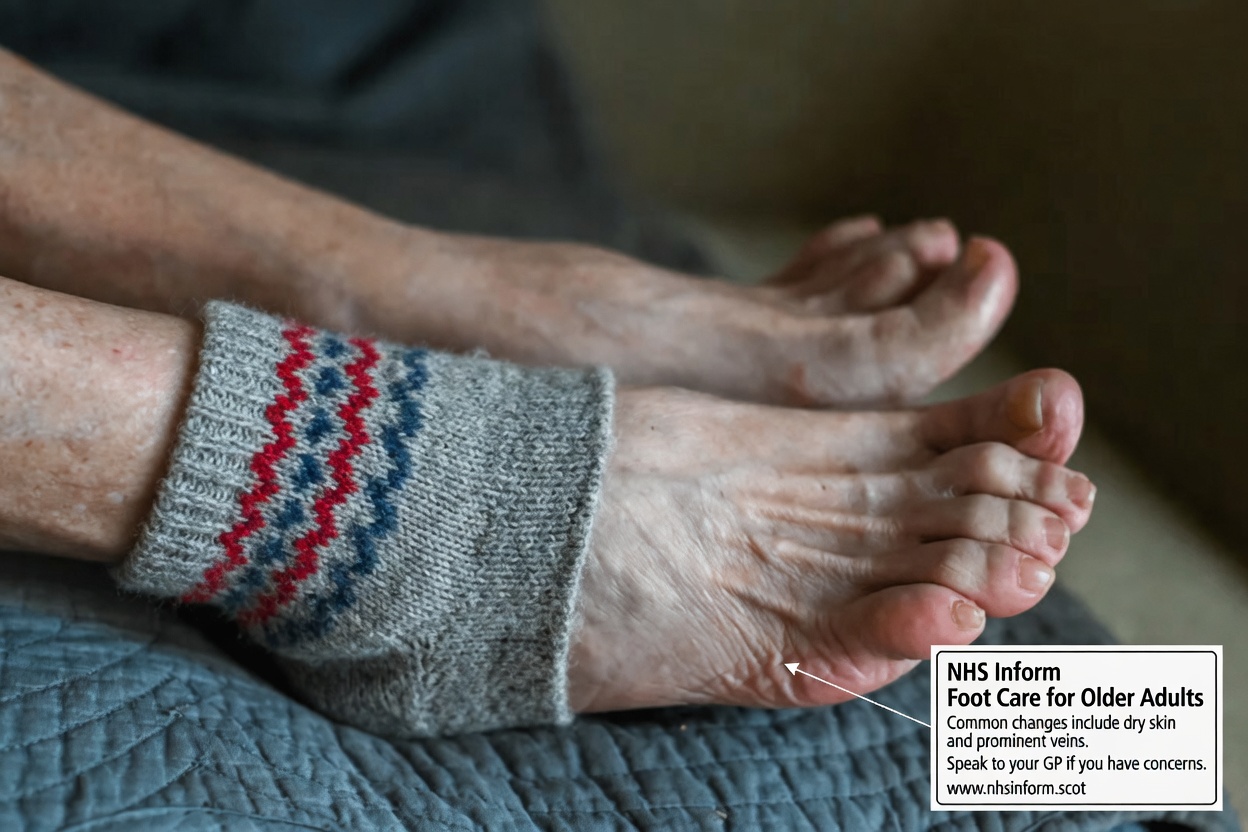
A useful self-check is to consider whether your blood sugar control, diet quality, and nutrient intake have changed. A persistent “foot falling asleep” feeling may be more than fatigue. Evidence links untreated early neuropathy to higher complication risk, but awareness puts you in a stronger position to act early.
Sign #1: Ongoing Tingling or “Pins and Needles”
A persistent tingling that begins in the toes can feel like a light electric buzzing that doesn’t fully go away. Many people assume it’s circulation-related, but it often reflects early sensory nerve irritation typical of peripheral neuropathy.
Real-life experiences frequently describe how early tingling was initially dismissed—until it became more frequent and stressful. Studies suggest this sensation is common in early neuropathy, driven by nerves sending irregular or “misfired” signals. If the tingling is frequent, worsening, or consistently bothersome, it’s worth bringing up with a healthcare professional.

Sign #2: Gradually Increasing Numbness
Numbness can develop slowly, causing areas of the toes or soles to feel “dead” or disconnected. You may notice reduced ability to feel carpet texture, sock seams, or small objects underfoot. This matters because numbness reduces protective sensation, making it easier to miss:
- Cuts
- Blisters
- Pressure points
- Small burns
Many clinicians emphasize daily foot checks once numbness appears, because unnoticed injuries can become infected. Neuropathy-related numbness often reflects sensory nerves losing their ability to transmit signals effectively.
Sign #3: Burning Pain That Gets Worse at Night
Burning foot pain—sometimes described as feeling like the feet are “on fire”—commonly intensifies in the evening or at night. Sheets may feel unbearable, sleep becomes difficult, and fatigue builds over time.
Personal accounts often highlight how night-burning pain affects mood and quality of life as much as physical comfort. Research points to increased nerve sensitivity and inflammation-like nerve signaling as contributors. While short-term relief measures (such as cool soaks) can help temporarily, persistent burning should be evaluated so you can explore targeted management options.

Sign #4: Extreme Sensitivity to Light Touch (Allodynia)
If light contact—like a bedsheet brushing the skin—feels painful or sharply uncomfortable, this can be allodynia, a hallmark of irritated nerves. It may be misread as a skin problem, but the underlying issue is often nerve overreaction.
Consider this sign if you notice:
- Clothing seams suddenly feel “painful”
- Gentle pressure triggers sharp discomfort
- Touch sensitivity is increasing over time
Addressing nerve health early may reduce this hypersensitivity and improve daily comfort.
Sign #5: Sudden Sharp or Electric Shock-Like Jolts
Some people experience stabbing, shooting, or lightning-like pains that appear without warning. These jolts can interrupt walking and make movement feel unpredictable. They are often linked to abnormal nerve discharges associated with neuropathy.
Tracking patterns can be helpful, including:
- Time of day
- Triggers (walking, rest, temperature changes)
- Duration and intensity
This information can support a clearer conversation with a clinician and help guide next steps.

Sign #6: Muscle Weakness or Foot Drop
When neuropathy affects motor nerves, muscle strength can decline. One red flag is foot drop, where lifting the front of the foot becomes difficult and the toes may drag. You might notice more tripping, difficulty climbing stairs, or reduced confidence on uneven surfaces.
Research shows motor involvement is not rare, especially as neuropathy progresses. Early evaluation can open the door to supportive interventions such as physical therapy, strength training plans, or assistive strategies to protect mobility.
Sign #7: Balance Trouble and Unsteadiness
Neuropathy can reduce proprioception, the body’s ability to sense foot position and pressure. As a result, balance may worsen—particularly in dim lighting or on uneven ground. This can lead to activity avoidance and increased fear of falling.
Many people improve stability through targeted balance work and professional guidance. If you feel unsteady, don’t wait for a major fall to treat it as serious.
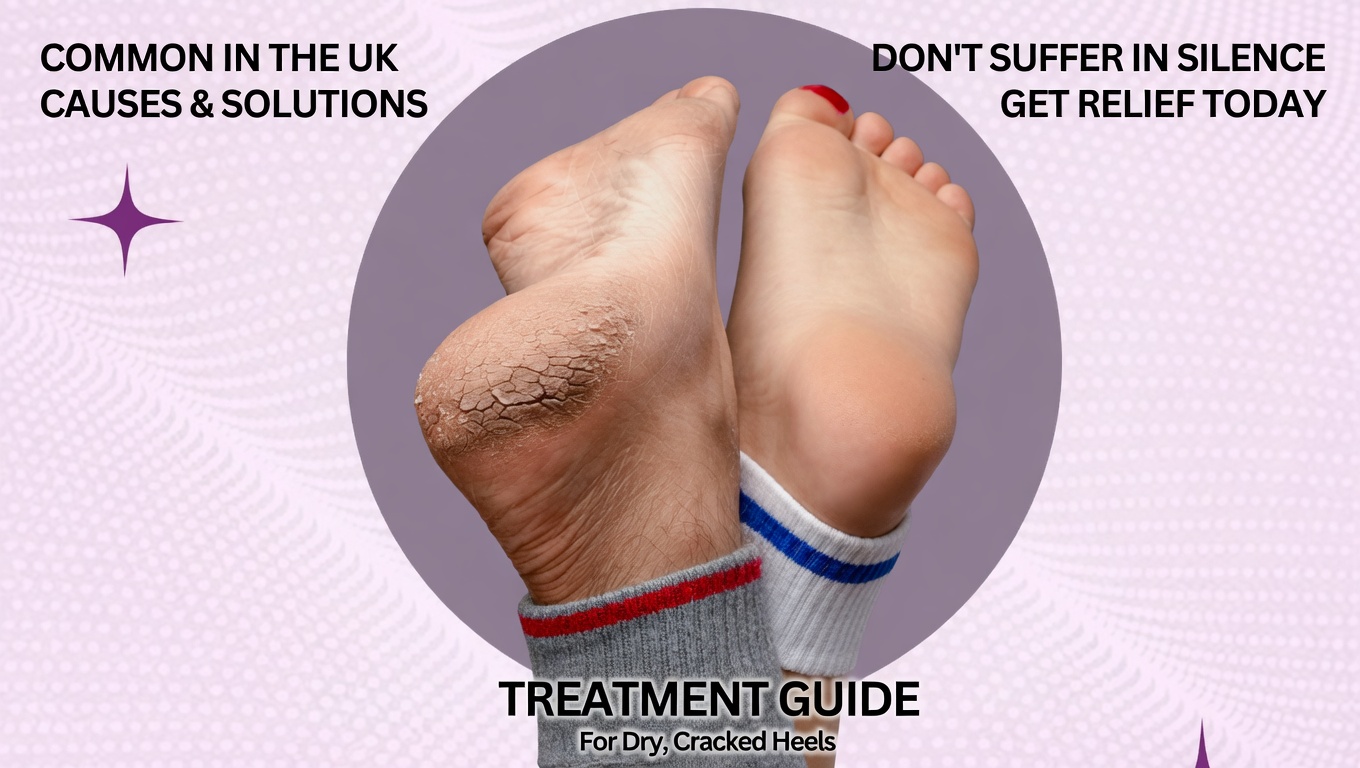
Sign #8: Skin, Hair, Nail, or Temperature-Feeling Changes
Peripheral neuropathy can also affect autonomic nerves, influencing skin and circulation-related functions. Signs may include:
- Dry or cracked skin
- Less hair growth on the feet
- Brittle, changing nails
- Reduced ability to sense heat or cold
Temperature-sensing changes are particularly risky because burns or frost-related damage may occur without immediate pain. Regular self-inspection can catch early issues before they become larger problems.
Quick Comparison: Ignoring Symptoms vs. Acting Early
-
Tingling or numbness
- If ignored: higher chance of unnoticed injury and ulcers
- With early attention: better odds of preserving sensation and safety
-
Burning pain
- If ignored: chronic sleep disruption and reduced quality of life
- With early attention: potential pain reduction and better rest
-
Sharp pains or weakness
- If ignored: reduced mobility and greater fall risk
- With early attention: improved function and independence
-
Balance problems
- If ignored: increased risk of falls and fractures
- With early attention: better stability and safer movement
Noticing early foot changes can make a meaningful difference in long-term comfort and daily confidence.
Practical Steps to Support Foot and Nerve Health
Simple habits can add up—especially when started early:
- Check your feet daily, using a mirror to inspect soles and between toes
- Support nutrition, prioritizing foods rich in B vitamins (and supplements only with professional guidance if needed)
- Stay active with gentle movement, such as walking, toe raises, and light strength work to support circulation and function
- Manage blood sugar, especially if you have diabetes or prediabetes
- Choose supportive footwear to reduce pressure points and protect skin
If symptoms persist or worsen, a healthcare provider can recommend exams and tests (and referrals when appropriate). Early assessment often leads to more effective management.
Conclusion: Pay Attention to What Your Feet Are Telling You
Tingling, numbness, burning pain, sensitivity, shocks, weakness, balance changes, and skin or temperature-sensing shifts are not symptoms to dismiss after 50. Recognizing these eight signs early can help you protect sensation, stability, and independence. If your feet have been sending warning signals, schedule a check-up and begin consistent foot care now—before small symptoms become bigger limitations.