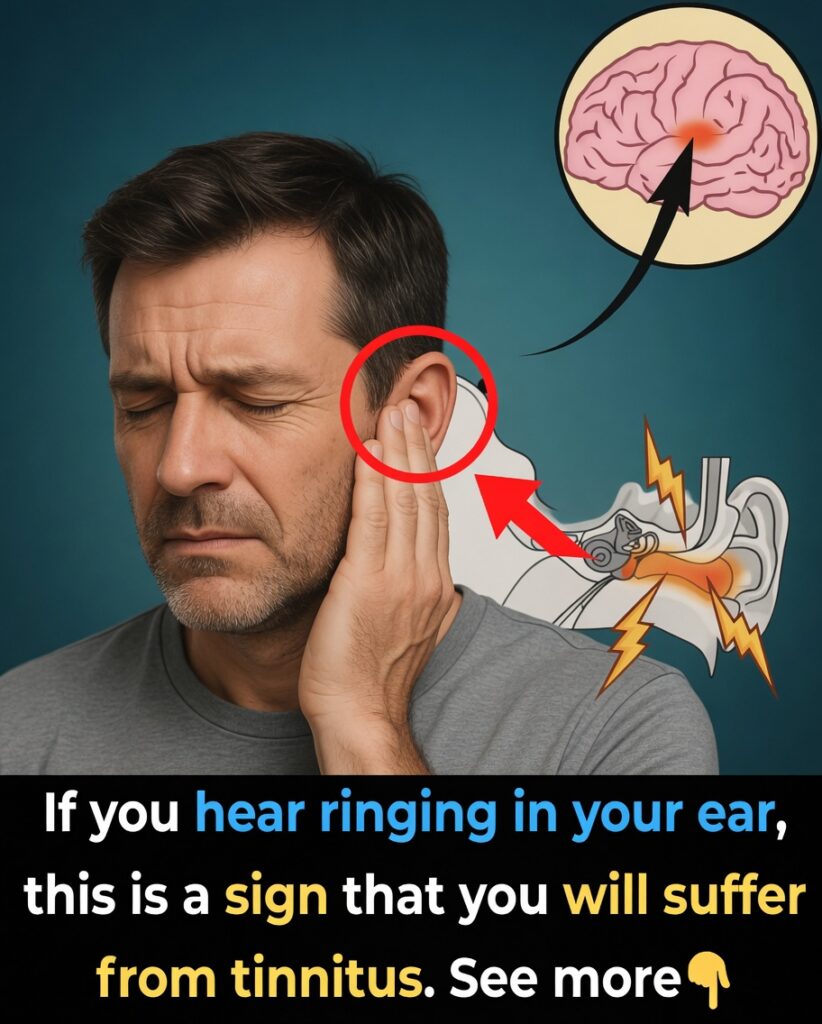
Tinnitus: Understanding the Ringing, Buzzing, or Whooshing in Your Ears
A constant ringing, buzzing, humming, or whooshing sound—often called tinnitus—can make it hard to concentrate, interrupt your sleep, and leave you feeling tense and exhausted. Because the noise seems to come from inside your own head, even quiet moments can feel overwhelming, and social situations may become draining as you try to “push through” and ignore it.
The good news is that many people experience tinnitus without a dangerous underlying condition. Learning what tinnitus is, what commonly triggers it, and which warning signs matter can reduce fear and help you take the next right step.
What Is Tinnitus (and Why Does It Happen)?
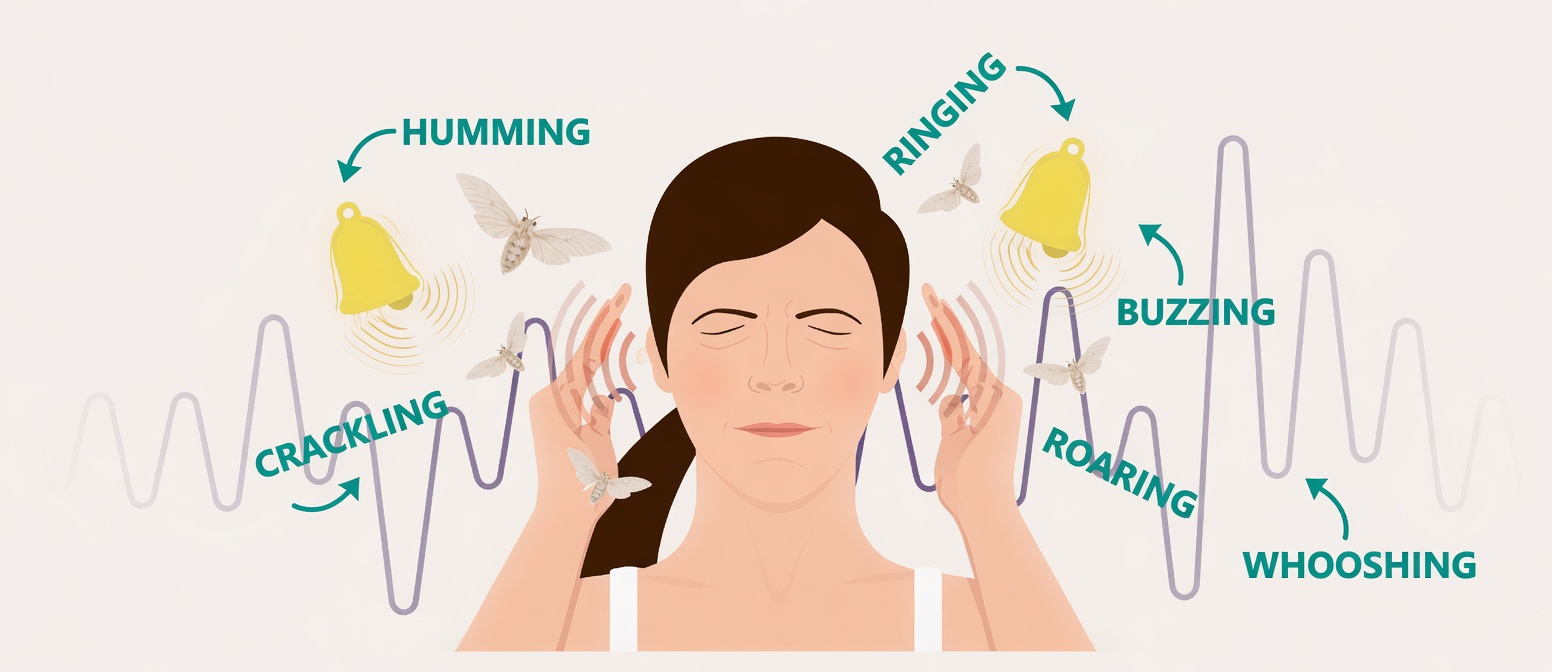
Tinnitus is not a disease—it’s a symptom. It describes hearing sounds that aren’t coming from an external source, such as:
- Ringing
- Buzzing
- Hissing
- Roaring
- Clicking
- Whooshing
For many, the sound is persistent and distracting, affecting rest and daily performance. Leading medical sources (including the Mayo Clinic) describe tinnitus as very common and often connected to changes in the inner ear, especially after damage to tiny sensory hair cells involved in hearing.
A crucial point: tinnitus is frequently benign, even though it can significantly impact quality of life.

Common Causes of Tinnitus
Tinnitus can have multiple triggers, and sometimes more than one factor is involved. Common causes include:
- Age-related hearing loss: As hearing gradually declines, the brain may “fill in the gaps,” and tinnitus can become more noticeable.
- Long-term loud noise exposure: Concerts, headphones at high volume, and noisy workplaces can damage delicate ear structures over time.
- Earwax buildup: A blockage in the ear canal can change how you hear and may contribute to tinnitus.
- Certain medications: Some drugs (including high-dose aspirin and other ototoxic medications) can trigger or worsen tinnitus in some people.
- Jaw or TMJ problems: In some cases, jaw tension or alignment issues influence tinnitus intensity.
Because noise exposure is a leading cause, hearing protection remains one of the most important preventive steps.
How Tinnitus Impacts Daily Life
Tinnitus doesn’t just affect hearing—it often affects how you feel and function. Many people describe:
- Trouble focusing at work or while reading
- Difficulty following conversations, especially in busy environments
- Reduced enjoyment of quiet activities
- Increased irritability or emotional fatigue
- Anxiety or low mood that builds over time
Tinnitus can seem louder at night or in silent spaces, which may lead to sleep disruption and a cycle of stress and heightened awareness. However, tinnitus intensity varies widely, and many people find it becomes less intrusive as the brain gradually habituates to the sound.
Red Flags: When Tinnitus Needs Medical Attention
Tinnitus is often harmless, but certain patterns should be evaluated promptly. Seek medical care if tinnitus is:
- Sudden or new—especially in one ear
- Accompanied by sudden hearing loss
- Paired with dizziness, vertigo, or balance issues
- Pulsatile (sounds like it matches your heartbeat)
- Causing severe distress, including anxiety or depression
These signs may point to conditions that require timely diagnosis—such as inner-ear disorders (including Ménière’s disease) or, in the case of pulsatile tinnitus, possible vascular concerns.
What Happens at a Tinnitus Appointment?
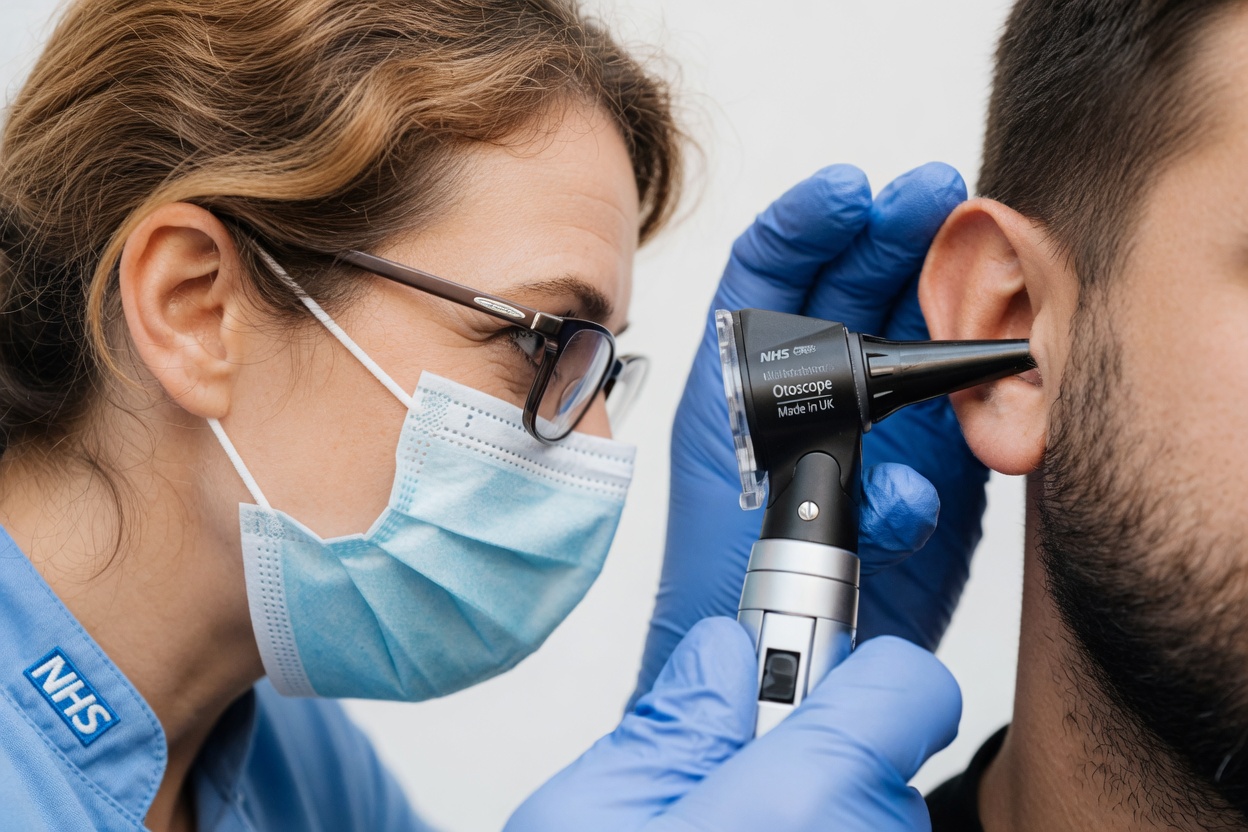
A clinical evaluation can feel reassuring because it helps identify treatable causes and rule out serious problems. A provider may:
- Examine your ears for wax buildup or infection
- Review your medications and supplements
- Order a hearing test (audiology assessment)
- Ask about noise exposure, recent illness, or head/neck injury
- Check whether jaw movement or clenching changes the sound
When tinnitus is interfering with sleep, work, or mental well-being, an early visit can provide both direction and relief.
Practical Ways to Manage Tinnitus Symptoms
There isn’t a single cure that works for everyone, but many supportive strategies reduce how disruptive tinnitus feels:
- Sound therapy / masking
- White noise machines, fans, or apps can soften the contrast between silence and tinnitus, especially at bedtime.
- Hearing aids (when hearing loss is present)
- Amplifying external sound often makes tinnitus less noticeable.
- Stress reduction
- Mindfulness, breathing exercises, and relaxation techniques can reduce the emotional “volume” of tinnitus.
- Better sleep routines
- Consistent sleep schedules and low-level background sound can help minimize nighttime spikes.
The goal is often not to “fight” tinnitus, but to reduce its impact and help your brain treat it as non-threatening background noise.
Tinnitus Causes vs. Warning Signs: Quick Comparison
| Aspect | Common, Often Benign | Potential Red Flags | Why It Matters |
|---|---|---|---|
| Onset | Gradual, often in both ears | Sudden, especially one-sided | Could indicate an acute issue |
| Associated symptoms | None or mild hearing changes | Vertigo, dizziness, sudden hearing loss | May suggest inner-ear or neurological conditions |
| Sound pattern | Steady ringing/buzzing | Pulsatile (heartbeat-like) | Can be linked to blood vessel concerns |
| Impact | Annoying but manageable | Severe distress, anxiety, depression | Mental health support may be needed |
| Triggers | Age, noise exposure, earwax | Head injury, new meds, abrupt changes | Some causes are treatable |
Day-to-Day Habits That Can Help
Small, consistent choices often make tinnitus easier to live with:
- Use earplugs or earmuffs in loud environments
- Reduce or avoid caffeine and alcohol if they worsen your symptoms
- Add low-volume background sound during quiet periods
- Practice daily stress management (deep breathing, stretching, mindfulness)
- Book a check-up if tinnitus is new, changing, or worsening
Living with Tinnitus More Confidently
Tinnitus can feel exhausting, but in many cases it reflects common hearing-related changes rather than a serious medical threat. Knowing typical causes, recognizing key red flags, and using proven coping strategies can make tinnitus far more manageable.
For guidance specific to your situation—especially if symptoms are new, one-sided, pulsatile, or emotionally overwhelming—consult a qualified healthcare professional.
Frequently Asked Questions
1. Is tinnitus always a sign of something serious?
Usually not. However, sudden tinnitus, one-sided symptoms, or tinnitus with hearing loss, dizziness, or vertigo should be evaluated.
2. Can tinnitus go away on its own?
Sometimes. It may improve or become less noticeable over time, particularly if triggers like earwax, loud noise exposure, or stress are addressed.
3. What lifestyle changes help tinnitus?
Many people benefit from hearing protection, stress reduction, and sound masking. If symptoms persist, a clinician or audiologist can recommend targeted options.
Medical Disclaimer
This article is for informational purposes only and does not replace professional medical advice. If you have concerns about tinnitus or changes in hearing, consult a healthcare provider for appropriate evaluation and care.